
Share



If you are a state-qualified nurse and are considering moving into aesthetics, here is the first thing you need to know: you already have strong advantages—knowledge of the human body, strict standards in hygiene and safety, experience in patient follow-up, and clinical insight—all of which make you a naturally credible and reassuring practitioner.
And the good news is: regulations are starting to acknowledge this. Since Decree No. 2024-470 of May 24, 2024, and the Order of February 19, 2025, state-qualified nurses are now officially authorized to perform certain aesthetic technologies.
The key is to clearly understand the framework so you can move forward with confidence and build a solid business.
Understanding your status: two worlds, one professional
As soon as you practice aesthetic procedures as a nurse, you enter what legal experts call a hybrid status: you remain subject to the Public Health Code for your nursing practice while also complying with regulations specific to aesthetic activities.
These two frameworks are cumulative. This is not an insurmountable constraint—it’s simply something to integrate from the start to avoid dealing with it under pressure later.
In practice, three categories of procedures coexist within your scope of practice.
What you can do—and what remains regulated
Laser and IPL: official authorization, under conditions
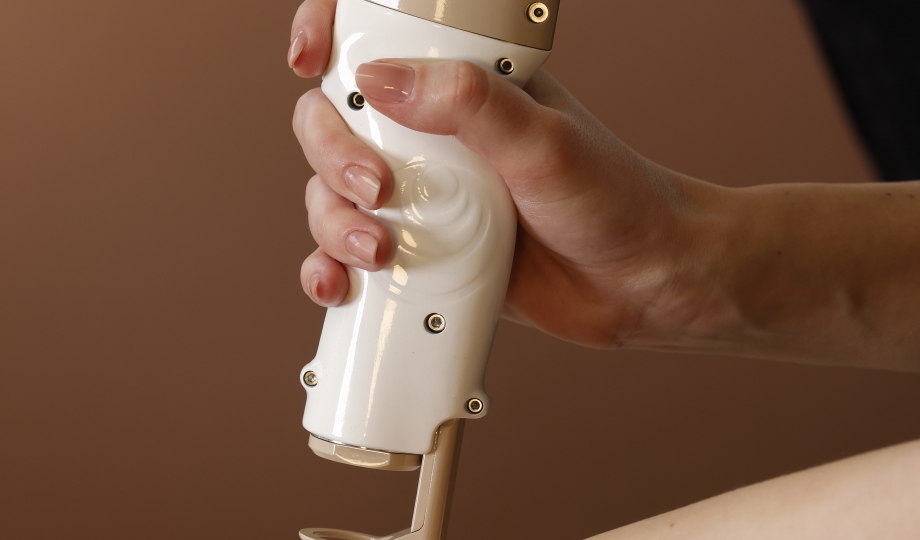
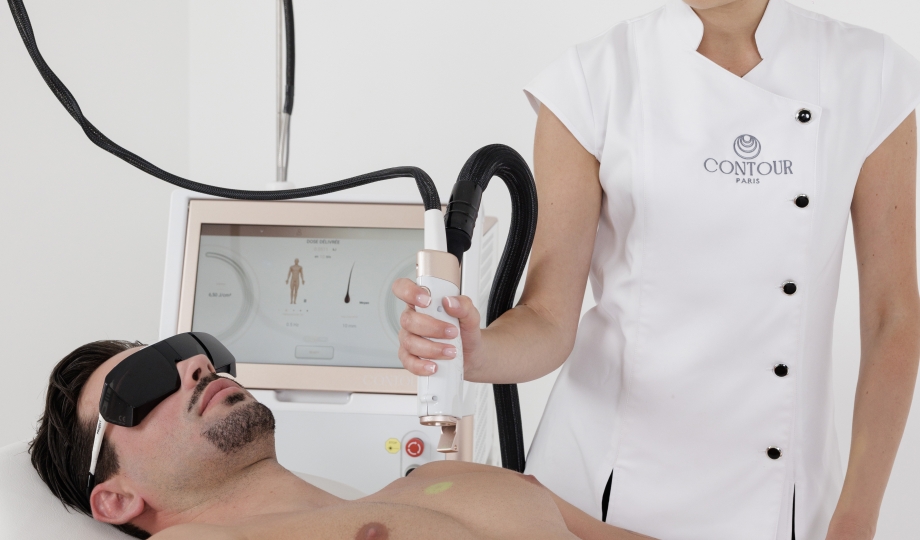
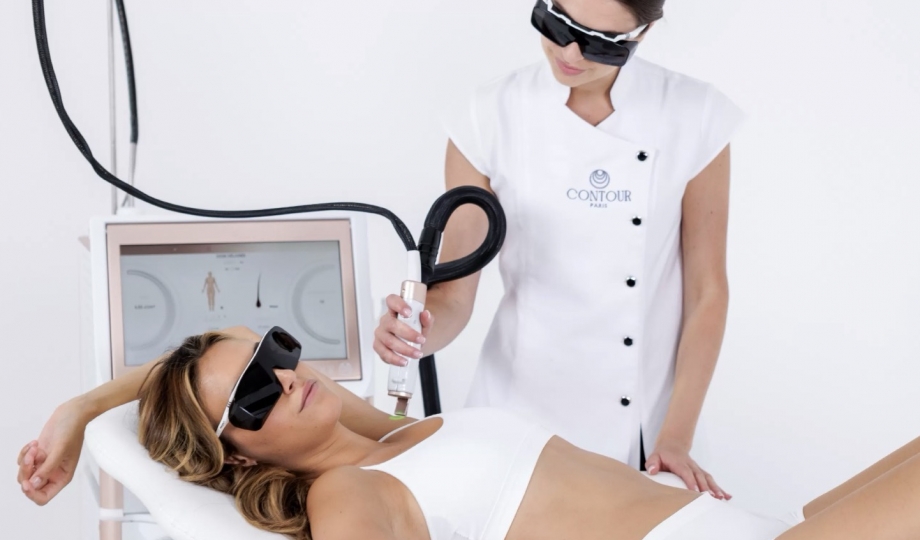
Since the May 24, 2024 decree, permanent hair removal using laser and intense pulsed light (IPL) for non-therapeutic purposes is officially open to state-qualified nurses. This is a major step forward and forms the legal basis for your legitimacy in this field.
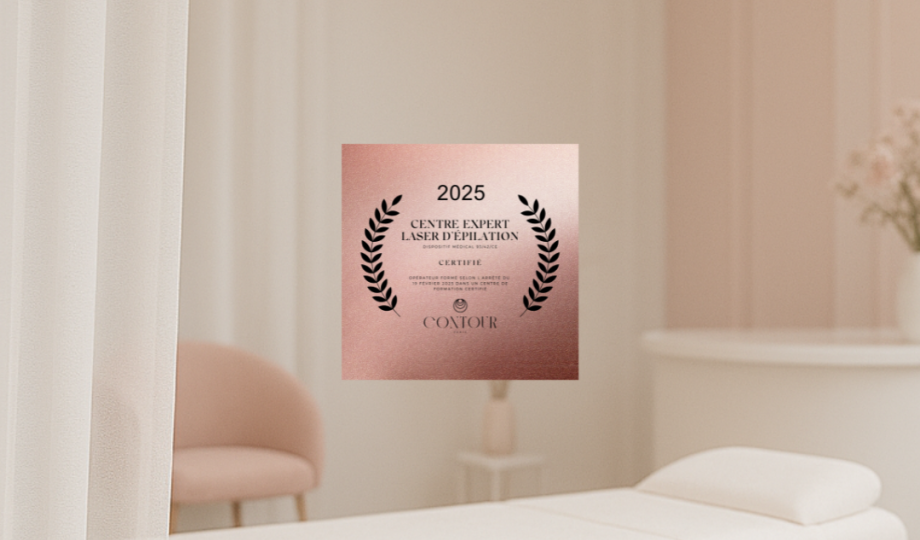
However, this authorization is conditional upon completing a specific training program in accordance with the February 19, 2025 order—the “core training”—covering radiation physics, skin physiology, hygiene, and safety. The certification is valid for five years and must be displayed at your workplace. Without this training, the authorization does not apply, even if you are a nurse.
Unregulated technologies: a broader field than you might think
Beyond laser and IPL, there is a wide range of non-regulated aesthetic technologies accessible without specific restrictions. This represents a real, valuable, and often highly profitable scope of practice.
What remains reserved for doctors
Some procedures are strictly outside your scope, regardless of your experience or additional training. Injections—hyaluronic acid, botox, PRP—are medical acts. The same applies to thread lifts and injectable mesotherapy.
This is not meant to hold you back—it’s simply the boundary you need to know to build your offering safely.
A note on titles: what you can and cannot use
This detail matters. Terms like “aesthetic nurse” or “laser nurse” are prohibited. Why? Because in France, professional titles are strictly regulated. Only three specializations are officially recognized: nurse anesthetist, operating room nurse, and pediatric nurse.
The National Order of Nurses clarified this in June 2025: using an unrecognized title is considered a breach of professional ethics and may even be misleading to clients.
The correct wording? You can present yourself as a state-qualified nurse heading a techno-aesthetic center. It is compliant, credible, and far more reassuring for your clients.
The 7 legal obligations to integrate from day one
Beyond what you can do, how you do it makes all the legal difference. Seven obligations apply:
Informed consent: Clients must be clearly informed about benefits, risks, and contraindications. Their consent must be obtained.
Professional confidentiality: Applies fully, even in aesthetics.
Traceability: Every procedure must be recorded (device, settings, date).
Continuous training: You must stay updated on regulatory changes.
Hygiene and safety: Strict protocols, disinfected equipment, proper waste management.
Compliant communication: No unrealistic promises, misleading terms, or unauthorized titles.
Appropriate insurance: Your nursing liability insurance does NOT cover aesthetic acts. You must declare your new activity and ensure full coverage.
Financing your project: you are not alone
Many believe they must self-finance everything from day one. This is often false. Several options exist:
ACRE: partial exemption from social charges
ARCE: capital payment of unemployment benefits
Bank loans: professional or consumer credit
Leasing: often the most accessible option for equipment
Regional funding: grants, interest-free loans
Leave of absence for public nurses: a safety net if you work in a hospital
Choosing the right technology: as strategic as it is legal
Entering aesthetics is not just about legal structure—it’s also about choosing the right tools. Not all technologies are equal.
Before purchasing equipment, always verify its classification and regulatory conditions. Some “aesthetic” devices are actually restricted to doctors.
A poor choice means legal risk, client risk, and potentially the end of your business.
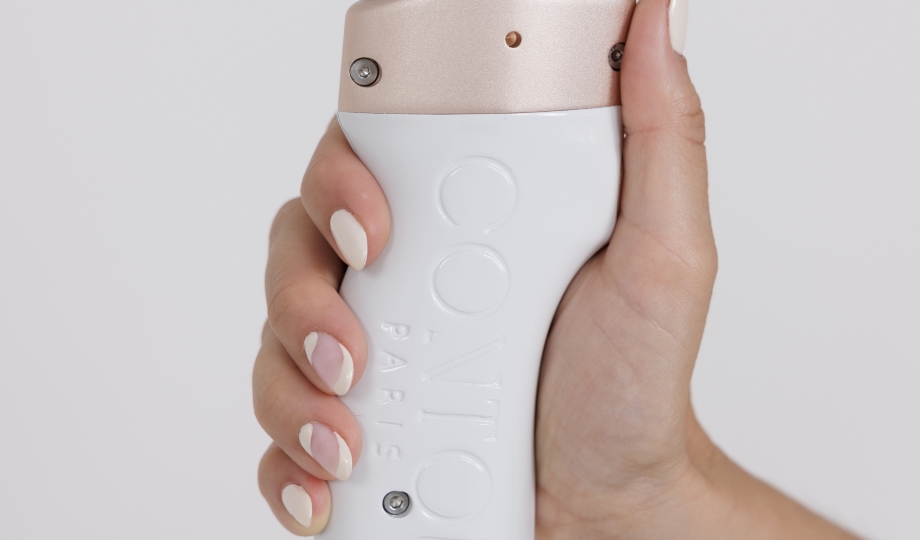
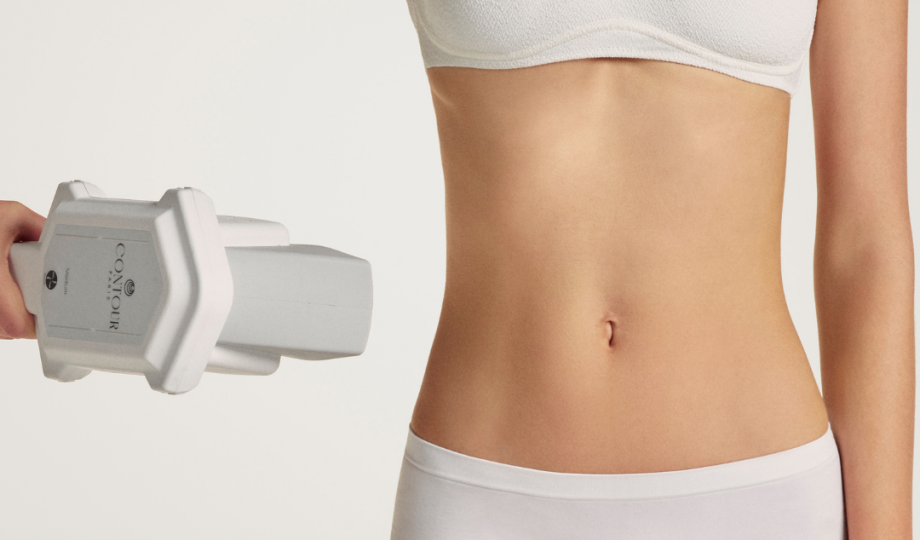
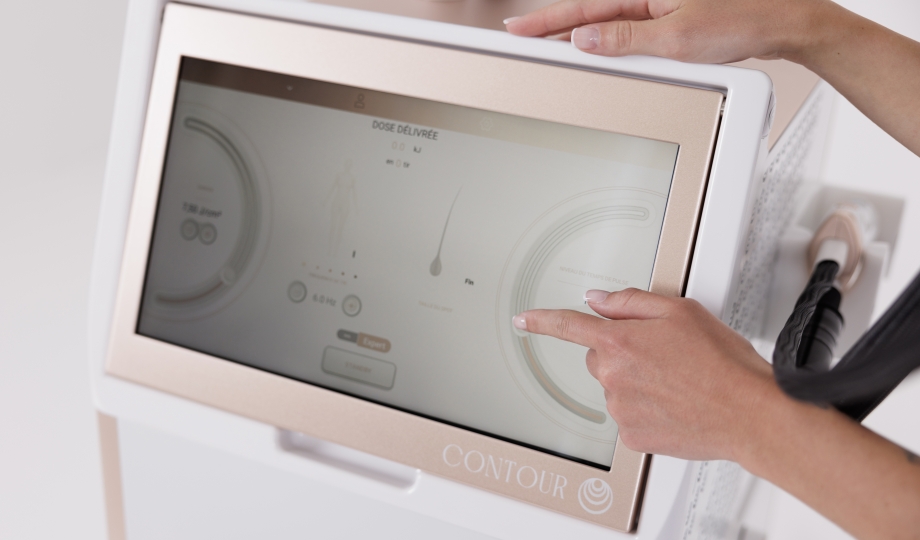
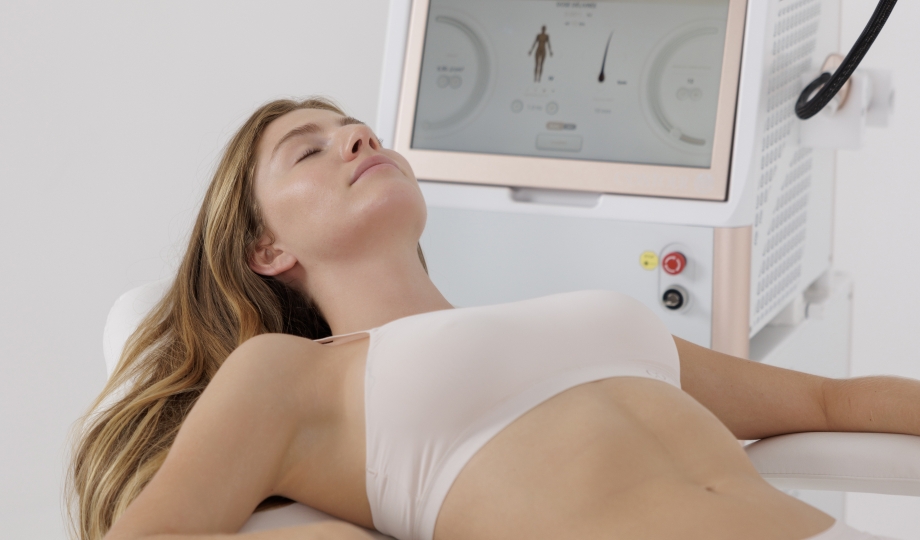
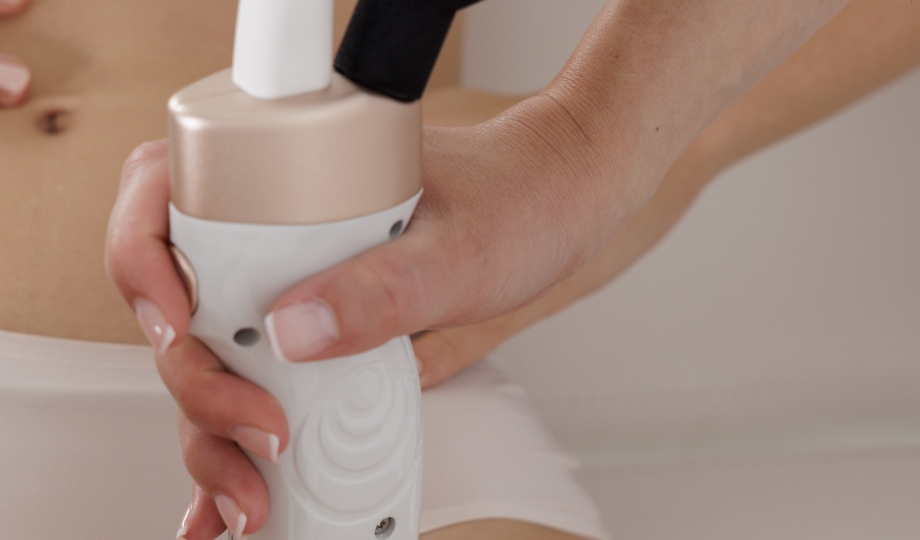
A reliable device also means a supportive manufacturer—training, technical support, and upgrades. This is precisely how Contour Paris supports nurses transitioning into aesthetics.
In conclusion: an open market, a clear framework, a real opportunity
The 2024 decree and 2025 order have opened the door. Non-regulated technologies open even more. The field is broader than often believed—and accessible today with the right training and framework.
Your clients are looking for someone who understands them, reassures them, and delivers results. You already have that. Now it’s about structuring it.
Training: the most profitable decision you can make
Reading articles helps—but at some point, action is needed.
That’s exactly what the Évolution Infirmière training by AFEEM offers. It was designed with legal experts, transitioning nurses, coaches, and experienced aestheticians.
It covers:
Legal framework in detail
Business development and positioning
Business plan and profitability
Step-by-step launch planning
Practical checklists
Work-life balance in career transitions
In short: a goldmine for any nurse who wants to start without improvising.
FAQ — the questions every nurse asks
Can a nurse perform laser without an aesthetic diploma?
Yes. Since the May 24, 2024 decree, state-qualified nurses can perform laser and IPL hair removal, provided they complete the required core training.
Can I call myself an “aesthetic nurse”?
No. The title is not legally recognized and its use is considered unethical.
Does my nursing insurance cover aesthetic procedures?
No, not automatically. You must extend your coverage or take out a dedicated policy.
Can a nurse perform aesthetic injections?
No. Injections (hyaluronic acid, botox, PRP) are medical acts reserved for doctors.
Share





























Vos informations ont bien été mises à jour.
Cette fenêtre se fermera automatiquement dans quelques secondes...
Cette fenêtre va se fermer automatiquement dans 3 secondes...
Veuillez saisir l'adresse email rattaché à votre compte client pour recevoir un lien de réinitialisation de votre mot de passe.
Vous pouvez maintenant commander et suivre vos commandes. Cette fenêtre va se fermer automatiquement dans 5 secondes...