
Share



For estheticians and nurses who want to guide their clients toward real commitment — without pressure and without compromising their value.
There’s a situation you probably know by heart. You’ve just spent twenty minutes explaining the protocol, the expected results, the technology. Your client nods, seems convinced. Then, when it’s time to close:
“That’s interesting… I’ll think about it.”
And she leaves.
This moment often brings a mix of frustration and doubt. Doubt about your pricing, your pitch, your equipment. Some professionals lower their prices. Others multiply promotions. Some even stop offering treatment programs altogether.
And yet, the problem is almost never where you think it is.
A slimming or anti-aging program is not a typical purchase. It’s a long-term commitment, a financial investment, but above all, a projection of oneself. A hesitant client is not a difficult client — she simply needs reassurance about something specific. Your role is not to convince her. It’s to understand what’s holding her back and help her move forward.
First Rule: An Objection Is Not a Rejection
Before going further, let’s establish a key foundation that will change the way you approach these conversations.
When a client says, “It’s expensive,” “I’m not sure,” or “I’ll think about it,” she’s not saying no. She’s telling you she isn’t sufficiently reassured about a specific point yet. That point may be financial, but it can also be emotional, linked to a past disappointing experience, or simply a lack of information.
The key mindset shift
The difference between a professional who sells naturally and one who pushes is simple:
The first sees objections as valuable information.
The second sees them as obstacles to overcome.
An objection is your ally — if you know how to listen.
The Best Sales Technique? Master Your Subject Completely
No sales technique can replace knowledge.
A professional who can explain why cryolipolysis destroys fat cells without affecting surrounding tissues, or which cellular mechanism radiofrequency activates to stimulate collagen, no longer needs to “sell.” She educates.
And a client who understands what she is buying is no longer afraid to buy it.
Understanding skin physiology, fat tissue mechanisms, and the link between nutrition and aesthetic results transforms your consultations, your message, and your ability to personalize each protocol. It positions you as a trusted expert.
To better handle objections, continuous training is essential. High-quality programs dedicated to aesthetic professionals, such as those offered by AFEEM, can significantly strengthen your expertise.
Handling Objections When Selling Aesthetic Programs: The 7 Most Common Situations
This is the most common objection — and the one that most often leads professionals to immediately lower their prices. That’s a mistake.
In most cases, “it’s too expensive” does not mean the client cannot afford it. It means she does not yet perceive enough value to justify the investment. Offering a discount too quickly confirms that your price was indeed too high.
What you can say:
“I completely understand, it’s a real investment. To guide you better, what exactly is holding you back? Is it the overall cost, or the results you’re expecting?”
A powerful tool here is perspective. A 6-session program at €900 equals €150 per session — roughly the cost of a restaurant dinner. Comparing it to something familiar helps recalibrate the perception of value.
Key takeaway: Never lower your price before understanding the real concern.
Objection #2 · “I’m afraid it won't work”
This is the most emotional — and often the most genuine — objection. Behind it, there’s usually a story: a past program that didn’t deliver results.
The instinct is to reassure too quickly: “But with us, it’s different!”
This doesn’t work — it sounds like what every other professional has said before you.
What you can say:
“That’s an important question, and I’m glad you asked. What happened in your previous experience?”
Let the client speak. Then explain how your protocol differs, using facts: number of sessions, technology, follow-up, average results.
Key takeaway: Never promise more than you can deliver. Honesty builds credibility.
Objection #3 · “I don't have time”
In reality, this often means: “It’s not my priority right now.” It’s about desire, not availability.
What you can say:
“That’s exactly why we design protocols that adapt to your real schedule, not an ideal one. What would realistically work for you right now?”
Key takeaway: Adapt the protocol to her real life, not a theoretical rhythm.
Objection #4 · “I’ll think about it”
This is rarely a genuine need for time — it’s often a polite way to end the conversation when something feels unclear.
The worst response:
“Of course, take your time!” — and letting her leave.
What you can say:
“Of course, it’s important not to rush. To help you clarify, is it more the budget, the expected results, or the protocol itself that’s making you hesitate?”
Key takeaway: Never let a client leave without identifying the real concern.
Objection #5 · “I’d like to try one session first”
Common and understandable — but problematic. A single session rarely produces visible results and may reinforce doubts.
What you can say:
“I understand wanting to try before committing. Honestly, one session won’t give you meaningful results — it would be incomplete. What I suggest instead is a 30-minute personalized consultation: we assess your needs and I explain exactly what you can expect.”
Key takeaway: Offer a consultation, not a single session.
Objection #6 · “I’ve already tried elsewhere without results”
A sensitive situation. Never criticize another professional.
What you can say:
“Thank you for sharing that — it’s important. What exactly disappointed you? The results, the follow-up, the communication?”
Listen carefully. Then differentiate yourself with facts: your protocol, your follow-up, your technology.
Key takeaway: Facts are more convincing than words.
Objection #7 · “I need to discuss it with it partner”
This may be genuine or a way to delay.
What you can say:
“Of course, that’s completely normal. Would you like me to prepare a clear summary — the protocol, expected results, and investment — so they can review it easily?”
Key takeaway: A clear written document is more powerful than repeated verbal arguments.
The Real Lever: Prevent Objections Before They Arise
The best consultations are those where objections barely appear — because they’ve been addressed from the very beginning.
Ask these four essential questions:
• What is your main goal?
• What is currently bothering you?
• Have you already tried solutions before?
• What results are you expecting, and within what timeframe?
These are not sales techniques — they are understanding tools. And understanding builds trust.
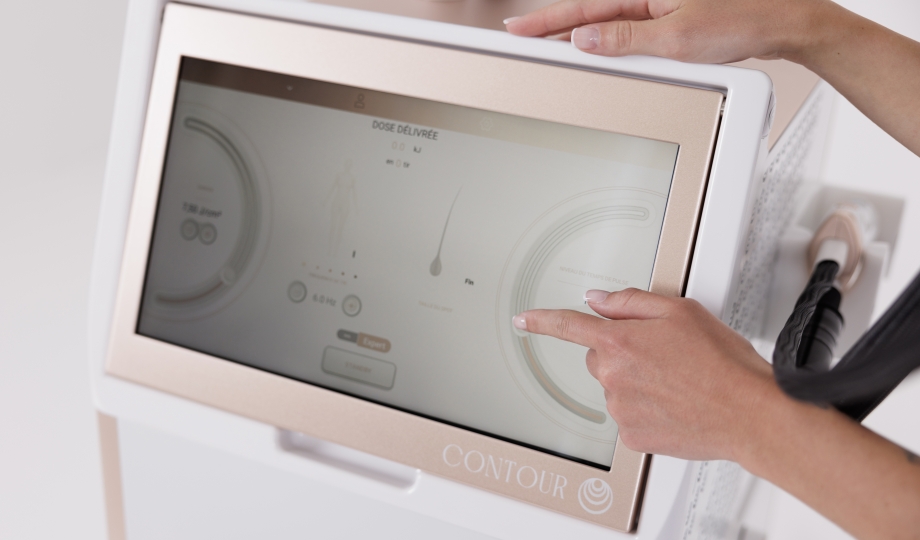
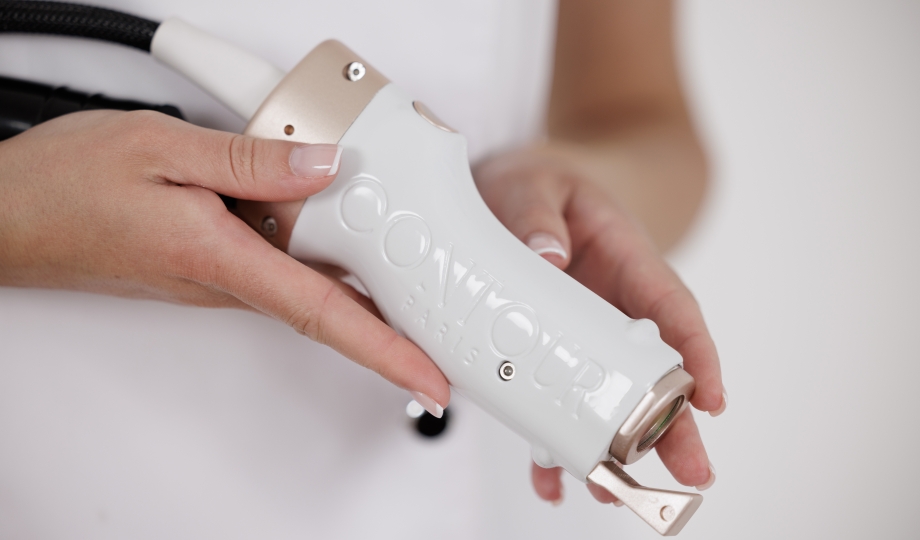
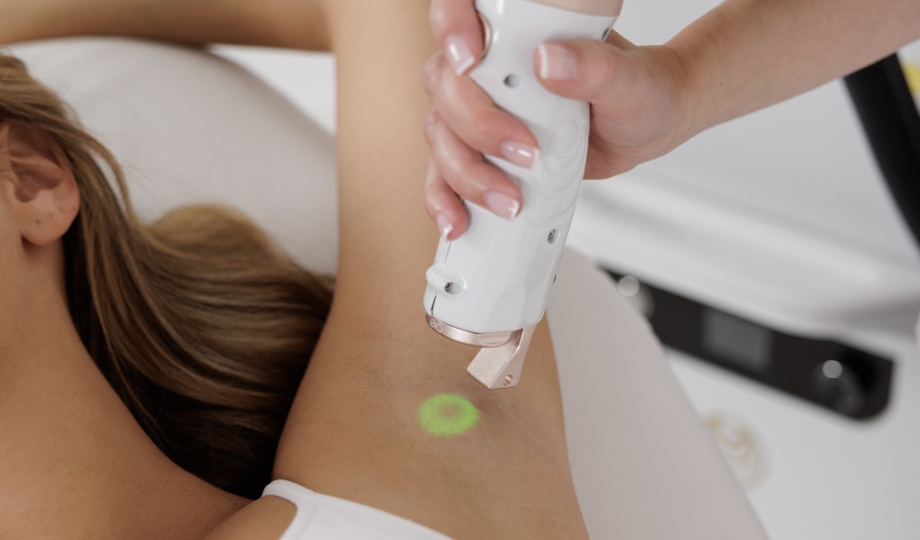
The quality of your consultation also depends on your equipment. Professionals using high-performance, reliable aesthetic technology can rely on measurable, objective arguments to reassure clients early.
The aesthetic and paramedical market has evolved. Clients are informed, sometimes skeptical, often marked by past disappointments.
They avoid aggressive sales pitches and unrealistic promises. What they seek is transparency, listening, and genuine expertise.
The professional who sells best today is not the one with the strongest arguments — but the one whose client leaves thinking:
“She truly understood what I needed.”
Knowing how to ask the right questions, read non-verbal cues, and structure a personalized proposal are real skills — just like mastering laser technology or cryolipolysis protocols.
And they can be learned.
This is the most important mindset shift.
A client committing to a slimming or anti-aging program is not buying sessions. She is buying a projection of herself: lighter, more confident, more comfortable in her body.
She is buying hope — that this time, it will work.
Your role is not to convince her. It’s to help her believe it’s possible — with solid arguments, genuine listening, and complete honesty about what you can and cannot promise.
Share






































































Vos informations ont bien été mises à jour.
Cette fenêtre se fermera automatiquement dans quelques secondes...
Cette fenêtre va se fermer automatiquement dans 3 secondes...
Veuillez saisir l'adresse email rattaché à votre compte client pour recevoir un lien de réinitialisation de votre mot de passe.
Vous pouvez maintenant commander et suivre vos commandes. Cette fenêtre va se fermer automatiquement dans 5 secondes...