
Share



What if your in-clinic results didn’t depend solely on your technology?
You have probably already encountered this situation. A committed, consistent, motivated client who follows your recommendations perfectly… and yet, results stagnate. Weight loss is difficult, the skin remains inflammatory, fatigue sets in.
In those moments, doubt appears. Is it the protocol? The parameters? The device? What if the real obstacle was elsewhere?
Today, a key factor, still too often underestimated in aesthetics, largely explains these limited results: cortisol. This stress hormone plays a central role in skin, weight gain and aging. Understanding the link between cortisol, stress, skin and weight loss allows you to profoundly transform your approach… and your results.
Cortisol: an essential hormone, but also a barrier to weight loss and skin quality
Cortisol is a hormone produced by the adrenal glands, essential for survival. It is involved in energy management, metabolism regulation and the stress response. In the short term, it is beneficial and allows the body to adapt quickly.
But when stress becomes chronic, cortisol remains constantly elevated. And that is when imbalances appear. Excess cortisol promotes inflammation, disrupts hormones and slows down metabolism. It is now clearly identified as a major factor in weight gain, particularly in the abdominal area, but also in the deterioration of skin quality.
To learn more about stress and its biological mechanisms.
Cortisol, skin and aging: a direct link often underestimated
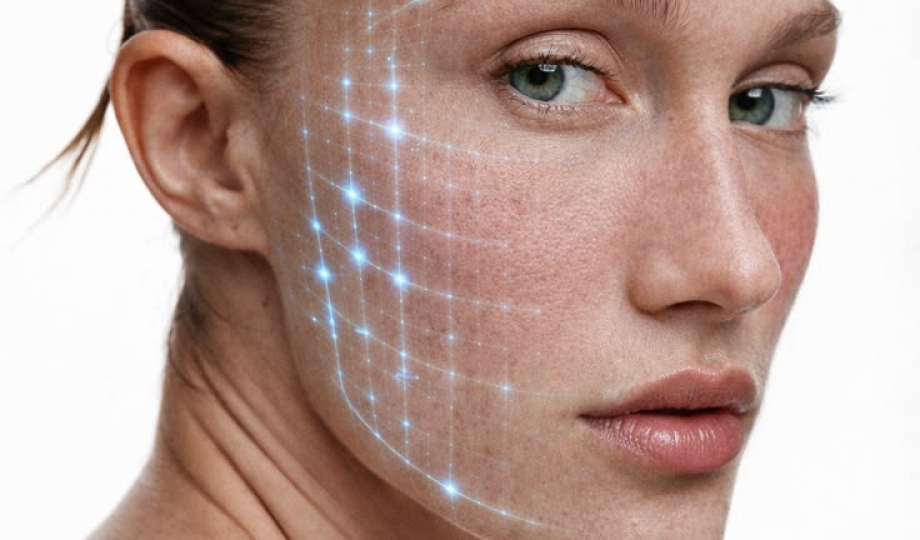
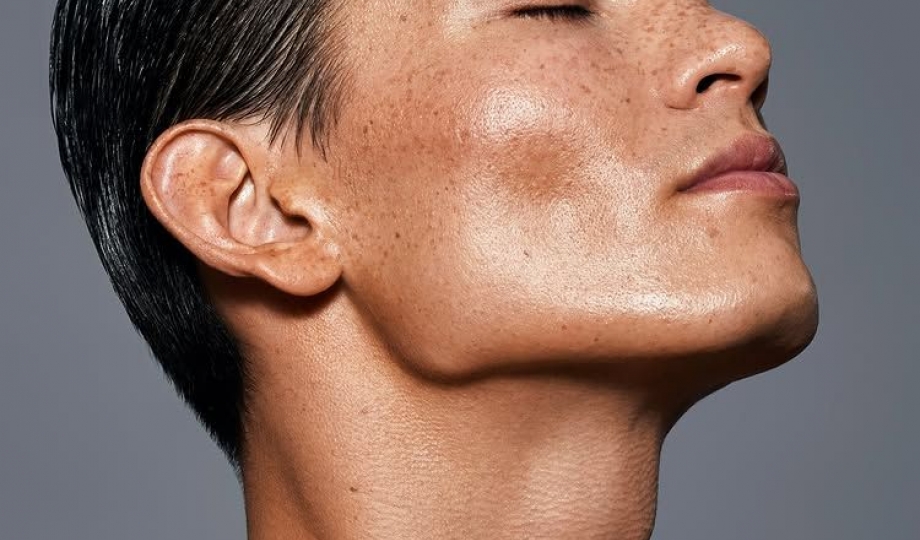
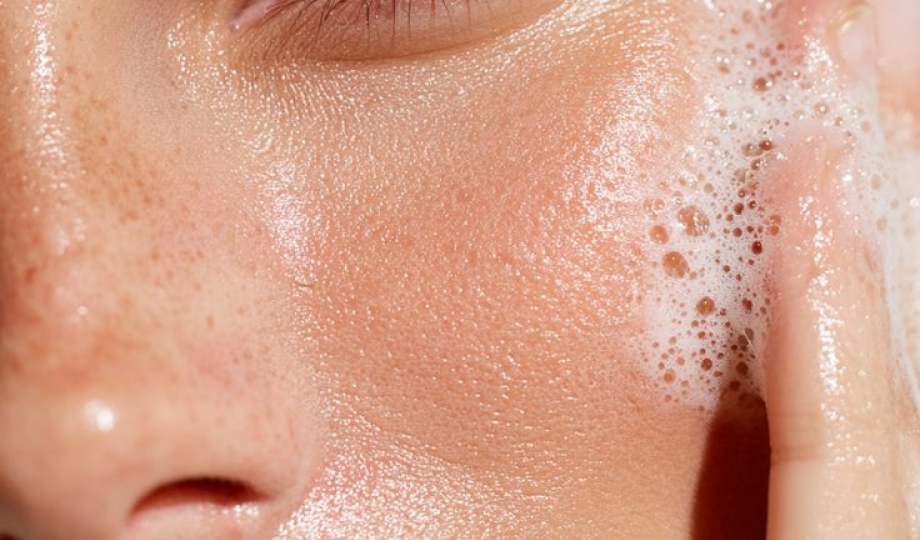
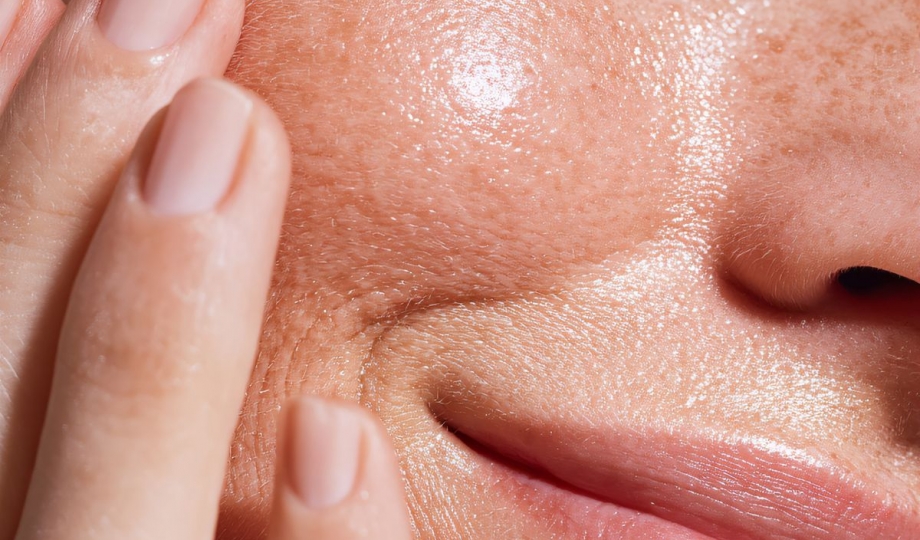
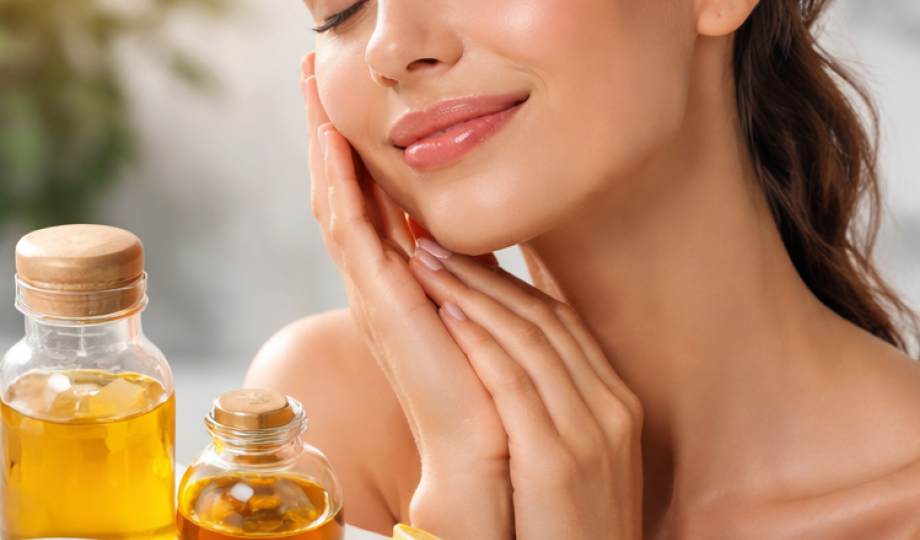
Cortisol acts directly on the skin. When elevated, it weakens the skin barrier, increases inflammatory processes and accelerates aging. Concretely, this results in duller, more reactive skin, prone to imperfections and premature aging. The link between stress and adult acne is also increasingly recognized.
Key takeaway
In this context, even the most advanced treatments may seem less effective. The issue does not come from the technology, but from the biological terrain.
Stress, cortisol and weight gain: why some clients do not lose weight
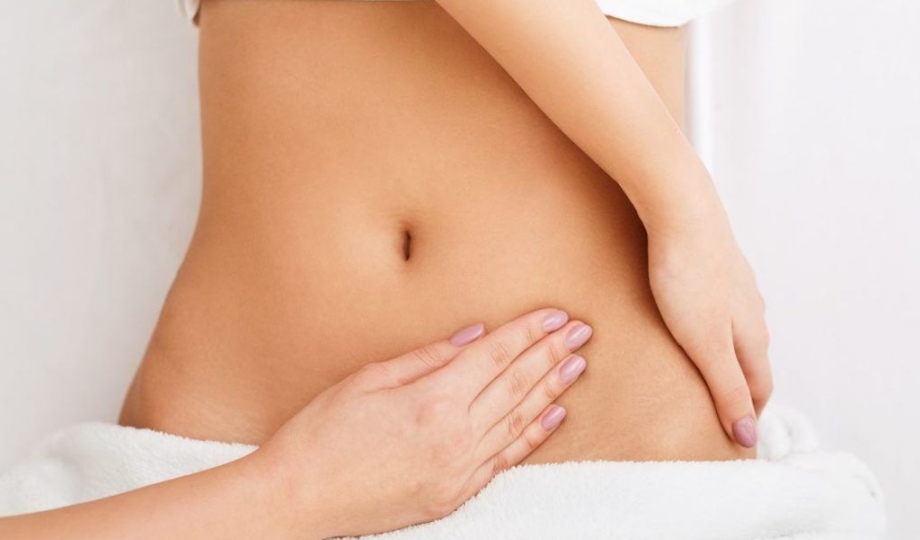
Cortisol is closely linked to weight gain. High levels stimulate fat storage, particularly in the abdominal area. This is what is referred to as stress-related abdominal fat. In addition, it disrupts hunger hormones, promotes sugar cravings and slows down fat-burning mechanisms.
This is why some clients, despite well-followed slimming protocols, are unable to lose weight. Stress prevents weight loss. It is a physiological reality.
Signs of high cortisol to identify in your clients
Certain indicators should alert you during your assessments. A client with high cortisol may present:
• persistent fatigue
• sleep disturbances
• abdominal weight gain
• sugar cravings
• inflammatory or acne-prone skin
• difficulty losing weight despite efforts
These elements should lead you to adapt your approach.
How to reduce cortisol naturally: concrete and accessible solutions
Good news: it is possible to reduce cortisol naturally, without disrupting daily life. The goal is not to add constraints, but to integrate smart and realistic habits.
Cardiac coherence: a simple tool to quickly reduce stress
Cardiac coherence is one of the most effective tools to regulate cortisol. By adopting rhythmic breathing (inhale for 5 seconds, exhale for 5 seconds for 5 minutes), it is possible to calm the nervous system and quickly reduce stress. This exercise can easily be practiced throughout the day, between appointments or in the evening before going to sleep.
Rethinking daily stress management
Managing stress does not mean changing your life, but learning to integrate regulation moments into your daily routine. A few minutes of walking, a break without a phone, or simply taking time to breathe help reduce pressure. Reducing mental load by writing down your thoughts or structuring your day is also a powerful lever.
Physical activity and cortisol: which activities to choose to avoid increasing stress?
Not all physical activities are equal when it comes to cortisol. Overly intense training can increase stress and slow results. On the contrary, activities such as walking, yoga, Pilates or gentle swimming help reduce cortisol and improve recovery. The goal is to support the body, not to overstrain it.
Nutrition: a key pillar to stabilize cortisol and promote weight loss
Nutrition plays a direct role in cortisol regulation. Significant blood sugar fluctuations stimulate physiological stress and maintain high cortisol levels. To reduce cortisol naturally, it is recommended to prioritize:
• protein at each meal
• complex carbohydrates
• healthy fats
• reduced refined sugar intake
Example of a menu to regulate cortisol
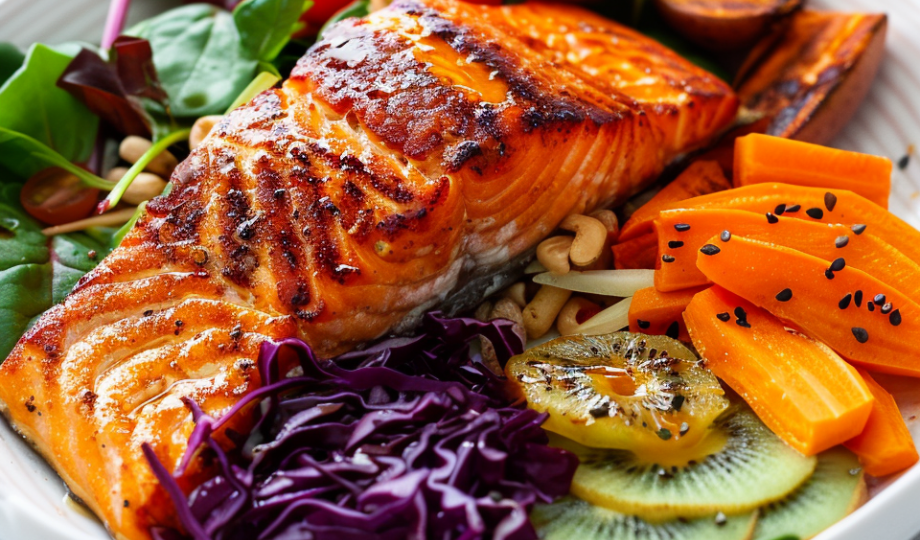
A protein-rich breakfast, such as eggs accompanied by fruit and seeds, helps stabilize energy from the morning. Lunch can combine vegetables, a protein source and whole grains. Dinner, lighter, will promote recovery and sleep. These simple adjustments help improve skin quality and facilitate weight loss.
The 5 key actions to reduce cortisol starting today
To summarize, here are the most effective actions, combined to transform results.
1 Daily cardiac coherence
5 minutes, 3 times a day. Inhale 5 sec, exhale 5 sec.
2 Sleep quality
Regular bedtime, cool room, no screens 30 min before.
3 Gentle physical activity
Walking, yoga, Pilates or swimming. Avoid overly intense sessions.
4 Stabilizing nutrition
Protein at each meal, complex carbohydrates, reduced sugars.
5 Reducing mental load
Journaling, structuring your day, breaks without a phone.
Training to go further: integrating nutrition into your practice
Understanding the link between cortisol, stress, skin and weight loss requires solid knowledge. It is within this framework that the nutrition support training offered by AFEEM allows professionals to integrate these concepts into their practice.
Nutrition is a powerful lever. When used properly, it can deliver impressive results, sometimes even where technology alone reaches its limits.
Conclusion: what if cortisol were the key to your results?
Cortisol is invisible, but its effects are major. It can slow down weight loss, degrade skin quality and limit the effectiveness of aesthetic treatments. But once understood and regulated, it becomes an extraordinary lever.
Today, the professionals who stand out are those who integrate this dimension into their approach. Technology remains an essential pillar, but it becomes more effective when it is part of a global approach.
And you, are you ready to move from a technical approach… to a global and truly transformative approach?
FAQ – Cortisol, stress and aesthetics
Can cortisol prevent weight loss?
Yes, high cortisol levels promote fat storage, particularly abdominal fat, and slow metabolism, making weight loss more difficult even with consistent efforts.
Does stress affect the skin?
Yes, stress increases cortisol, which can cause inflammation, adult acne and accelerated skin aging.
How to reduce cortisol naturally?
Through cardiac coherence, an adapted diet (protein, complex carbohydrates), quality sleep and gentle physical activity such as yoga or walking.
Share





















































Vos informations ont bien été mises à jour.
Cette fenêtre se fermera automatiquement dans quelques secondes...
Cette fenêtre va se fermer automatiquement dans 3 secondes...
Veuillez saisir l'adresse email rattaché à votre compte client pour recevoir un lien de réinitialisation de votre mot de passe.
Vous pouvez maintenant commander et suivre vos commandes. Cette fenêtre va se fermer automatiquement dans 5 secondes...