
Share


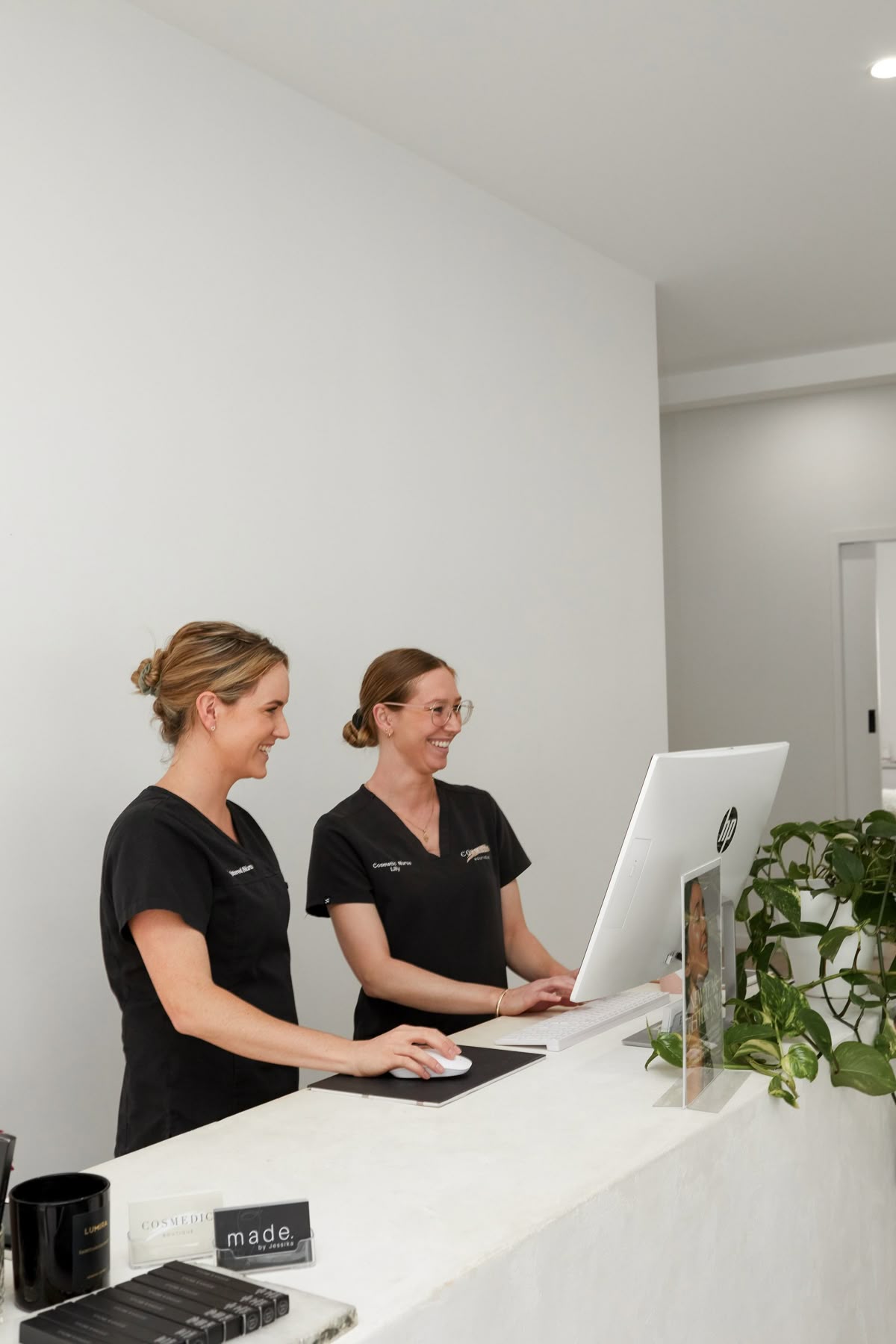
You have a fully booked schedule. Your clients are loyal. Yet your revenue isn’t really growing. You’re working just as much, sometimes more, and the financial outcome still doesn’t meet your expectations.
This feeling is common in the industry, and it almost always points to the same issue: not a lack of clients, but an average basket size that’s too low.
Calculating and analyzing key indicators such as break-even point, margins, and average basket size are now essential to managing your business. Yet most professionals do not actively manage this metric. They endure their revenue instead of building it.
Average basket size in aesthetics: what does the market really look like?
Before discussing strategy, let’s look at real figures. According to Xerfi, a specialist in sector analysis, the average spend per visit in beauty salons in France is €75. This figure hides a more nuanced reality: centers focused on traditional services often plateau between €37 and €50, while institutes integrating high-performance technologies regularly exceed €100 per visit.
What these numbers reveal is valuable: there isn’t one market, but several coexisting markets. A center with a €45 average basket and one with €120 can be located on the same street, target similar clients, and generate radically different revenues. The variable isn’t client flow—it’s the value of each appointment.
Additional cosmetic product sales significantly increase the average basket. Clients spend an additional €20 to €30 on products during their visit, on top of their treatments.
The calculation that changes everything
A center with 150 monthly appointments at €50 generates €7,500 in revenue. The same center, with the same number of appointments but an average basket increased to €85, generates €12,750. That’s a 70% increase in revenue, without a single additional client, without expanding the premises, without working an extra day. This is the most underestimated lever in professional aesthetics.
Why most beauty salons don’t work on their average basket
The E.S.B.E. survey highlights structural and strategic weaknesses that hinder the development of beauty salons, including an inability to make strategic decisions regarding investments or pricing.
In practice, this results in three very common behaviors.
First, waiting for the client to ask. They almost never will. It’s not passivity—they simply don’t know what exists, what would be relevant, or what would improve their results. That’s precisely your role: to guide them.
Second, setting prices based on competitors. Pricing should not be based on competitors or partner brand recommendations. Learning to calculate your own cost price is essential. A professional who doesn’t know their cost price cannot build a coherent pricing strategy and will never know whether they are making or losing money on each treatment.
Finally, offering too many options without structure. Too much choice kills decision-making. A client faced with a menu of 40 treatments without a clear direction will only choose what they already know—and leave with the same service every time.
5 practical levers to increase your average basket
1. Smart complementary treatments: create meaning, not sales
The most effective upselling logic isn’t commercial—it’s clinical. The question is not “what can I sell more?” but “what will improve my client’s results?”
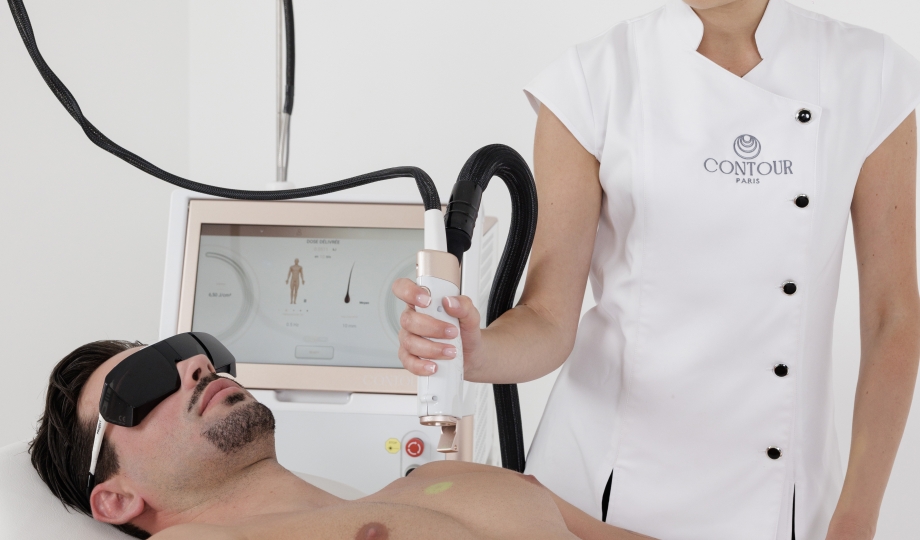
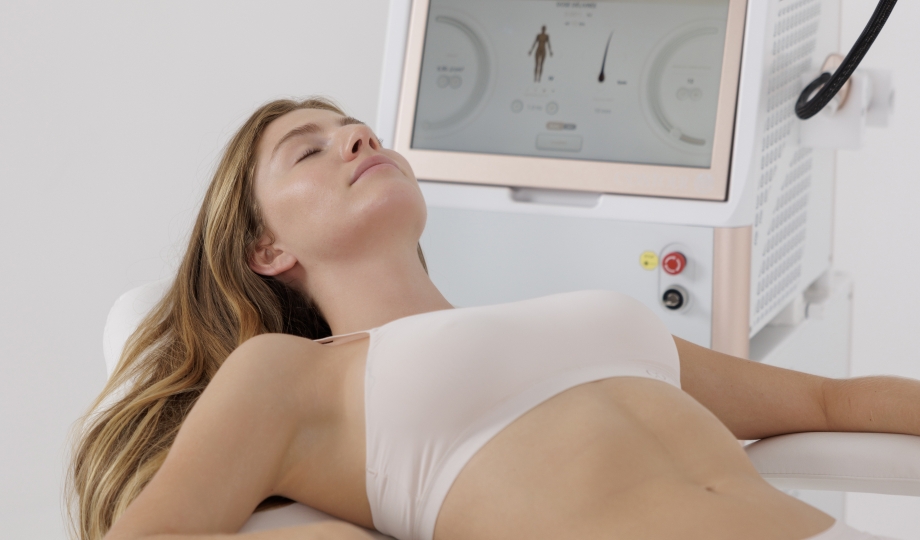
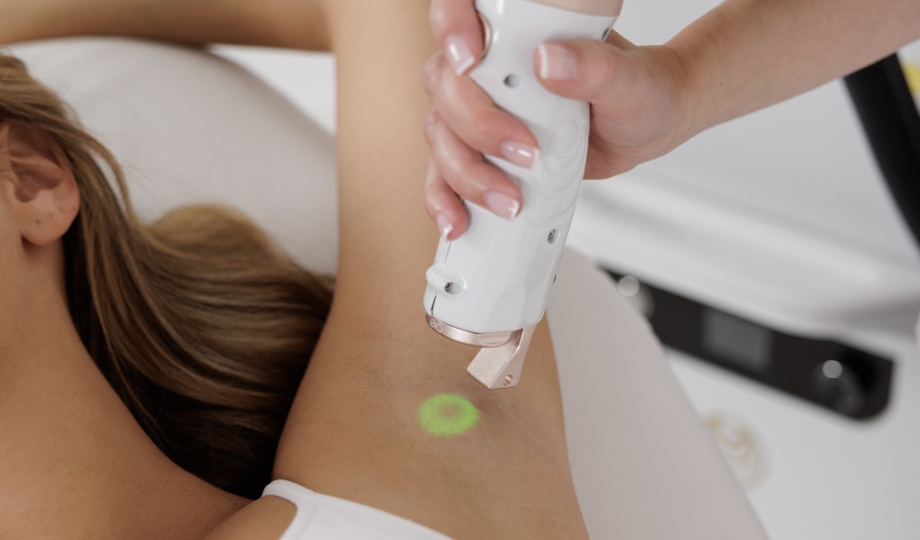
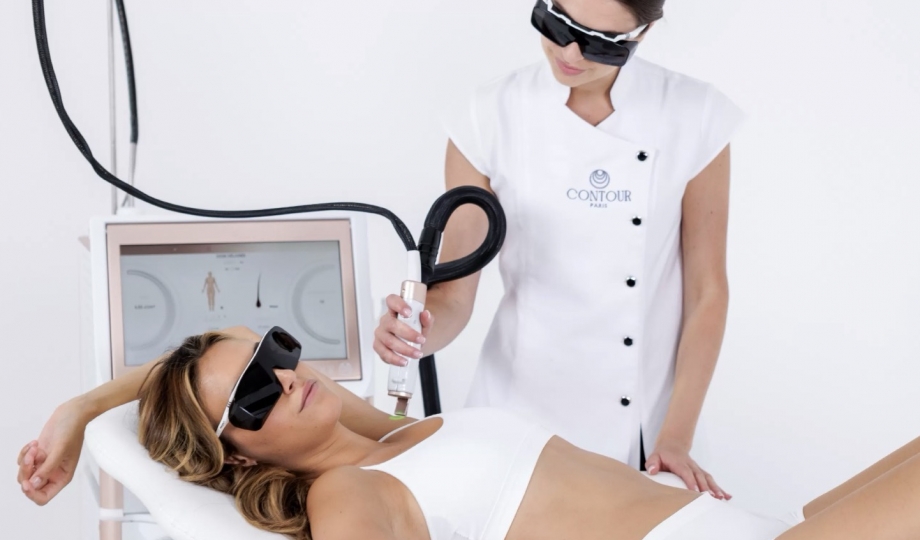
A client coming for laser hair removal has skin that will be sensitized. A soothing post-laser treatment, anti-inflammatory LED therapy, or enhanced hydration isn’t an extra—it’s a logical complement that improves results, reduces discomfort, and accelerates recovery.
This mindset shift is fundamental. When the recommendation makes sense, it no longer feels like selling—and the client feels it. They accept because they understand why.
2. Signature protocols: sell an experience, not a service
An "à la carte" service has limited perceived value. A packaged protocol with a name, intention, and promise of results has much higher perceived value—and can be sold at a price that the same individual treatments wouldn’t justify.
The market is shifting toward higher average baskets driven by high-margin services. “Unique” high-value treatments, although more expensive, attract clients seeking expertise and results.
A “Glow Skin Protocol” including deep cleansing, enzymatic exfoliation, vitamin C serum, massage, and protection, priced at €130, will be perceived very differently than the same steps listed separately. The effect is immediate: your center is positioned as a place of expertise, not standard services.
A signature protocol serves three purposes: it increases the average basket, simplifies recommendations, and strengthens your brand image.
3. Treatment packages: the most powerful profitability lever
A client who books single sessions generates uncertain revenue and weak loyalty. A client enrolled in a package creates long-term commitment, predictable revenue, and stronger motivation to complete the protocol—improving results, satisfaction, and word-of-mouth.
The average basket for a structured slimming program ranges from €600 to €1,500 depending on the technology and support. A full laser hair removal package ranges from €400 to €900 depending on areas. Compared to €50–€90 single sessions, the impact on monthly revenue is dramatic.
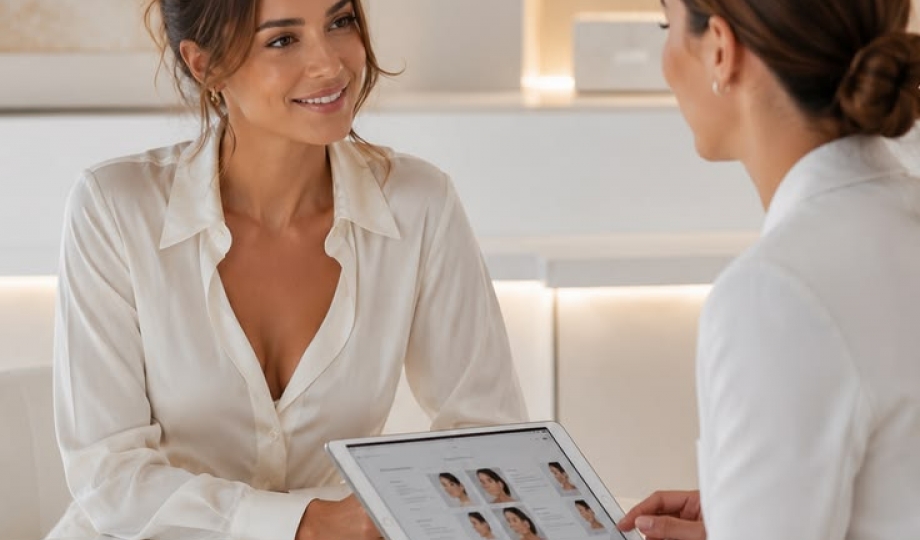
To sell packages effectively, three elements are essential: a personalized assessment, a clear projection of results step by step, and a written treatment plan the client can take home. This transforms the package into a mutual commitment and reduces dropouts.
4. High-performance technologies: justify price through results
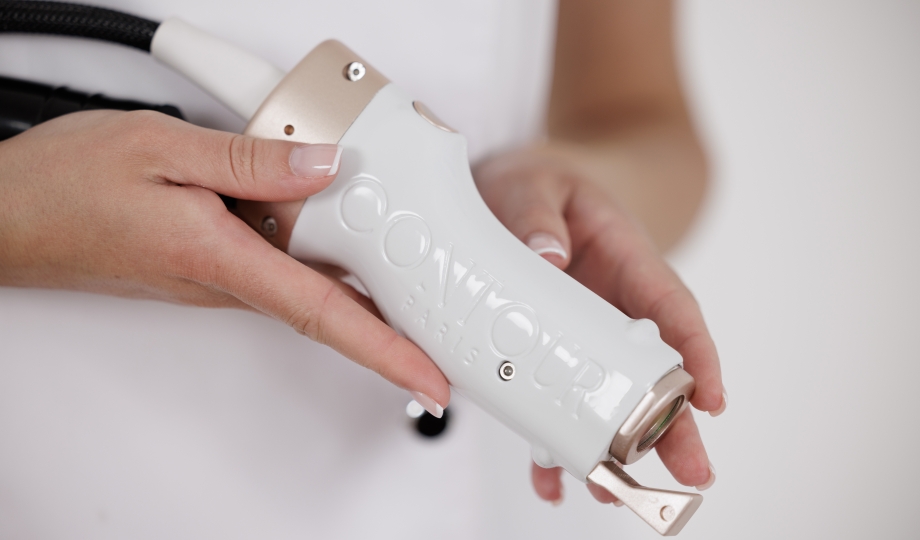
Salons are evolving by integrating technology. “A woman who finishes her laser hair removal sessions is not a lost client”—technology builds loyalty by opening the door to other treatments.
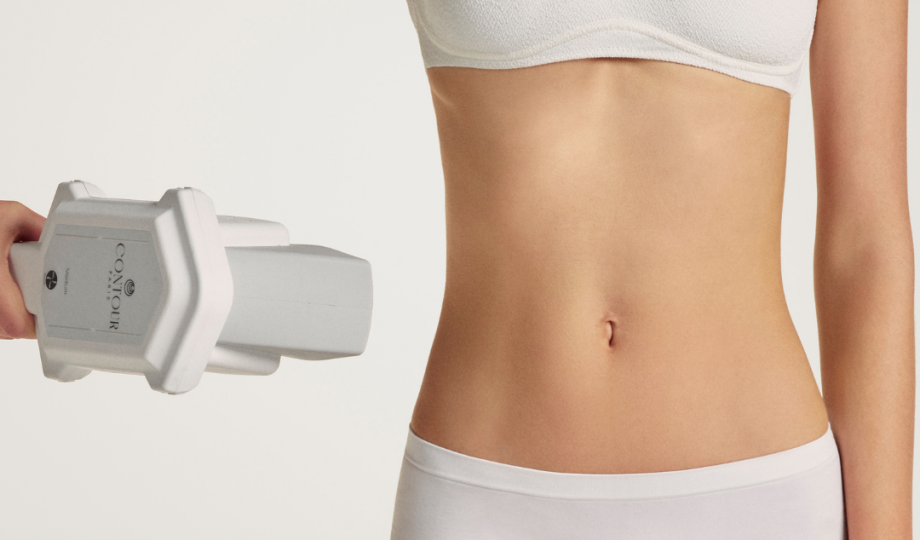
This is the core model of high-performing centers: they invest in technologies that deliver visible, fast results. These results do the selling. A client who sees real improvement after three radiofrequency sessions doesn’t need convincing—they ask to continue.
Technology choice is strategic. It must meet three criteria: proven and reproducible results, certified safety (CE marking Annex XVI), and strong commercial support. A machine purchased without training or profitability strategy is a cost, not a lever.
5. Recommendation skills: the most profitable competence
You can have the best technology, protocols, and pricing—if your communication doesn’t follow, nothing will sell.
The difference between a professional who sells naturally and one who doesn’t lies in expertise, not personality. An esthetician who understands cellular mechanisms, laser effects, or peeling processes doesn’t “sell”—they explain. And explanation is always more convincing than a sales pitch.
Three principles: speak benefits before technical details, translate mechanisms into visible results, and never end an appointment without at least one relevant recommendation. Clients won’t ask—they don’t know what exists. Guiding them is what distinguishes an expert.
Positioning: you can’t raise your average basket without aligning your image
This is the hardest but most important truth: moving upmarket only works if your overall positioning supports it.
Institutes are shifting toward less frequent but higher-value clients. Specialization and perceived value drive higher basket sizes.
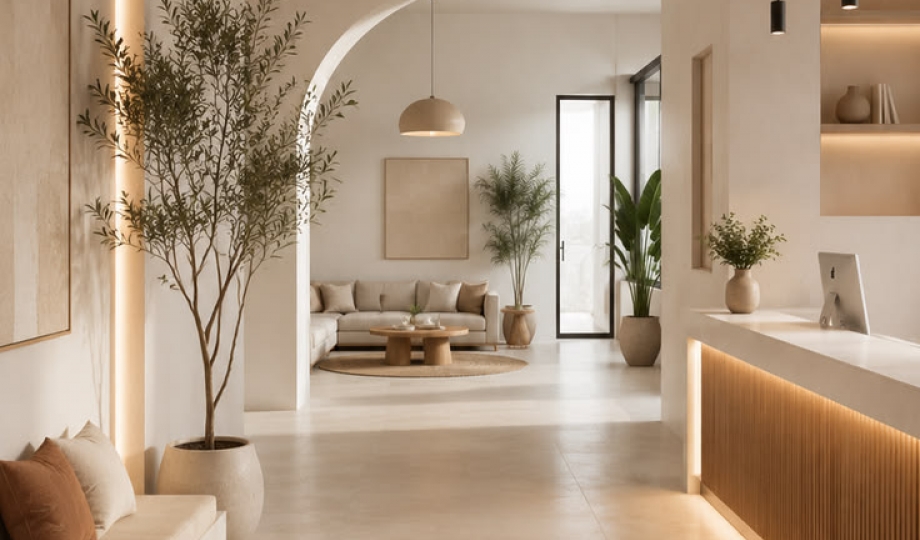
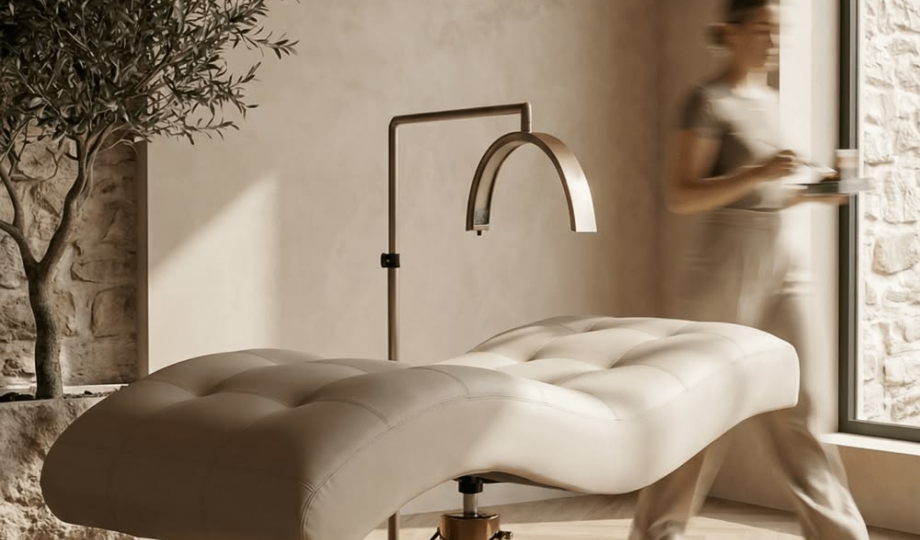
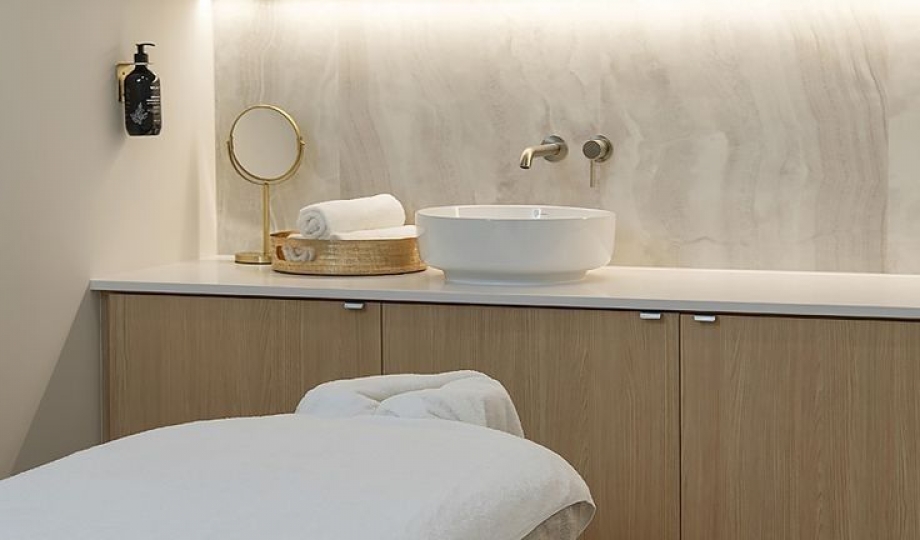
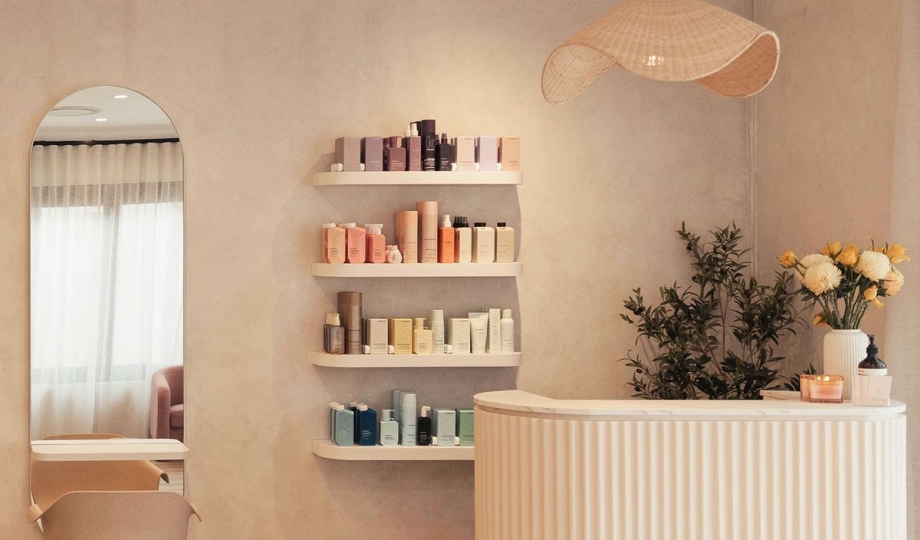
Your reception, treatment room, communication materials, uniforms, and vocabulary must align with your pricing. A client in a credible, expert environment won’t hesitate at €800. In a less credible one, they’ll hesitate at €150.
Positioning isn’t about budget—it’s about consistency.
Continuous training: the multiplier investment
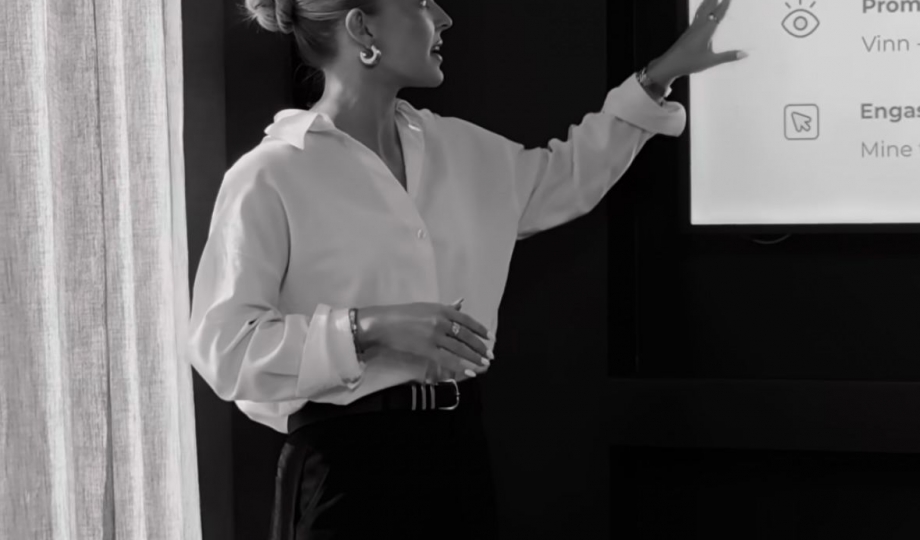
Increasing your average basket requires two skills rarely taught: deep physiological knowledge and commercial confidence.
Beauty training focuses on techniques, not business management. Managers must train in business skills to ensure sustainability.
Specialized programs exist, notably through AFEEM, supporting professionals in developing their business.
Action plan: where to start this week
This week: calculate your real average basket. Divide last month’s revenue by number of appointments. If below €75, you have an immediate opportunity.
Within two weeks: identify three logical treatment combinations.
Within a month: create one signature protocol.
Within three months: structure your first package.
Conclusion: work smarter, not more
The goal isn’t to turn your salon into a sales machine. It’s to ensure each appointment reflects your true value—and that your income matches the care you provide.
Increasing your average basket means making your value visible. Not forcing it. Not discounting it. Making it visible.
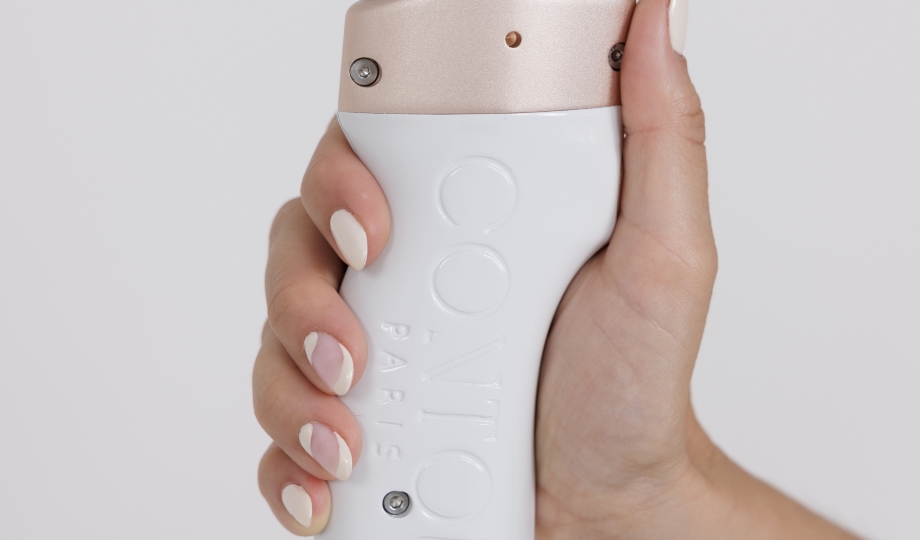
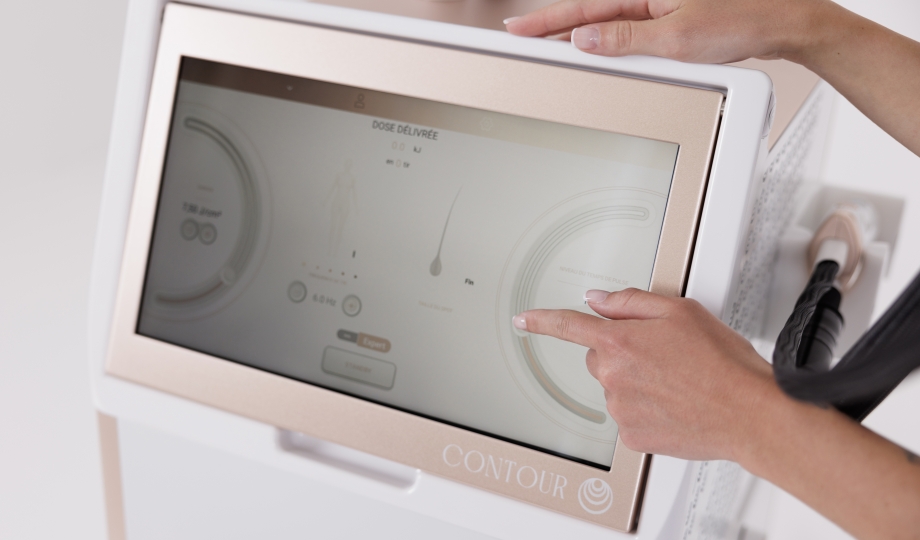
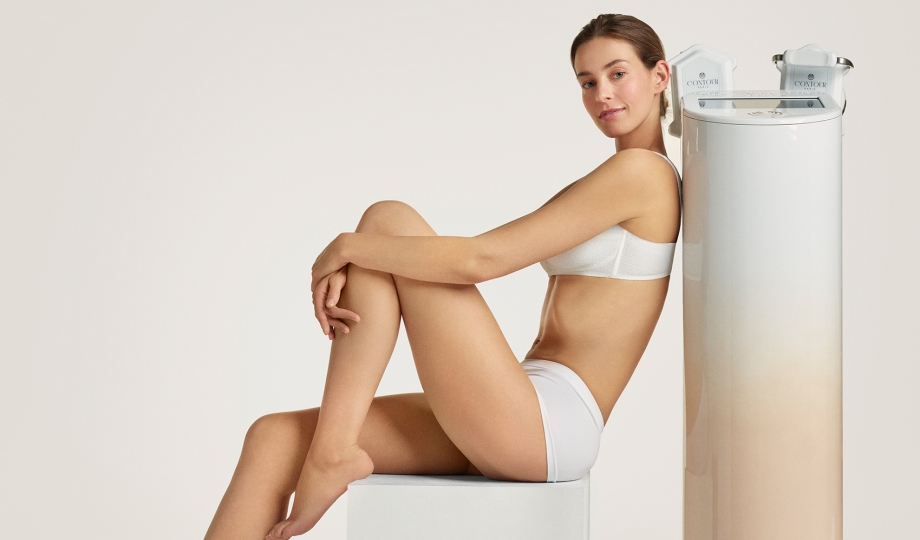
Want to structure your offer around high-performance, profitable technologies? Discover Contour Paris solutions.
FAQ — Average basket in aesthetics
What is the average basket in France?
€75 per visit. Tech-focused institutes exceed €100.
How to increase it without hard selling?
Adopt an expert recommendation approach.
Are packages more profitable?
Yes—higher revenue, loyalty, and results.
Should you invest in technology?
Yes, it’s the most powerful lever mid-term.
Why is my average basket stagnating?
Lack of structured offers, weak recommendations, and poor pricing strategy.
Share









































Vos informations ont bien été mises à jour.
Cette fenêtre se fermera automatiquement dans quelques secondes...
Cette fenêtre va se fermer automatiquement dans 3 secondes...
Veuillez saisir l'adresse email rattaché à votre compte client pour recevoir un lien de réinitialisation de votre mot de passe.
Vous pouvez maintenant commander et suivre vos commandes. Cette fenêtre va se fermer automatiquement dans 5 secondes...