
Share



There are two ways to run a beauty institute. The first is to simply work, stack appointments back to back, check your bank account at the end of the month, and hope it’s enough. The second is to manage strategically—that is, to measure, understand, adjust, and make decisions based on real data.
Calculating and analyzing key indicators such as break-even point, margins, and average ticket is now essential to effectively run your institute. Yet many managers lack the tools and skills needed to manage their business efficiently. Beauty studies primarily focus on technical expertise, with little in-depth training in business management. (Source: E.S.B.E. Survey, Les Nouvelles Esthétiques, January 2025).
This guide gives you the keys to transform your day-to-day management: for each KPI presented, you will find its calculation formula, benchmark thresholds, and concrete action levers you can activate right away. These tools are not reserved for large groups or well-resourced centers—any motivated professional can implement them, at their own pace, with the means they have.
Ready to get started?
Why KPIs are essential—not just useful
A KPI is not just another Excel spreadsheet. It’s an early warning signal and a decision-making tool. It tells you—before the problem is visible to the naked eye—that something is going off track, or on the contrary, that a strategy is working and deserves to be scaled.
The most commonly analyzed indicators in the industry include cabin occupancy rate, productivity per cabin, average ticket, customer recurrence, and retail share. Improving these KPIs mechanically increases the valuation of a center, whether for growth or resale. (Source: Scale2Sell, 2024).
The SMART principle applied to KPIs
For a KPI to be useful, it must be Specific, Measurable, Achievable, Realistic, and Time-bound. Wanting to “increase revenue” is too vague to be actionable. “Increase the average ticket from €65 to €85 within 3 months” is a KPI you can actually work with. (Source: Treatwell Business, 2023).
KPI 1 — Cabin Occupancy Rate
Calculation formula
Number of treatment hours performed ÷ Number of treatment hours available × 100
Benchmark thresholds
Below 50%: structural issue (visibility, offer, or pricing).
Between 50% and 65%: acceptable, with significant room for improvement.
Between 65% and 80%: healthy activity level.
Between 75% and 85%: ideal range.
Above 90%: consider expansion or hiring.
(Source: VM Esthétique Pro / Expertise Spa Bien-Être).
What this KPI reveals
This KPI helps identify peak and off-peak periods, detect underutilized services, and optimize appointment scheduling. No-shows account for an average of 8% to 12% of lost time slots, making them the primary enemy of occupancy rate.
Immediate action lever
Set up automatic SMS reminders 24 hours before appointments. With no additional daily effort, this single action can reduce no-shows by 30% to 50%.
KPI 2 — Average Ticket
Calculation formula
Total revenue ÷ Number of appointments over the same period
Benchmark thresholds
An average ticket above €60 indicates good value positioning. The industry average stands at €75 per visit according to Xerfi. Centers integrating advanced technologies regularly exceed €100. (Source: Xerfi, business plan models 2024).
What this KPI reveals
A stagnant average ticket despite a full schedule is the clearest sign of an issue with recommendations, offer structuring, or pricing strategy. This KPI measures the effectiveness of upselling and the relevance of your pricing and service positioning.
Immediate action lever
Identify the 10 most sold services and define a logical add-on for each. A systematized pairing often generates an additional €15 to €25 per appointment, without acquiring a single new client.
KPI 3 — Customer Retention Rate
Calculation formula
(Number of returning clients ÷ Total number of active clients at the start of the period) × 100
Benchmark thresholds
A rate above 70% indicates good health. Below 50% is a warning signal. A salon should expect to lose around 10% of its client base each year. (Source: Inspiring Champions, cited by Treatwell Business).
What this KPI reveals
According to a Harvard Business Review analysis, increasing retention can boost revenue by 60% to 100%. The probability of selling to a loyal client is 35%, compared to 15% for a new client. And 42% of regular clients generate 80% of sales. (Source: Zenoti Beauty & Wellness Benchmark Report 2025). Yet only 20% of centers have an effective loyalty system in place. (Source: E.S.B.E. Survey, 2025).
Immediate action lever
Implement systematic post-treatment follow-up: a personalized message 48 hours after the session, a reminder at 6 to 8 weeks if no new booking has been made, and a treatment package offer at the end of each completed protocol.
KPI 4 — Gross Margin per Service
Calculation formula
(Sales price excl. VAT − Direct variable costs) ÷ Sales price excl. VAT × 100
Benchmark thresholds
Gross margin should reach at least 60% to ensure viability. Fixed costs should remain below 50% of revenue. (Source: business plan models / Xerfi.)
What this KPI reveals
Not all services generate the same margin. Analyzing profitability per service—after deducting variable costs (consumables, labor, commissions)—highlights high- and low-contribution services. An €80 treatment requiring €40 in products does not yield the same margin as a €60 LED treatment with €3 in consumables.
Immediate action lever
Identify the 5 highest-margin services and highlight them in your center’s communication. Technology-based treatments (cryolipolysis, pressotherapy, radiofrequency) generate high-ticket packages with low execution costs.
KPI 5 — Revenue per Productive Hour
Calculation formula
Revenue for the period ÷ Number of treatment hours performed
Benchmark thresholds
Below €40: pricing or productivity issue.
Between €60 and €80: acceptable level.
Above €100: center positioned on high-value services.
Premium tech-driven centers target €120 to €150 per hour.
What this KPI reveals
Two centers with the same opening hours can generate very different revenues depending on the services offered. A practitioner performing a €120 radiofrequency treatment in 60 minutes generates as much revenue as someone performing multiple lower-priced services—but with significantly higher margins and client engagement.
Immediate action lever
Reorganize your schedule to place tech-based treatments at the beginning and end of the week (lower demand periods), and reserve peak slots for high-margin services or treatment consultations.
KPI 6 — Contact-to-Appointment Conversion Rate
Calculation formula
Number of confirmed appointments ÷ Total number of contact inquiries × 100
Benchmark thresholds
Below 50% indicates an issue in the booking process or pricing communication.
Above 75% reflects strong conversion.
What this KPI reveals
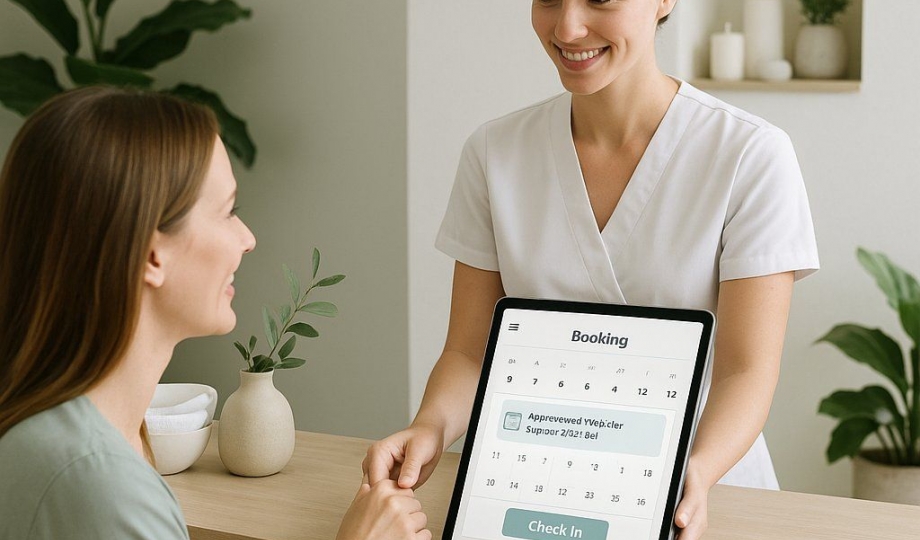
This KPI highlights friction points in the client journey and front-desk management. It helps assess the impact of online booking vs phone calls and identify reasons for non-conversion: availability, pricing, lack of information. 85% of institutes are now equipped with online booking tools, making this KPI easily measurable. (Source: Scale2Sell, 2024).
Immediate action lever
Analyze unconverted messages and calls over a one-month period. In most cases, barriers relate to pricing (a free consultation often removes resistance), availability (offer off-peak slots), or lack of clarity about the treatment.
KPI 7 — Retail Share of Revenue
Calculation formula
Product sales revenue ÷ Total revenue × 100
Benchmark thresholds
Below 5% indicates a largely untapped opportunity.
Top-performing centers reach 15% to 20%.
What this KPI reveals
Retail is a key diversification lever and often offers better margins than services alone. Clients spend an average of €20 to €30 on products per visit, in addition to treatments. (Source: business plan models, sector data 2024).
Immediate action lever
Systematically include a product recommendation at the end of each treatment, based on what you’ve observed on the client’s skin. This is not perceived as selling, but as a continuation of the treatment at home.
KPI 8 — Monthly Break-Even Point
Calculation formula
Monthly fixed costs ÷ Average gross margin rate
Example: €5,000 fixed costs ÷ 0.65 (65% margin) = €7,692 minimum monthly revenue
Benchmark thresholds
EBITDA typically ranges between 8% and 15% of revenue for a well-managed institute. Below 8% indicates fragility. Above 20% reflects excellent management. (Source: Qonto / business plan models 2025).
What this KPI reveals
Most managers don’t know their actual break-even point. They assess whether a month “went well” intuitively, without knowing when they truly start generating profit. This lack of clarity often leads to underpricing.
Immediate action lever
Calculate this threshold once a year and display it in your management space. Each month, track cumulative revenue week by week against this benchmark. Visualization alone drives behavioral change.
Eight KPIs can feel overwhelming at the start. Here’s a simplified dashboard with a realistic tracking frequency:
| KPI | Frequency | Target |
|---|---|---|
| Cabin occupancy rate | Weekly | 75–85% |
| Revenue vs break-even | Weekly | > weekly threshold |
| Average ticket | Monthly | > €75 |
| Revenue per productive hour | Monthly | > €80 |
| Retail share | Monthly | 10–20% |
| Retention rate | Quarterly | > 70% |
| Conversion rate | Quarterly | > 65% |
| Gross margin per service | Quarterly | > 60% |
Most booking management software (Planity, Treatwell Pro, Mindbody) automatically calculate several of these KPIs. The challenge is not producing them—it’s reviewing them regularly and making decisions based on them.
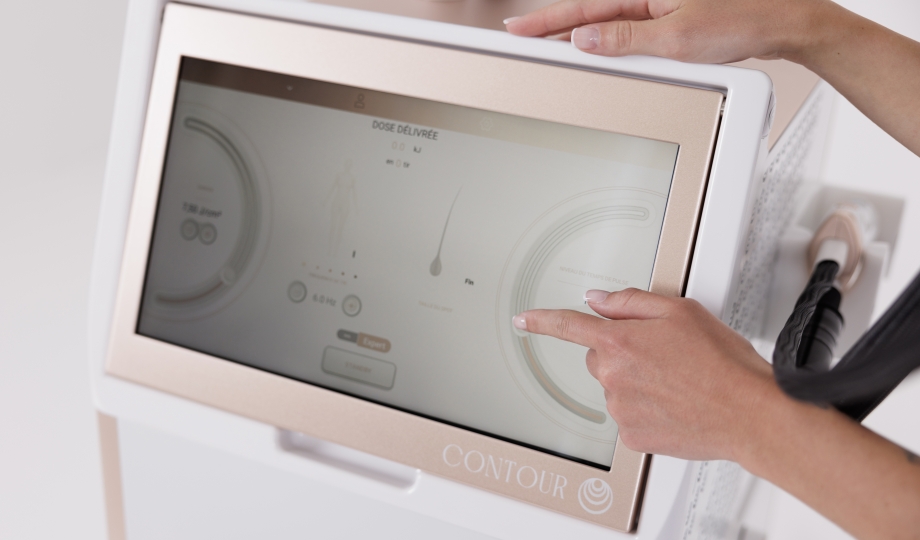
There is a direct relationship between your KPIs and the technologies you offer. A center relying solely on manual treatments will structurally have lower hourly revenue, a lower average ticket, and weaker long-term retention.
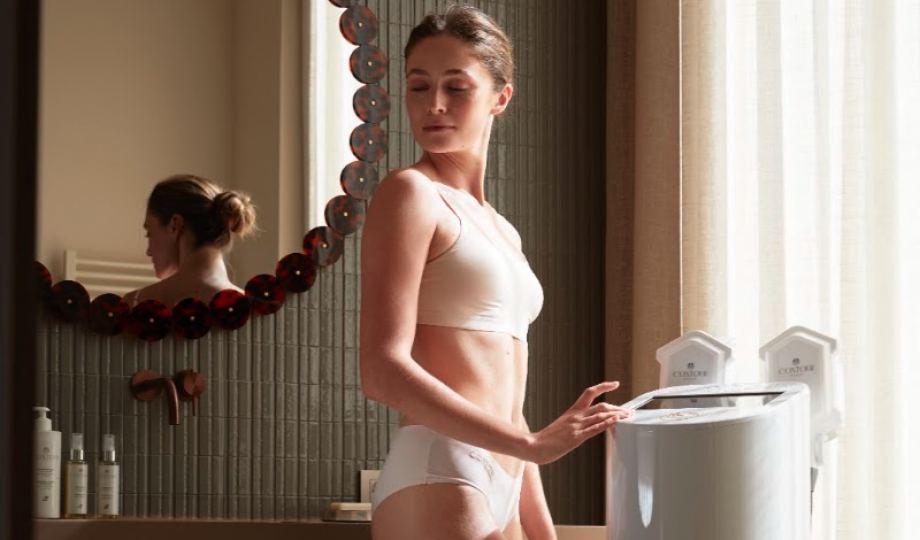
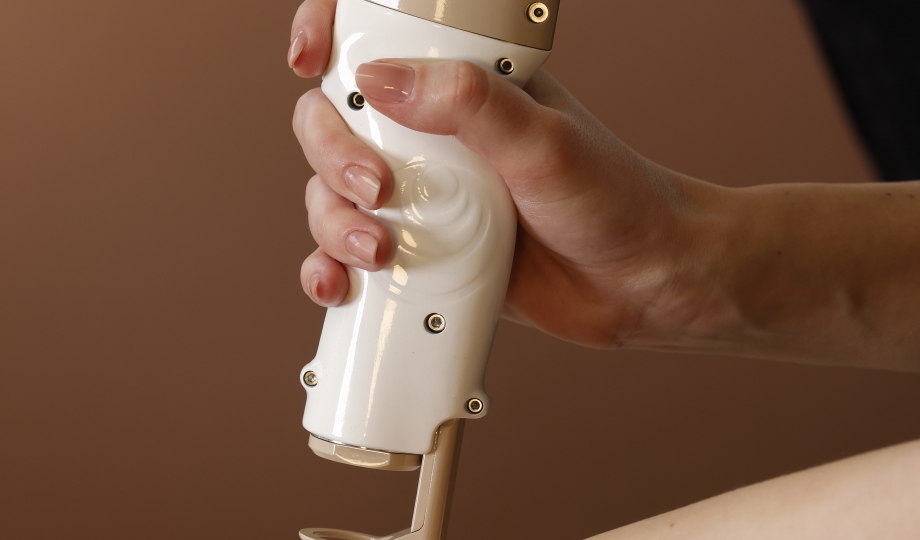
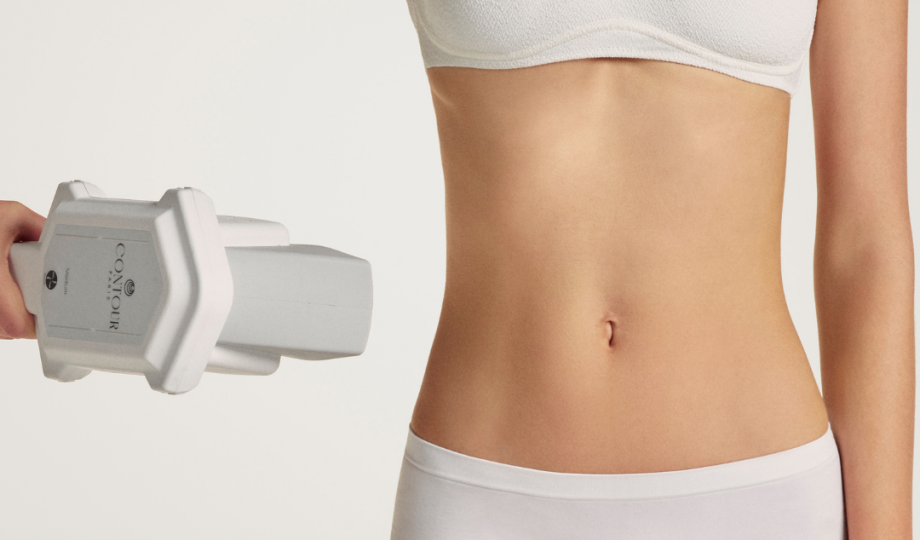
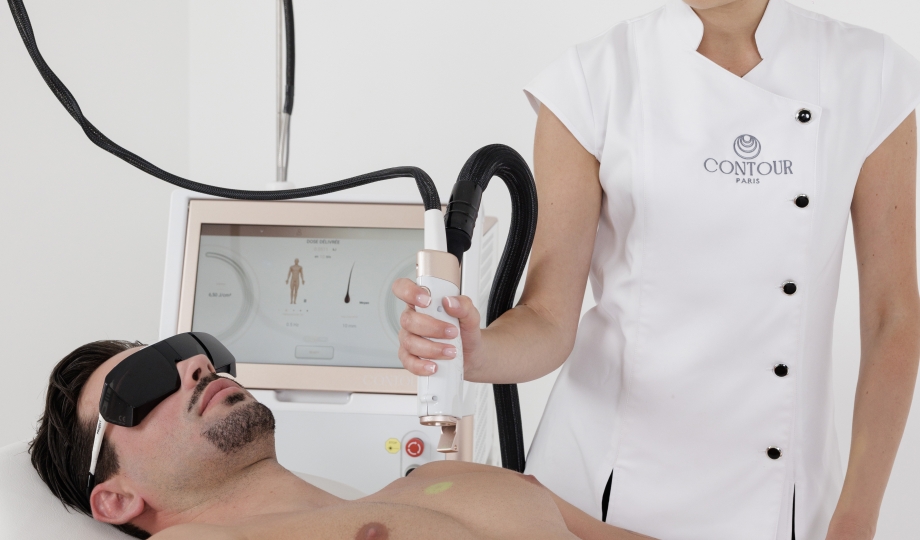
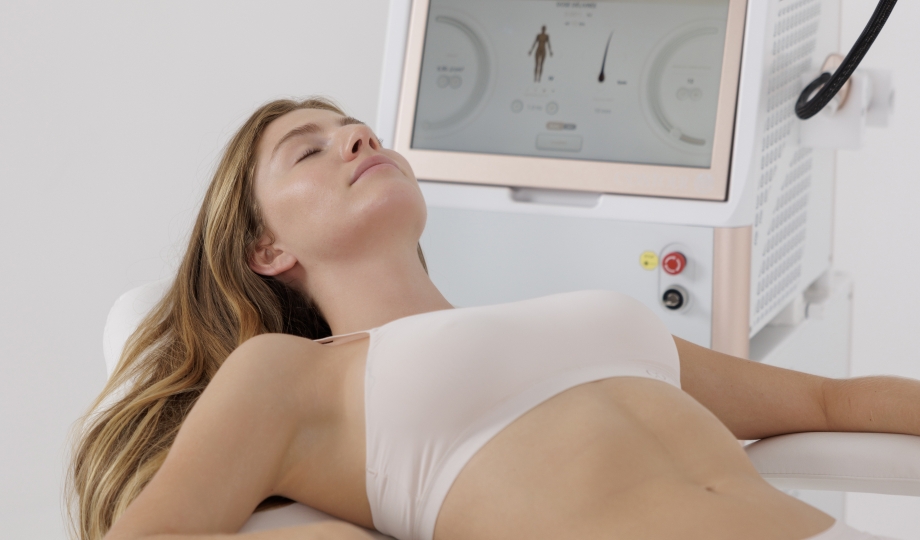
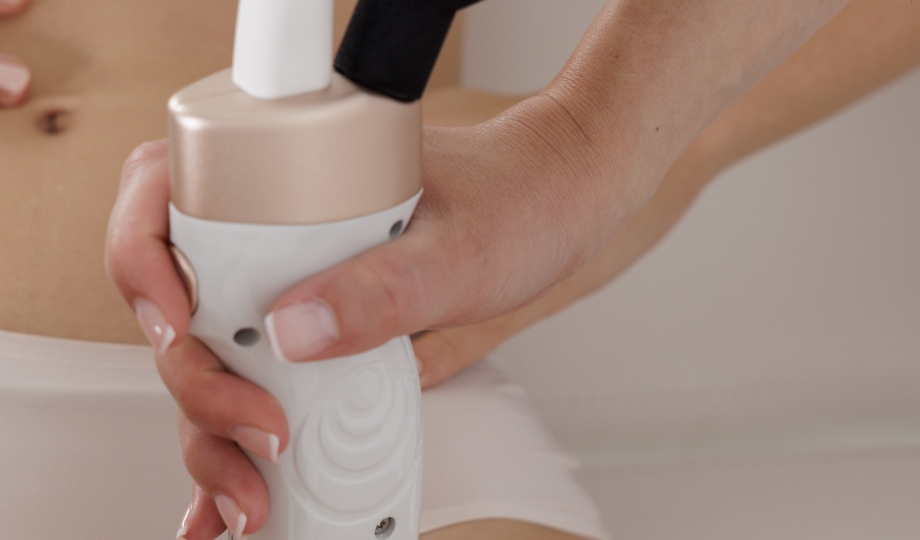
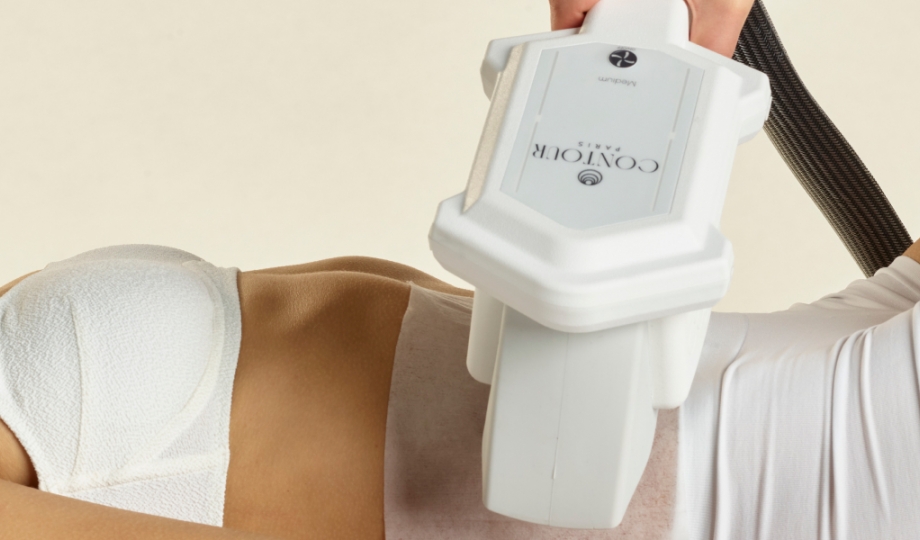
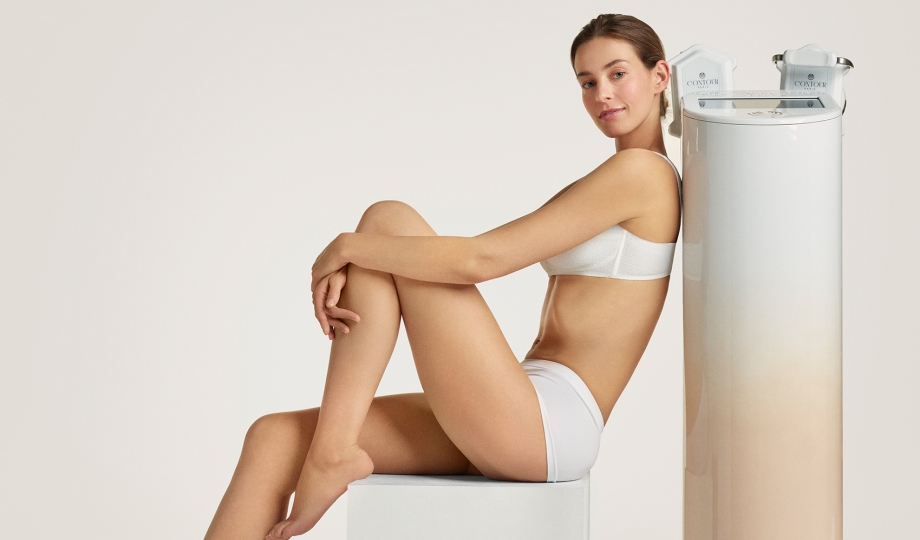
Slimming devices such as cryolipolysis generate high-value packages with low execution costs. The results drive client retention and word-of-mouth. In other words, a well-chosen technology simultaneously improves multiple KPIs: higher average ticket, better retention, and increased hourly revenue.
This is why technology investment should never be evaluated solely on purchase cost, but on its impact across your entire dashboard. A €25,000 device that increases hourly revenue from €60 to €110 and retention from 55% to 75% pays for itself within months—and continues to generate value for years.
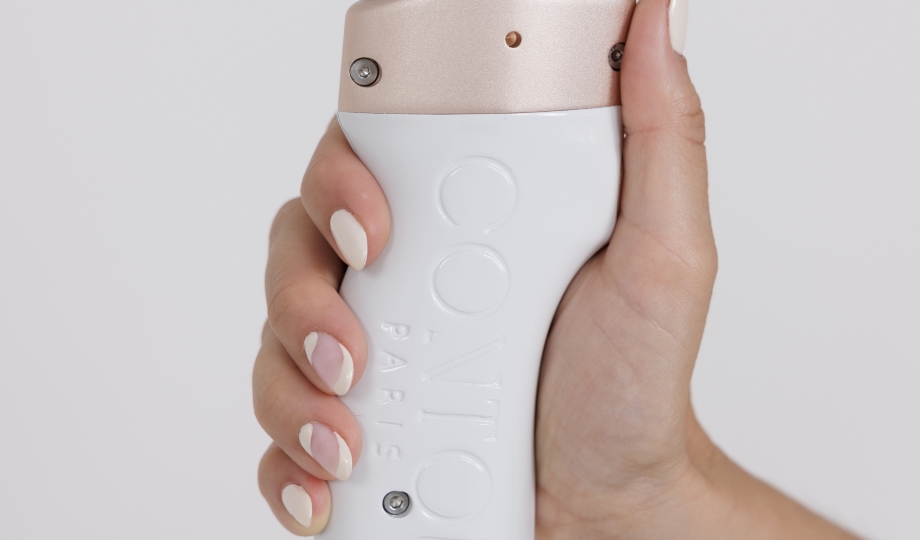
To go further in optimizing the profitability of aesthetic technologies and structuring treatment plans, the Contour Paris support program is specifically designed to address these challenges.
Mastering a dashboard is a skill that must be learned. It is neither innate nor taught in initial beauty training programs.
It is essential for beauty and wellness center managers to develop entrepreneurial skills. The E.S.B.E. survey shows that with the right tools and training, managers can transform their centers into truly profitable businesses.
Specialized training programs combining management, financial analysis, and business development are available for professionals in aesthetics and paramedical fields, notably through AFEEM.
A beauty institute without a dashboard is like a plane without instruments. You can fly in clear weather—but as soon as conditions change, you lose direction.
KPIs do not add administrative burden. They replace the anxiety of “Is this working?” with the clarity of “This is working, this needs to change.” They enable data-driven decisions, help identify problems before they become crises, and amplify what already works.
Successful professionals don’t work more than others. They manage better.
What are the most important KPIs for a beauty institute?
Cabin occupancy rate, average ticket, retention rate, and break-even point are the four core indicators. Together, they cover most of a center’s commercial and financial performance.
How often should KPIs be tracked?
Occupancy rate and weekly revenue: weekly.
Average ticket and retail share: monthly.
Retention and margin per service: quarterly.
What occupancy rate should a profitable beauty center aim for?
Between 75% and 85% according to industry experts. Below 50% indicates a structural issue. Above 90% suggests expansion or hiring should be considered. (Source: VM Esthétique Pro / Expertise Spa Bien-Être).
How can retention be improved?
Through systematic post-treatment follow-up, rebooking reminders, and selling treatment packages instead of single sessions. 42% of regular clients generate 80% of sales—retention is the most powerful long-term profitability lever. (Source: Zenoti Benchmark Report 2025).
Do aesthetic technologies improve KPIs?
Yes—across multiple indicators: higher average ticket, increased hourly revenue, and improved retention thanks to visible and progressive results. Technology investments should be evaluated based on their overall impact on your dashboard, not just their purchase cost.
Share




















































Vos informations ont bien été mises à jour.
Cette fenêtre se fermera automatiquement dans quelques secondes...
Cette fenêtre va se fermer automatiquement dans 3 secondes...
Veuillez saisir l'adresse email rattaché à votre compte client pour recevoir un lien de réinitialisation de votre mot de passe.
Vous pouvez maintenant commander et suivre vos commandes. Cette fenêtre va se fermer automatiquement dans 5 secondes...