Male Clientele in Beauty Institutes: A Real Opportunity or Just a Trend? What the Numbers Really Say
“Men are entering beauty institutes”, “the male market is booming”, “men’s beauty, the new goldmine”... You have surely come across these headlines. We have reviewed the most recent industry study to separate fantasy from real opportunity. Spoiler: the male market does exist, but not where people are trying to sell it to you, and not in the way they are presenting it. Here is what you need to know.
What the Numbers Really Say — and Why They Contradict One Another
Let’s start with the facts, and only the facts.
The study conducted by OPCO EP for the beauty and cosmetics sector — the most reliable source available to the profession, based on a survey of 1,499 French people and more than 200 companies in the sector — provides several insights. Among respondents who visited a beauty institute or spa at least once during the year, men represented 10%. A 2024 market study, quoted in the same industry report, estimates that men account for around 12% of beauty institute clients, with attendance said to have doubled since 2013 — and, importantly, with a higher spend per visit than female clients.
But — and this is where the picture becomes more nuanced — one stakeholder in the value chain interviewed in the same study gives a much more modest figure: only around 3% of clients receiving beauty treatments in institutes are men, although this proportion is significantly higher in spas. The study itself concludes quite clearly that the male market is among the markets “developing at the margins”, alongside the children’s market.
So, 3%, 10%, 12%? The truth probably lies somewhere between these figures — and above all, it depends on what is being measured. A client who books a spa massage as a birthday gift and a regular client undergoing a course of permanent hair removal do not tell the same story. This distinction is precisely what should guide your strategy.
Why the “Male Market Is Booming” Narrative Can Work Against You
Let’s be honest: the story of the booming male market suits a lot of people. It sells training courses, “for men” product ranges and institute concepts. But building your strategy on a narrative rather than on data is the shortest route to an empty treatment room.
Three precautions are essential. First, the growth is real but starts from a very low base: doubling a confidential level of attendance always produces spectacular percentages — and modest volumes. Second, male clientele is concentrated: it is not evenly distributed across your treatment menu, but focuses on a few very specific services, which we will discuss shortly. Finally, the market is poorly estimated — the industry study itself acknowledges this. This statistical uncertainty should encourage you to reason from your own catchment area, not from national averages.
Operationally speaking: male clientele is not an automatic growth driver. It is a complementary segment with high unit value — fewer clients, but clients who spend more per visit and who, once loyal, become remarkably consistent. The industry study also notes that 5% of men receiving aesthetic treatments visit several times a month, compared with 3% of all respondents. Fewer clients, but better clients: this is the real face of the male market.
Where Male Demand Really Lies: Three High-Potential Areas
Hair Removal: The Number One Entry Point
Unsurprisingly, body hair is the first reason for male visits identified by the industry study, which cites needs “particularly related to hair growth” as a specific feature of this clientele. Chest, back, shoulders, beard contours: these are all areas where genuine demand exists, driven by changing male aesthetic codes.
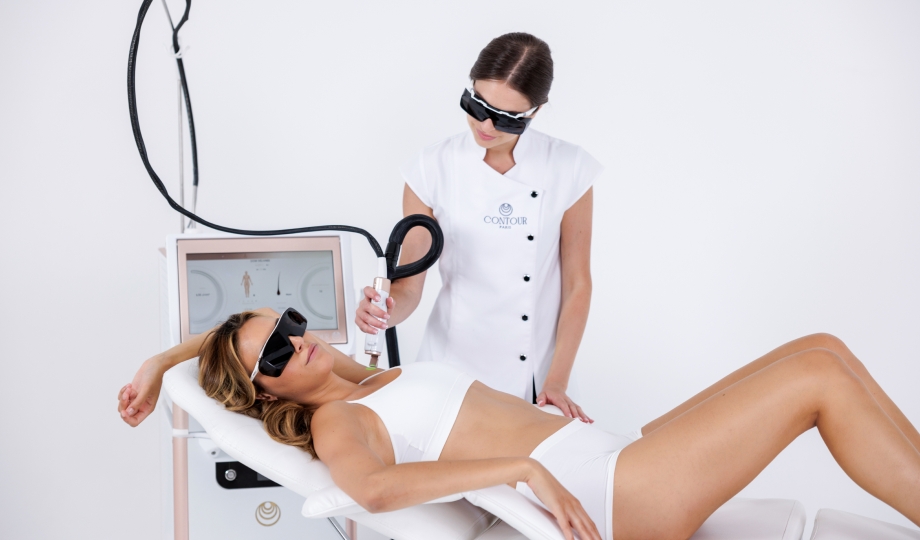
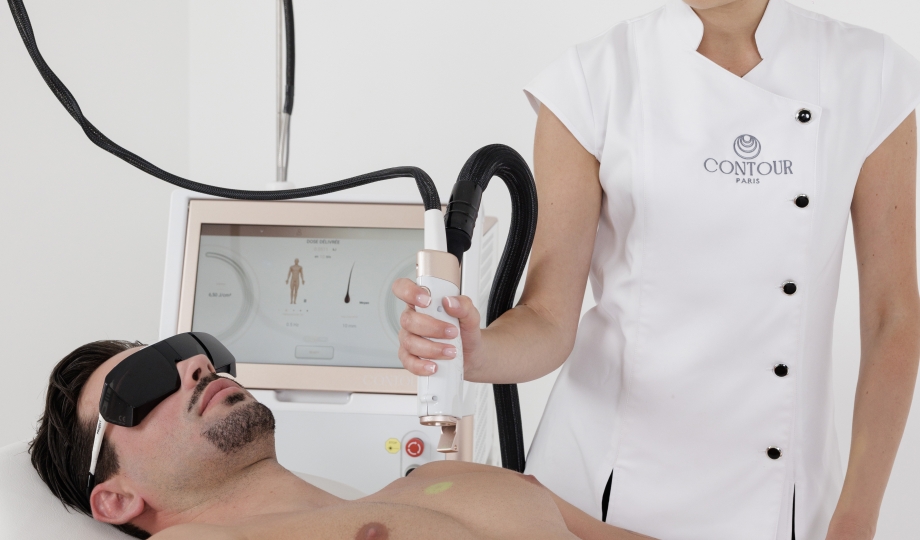
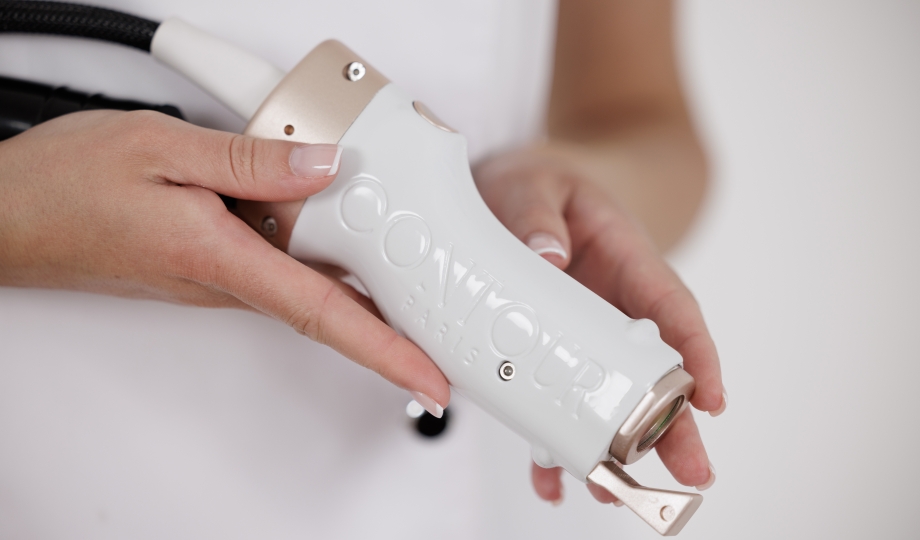
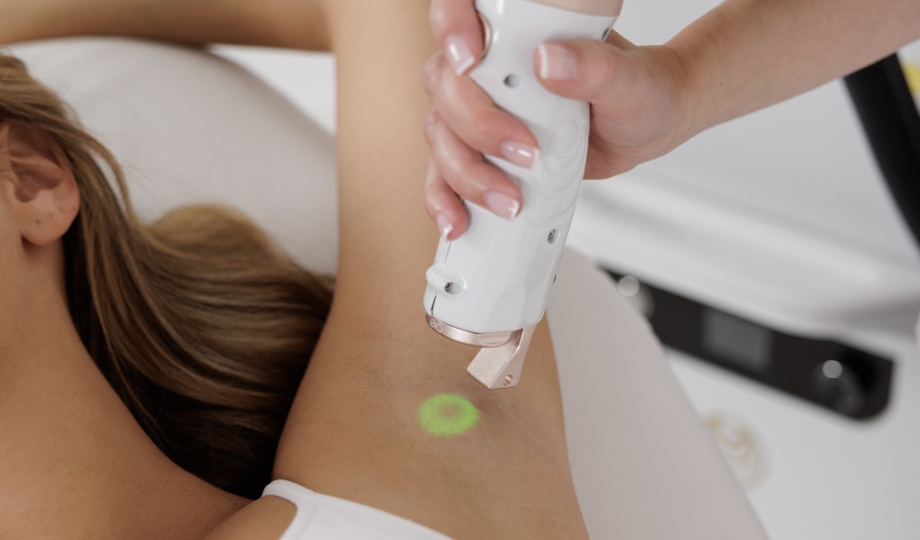
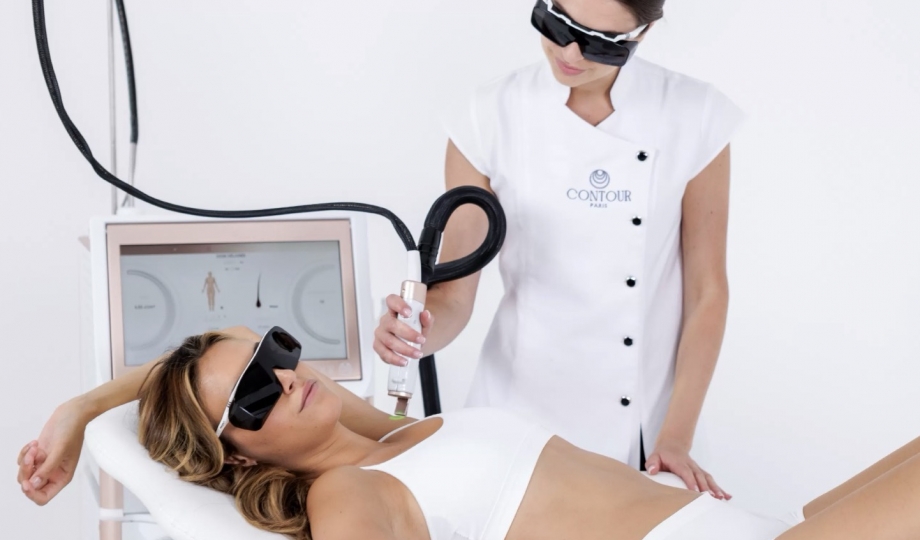
And this is where permanent hair removal changes everything. A man who waxes his back has an experience that is, let’s say, memorable — and rarely in a good way. The promise of long-lasting results, in just a few sessions, without the recurring chore, corresponds exactly to the pragmatic relationship this clientele has with treatments: an objective, a result, a timeframe. Since Decree No. 2024-470 of May 24, 2024, trained beauty professionals can perform non-therapeutic laser and intense pulsed light hair removal: the legal framework is now in place, and the potential market is there — the industry study reveals that 37% of respondents are considering permanent hair removal without having taken the step yet.
Spa and Wellness: The Most Natural Territory
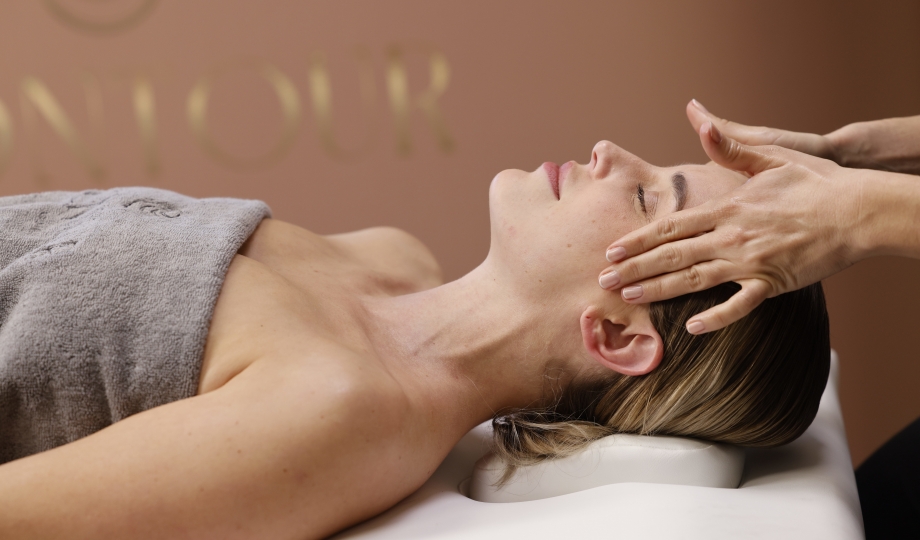
The second key finding of the study: male presence is more marked — and more consistent — in spas than in beauty institutes. Massages, water treatments, recovery moments: men enter more easily through the door of wellness than through that of “beauty”. The testimonials collected in the study confirm this: when female clients mention that their husband or son receives treatments, they are mostly referring to spa massages.
There is a positioning lesson here: vocabulary matters. “Muscle recovery”, “anti-fatigue treatment”, “relaxation ritual” speak to this clientele, whereas “cocooning treatment” or “softness ritual” may push them away. Same service, different language, different commercial result.
Result-Oriented Facial Treatments
The third area: facial treatments — but in a male version, meaning focused on effectiveness. Skin irritated by shaving, shine, signs of fatigue, early signs of aging: the concerns are real and the approach to treatment is direct. This clientele looks for fast, visible and measurable solutions — a profile that matches precisely with performance-oriented treatments such as radiofrequency and photorejuvenation, identified by the industry study as one of the most dynamic segments in the sector, with clients investing significantly more than average: 21% of expert treatment clients spend at least €1,000 per year in institutes, a proportion nearly four times higher than the rest of the clientele.
How to Attract This Clientele Without Transforming Your Institute
Should you repaint your storefront anthracite grey and create a “men’s corner”? Probably not. Here is what the data and field feedback really suggest.
Adapt the Experience, Not Your Identity
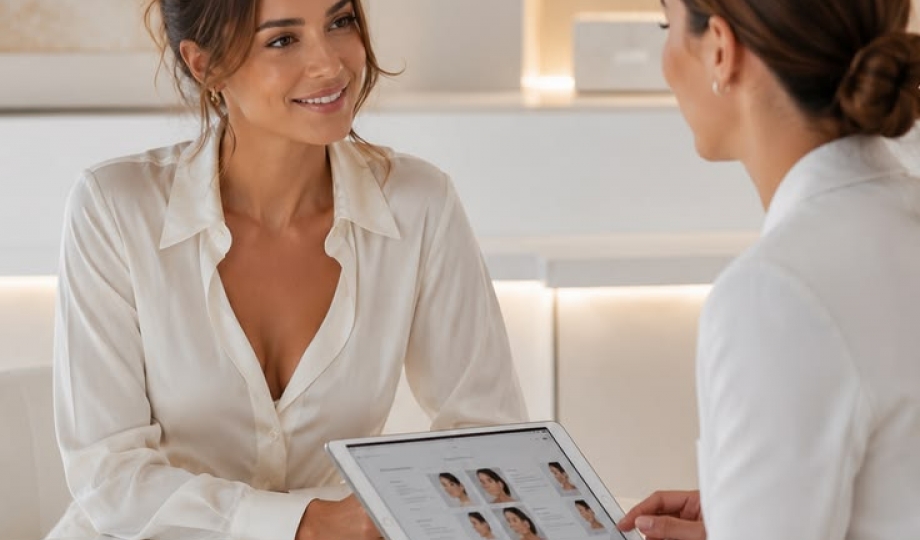
The first barrier is psychological: many men simply do not feel legitimate walking into a beauty institute. The effective levers are often discreet: a treatment menu with neutral, result-oriented wording, appointments at the beginning or end of the day to suit office hours, the option to book online without having to make a phone call — online booking being, according to the industry study, a strong expectation among urban clients. And a factual welcome approach: diagnosis, protocol, number of sessions, expected result.
Focus on Services With Measurable Results
This is the point where this clientele’s profile and your profitability meet. Permanent hair removal, technological facial treatments, targeted slimming protocols: these services share three characteristics that speak to men — a clear objective, an objective result, and a defined number of sessions from the outset. They also offer a higher average spend and planned recurrence, as a treatment course is scheduled over several months, which helps secure your revenue. A male client committed to a course of permanent back hair removal represents revenue scheduled across six to ten appointments — valuable predictability in a sector affected by purchasing-power decisions.
Female Word-of-Mouth: Your Best Acquisition Channel
Final, counterintuitive lesson: the first prescriber of men in beauty institutes is often a woman. The testimonials in the industry study point in this direction: it is often through a partner, mother or sister that most men walk through the door, frequently via a gift voucher. Rather than investing heavily in costly “male” communication, activate your existing clientele: promote gift cards at key times such as holidays, Valentine’s Day and Father’s Day, offer discovery duo treatments, and clearly mention that your treatments are open to men across your materials. It is inexpensive, and it aligns with the real entry path of this clientele.
The Verdict: A Growth Driver, Yes — But Under Certain Conditions
So, opportunity or mirage? Male clientele is a high-value niche segment that rewards precise strategies and punishes generic bets.
The conditions for success come down to three points. An offer targeted at the areas where male demand truly exists — permanent hair removal, wellness, result-oriented facial treatments — rather than a “for men” version of your entire menu. The right equipment and training: this pragmatic clientele is not very forgiving of approximation, and the services that attract them are precisely those requiring reliable technologies and strongly trained practitioners. And discreet but explicit communication that removes the psychological barrier without distorting your identity.
FAQ — Your Questions About Male Clientele in Beauty Institutes
What Share Do Men Represent in Beauty Institute Clientele?
Estimates vary depending on the sources and the scope measured. The OPCO EP industry survey indicates that men represent 10% of respondents who visited an institute or spa during the year; a 2024 market study cited in the report puts the figure at 12% of institute clients, while one industry stakeholder estimates that around 3% of clients receiving beauty treatments in institutes are men, with a stronger presence in spas. The key takeaway: around one client in ten, with strong variations depending on the type of establishment and service.
Which Services Attract Men the Most in Institutes?
Three areas concentrate demand: hair removal — with particular potential for laser or intense pulsed light permanent hair removal on the back, chest or beard contours —, wellness services in spas such as massages and water treatments, and result-oriented facial treatments addressing skin irritated by shaving, fatigue and early signs of aging. Nail styling, on the other hand, remains very marginal for this clientele.
Is Male Clientele Profitable for an Institute?
This is its main strength: according to the data cited by the industry study, men spend more per visit than average, and some of them attend establishments very regularly. The segment is limited in volume, but its unit spend and loyalty, once trust is established, make it a high-value clientele — especially for treatment-course services such as permanent hair removal, which involve several scheduled appointments.
Should You Create a Dedicated Space or Time Slots for Men?
There is no obligation to do so, and the investment is rarely justified for a generalist institute. The most effective levers are simpler: a result-oriented treatment menu, online booking, appointment slots compatible with office hours, and a clear mention that your treatments are open to men. The aim is to remove the psychological barrier of the first visit, not to transform your establishment.
How Can I Bring Male Clients Into My Institute?
The most effective channel is already in your client database: women. Partners, mothers and sisters are the first prescribers, often through a gift voucher. Highlight your gift cards at key moments, offer discovery treatments, and make sure the first appointment is highly structured with diagnosis, protocol and treatment plan: this factual format is what turns a first trial into loyalty among this clientele.