
Share


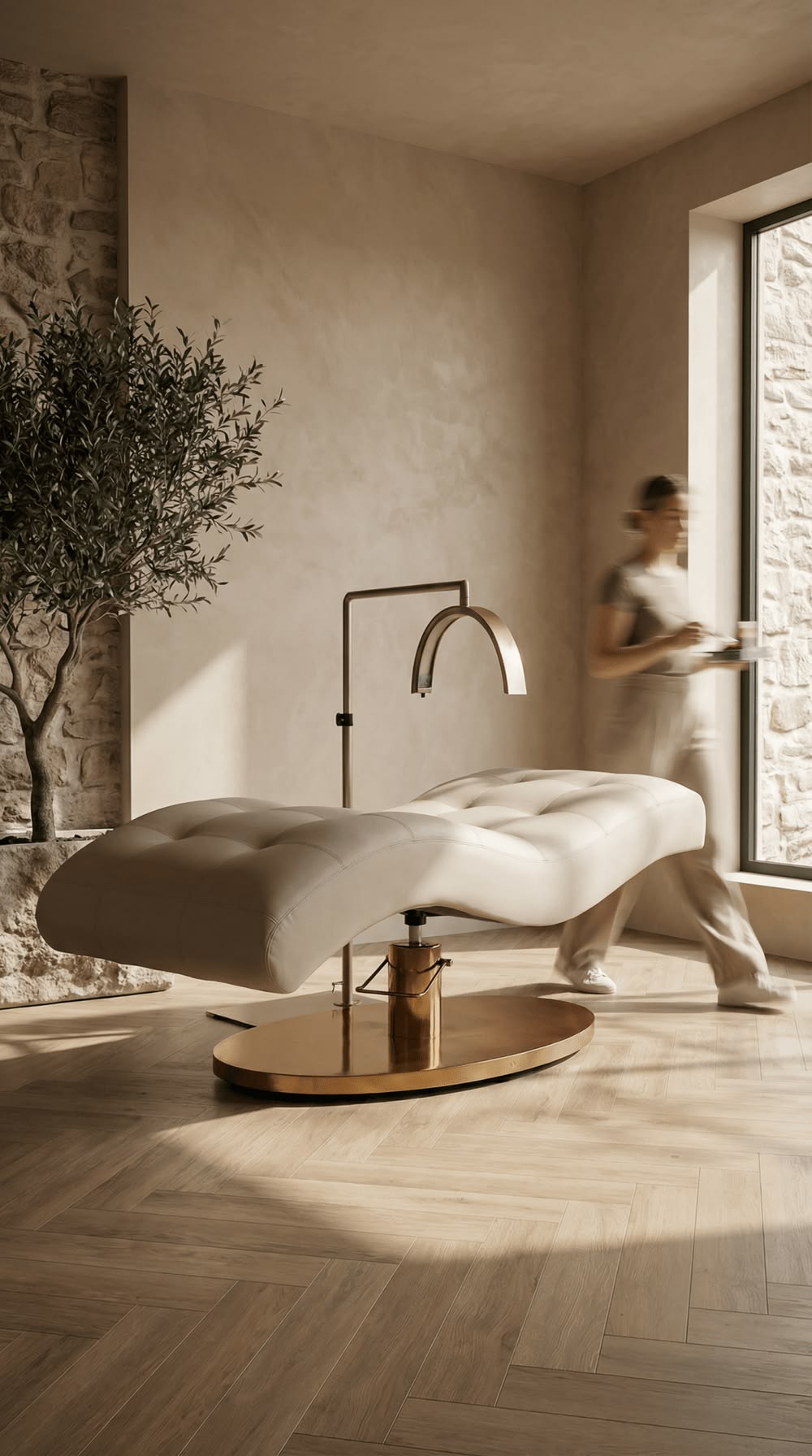
What if we talked about what truly makes a client come back?
A client comes back because she has experienced something complete: smooth, reassuring, pleasant, professional, and memorable. Not only because the treatment was good. Not only because the device was powerful. Not necessarily because the price was the lowest.
In an increasingly competitive beauty market, “offering a good treatment” is no longer enough. Your client compares, feels, observes, and sometimes judges without even realizing it. One detail can win her over. Another can silently drive her away.
According to Harvard Business Review, a client who has had a positive experience spends 140% more than one who has had the opposite experience. And increasing client retention by just 5% can lead to profit growth of between 25% and 95%.
In other words: every detail of the experience lived in your beauty salon has real and measurable economic value.
Rather than listing the classic tips for creating a premium experience, let’s look at the problem the other way around. Here are the 20 mistakes that drive clients away, and most importantly, how to do the exact opposite.
Everything begins before the treatment even starts. If your client does not know where to enter, where to wait, where to put her coat, or who to speak to, the experience starts badly, and this first impression shapes everything that follows.
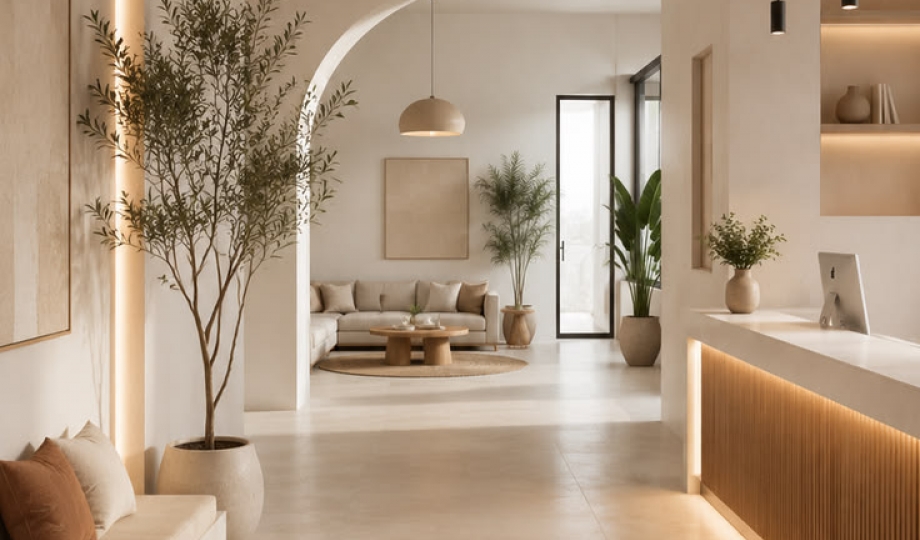
A smooth arrival means clear signage, a visible reception area, a clean space, and a coherent atmosphere. Your client should feel expected, not lost.
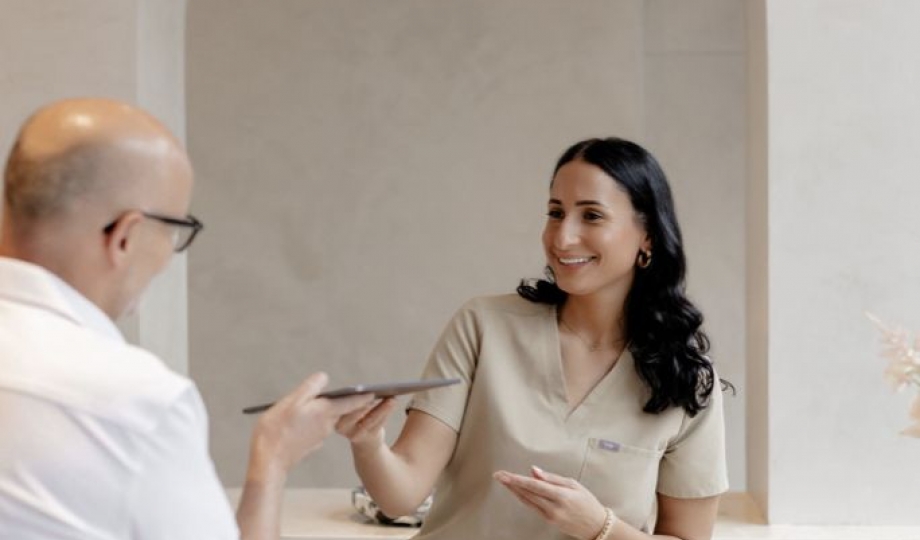
A quick “hello” between two tasks is not a proper welcome. The welcome is a strategic moment: eye contact, a smile, the client’s first name, and sincere attention. This is where trust begins, or fails to begin.
A client who feels recognized relaxes more quickly. And a relaxed client perceives the value of your service much more clearly.
Nothing is more uncomfortable than a client who does not know what is going to happen. How long will it last? What will she feel? Will there be a sensation of warmth? A resting time?
Explaining, reassuring, and setting the framework: a professional treatment is never vague. This step only takes a few minutes and radically changes the way the client experiences what comes next.
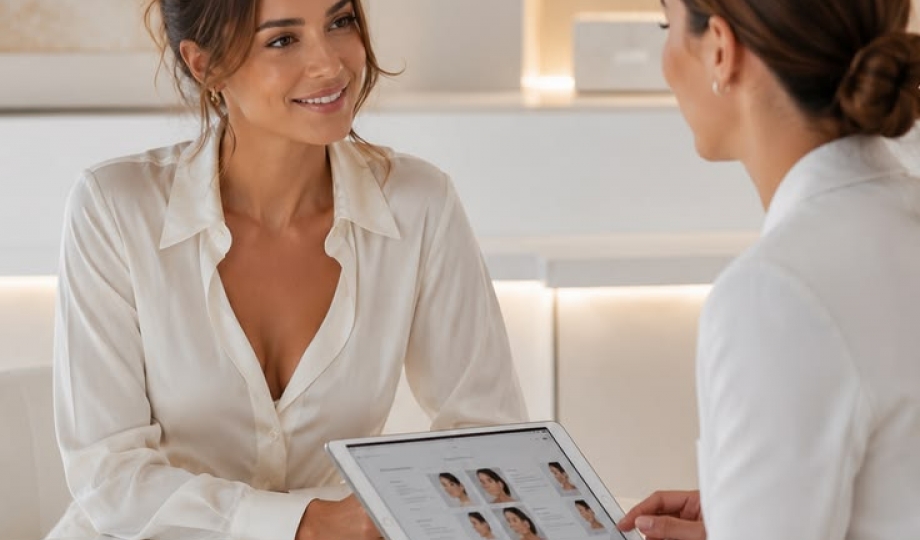
Offering a treatment directly without a diagnosis means missing a key moment. The diagnosis highlights your expertise and shows that you do not offer standardized care.
Ask questions. Observe the skin. Understand expectations. Rephrase what you have heard. Your client should feel that the protocol has been designed for her, because it has.
A delay can happen. But an unexplained delay creates an impression of disorganization that is difficult to undo.
Inform her, offer a drink, and apologize naturally. It is not the unexpected event that damages the experience: it is the lack of attention in the way it is handled.
“Almost clean” does not exist in a professional context. An impeccable work surface, clean linen, a spotless floor, organized equipment, and prepared consumables: every detail contributes to the feeling of safety.
Your client must be able to let go without questioning hygiene. The slightest doubt in this area instantly breaks trust.
Lighting that is too bright, aggressive music, an unpleasant smell, or a cold room: the experience immediately loses quality, regardless of the technical level of the treatment.
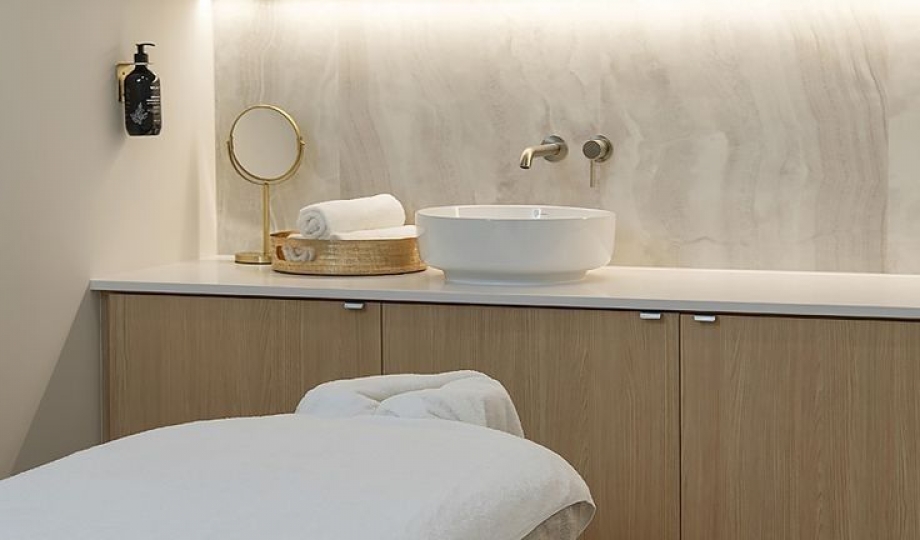
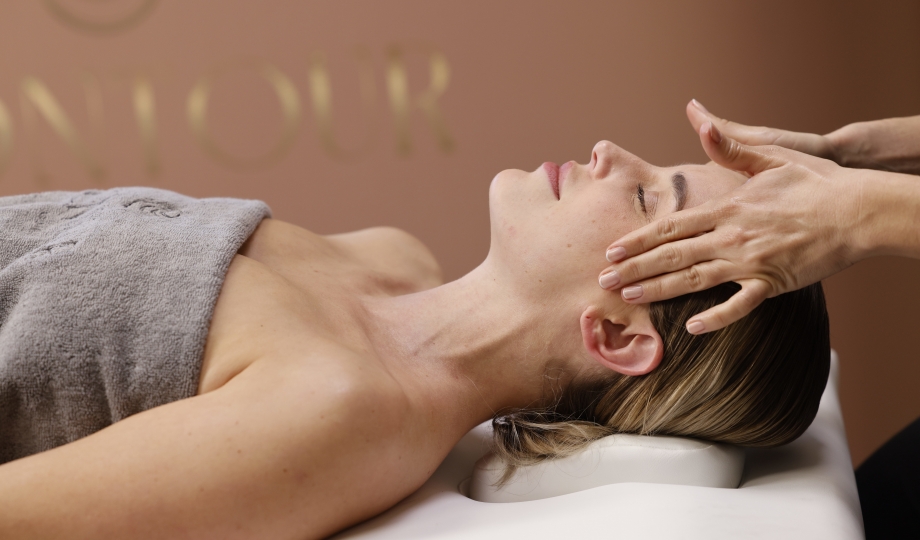
A premium treatment appeals to the senses. Soft lighting, a pleasant temperature, a subtle scent, a comfortable treatment bed, and a clean blanket: these are the details that transform a decent treatment into a truly exceptional moment, and the ones your clients talk about to their friends and family.
Talking about fibroblasts, radiofrequency, collagen, or phototype can strengthen your expert image, but only if you explain it simply afterwards. A client who does not understand what you are doing does not feel reassured; she feels excluded.
The goal is for her to think: “This professional knows her subject, and she knows how to explain it to me clearly.” It is the combination of both that builds trust.
Your gestures matter enormously, often more than your words. A towel placed too abruptly, a head moved without warning, a product applied too cold: these micro-discomforts take the client out of her state of relaxation.
Announce each gesture. Work with precision and slowness. Controlled, enveloping gestures immediately create a high-end feeling, regardless of the technology used.
Silence can be precious. But it must be chosen, not endured. A silence that settles without being framed creates unnecessary discomfort.
The right approach: explain the first steps, then actively offer silence. “I’m going to explain what we are doing together, and then I’ll let you relax.” Simple, professional, reassuring.
On the other hand, turning the session into a constant conversation can also break the experience. Some clients want to talk, while others want to disconnect completely.
Observe. Adapt. The true mark of an expert practitioner is the ability to sense what the client needs at that precise moment.
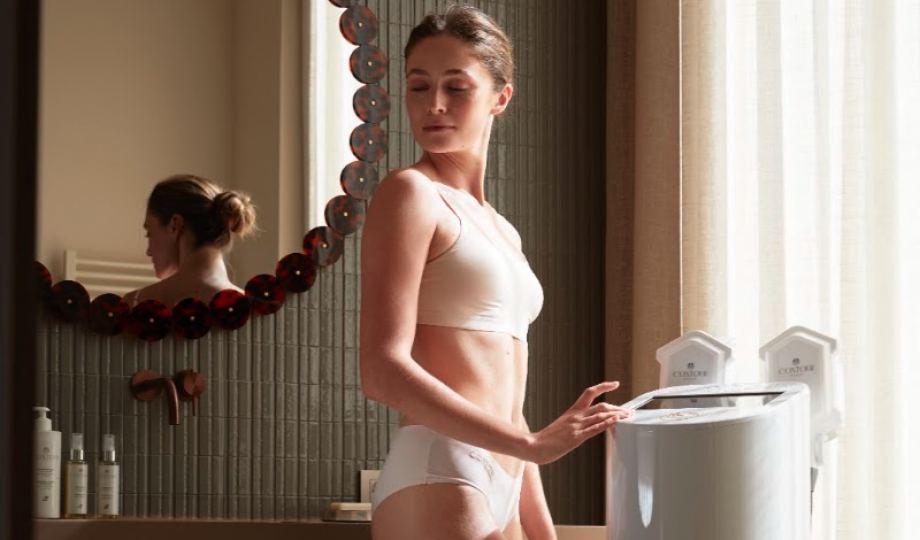
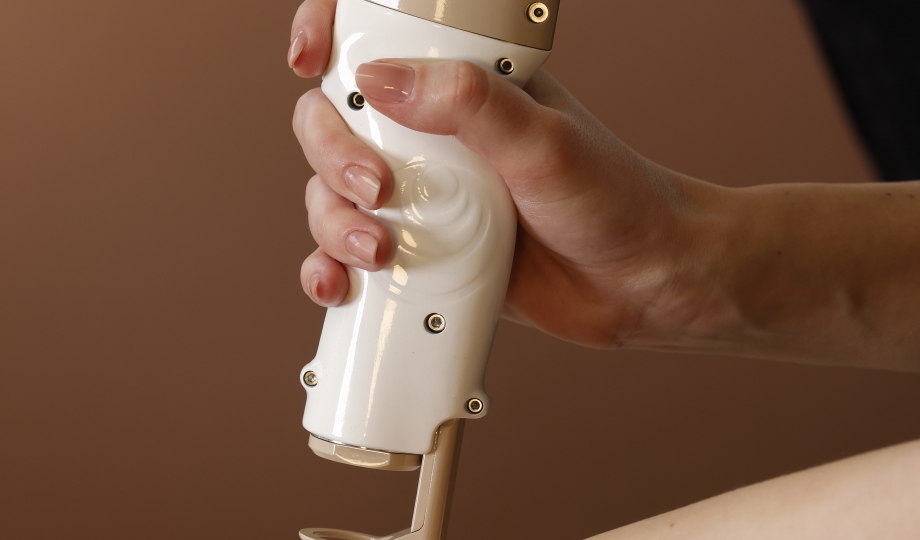
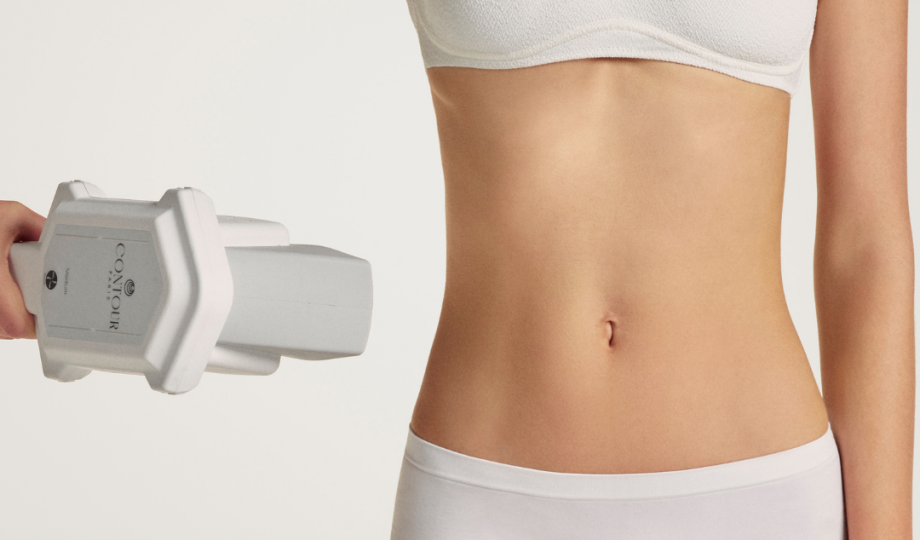
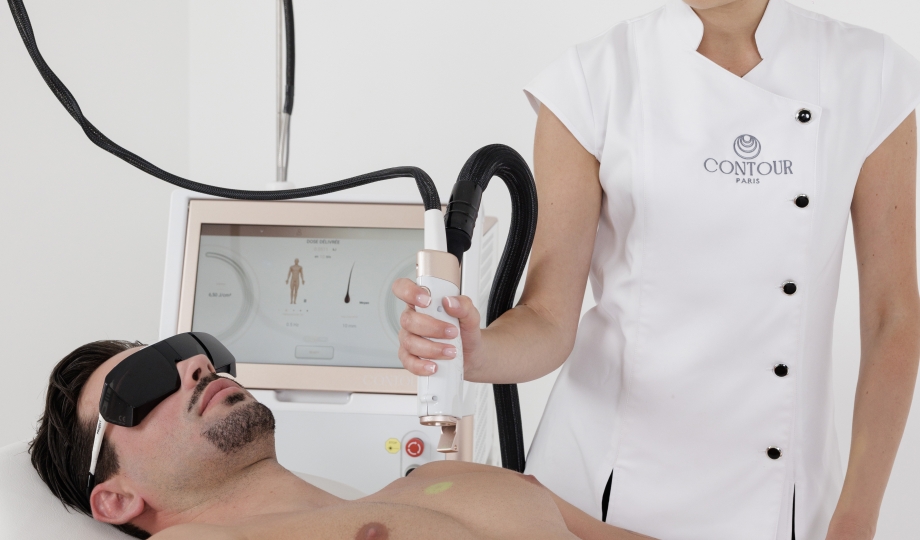
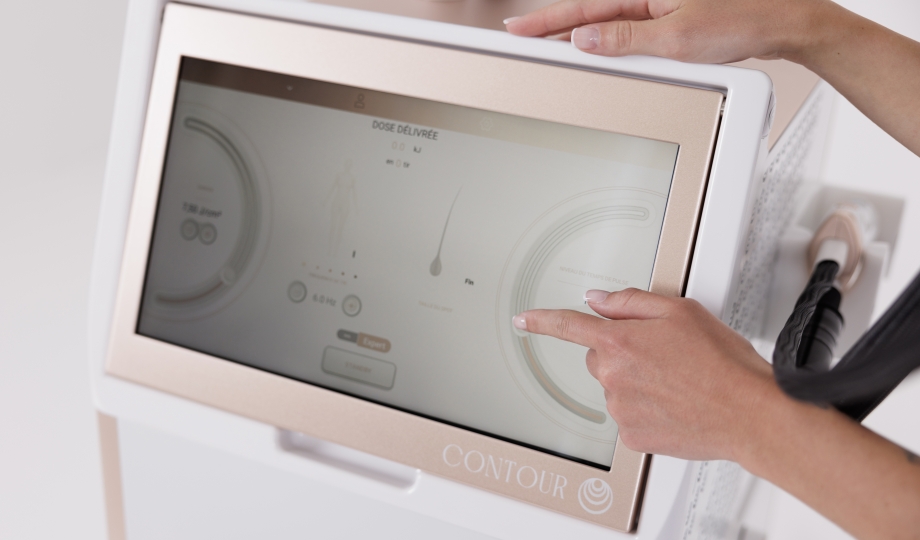
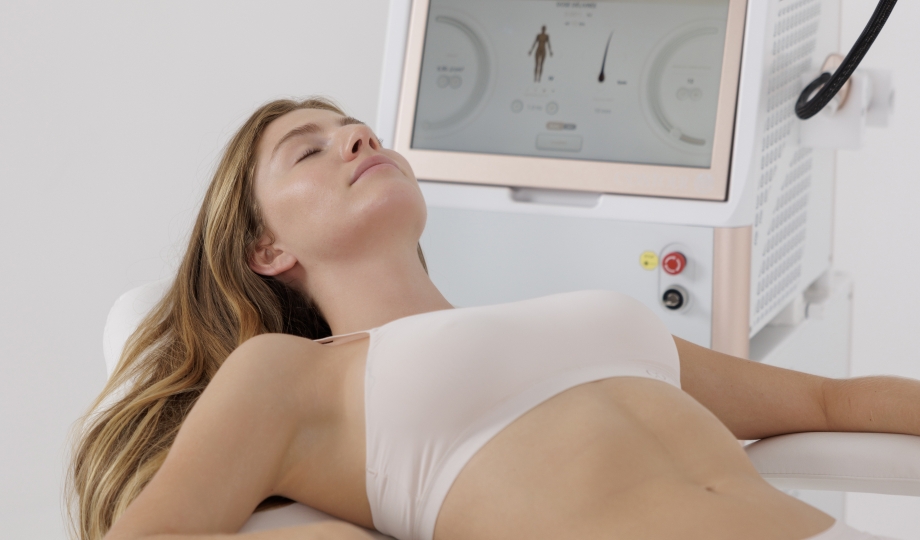
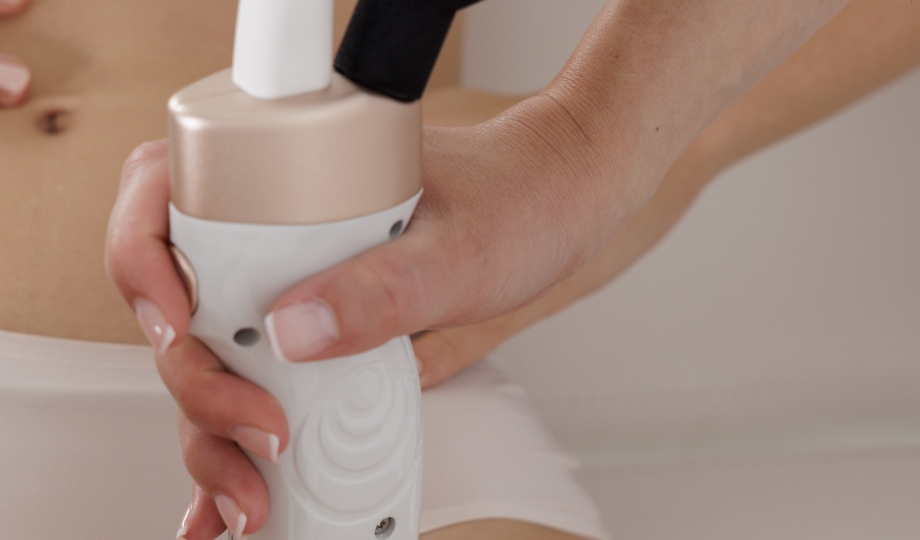
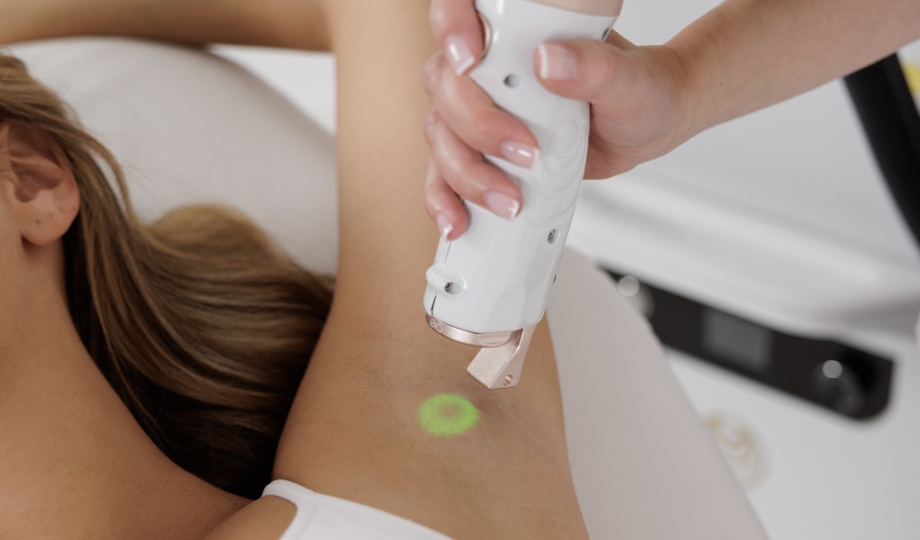
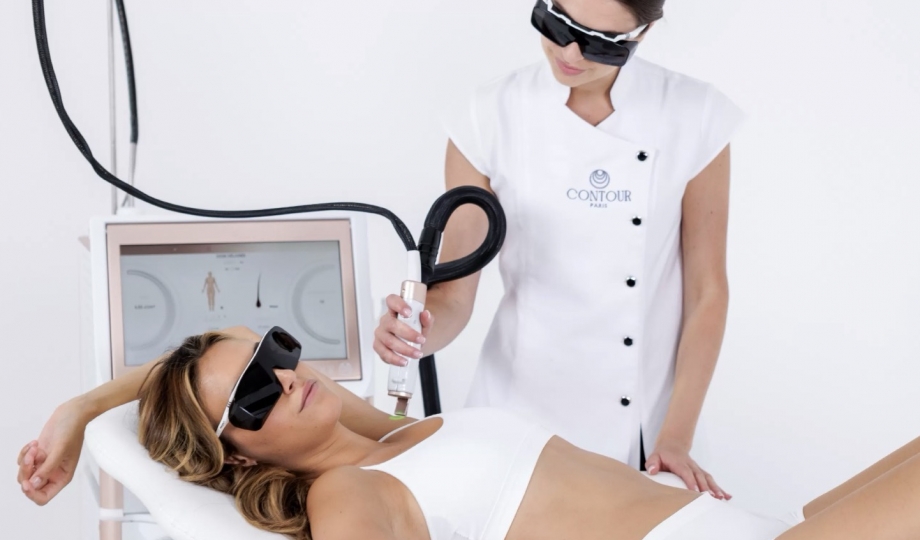
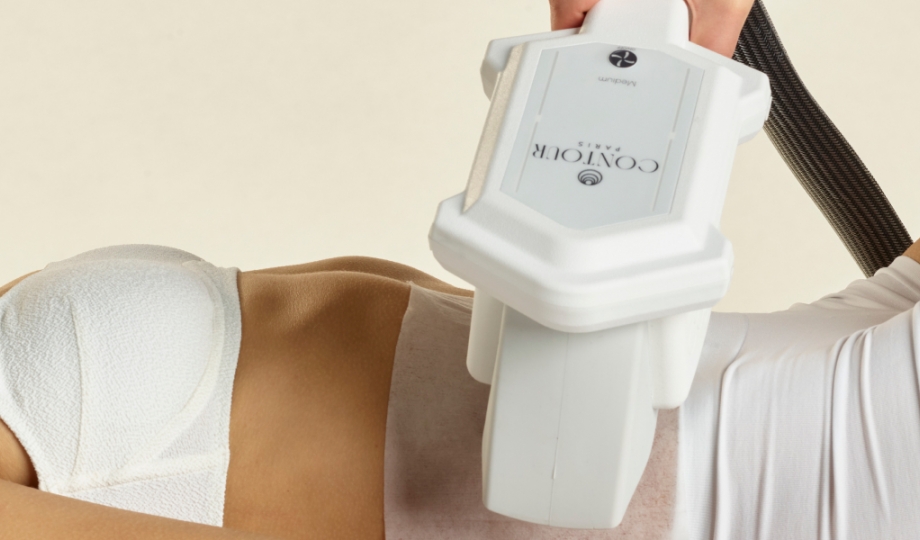
If you use professional aesthetic technology, do not make it seem ordinary. Your client needs to understand why the treatment has value, what the device does, and why you chose it.
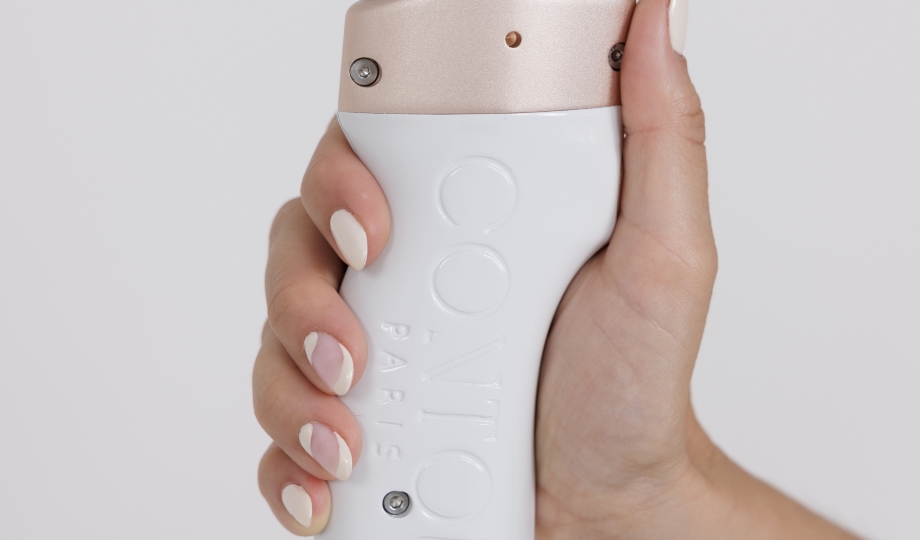
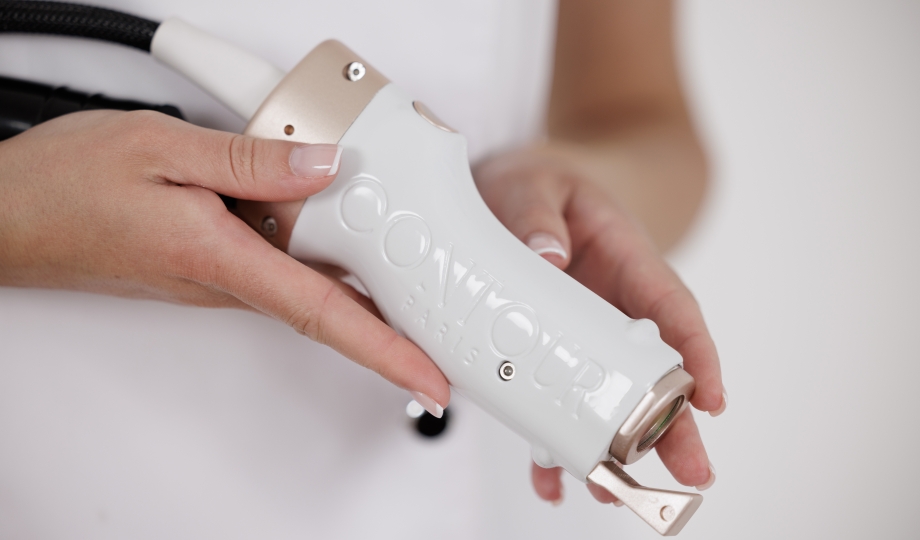
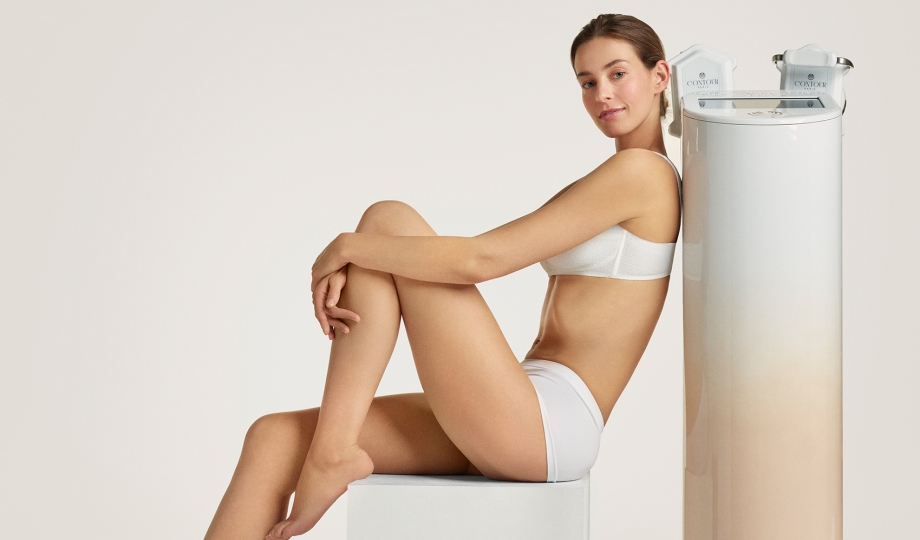
This is particularly true with technologies such as those from Contour Paris : when properly explained, they strengthen your expert image, fully justify your pricing position, and transform a technical treatment into a true professional protocol.
A client wants to feel unique. Even if your protocol is structured, your words must be personalized according to what she has told you and what you observe.
“Your skin mainly lacks radiance today, so I’m going to focus on this step.” “On this area, we are going to work more progressively because the skin is more sensitive.” These phrases radically change the perceived value of the treatment.
Promising too much means risking disappointment, and a disappointed client does not come back, and often talks about it around her.
Be precise: some results are visible quickly, while others require several sessions. A client who understands the process accepts the treatment journey much better. She comes back because she knows where she is going, and she trusts you because you told her the truth.
The end of the treatment is often neglected. Yet it is one of the moments the client remembers most, because it is the last one. And in psychology, we tend to remember most what happens last.
Do not turn the light back on suddenly. Do not simply say, “It’s over.” Allow a moment to return calmly. Offer a mirror. Provide a towel. Create a gentle exit, at the same level of care as the arrival.
After the treatment, take two minutes to explain what was done, what you observed on the skin, and what you recommend next.
This review adds value to your work. It transforms a service into professional support. And it naturally opens the conversation about the next session.
Forced selling damages the experience. Personalized advice strengthens it.
Do not say, “You need this cream.” Instead, say: “To prolong the results of the treatment, I recommend this product because your skin needs more hydration at the moment.” The difference? The client does not feel pushed to buy. She feels supported, and that is exactly when she will be ready to say yes.
Many beauty salons lose clients simply because they do not suggest the next appointment. The client leaves without a date. She thinks about you again a week later. Then life takes over.
At the end of every session, explain the ideal rhythm: “For this type of goal, I recommend your next session in around three weeks.” It is clear, professional, logical — and it structures the relationship over time.
To go further on this topic, our article on client loyalty in beauty salons will give you practical tools.
A final attention can create a strong memory: a drink, written advice to take home, a personalized recommendation, a follow-up message, or a protocol card with at-home gestures to follow.
The detail does not need to be expensive. It must be sincere and consistent with your brand image. It is often this final gesture that the client mentions when talking about you to others.
Your client came, paid, and left. And then nothing. This is one of the most costly mistakes, and one of the easiest to correct.
A message after the treatment can make all the difference: “Hello Marie, I hope your skin has been reacting well since your session. Remember to hydrate well today, and don’t hesitate to reach out if you have any questions.” This follow-up creates a relationship. And relationships create loyalty far more effectively than any promotion.
Creating a high-quality client experience in a beauty salon does not necessarily mean having a huge space, extremely expensive décor, or inaccessible treatments.
It is first and foremost a sum of well-mastered details: a smooth welcome, an impeccable treatment room, a precise diagnosis, professional gestures, clear explanations, well-highlighted technology, and sincere follow-up.
Your client does not only remember the treatment. She remembers how she felt with you. Did she feel listened to? Reassured? Valued? Confident? Did she feel that she was experiencing a real moment for herself, designed down to the smallest detail?
This is where the difference is made between a correct service and a memorable one. And in a beauty salon, a client who lives a memorable experience does not just come back. She recommends you.
A good welcome costs nothing: it is built on simple and systematic habits. Using the client’s first name upon arrival, explaining where she can get comfortable, offering her a drink, and explaining how the treatment will unfold: these gestures take less than two minutes and radically change the first impression.
The most common mistake is reserving them for “special occasions” — they should be the standard at every appointment.
The end of the treatment deserves as much attention as the beginning. Three sentences are enough to transform the experience: one about what you observed, for example, “your skin responded very well to this protocol,” one about advice to take home, for example, “remember to hydrate well this evening,” and one about the next step, for example, “to maintain this result, I recommend coming back in three weeks.”
Short, concrete, personalized.
Post-treatment follow-up is not sales prospecting — it is extended care. A short message the next day or the day after, asking how the skin is reacting and reminding her of one piece of advice from the treatment, is always well received.
The key is for the message to feel personalized rather than automated in its wording: “Hello Marie” will always be better than “Dear client.”
The most effective moment to follow up is between two and four weeks after the session — when the results start to fade and the client begins to think about them again.
A simple message reminding her of the treatment performed, suggesting a date, and mentioning what could be worked on this time is enough in the vast majority of cases.
The key is to start with the felt benefit rather than the technology itself. Instead of saying, “this machine uses radiofrequency,” say: “this protocol will stimulate collagen production in depth — you will feel a gentle warmth, which is completely normal and shows that the treatment is working.”
The technology becomes the means, not the end. And the client remembers the benefit, not the name of the device.
Share





















Vos informations ont bien été mises à jour.
Cette fenêtre se fermera automatiquement dans quelques secondes...
Cette fenêtre va se fermer automatiquement dans 3 secondes...
Veuillez saisir l'adresse email rattaché à votre compte client pour recevoir un lien de réinitialisation de votre mot de passe.
Vous pouvez maintenant commander et suivre vos commandes. Cette fenêtre va se fermer automatiquement dans 5 secondes...