
Share



Slimming Assessment: The Secret Behind Treatments That Truly Work — and Why You Cannot Do Without It
Let’s speak frankly. In many aesthetic centers, the slimming assessment still looks like a formality: a few questions about eating habits, a waist measurement taken in a hurry, a sometimes blurry “before” photo… and then the client is directed toward whichever technology is available that day.
This is exactly where results fall short.
Not because the technologies are bad. But because even an excellent technology cannot compensate for a poor diagnosis. Two clients with the exact same-looking abdomen can have radically different storage mechanisms: one may suffer from chronic water retention linked to lymphatic insufficiency, while the other may accumulate visceral fat because her cortisol levels have been structurally elevated for two years due to intense professional stress. Applying the same protocol to both is like prescribing the same pair of glasses to two people who do not have the same vision problem.
The slimming assessment is not a preliminary step. It is the core of successful body contouring.
Before even discussing the method, it is essential to focus on a point that many practitioners underestimate: storage mechanisms are multifactorial, often interconnected, and sometimes barely visible to the naked eye.
Science is clear on this point. In situations of chronic stress, cortisol levels remain structurally elevated, and abdominal fat cells have more cortisol receptors, which explains why the abdominal area tends to store fat preferentially under prolonged pressure. In other words: a client who eats well, exercises, but has been living under constant pressure for months can absolutely present with a resistant abdomen despite all her efforts. It is not a lack of willpower. It is biology.
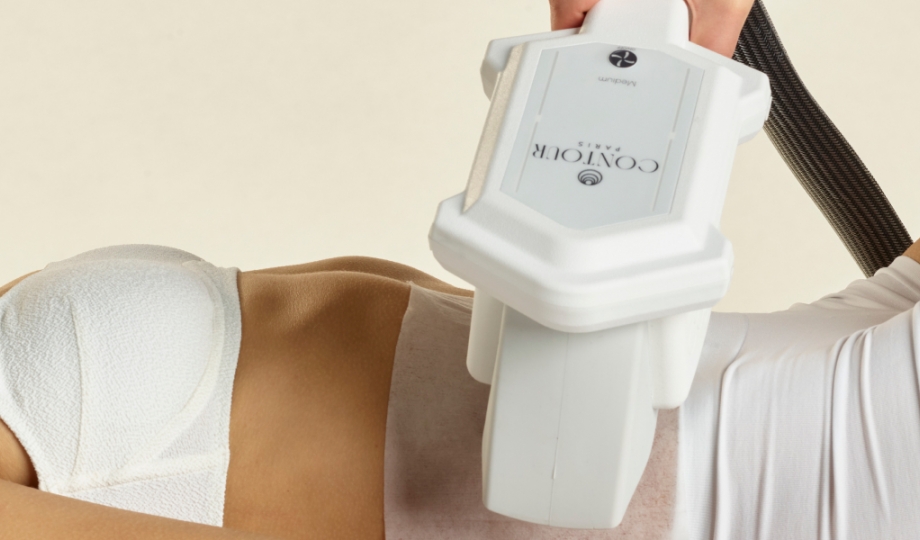
This mechanism is fundamental to identify during the assessment. Because if cortisol is the dominant issue, cryolipolysis alone will not be enough. It will be necessary to integrate recommendations on stress management, sleep quality, and possibly refer the client toward complementary support.
This is a classic element of the assessment, but it deserves to be handled with precision because diagnostic errors on this point are frequent.
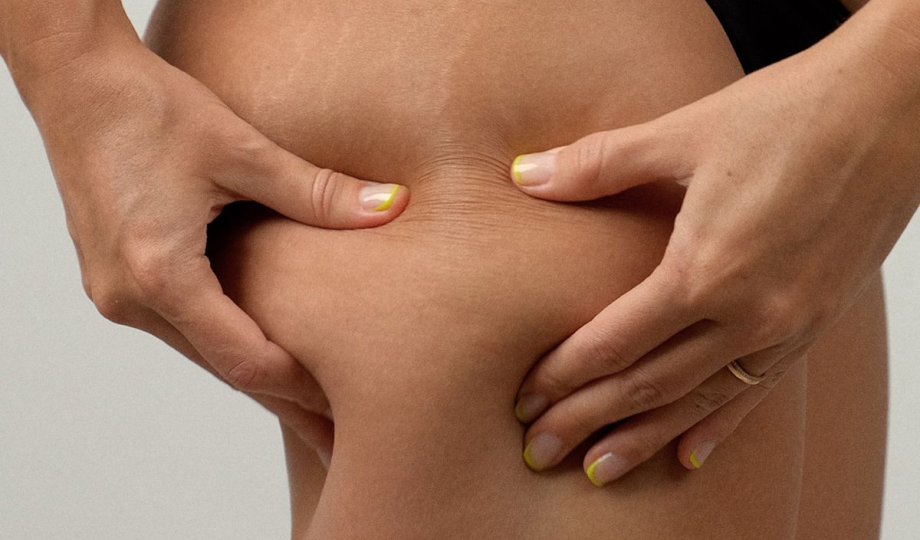
Adipose cellulite: the most common type. It presents as soft, non-painful dimpling caused by excess subcutaneous fat storage within the adipocytes. It responds well to cryolipolysis and technologies targeting adipocyte destruction.
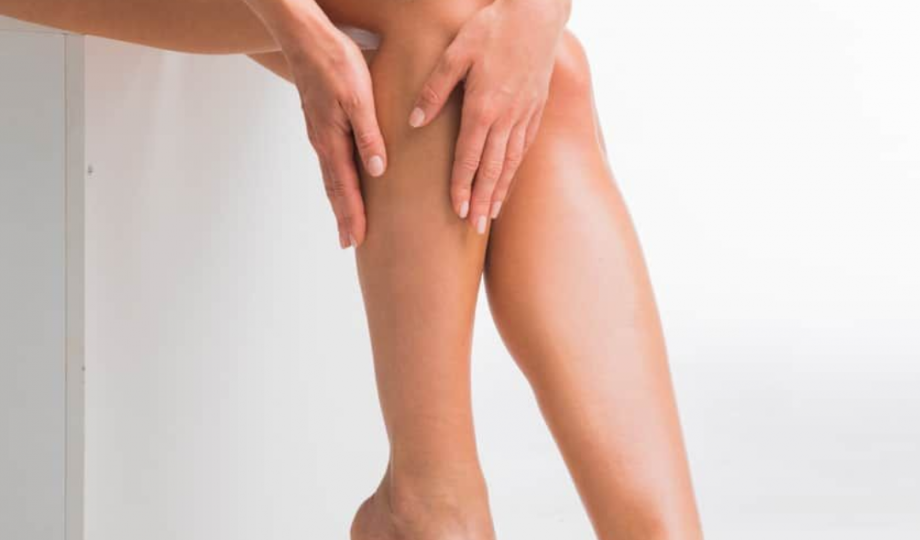
Aqueous cellulite: linked to poor blood and lymphatic circulation. Swelling is often noticeable at the end of the day. It should primarily be treated with drainage, not fat destruction. Applying cryolipolysis to unprepared aqueous cellulite is counterproductive.
Fibrous cellulite: older and more established. The connective tissue is rigid and often painful when pinched. It requires more targeted, and sometimes combined, interventions.
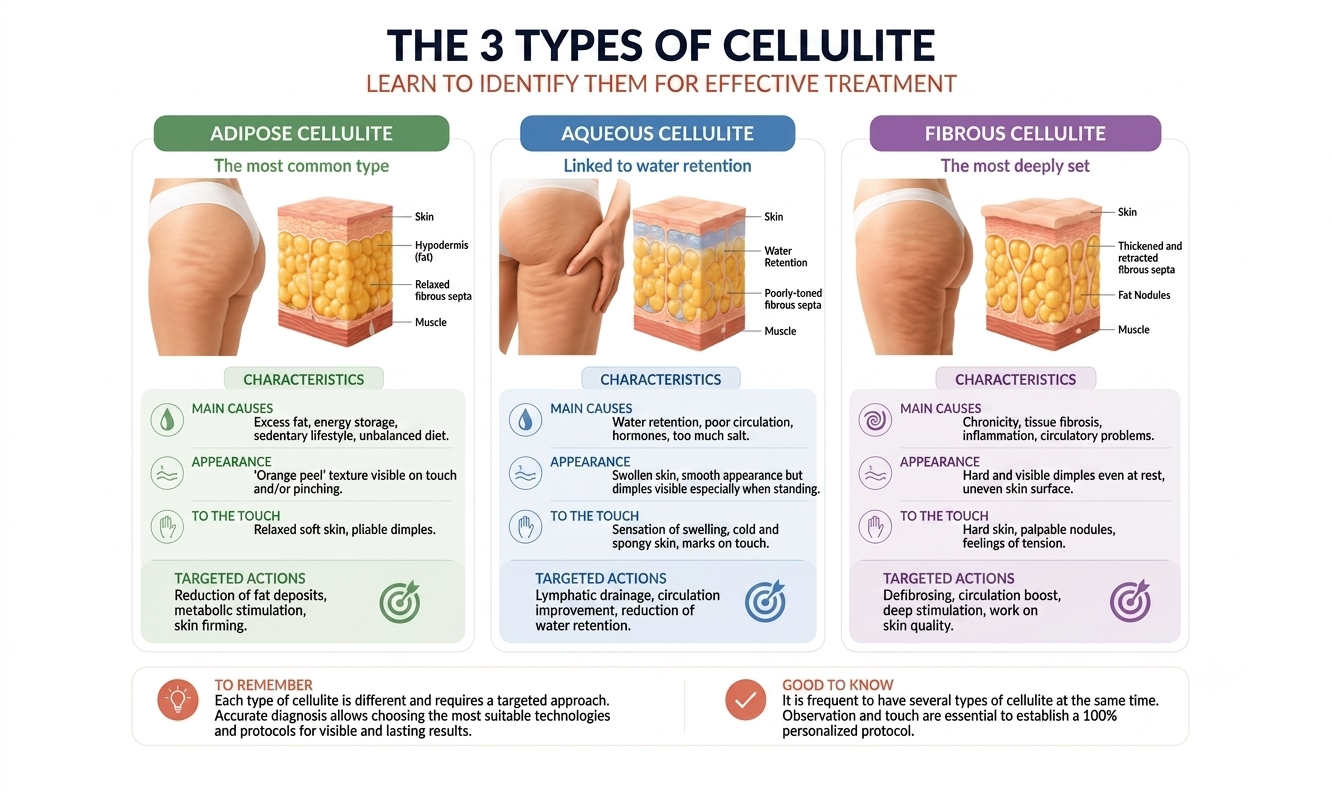
And what is the reality in the field? Many women present with aqueous cellulite on the calves and ankles, adipose cellulite on the hips, and fibrous cellulite on the thighs. The diagnosis must therefore be conducted area by area, not as one global block.
Before the measuring tape, before the photos, before any device: the conversation. Not five minutes of standardized questions, but a real exchange designed to understand the client’s history.
When did the storage appear? Was there a pregnancy, a hormonal change, burnout, a sudden stop in physical activity? Medication? These pieces of information can radically change the direction of the protocol.
It is also important to note that the client’s real goal is not always the one she expresses first. “I would like to lose 3 centimeters around my waist” often hides something deeper: regaining confidence before an important event, feeling comfortable in her clothes again, taking back control of a self-image that feels out of reach. Understanding this underlying emotional need is what creates a lasting relationship of trust.
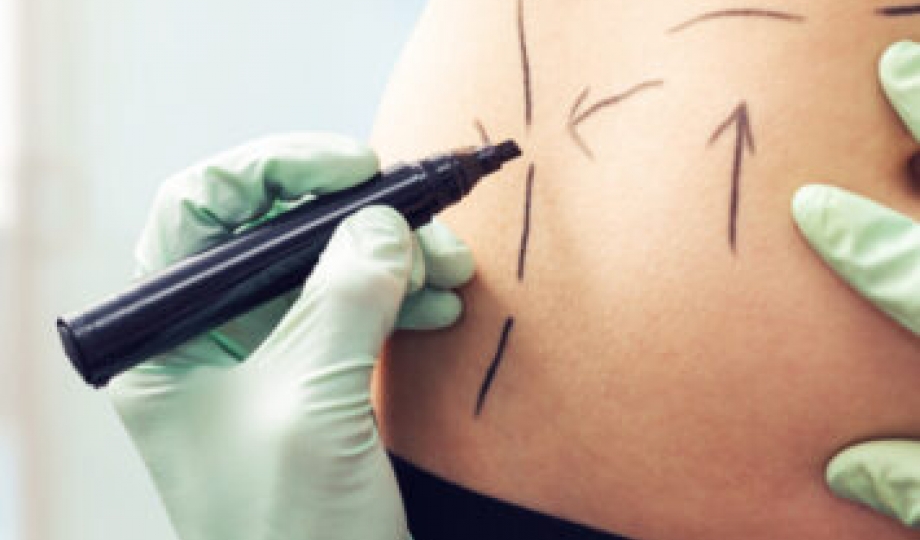
Before touching anything, observe. Posture says a lot: a rounded back often suggests pelvic floor weakness or deep abdominal weakness. The distribution of storage immediately guides the diagnosis: diffuse accumulation may suggest retention or hormonal imbalance, while a very localized deposit on the lower abdomen points more toward a targeted adipose issue.
Also look at the ankles and calves at the end of the consultation. Slight bilateral swelling, even discreet, is often the first sign of lymphatic insufficiency that the client has not spontaneously mentioned.
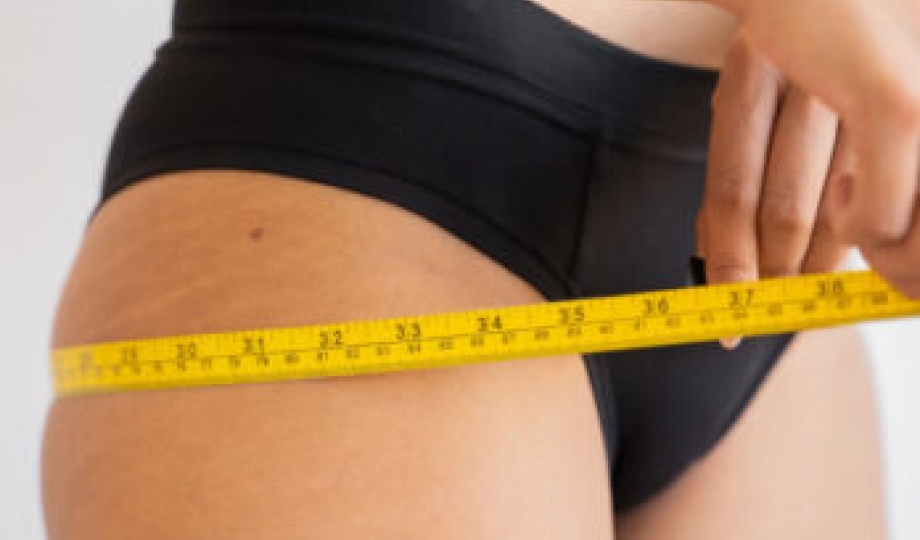
Weight alone means nothing. A client can lose two centimeters around the waist without the scale moving by a single gram. In fact, this is often what happens with firming and body contouring technologies.
Measure systematically:
Waist circumference at the navel
Abdominal circumference at the widest point
Hip circumference
Thigh circumference, upper and mid-thigh
Arm circumference, when relevant
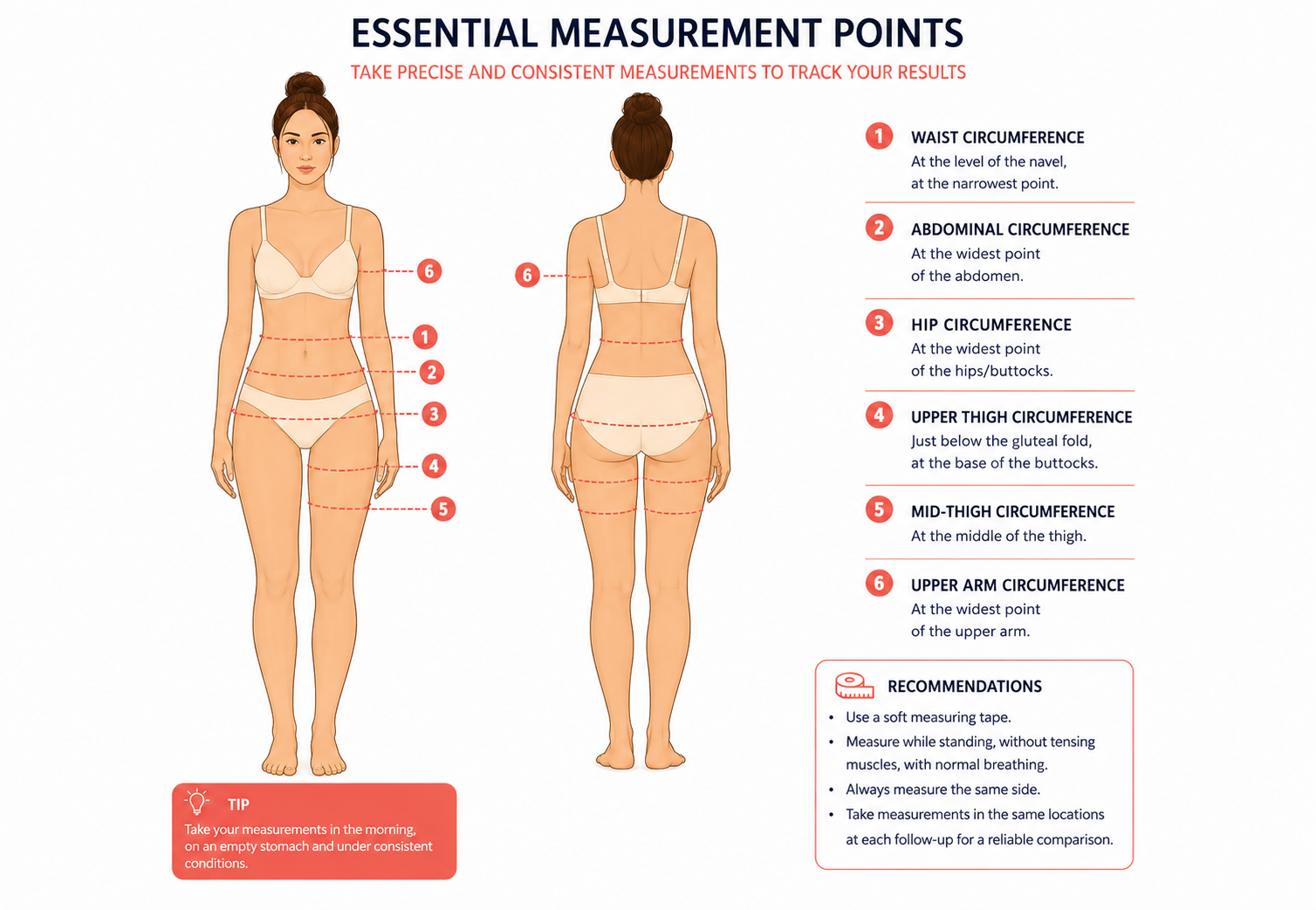
Record your anatomical landmarks precisely. Measurement reproducibility is the essential condition for the numbers to have real value during the follow-up assessment.
Photos are often the most convincing proof of results; and yet most centers take them in conditions that make them impossible to use properly. Different lighting, variable distance, relaxed posture: it becomes impossible to make a real before-and-after comparison.
The photographic protocol to follow absolutely:
Same natural or fixed artificial light
Same camera-to-subject distance
Same neutral posture: feet slightly apart, arms alongside the body
Same outfit, ideally provided by the center
This protocol is not an administrative constraint: it is your best tool for demonstrating the value of your treatments.
Bioelectrical impedance scales can provide interesting data when interpreted intelligently: fat mass, muscle mass, hydration level, and visceral fat assessment. Do not use them as an absolute truth, but as one element among others, to be cross-referenced with visual observation and measurements.
This is the step that separates an expert center from an average center. Once all the information has been gathered, the practitioner must be able to identify the dominant mechanism and explain it clearly to the client.
The difference between these two formulations is enormous:
“I recommend a cryolipolysis treatment.”
Versus:
“Your assessment shows primarily adipose storage around the peri-umbilical area and the flanks, with a slight retention component in the legs. What I recommend is to start by preparing the lymphatic terrain before targeting the fat deposits with cryolipolysis, in order to maximize the natural elimination of the treated cells.”
In the first case, you are selling a machine. In the second, you are proposing a strategy. The client understands the logic, perceives your expertise, and invests in a complete program much more naturally.
There is a truth that is not heard often enough in the industry: no one becomes a slimming diagnostic expert overnight. Identifying diastasis, distinguishing fibrous cellulite from adipose cellulite in an atypical area, detecting signs of an underlying hormonal imbalance or undeclared lymphatic insufficiency — all of this must be learned. And learned seriously.
A slimming assessment carried out without solid training is an assessment based on intuition rather than skill. And intuition can be wrong. This is not insignificant when committing a client to a multi-session treatment program costing several hundred euros.
This is precisely why specialized training is the non-negotiable condition for credibility. Not only to know how to use the devices, which manufacturers teach during machine training, but to understand what is happening beneath the skin, read the body as a whole, and build a protocol that responds to a precise physiological reality.
AFEEM — Académie de Formation en Esthétique et Esthétique Médicale notably offers an Expert Slimming training course specially designed for aesthetic professionals who want to master slimming technologies, including cryolipolysis, radiofrequency, electromagnetic stimulation, and more, while developing their expertise in body assessment and diagnosis.
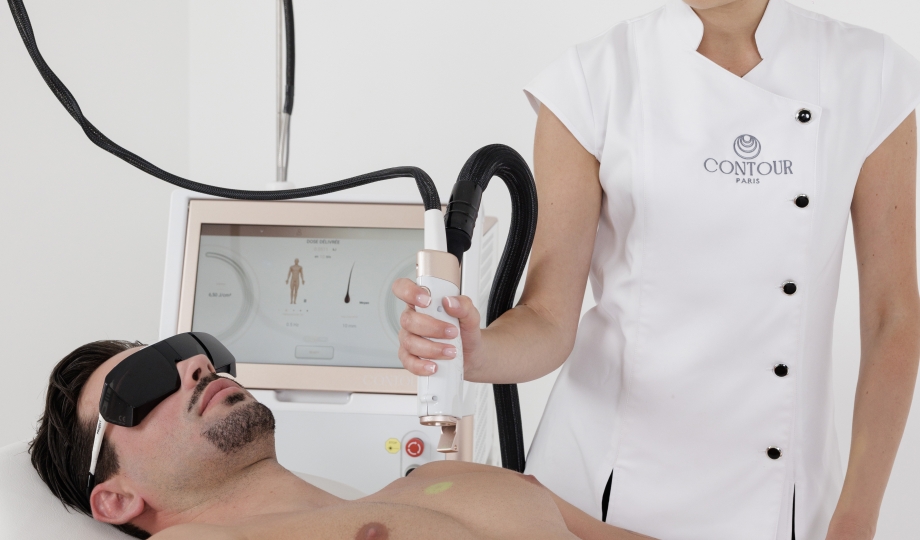
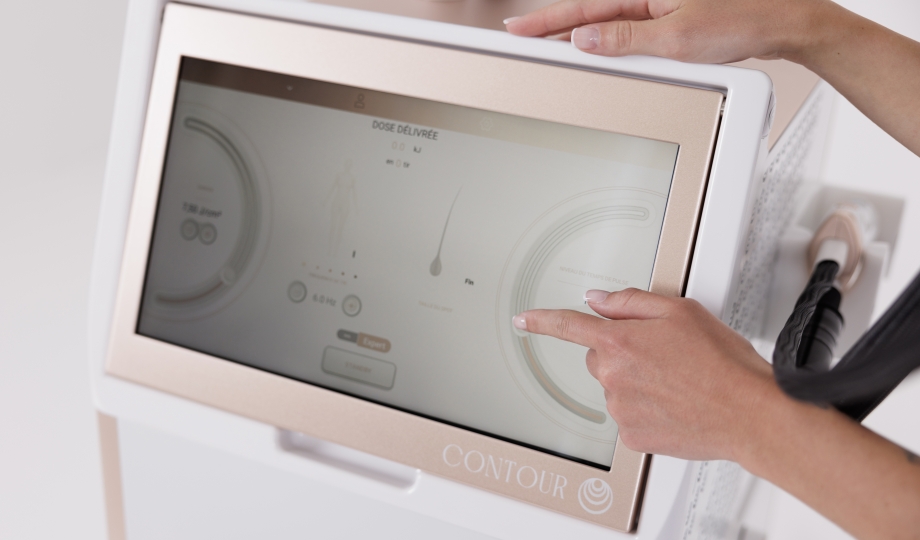
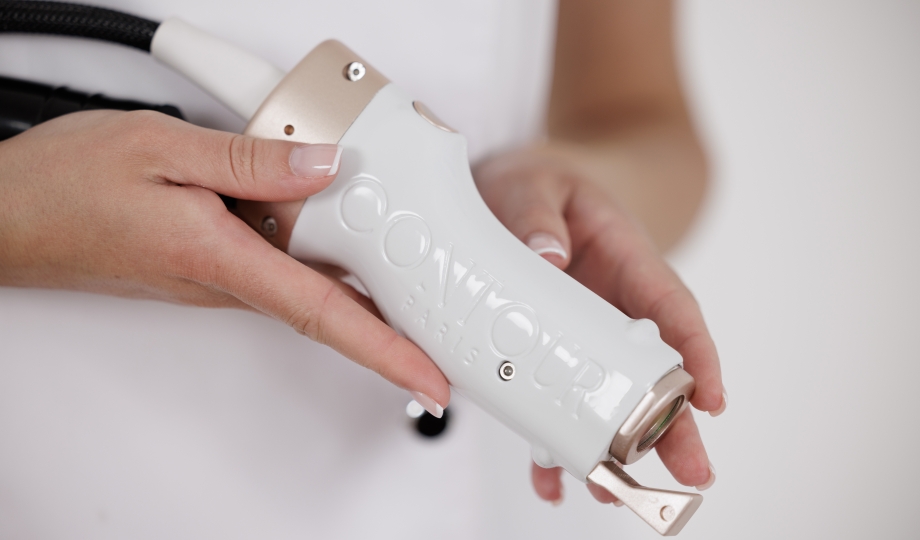
As an official partner of Contour Paris, AFEEM trains practitioners who are capable not only of using devices, but of building true personalized treatment strategies. It is this dual expertise, both technical and diagnostic, that makes the difference in the field.
A trained practitioner does not propose a technology. She proposes a response adapted to a precise concern. And clients feel this nuance immediately.
The credibility of a slimming assessment relies above all on the expertise of the person performing it.
Here is something that few aesthetic centers have formalized, and yet the data confirms it: concrete, well-explained personalization is the number one loyalty factor in the body care sector.
A well-conducted assessment does more than reassure the client. It creates commitment. She understands why she stores fat, she understands the protocol, and she sees the purpose of each session. And this understanding is exactly what makes her come back, recommend the center to her friends, and agree to invest in a complete program rather than two isolated sessions.
The centers that convert best are not necessarily those with the greatest number of technologies. They are the ones with the best diagnosis.
There is a collateral benefit of the assessment that is rarely mentioned: it educates the client about her own body. Many women arrive at aesthetic centers with false beliefs or misplaced expectations, often inherited from marketing messages that lack rigor.
Taking the time to explain the difference between subcutaneous fat and visceral fat, between adipose cellulite and water retention, between skin laxity and loss of muscle tone, transforms a passive client into an active partner in her own results. And a client who understands what is happening in her body shows incomparably stronger adherence to the protocol.
This is ultimately where the true added value of a center lies in 2026: not in accumulating technologies, but in the ability to read a body, understand its mechanisms, and build a response that truly fits it.
The purpose of the slimming assessment is to precisely identify each client’s storage mechanisms: type of cellulite, water retention, hormonal imbalance, muscle deficit. Based on this diagnosis, the professional builds a coherent and personalized protocol instead of applying the same technology to every situation.
Adipose cellulite is linked to excess subcutaneous fat; it is soft and non-painful. Aqueous cellulite reflects poor lymphatic and blood circulation; it causes swelling, particularly at the end of the day. Fibrous cellulite is older and more established; it is firm, often painful when pinched, and requires more targeted care. All three types can coexist on different areas of the same body.
Yes, and it is scientifically documented. In situations of chronic stress, cortisol remains elevated and promotes preferential fat storage in the abdominal area because the cells in this zone have more receptors for this hormone. A stressed client can eat a balanced diet and exercise without seeing significant results on the abdomen if this mechanism is not taken into account in the protocol.
Standardized photos are often the most tangible proof of the results achieved. To be usable, they must be taken under strictly identical conditions each time: same lighting, same distance, same posture, same outfit. Without this rigor, the before-and-after comparison loses all demonstrative value.
No, not on its own. An aesthetic treatment program can lead to significant centimeter loss and visible body contouring without any major change in weight. Body measurements, such as waist, hip, and thigh circumference, as well as photos, are much more relevant indicators than the number on the scale alone.
Absolutely. Identifying the type of cellulite, detecting a hormonal mechanism or lymphatic insufficiency, building a personalized protocol: these skills are acquired through specialized training, not only during device onboarding. AFEEM notably offers a dedicated Expert Slimming training course, recognized and adapted to aesthetic professionals.
Share




























































Vos informations ont bien été mises à jour.
Cette fenêtre se fermera automatiquement dans quelques secondes...
Cette fenêtre va se fermer automatiquement dans 3 secondes...
Veuillez saisir l'adresse email rattaché à votre compte client pour recevoir un lien de réinitialisation de votre mot de passe.
Vous pouvez maintenant commander et suivre vos commandes. Cette fenêtre va se fermer automatiquement dans 5 secondes...