
Share


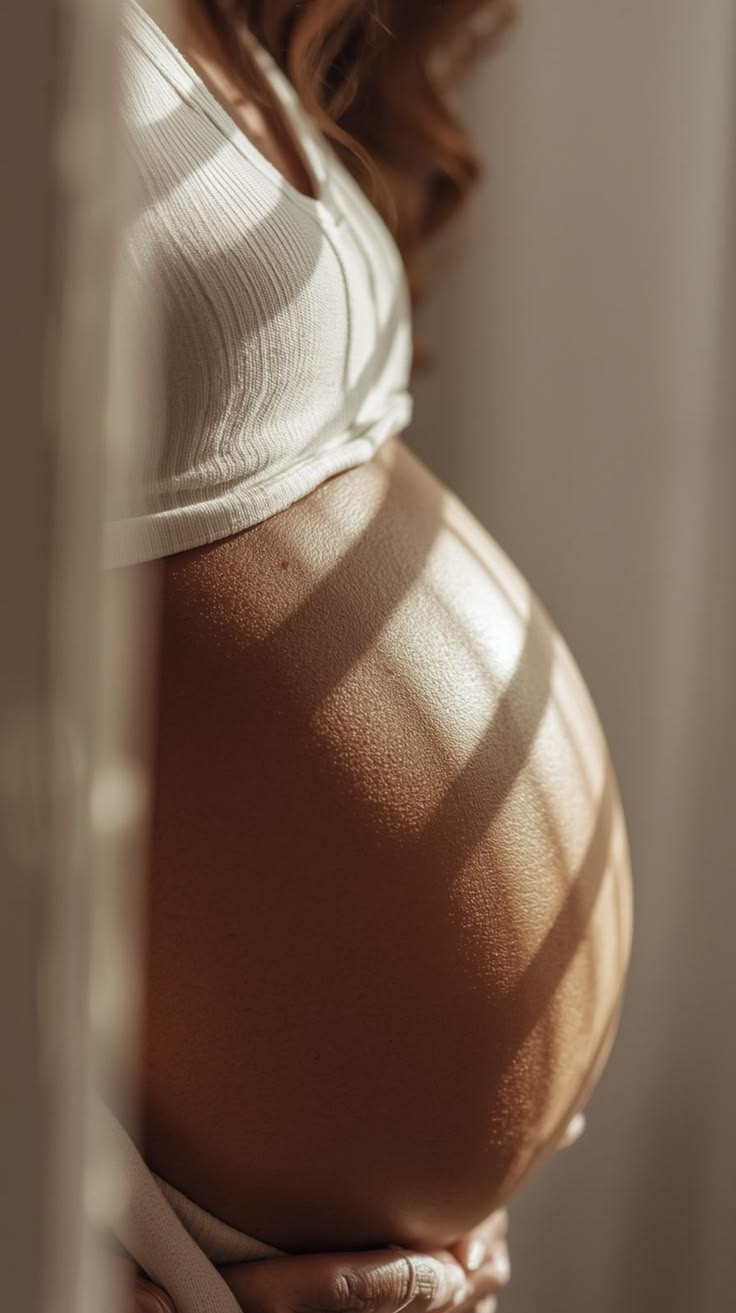
Reclaiming Your Body After Pregnancy: The Expert and Caring Guide From 6 Months Postpartum
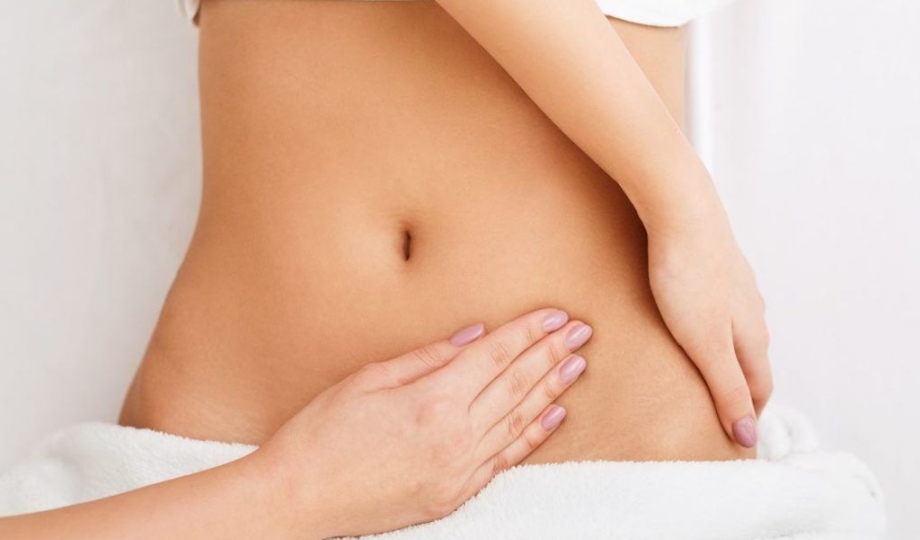
Your body has just accomplished something extraordinary. For nine months, it gave everything, and it deserves deep respect. But here you are: the weeks have passed, you have given birth, completed your pelvic floor rehabilitation, slowly settled back into daily life… and yet your belly, your hips, and your skin, which no longer has quite the same texture, are still there. You look at yourself in the mirror with a mixture of curiosity, impatience, and sometimes discouragement.
This is normal. Deeply, physiologically normal.
This guide is not here to promise that you will “get your old body back,” as if pregnancy were a chapter to erase. It is here to explain, with facts rather than pressure, what is really happening in your body after six months, what you can do concretely to feel good again, and when aesthetic technologies can become genuine allies. Kindness and expertise are not incompatible.
During pregnancy, the abdomen stretches gradually over several months. The skin, abdominal muscles, especially the rectus abdominis muscles, which can separate, a condition known as diastasis, the fascia, and the ligaments: everything has been stretched, mobilized, and reshaped. Average pregnancy weight gain is around 12 kilos according to recommendations from the French National Health Authority link to Ameli, with very significant variations from one woman to another.
Why do we talk about six months as a turning point? Because this is the timeframe generally accepted scientifically for the perineal and abdominal tissues to have recovered sufficiently. Before this stage, certain interventions, whether sports-related or aesthetic, may be premature. After this point, new possibilities open up.
And that is good news: at this stage, your body is ready to respond positively.
It cannot be said often enough: the postpartum period is not the time to start a restrictive diet. Your body has just gone through an intense experience. It needs to be nourished, not deprived.
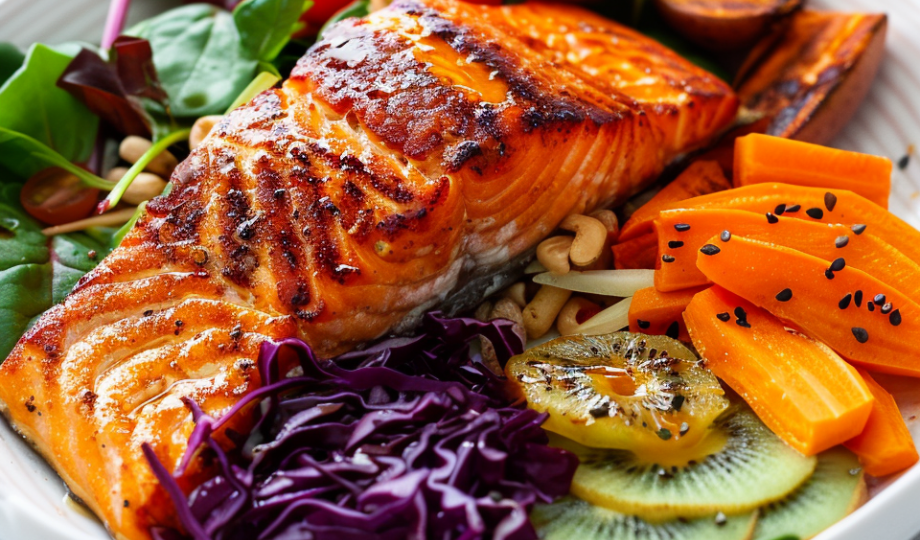
Protein plays a central role after childbirth: it contributes to the repair of tissues and muscles that were heavily solicited during pregnancy. Nutritional recommendations for postpartum women are around 1.2 to 2 g of protein per kilo of body weight, distributed across three meals and two snacks: white meat, fish, eggs, and legumes.
Complex carbohydrates, such as brown rice, sweet potato, and oats, help replenish depleted glycogen stores and maintain stable energy levels during a period when fatigue is often chronic.
Finally, quality fats should not be feared: omega-3s found in oily fish, walnuts, and flaxseed oil have documented anti-inflammatory properties that are essential for tissue recovery.
Hydration is often the forgotten pillar of the postpartum period. Yet it plays a major role in skin quality, toxin elimination, and the efficiency of the lymphatic system. The goal: 2 to 3 liters of water per day, and more when breastfeeding.
The desire to “get your body back” quickly can lead to excessive calorie restriction. This is counterproductive on every level: loss of muscle mass, increased fatigue, impact on mood, and paradoxically, a slower metabolism.
A varied and sufficient diet, without obsessive counting, is the foundation of effective recovery. The body knows how to regulate itself when we learn to trust it.
The French National Health Authority link to HAS is clear on this point: physical activity after childbirth should be resumed progressively, starting with light to moderate intensity.
From six months postpartum, once pelvic floor rehabilitation has been completed and with approval from your healthcare professional, the range of possibilities expands significantly. A review published in the Revue de Traumatologie du Sport in 2024 link to the article reminds us that returning to sport postpartum should be actively encouraged, both to learn to love one’s body again and for its preventive effects on postpartum depression.
Brisk walking remains an excellent foundation: accessible, low-impact, and effective. Swimming also becomes highly relevant again, thanks to water buoyancy, full-body muscle engagement, and zero joint pressure.
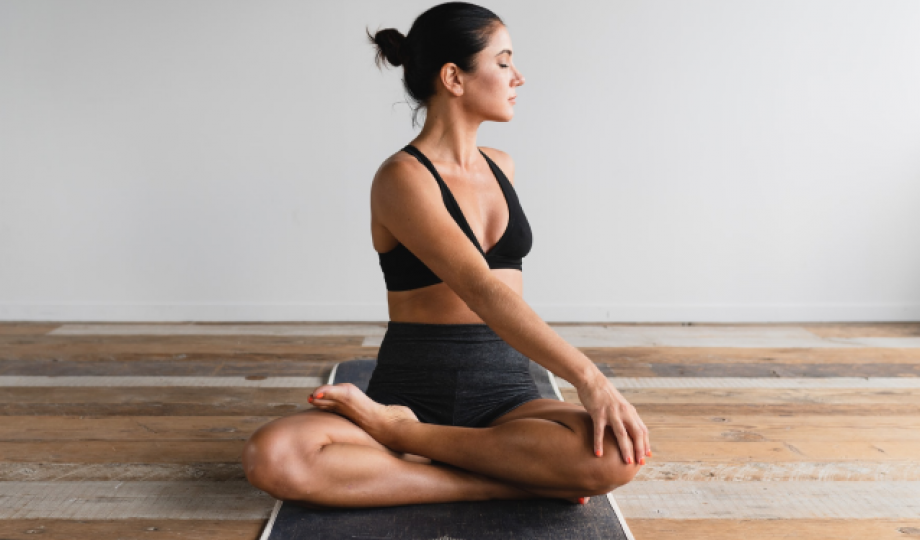
Postnatal yoga and Pilates are particularly well suited to working the deep abdominal muscles, strengthening the pelvic floor, and improving posture, which is often affected by the months of pregnancy and breastfeeding positions.
Cycling, whether indoors or outdoors, is also a good cardio option, provided that the pelvic floor has been properly rehabilitated.
High-impact sports, intense running, CrossFit, and jumping sports still require caution, even after six months. The intra-abdominal pressure generated can weaken a pelvic floor that is still consolidating. Always consult your midwife or specialized physiotherapist before resuming intense activity.
If you have experienced diastasis, a separation of the rectus abdominis muscles that is common among women who had a pregnancy with significant abdominal volume, certain classic exercises such as crunches should be strictly avoided at first.
Deep transverse abdominal work, guided by a physiotherapist, should be the absolute priority before any superficial strengthening.
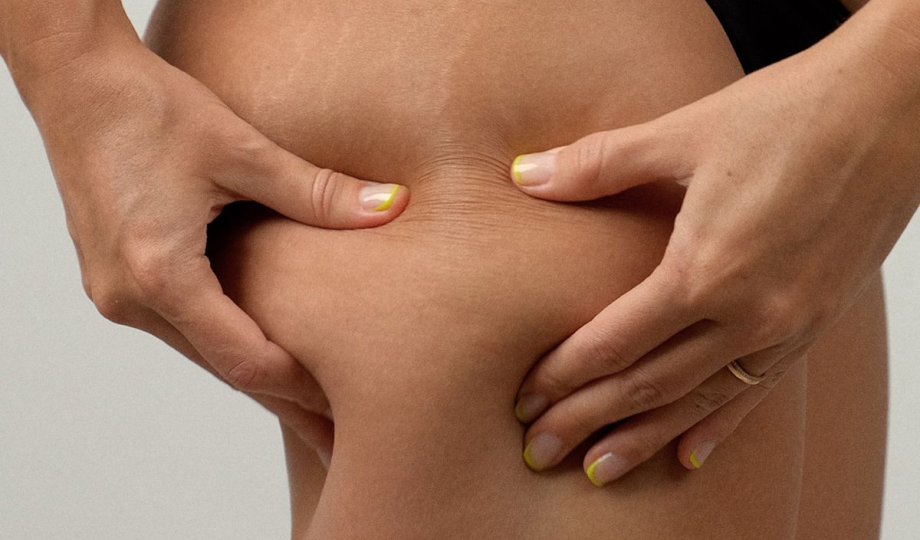
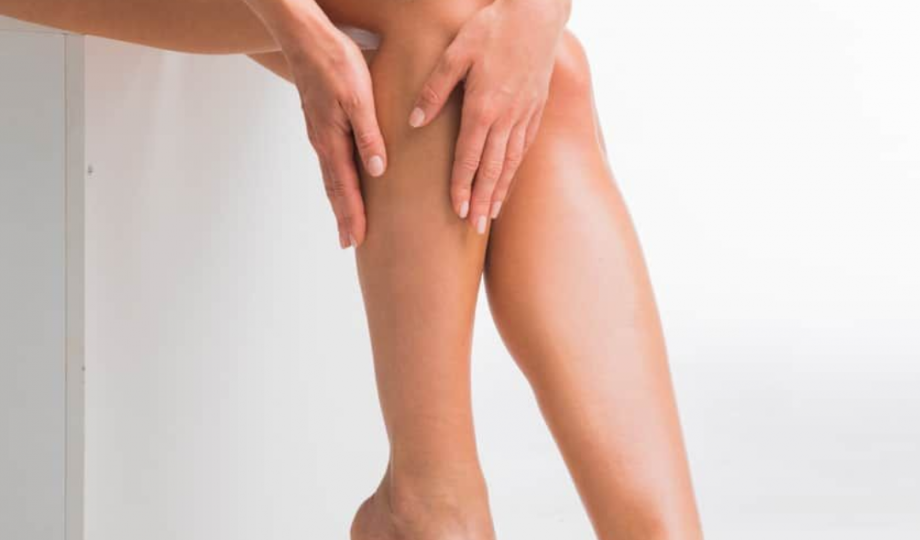
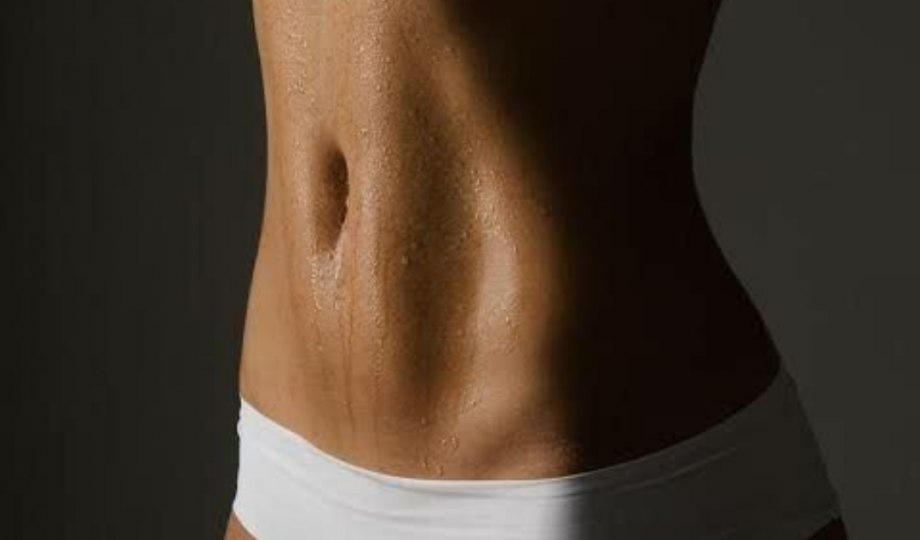
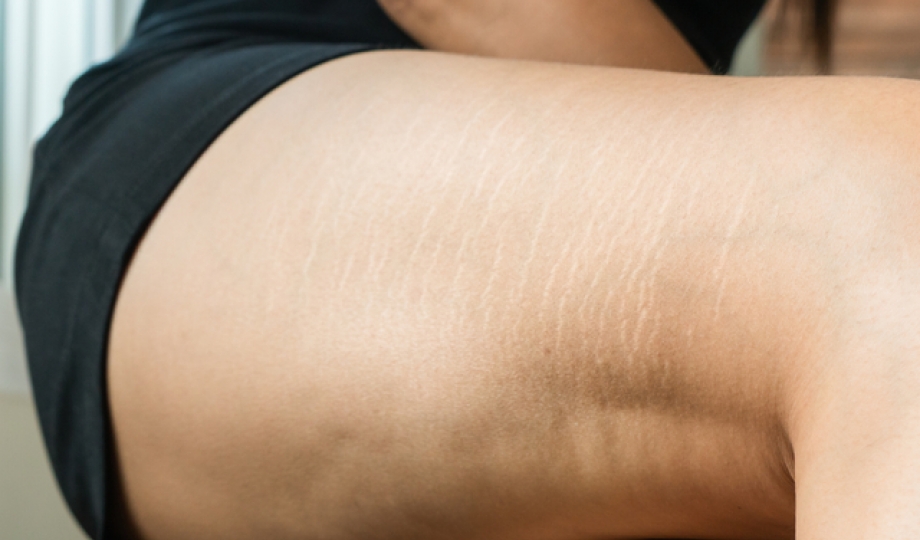
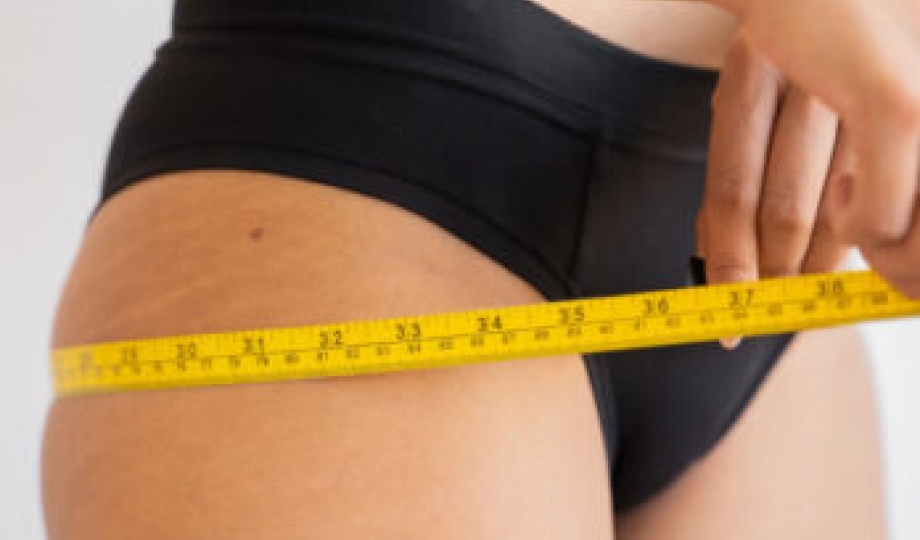
This is often the area that raises the most questions. The pregnancy weight has been lost, rehabilitation is complete, exercise has resumed; and yet the skin on the belly remains loose, sometimes marked by stretch marks, with a texture that feels different from before.
You can also read our article: Loose skin after weight loss: why it happens and what can really be done about it.
During pregnancy, the skin has been gradually stretched over several months. The collagen and elastin fibers, which give the skin its firmness and elasticity, have been mechanically distended.
However, unlike collagen, elastin is produced very little by the body after puberty. These fibers do not spontaneously rebuild after prolonged stretching.
The larger the pregnancy volume, the faster the weight gain, and the less elastic the genetic baseline of the skin, the more pronounced the laxity may be. Two women with the same pregnancy can see very different results in the mirror. This is not a matter of willpower, but of biology.
Exercise strengthens the underlying abdominal muscles, which can improve shape and give the silhouette a more toned appearance. But it does not act directly on the quality and firmness of the skin itself.
This is an essential nuance that many women are unaware of, and it explains why, despite real and consistent effort, the skin can sometimes remain loose.
Let’s say it clearly: when the foundations are in place, balanced nutrition, adapted physical activity, and completed rehabilitation, certain technologies can address concerns that neither exercise nor nutrition can resolve alone: skin laxity, resistant localized fat deposits, and loss of deep muscle tone.
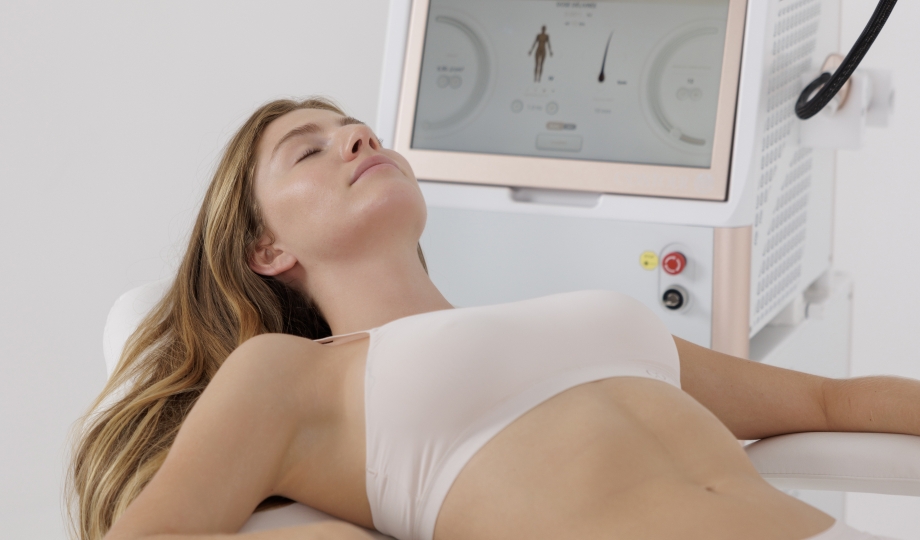
Radiofrequency is now one of the most documented and most recommended approaches for treating postpartum skin laxity.
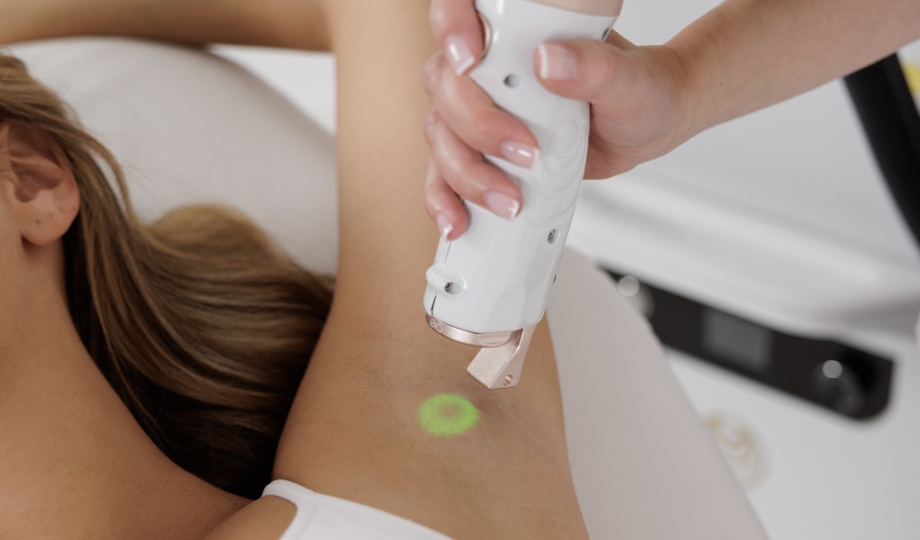
Its mechanism is simple and remarkably effective: electromagnetic waves heat the deep layers of the skin, the dermis and hypodermis, causing immediate contraction of existing collagen fibers while stimulating the production of new collagen.
The result: the skin tightens, becomes slightly denser, and gradually regains elasticity and radiance.
It is generally recommended to consider these sessions from six months after childbirth, allowing the skin time to recover naturally on its own. The tightening effect may be noticeable from the first sessions and gradually increases over several weeks as new collagen synthesis develops.
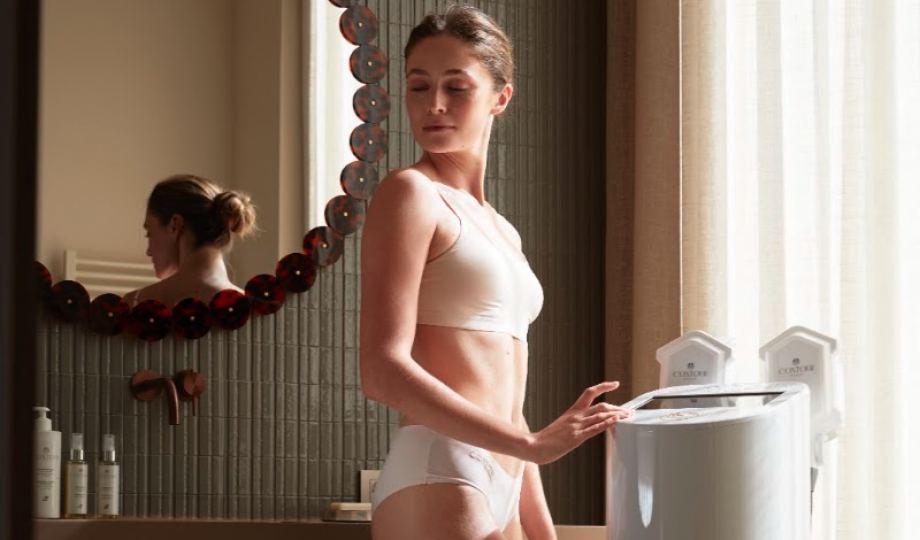
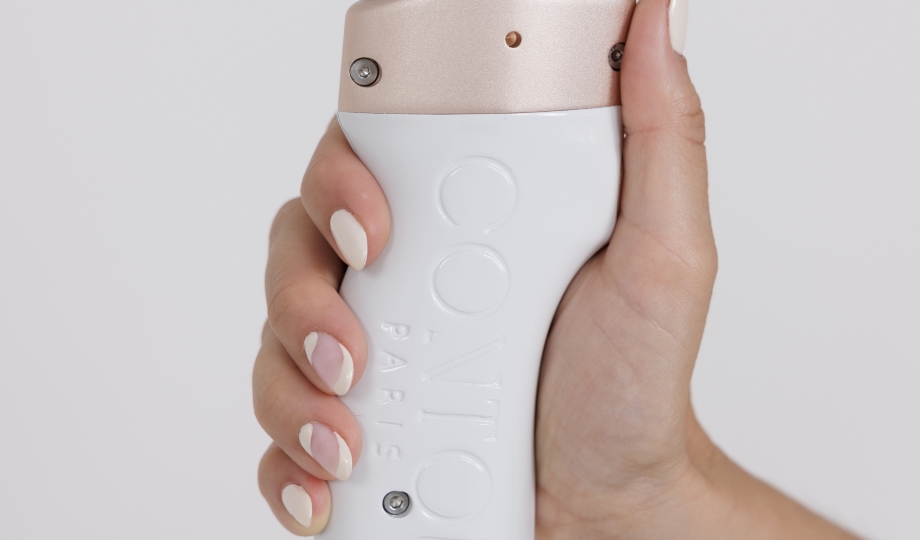
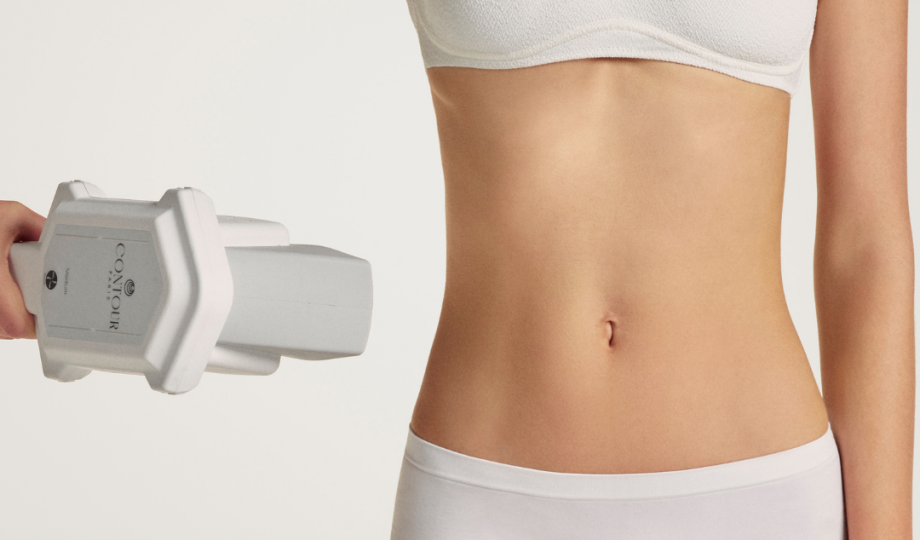
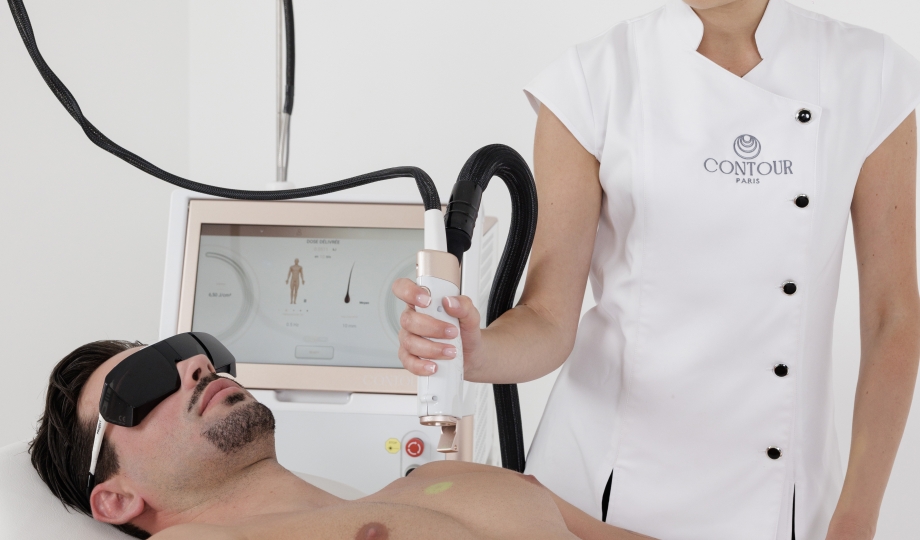
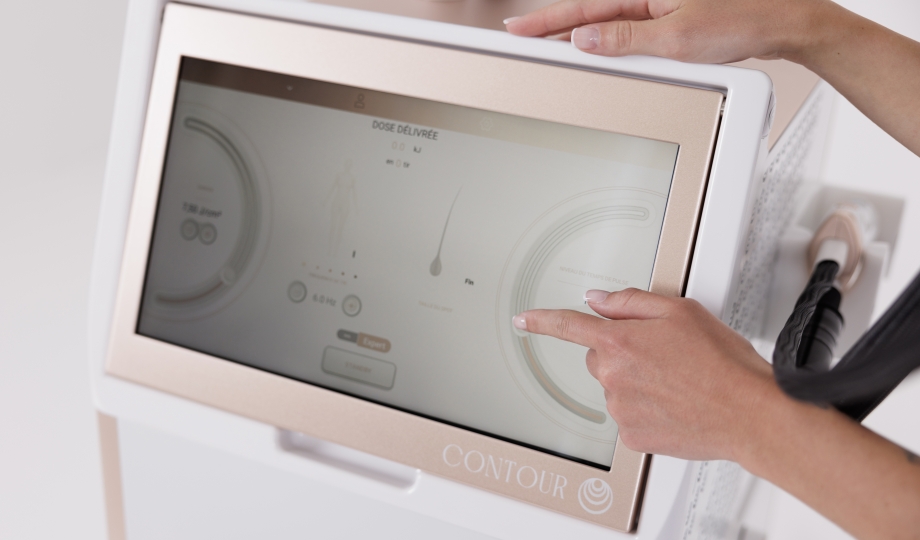
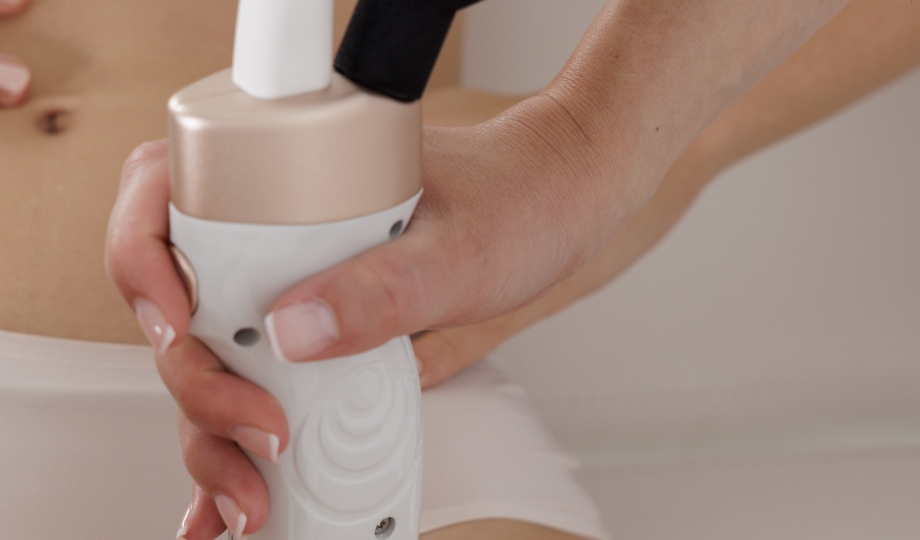
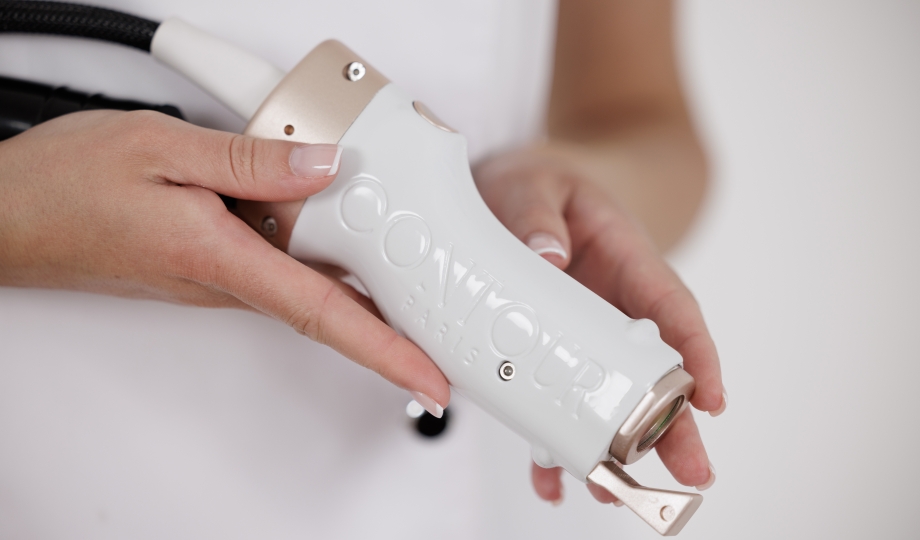
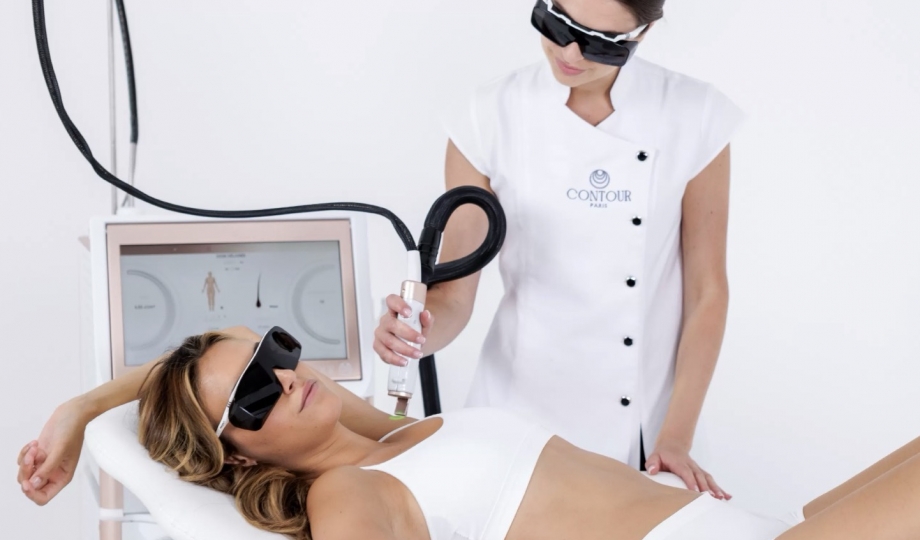
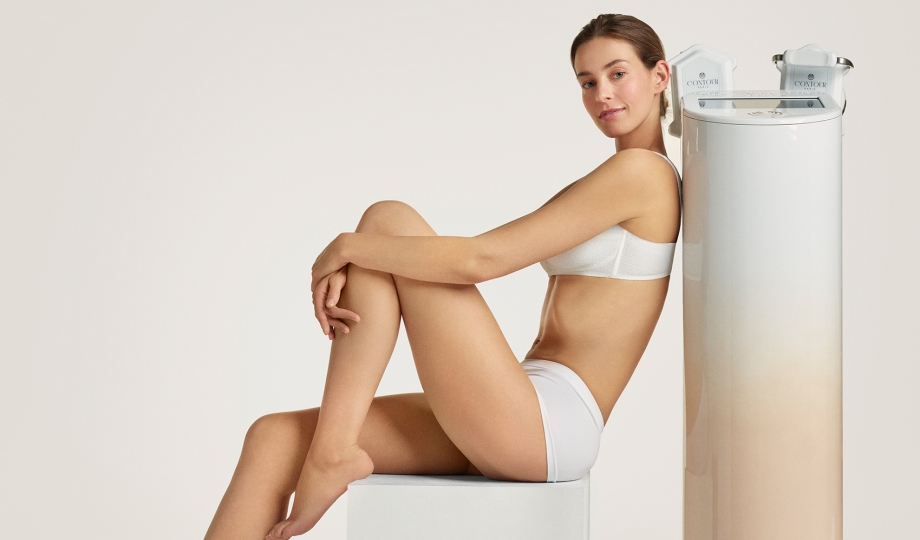
Contour Collagen Boost, the professional multi-frequency radiofrequency device developed and manufactured in France by Contour Paris, responds precisely to this concern.
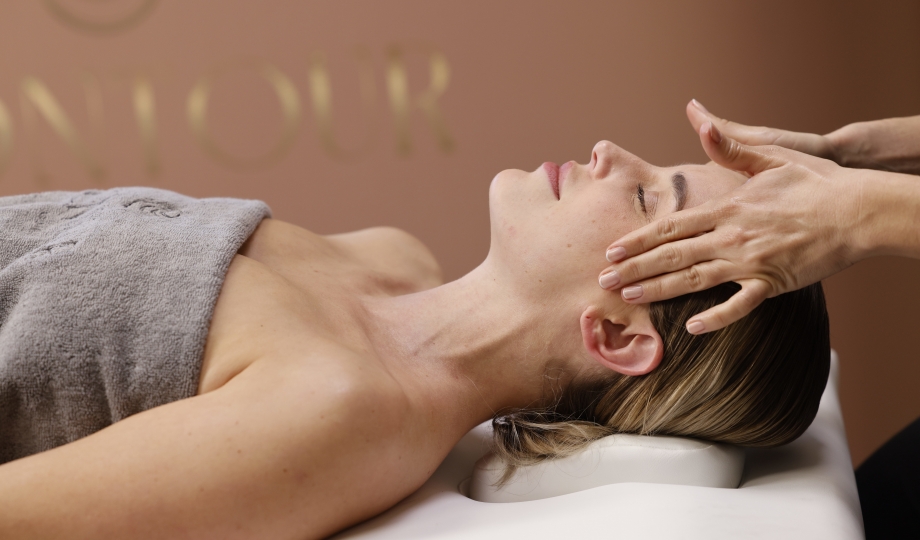
Its technology acts deep within the tissues to stimulate collagen and elastin, without pain, anesthesia, or any recovery time. The warmth of the treatment creates a relaxing sensation, offering a well-deserved moment of self-care.
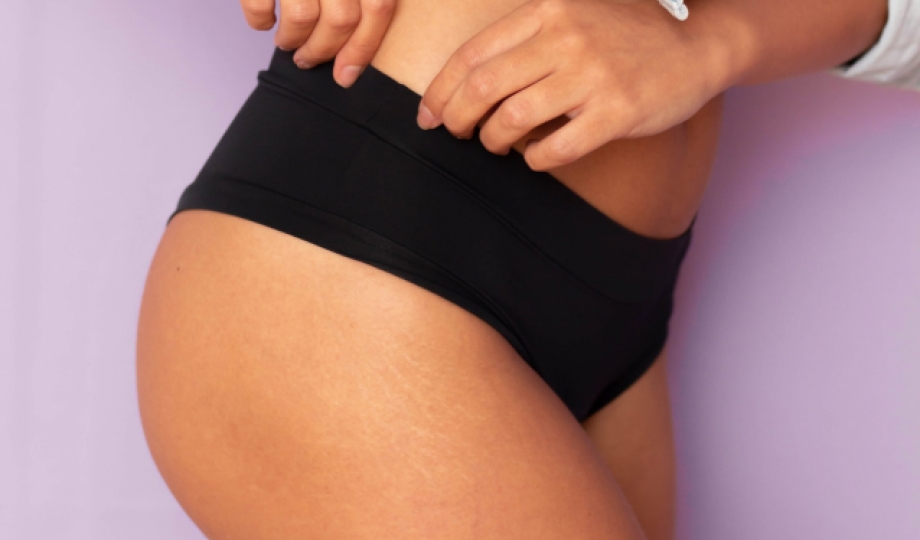
After pregnancy, some areas may accumulate localized fat that resists every effort: lower belly, “love handles,” and inner thighs. These fat deposits are not caused by a lack of effort. They respond to hormonal and genetic mechanisms that exercise and diet alone cannot always overcome.
Cryolipolysis is based on a simple and fascinating physical principle: fat cells, known as adipocytes, are much more sensitive to cold than the other cells in the skin.
When exposed to controlled temperatures, they enter apoptosis, meaning natural cell death, and are then gradually eliminated by the lymphatic system in the weeks that follow.
The technique was developed in the early 2000s by researchers at Harvard University, following the clinical observation that intense cold selectively affects adipocytes.
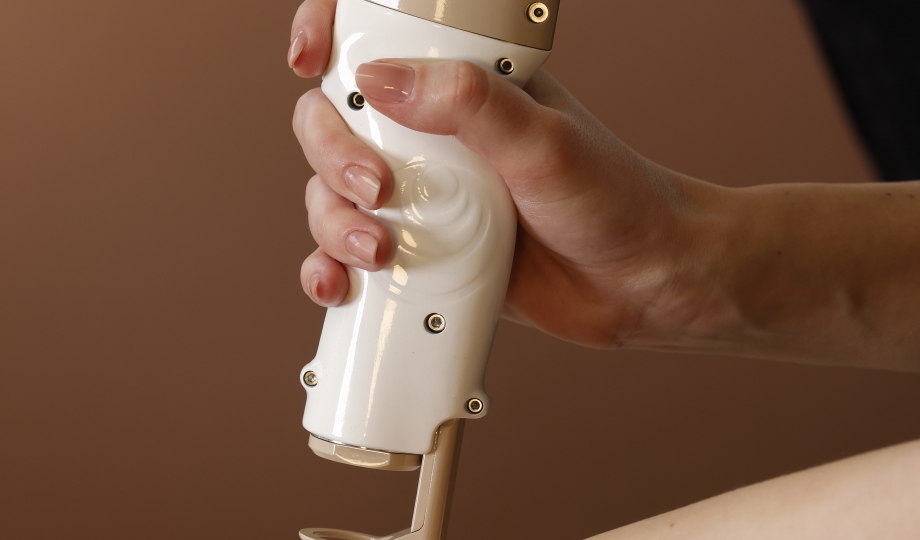
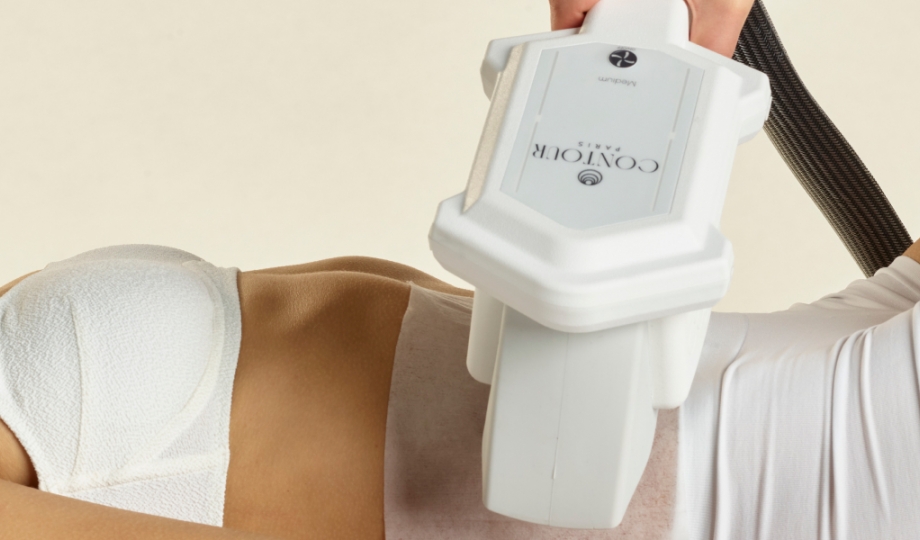
Contour Cryo pushes the boundaries of science. This technological jewel features ergonomic handpieces integrating 15 thermal sensors that continuously monitor temperature throughout the treatment, ensuring optimal safety and effectiveness.
Artificial intelligence is part of the process: the client’s age, weight, height, skin quality, and sports habits are recorded in the device to create a fully personalized protocol. No risk of burns, no social downtime, no surgery.
One important clarification: cryolipolysis is not recommended during breastfeeding, and a prior consultation with a professional is always advised to assess any possible contraindications.
This is a technology that many mothers know less about, yet it is particularly relevant in the postpartum context: high-intensity electromagnetic stimulation for muscle strengthening.
Contour Training is based on HI-ES technology, High Intensity Electromagnetic Stimulation.
In practical terms: applicators positioned on the abdominal muscles, buttocks, or thighs generate intense and forced muscle contractions, up to 25,000 contractions per session, which are impossible to achieve during a conventional workout.
All of this happens without pain or fatigue, because unlike traditional electrical stimulation, electromagnetic stimulation does not activate nociceptors, the pain receptors.
The postpartum benefit is twofold. First, it helps work the deep abdominal muscles, especially the transverse muscle, in mechanically gentle conditions, without impact on the pelvic floor. Second, it helps progressively restore abdominal muscle mass that pregnancy and months of reduced activity may have significantly weakened.
8 sessions, at a rate of two sessions per week, are generally needed to observe visible and lasting results. A progressive program adapted to each level, beginner, intermediate, or advanced, helps regain a flatter and more toned abdomen.
The real question is not “which one should I choose?” but “how can they be combined?” These three dimensions, nutrition, gentle exercise, and aesthetic technologies, are complementary rather than interchangeable. Each one reinforces the others.
So, what does a complete program look like in practice? The first postpartum weeks are dedicated to laying the foundations: stabilizing nutrition, gradually resuming gentle activity, and allowing the body to recover.
From six months postpartum, once pelvic floor rehabilitation has been completed and with approval from your doctor or midwife, an assessment with a professional trained in Contour Paris technologies can precisely map what needs to be treated.
In practice, a typical protocol takes place over approximately three months: one to two Enhanced Cryolipolysis sessions to target resistant fat deposits around the navel area and flanks; eight Contour Training sessions in parallel to rebuild the deep abdominal belt and reduce diastasis; and eight radiofrequency sessions to firm the skin and reactivate collagen production.
In total, this represents around twenty short sessions, without pain, without social downtime, and with an immediate return to daily activities after each treatment.
Reclaiming your body after pregnancy is not a race against time or a test of willpower. It is simply a matter of having the right information, the right habits, and the right allies, at the right time.
You already have everything you need. Now, it is your turn.
Most healthcare professionals recommend waiting at least six months after childbirth before considering non-invasive aesthetic treatments such as radiofrequency or cryolipolysis. This period allows the skin and tissues to recover naturally and ensures that pelvic floor rehabilitation has been completed. A prior consultation remains essential, especially to identify any possible contraindications.
Yes, provided that the immediate postpartum period has passed, meaning at least six months, and that a consultation has confirmed the absence of contraindications. Cryolipolysis is not recommended during breastfeeding.
Yes, this is one of the most recognized indications for radiofrequency. By stimulating collagen and elastin production deep within the tissues, it helps improve skin firmness and texture, without surgery and without social downtime. Results are progressive and develop over several weeks after the sessions.
Yes, and it even offers specific benefits in the postpartum context. By working the deep muscles of the abdominal belt through electromagnetic stimulation, without mechanical impact on the pelvic floor, it allows progressive and secure strengthening.
Not only can they be combined, they actually reinforce each other. Physical activity improves circulation, supports the natural elimination of fat cells after a cryolipolysis session, and enhances the effects of muscle strengthening. Nutrition, exercise, and aesthetic technologies form a perfectly coherent trio.
Share

















Vos informations ont bien été mises à jour.
Cette fenêtre se fermera automatiquement dans quelques secondes...
Cette fenêtre va se fermer automatiquement dans 3 secondes...
Veuillez saisir l'adresse email rattaché à votre compte client pour recevoir un lien de réinitialisation de votre mot de passe.
Vous pouvez maintenant commander et suivre vos commandes. Cette fenêtre va se fermer automatiquement dans 5 secondes...