
Share


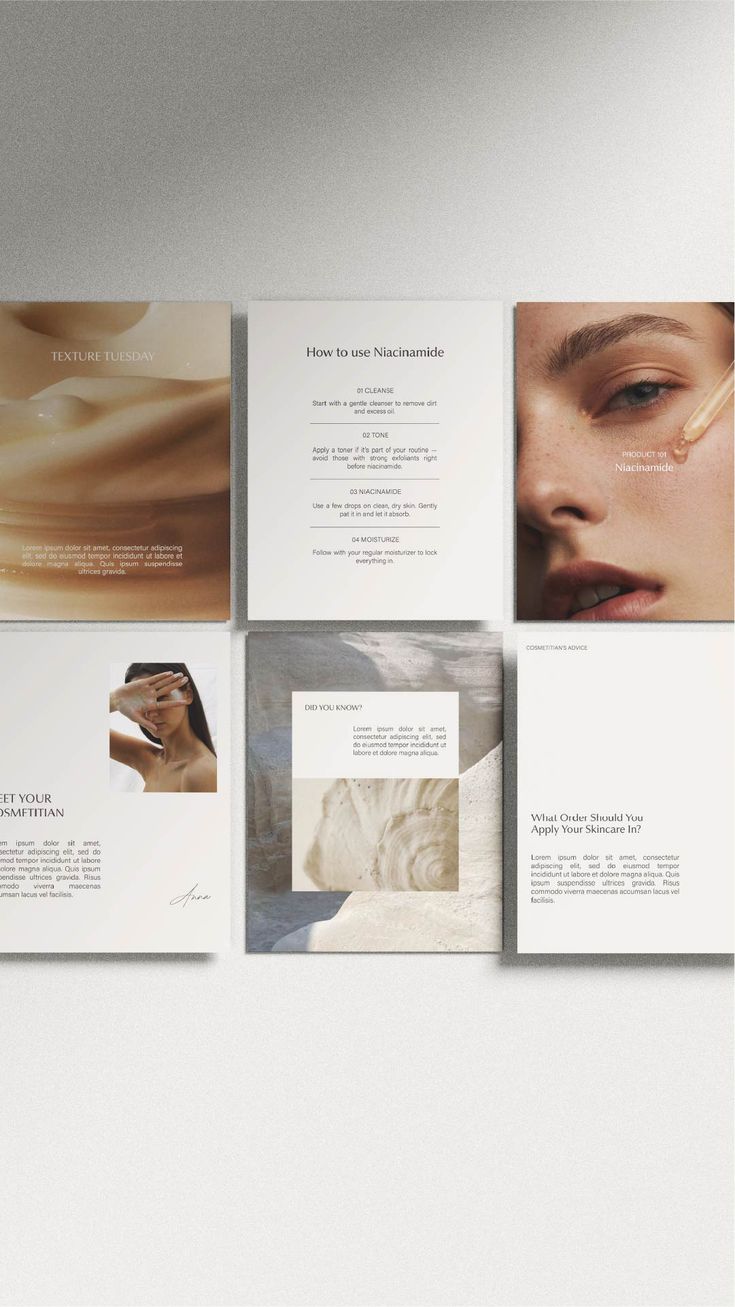
1. Branding in a Beauty Salon: What Are We Really Talking About?
Today, opening a beauty salon or investing in aesthetic technology is no longer enough. You may offer excellent treatments, have high-performance equipment, be skilled, serious, passionate — and still struggle to stand out.
Why? Because your clients are not only choosing a treatment. They are choosing an experience, a promise, an atmosphere, a brand personality. And if these elements are not built consciously, they will still be built — but outside your control.
Branding is the set of elements that shape the identity of your salon: your name, your logo, your colors, your tone of communication, your décor, your treatments, the way you welcome clients, your prices, your social media presence, your messages. But above all, it is the emotion you leave with your clients.
Your brand is not what you say about yourself. It is what clients remember about you.
And the figures confirm it: companies that maintain consistent brand presentation across all touchpoints record revenue increases of between 23% and 33%, according to Lucidpress / Marq.
For an independent beauty salon, this translates very concretely into clients who come back, recommend you, and accept your prices without systematically comparing them to the competition.
Before talking about logos or colors, ask yourself one simple question: why should a client come to you rather than somewhere else?
This is the foundation of everything. Your positioning must answer three points: who you help, with what expertise, and with what difference.
In practice, several directions are possible, and each one opens a different market. A salon positioned as an expert in anti-aging and slimming technologies does not speak to the same clientele as a highly personalized facial care studio, a center specialized in laser hair removal, or a hybrid space combining well-being, performance and aesthetic support.
What matters is not which positioning you choose. What matters is choosing one, and staying consistent with it.
The most common trap is wanting to speak to everyone. A client must quickly understand what you offer and what makes you different. If your message sounds like every other salon, with phrases such as “facials, slimming, hair removal, well-being,” you become interchangeable. And when a brand becomes interchangeable, price often becomes the only decision criterion.
To structure your positioning, the Bpifrance Création platform offers free methodological tools to define and formalize your business positioning, a useful starting point to lay solid foundations.
Visual identity is often the most visible part of branding. It includes your logo, colors, fonts, photos, printed materials, website, Instagram stories, gift cards and treatment sheets.
But beautiful does not necessarily mean strategic.
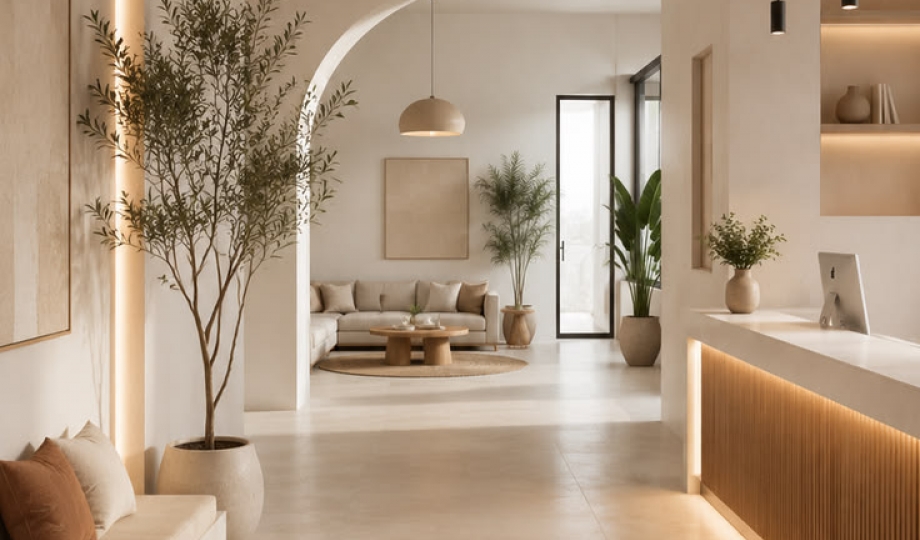
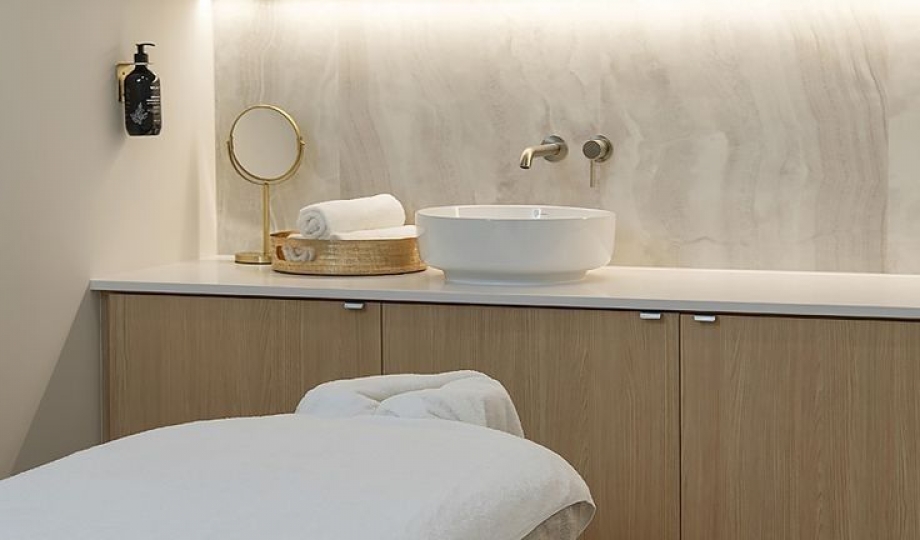
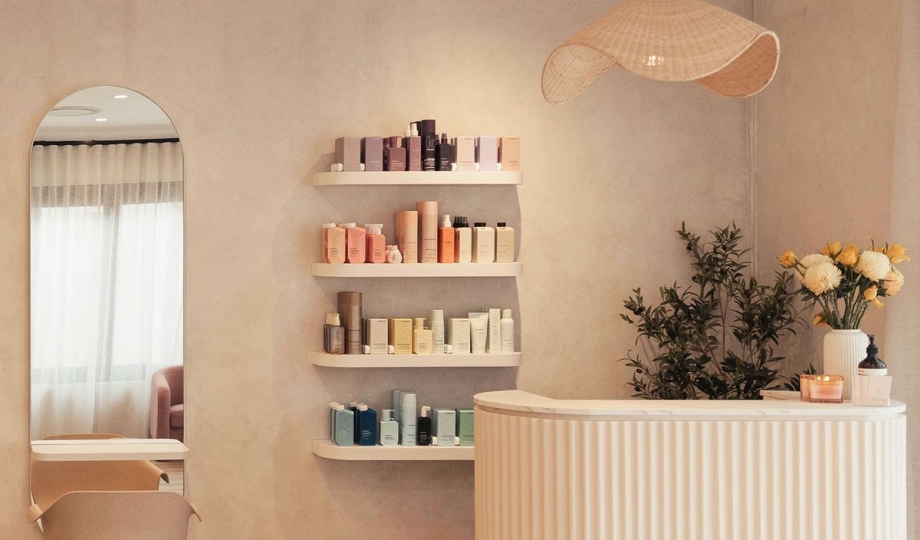
Your colors must tell a story. Nude, sand or cream tones evoke softness, care and understated premium positioning: these are the codes of salons that want to be perceived as refined and accessible at the same time.
More contrasted colors, such as clinical white, black or anthracite grey, evoke technology, performance and medical aesthetics. A very fine typeface gives an elegant impression. A typeface that is too whimsical reduces the perception of professionalism.
Take the example of Aesop: its branding is based on a minimalist, intellectual, almost “chic pharmaceutical” universe, where every detail — tone of voice, store design, packaging, communication — reflects a strong and coherent visual signature.
At the scale of an independent beauty salon, the logic is the same: every visual touchpoint must speak the same language.
Your visual identity must be readable everywhere: on a storefront, an Instagram story, a brochure, a loyalty card, or a price list.
The right reflex is to create a mini brand guideline with your main colors, fonts, photography style and usage rules. This avoids scattered visuals, inconsistent posts and a “homemade” impression.
If you want to protect your salon name or logo, theINPIallows you to register a trademark in France from 190 euros, a simple step that is often overlooked, yet essential as soon as your local reputation begins to grow.
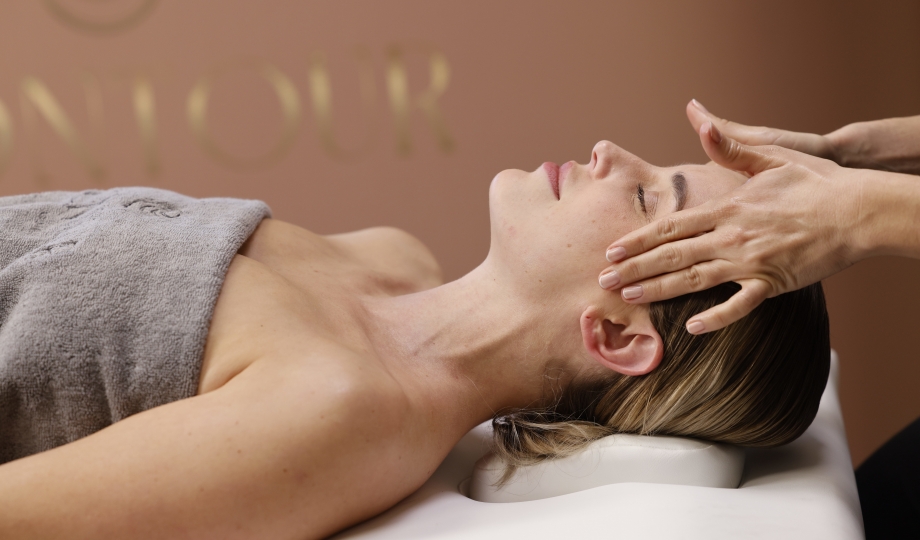
A strong brand is not only seen. It is experienced.
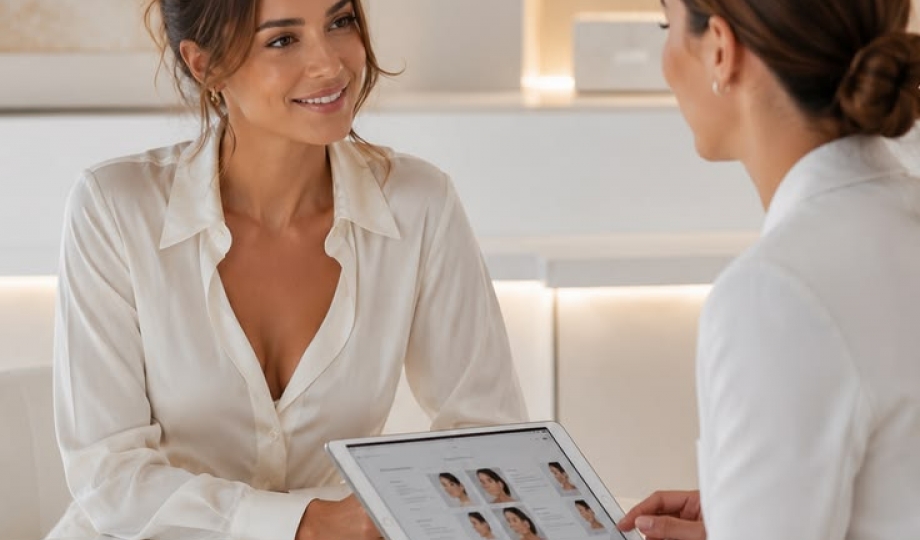
Your branding must be felt from the very first contact: the way you answer the phone, your appointment confirmation message, your welcome on arrival, the scent of your space, the music, the vocabulary used in the treatment room, the way you present a diagnosis, and the follow-up after the treatment.
It is often in these details that the real difference is created — the kind of difference your clients may not know how to name, but that they deeply feel.
A concrete example: instead of simply saying, “we are going to do a slimming session,” try: “today, we are going to work on skin quality, drainage and tone to gradually improve the appearance of this area, and I will explain what is happening during the treatment.”
The second phrasing is more expert, more reassuring, and more valuable. It transforms a technical act into professional support.
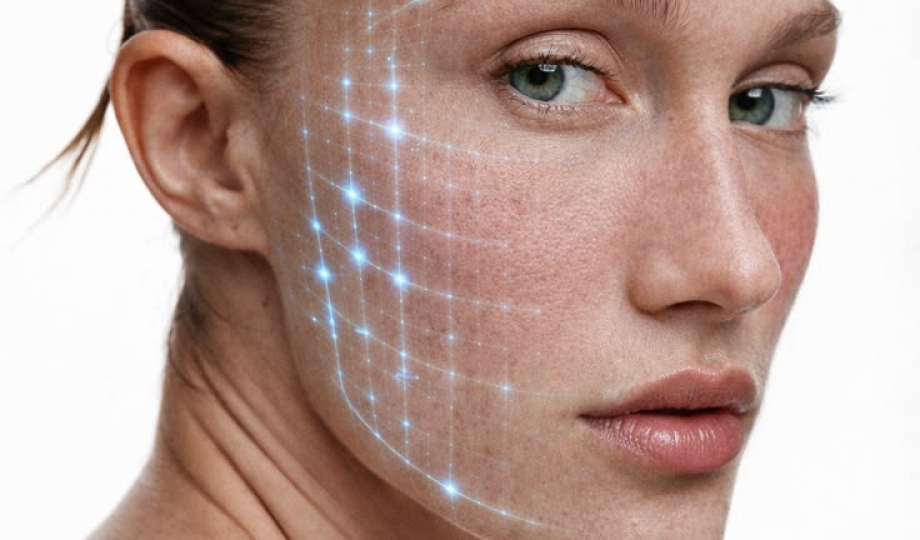
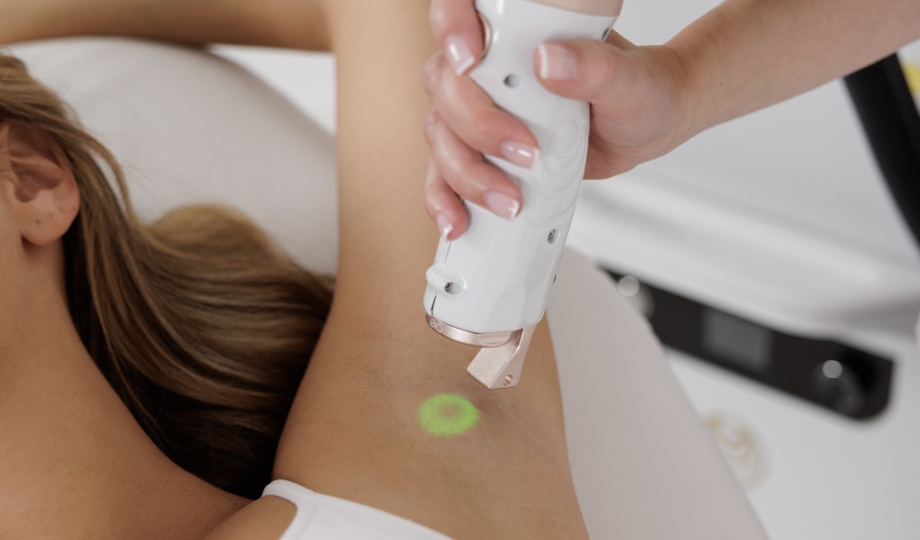
This is especially decisive if you offer advanced aesthetic technologies: laser hair removal, body contouring, technical facial treatments, anti-aging protocols. The less familiar the technology is to your clients, the more your ability to explain it simply and reassure them becomes part of your brand image.
Can you create a strong brand while constantly cutting prices? It is very difficult.
Promotions can have their place in a commercial strategy, but they should not become your main argument. If your communication relies only on discounts, you train your clients to wait for the lowest price. You weaken your profitability, and your image along with it.
A strong brand knows how to explain its value. Your price must be consistent with your level of expertise, the quality of your technologies, your support, your diagnosis, your follow-up and the expected results.
A client accepts a premium price much more easily when she understands what it includes, and when every detail of her experience with you confirms that the price is justified.
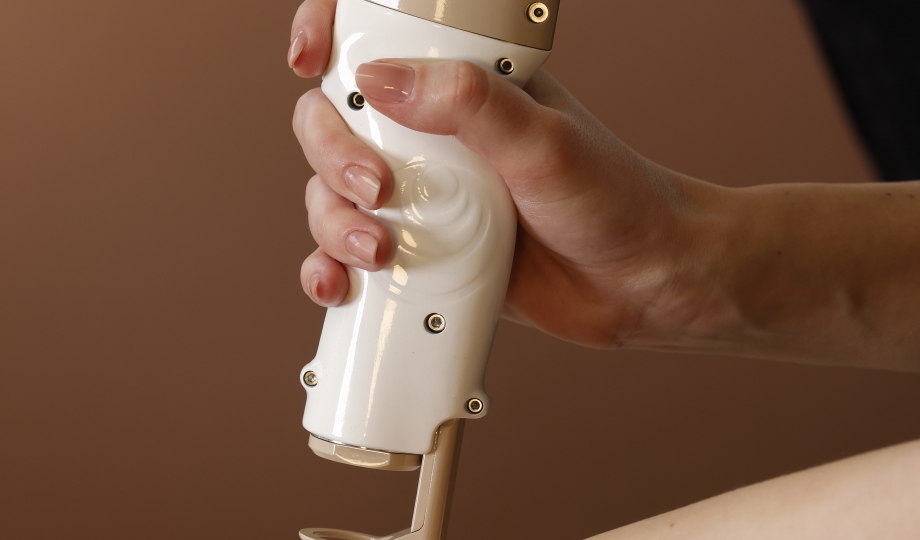
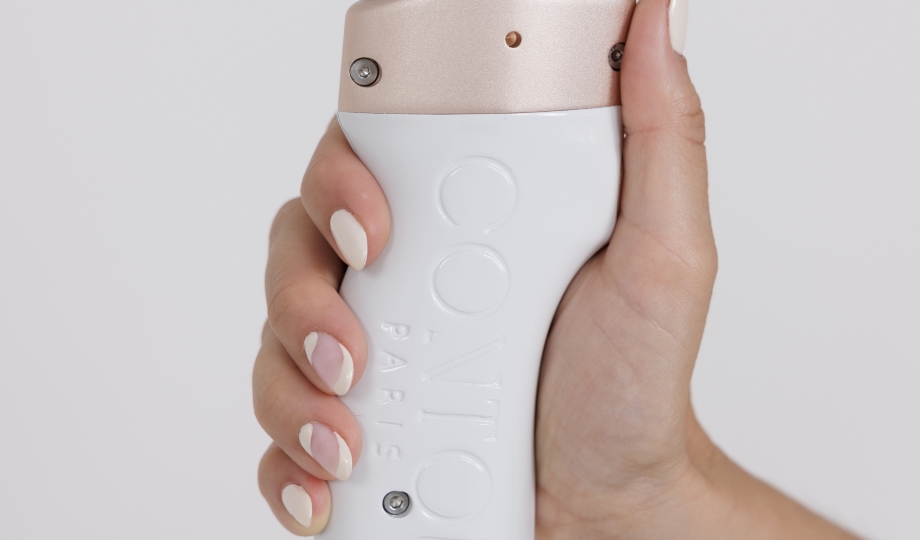
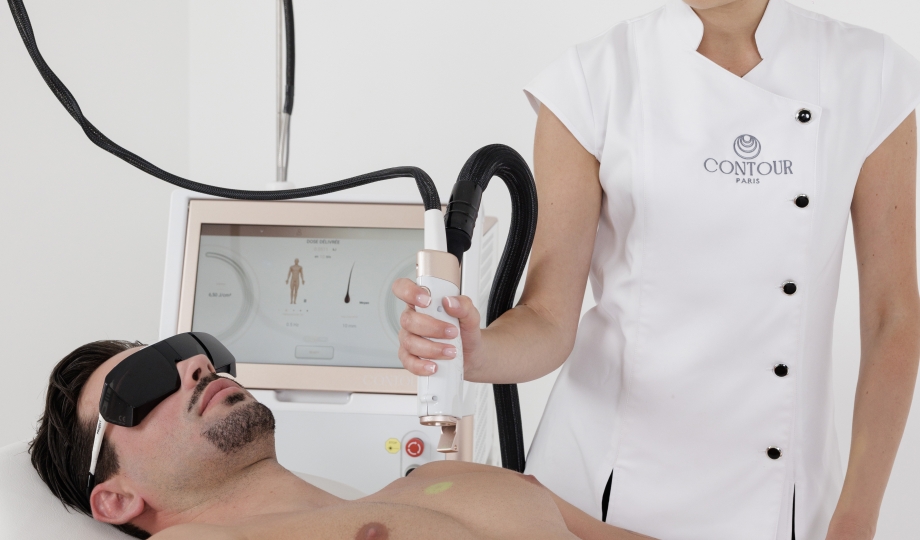
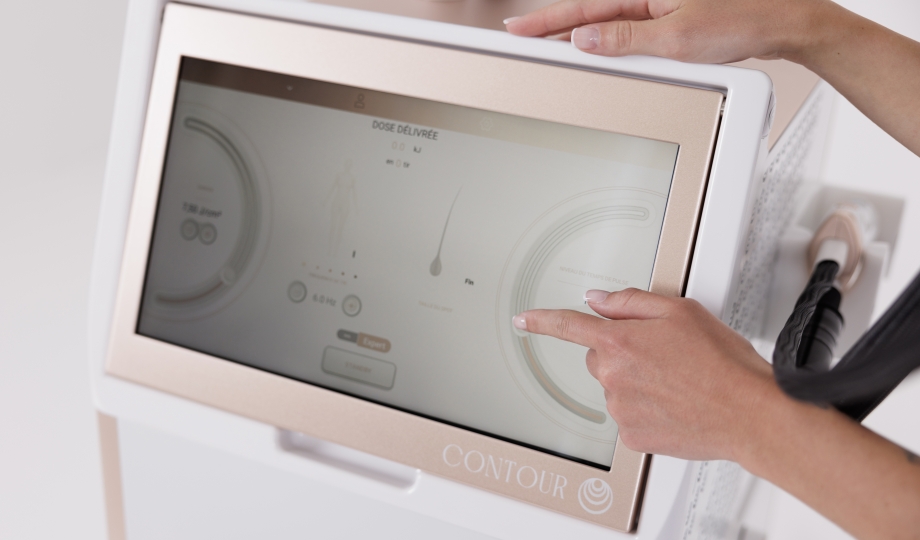
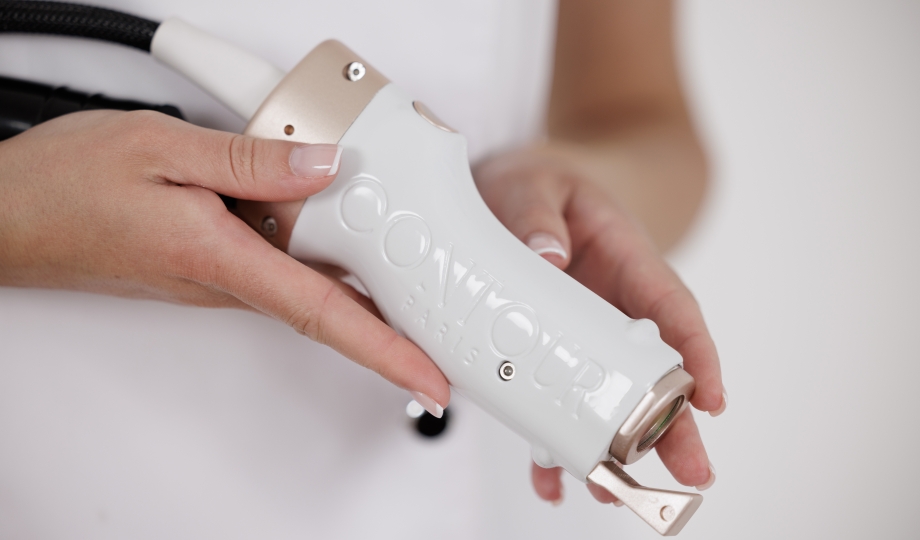
This is where recognized technology becomes a true lever for your brand image. Investing in professional equipment that is well designed, well explained and supported by solid training allows you to strengthen your credibility.
You are no longer selling “a machine session.” You are offering a structured, secure protocol with real perceived value and a real story to tell your clients.
To discover Contour Paris professional technologies, visit the website: Contour Paris.
Your messaging is just as important as your image. What do you say on your website? On Instagram? In the treatment room? On your brochures? In your emails? Your message must be clear, consistent and client-focused.
The difference between weak messaging and strong messaging often comes down to one principle: start from the client’s need, not from your technique.
Instead of saying, “we offer an anti-aging treatment with innovative technology,” try: “do you feel that your skin is less firm, your complexion more tired, and your features less toned? This treatment has been designed to stimulate the skin in depth and help you regain a brighter, fresher, more rested-looking face.”
You start from the client’s feeling, then present your solution. This is much more powerful.
In branding, words matter. Avoid vague formulas such as “reveal your beauty” or “take care of yourself” if they are not supported by a more concrete promise. Your client wants to dream, yes, but she also wants to understand. The two are not incompatible.
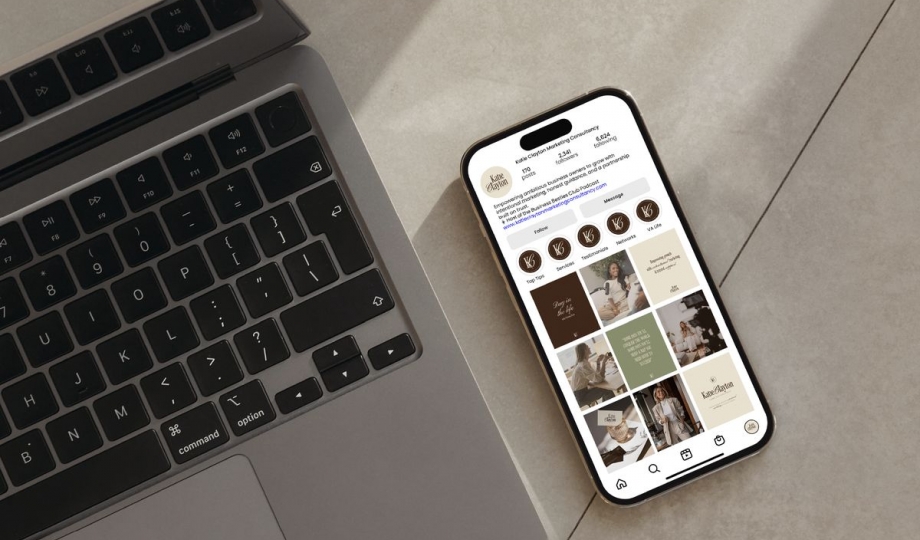
Instagram, TikTok and Google Business should not be used only to “post when you have time.” They are strategic showcases, and what you show there must reflect your positioning.
If you want to be perceived as an expert, publish simple explanations, advice, framed before-and-after content, answers to frequently asked questions and professional behind-the-scenes content.
If you want to create a premium image, pay attention to the quality of your visuals, consistency, tone and staging.
A client does not book only because she has seen a pretty photo. She books because she thinks: “this professional understands my problem, she knows what she is talking about, I can trust her.”
This space of trust is what your content must build, post after post.
To go further with social media strategy for beauty salons, read the complete Instagram and TikTok guide for aesthetic professionals, as well as the advice on Google My Business for local visibility, published on the Contour Paris blog.
Because effective communication is not innate, the Académie de Formation en Esthétique et Esthétique Médicale has created a communication and marketing training program specifically for professionals in aesthetics and well-being.
The program is fully remote, complete and practical, designed to help you learn the techniques that truly work to make your salon shine.
Discover the training: AFEEM communication and marketing training.
Getting inspired, yes. Reproducing, no. Your brand must have its own personality, one that reflects you and speaks to your target clientele.
New colors, new tone, new offers, new promises every three months. A strong brand is built through repetition and consistency, and this consistency is directly responsible for recognition, trust and then client loyalty.
Time works in your favor, provided you remain consistent.
Your brand image directly depends on your ability to explain, advise and reassure your clients. High-performance technology without professional messaging loses part of its perceived value.
Conversely, a well-trained professional turns her expertise into a trust-building argument, and this argument is visible in every interaction, every appointment, every exchange.
Discover AFEEM training programs: https://afeem.fr/formations/.
If you claim an expert positioning, your diagnosis, protocols, explanations and follow-up must meet that standard. A promise that is not kept is far more damaging than a modest promise that is fulfilled.
Branding is not a “marketing bonus.” It is a growth tool. It helps you attract the right clients, justify your prices, build natural loyalty, sell your treatments more easily and give your salon a real direction.
A strong brand does not try to please everyone. It aims to be clear, consistent and memorable.
Ask yourself this question: when a client thinks of your salon, what do you want her to feel? Trust? Expertise? Understated luxury? Closeness? Performance?
Your answer must guide every detail: your communication, your treatments, your technologies, your welcome, your prices and your support.
Creating a strong brand for your beauty salon ultimately means building much more than a visual identity. It means creating a universe your clients want to enter, return to and talk about.
Tools like Canva allow you to create a simple and consistent visual identity without technical skills. The key is to choose two main colors, one or two fonts, and stick to them across all your materials.
A simple but consistently applied brand guideline is better than a complex one applied randomly. If your budget allows it later on, investing in a graphic designer to lay the foundations is one of the most profitable purchases you can make for your image.
There is no minimum amount. Many salons build a strong image with a very limited budget, thanks to consistency and regularity.
The priorities are: a professional logo, between 300 and 1,500 euros depending on the provider, possibly trademark registration with the INPI, starting from 190 euros, and time dedicated to your communication.
What costs the most, in reality, is inconsistency: changing direction every six months has a cost in visibility and credibility that is much higher than a good initial investment.
This is precisely where small salons have an advantage. Large chains sell a standardized offer. You sell a relationship, personalized expertise, a practitioner who knows her clients by name and remembers their skin from one session to the next.
This is a form of branding that cannot be replicated, provided that you cultivate it consciously and highlight it in your communication.
Specializing is almost always more profitable than remaining generalist, especially in a competitive local market. A clear specialization makes you memorable, allows you to develop recognized expertise and naturally justifies higher prices.
This does not mean refusing treatments outside your niche, but your communication, your messaging and your image should point in one main direction.
Here are a few concrete signs: your clients spontaneously recommend you while specifying what makes you different, not just saying “she is good.” They come back without you having to follow up. They accept your prices without systematically negotiating.
And when a new client arrives, she often already has a fairly precise idea of what she is looking for with you, because your image has already done the work before she even walked in.
Share






















































Vos informations ont bien été mises à jour.
Cette fenêtre se fermera automatiquement dans quelques secondes...
Cette fenêtre va se fermer automatiquement dans 3 secondes...
Veuillez saisir l'adresse email rattaché à votre compte client pour recevoir un lien de réinitialisation de votre mot de passe.
Vous pouvez maintenant commander et suivre vos commandes. Cette fenêtre va se fermer automatiquement dans 5 secondes...