
Share


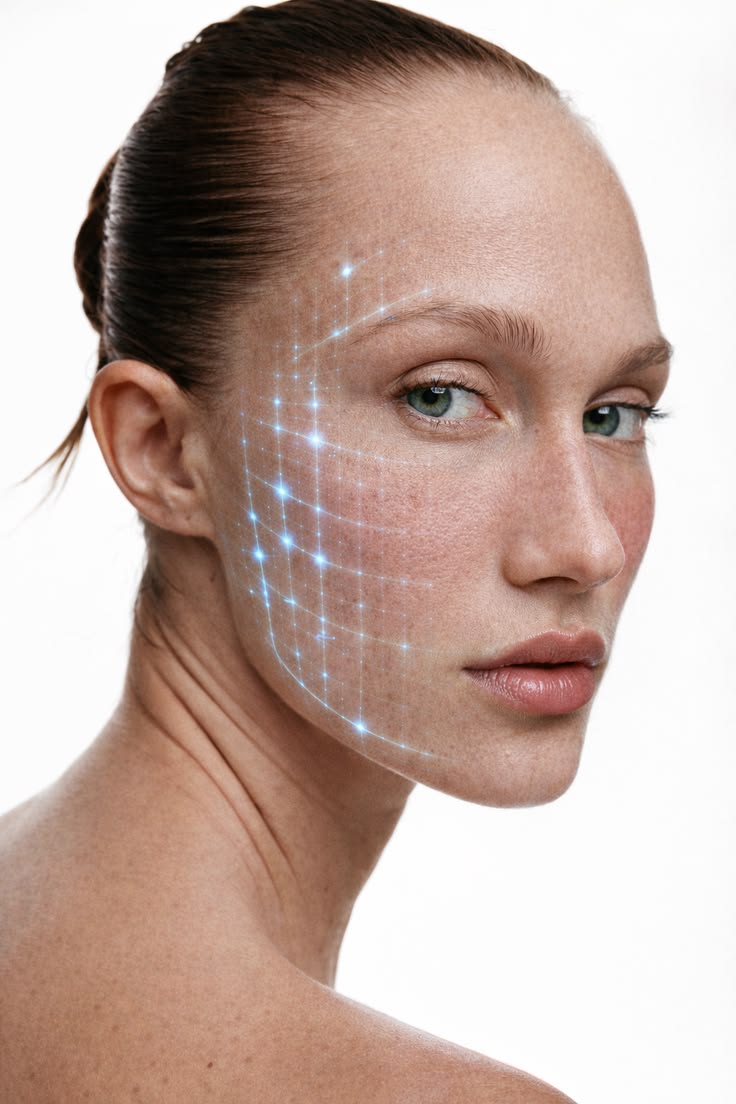
Skin analysis: the beauty therapist's expert method
Let us be honest: when the schedule is tight, skin analysis is sometimes rushed. A quick glance, two or three questions, and then straight into the treatment. That is a serious mistake. This is precisely the moment that separates a “standard” service from a premium experience your client will remember.
A successful skin analysis is your expert signature. It allows you to select the right cosmetic ingredients for your client's skin type, explain your recommendations and, above all, build loyalty. A client who feels that you have genuinely understood her skin and concerns is more likely to return and recommend you to others.
Here is the complete method for a good skin analysis, step by step, including practical tips and the tools that make a difference.
Before discussing the method, there is one principle that changes everything and is frequently misunderstood. Skin type is the biological nature of the skin, its genetic identity: dry, normal, combination or oily. It changes relatively little over time. Skin condition, by contrast, describes how the skin appears at a particular moment: dehydration, sensitivity, redness, dullness and so on. It varies with the seasons, stress, diet and hormonal changes.
The classic mistake is confusing dry skin with dehydrated skin. Dry, or lipid-deficient, skin lacks oil; dehydrated skin lacks water. Oily skin can also be dehydrated, and this is common. Being able to explain this distinction to a client immediately reinforces your credibility.
A structured skin analysis always follows the same sequence: listen, look, touch and then confirm with the tools. Nothing more and nothing less.
Everything begins with a discussion, on clean, make-up-free skin. The consultation is a general questionnaire that provides information about your client and her lifestyle. Age, circumstances, occupation, diet, stress level, current skincare routine, medication, allergies and sun exposure are never insignificant details: they guide the rest of the analysis.
Expert tip: allow the client to speak. A client who says that her skin “has felt tight since changing moisturiser” or “becomes shiny by the end of the day” has already given you half the analysis. Listen to the words she uses, as they reveal both her experience and expectations.
Now use your eyes. On clean skin under good lighting, observe every angle: skin texture, complexion, shine, pores, redness, fine lines, pigmentation, blemishes and flaking. Work zone by zone, because the same face is rarely uniform.
A segmented, zone-by-zone approach:
Touch confirms and refines the analysis. Palpation reveals the skin's true texture: thin or thick, supple or rough, compact or lax. An area that appears normal to the eye may feel dehydrated on contact, with a dry or slightly rough sensation.
Absolute hygiene rule: hands must be disinfected before palpation. This is non-negotiable, both for hygiene compliance and for the professional image you convey.
Tools do not replace your eyes or hands: they confirm your findings and positively impress the client. The most accessible and cost-effective option is a magnifying lamp, which provides an enlarged, illuminated view of the skin and helps reveal imperfections that are difficult to see with the naked eye.
The Wood's lamp: an underestimated ally. This device emits UVA radiation that makes the skin fluoresce to varying degrees depending on its condition. Positioned 10-20 cm from the face in a dark room, it uses colour patterns to reveal what may escape the naked eye: hydration, thickness, oiliness and pigmentation. The analysis takes 5 to 10 minutes and is painless and non-invasive.
Interpreting colours under the Wood's lamp:
| Colour observed under the lamp | Interpretation |
|---|---|
| Blue-white | Healthy, normal skin |
| Intense fluorescent white | Thickened / hyperkeratinised skin |
| Violet / pale mauve | Dehydration (lack of water) |
| Yellow to orange | Oily areas, seborrhoea, sebum in the pores |
| Brown | Pigmented spots, hyperpigmentation |
| White spots | Dead skin cells, flaking |
Expert note: digital skin analysers, including connected cameras, go further but remain expensive. A Wood's lamp offers excellent value for money when starting out.
Want to stand out further? Move beyond the standard “dry / normal / combination / oily” classification. Dermatologist Leslie Baumann developed in 2008 an assessment system that became an international reference, one of the few supported by published scientific validation.
The system uses a questionnaire to assess four parameters: hydration (dry or oily), sensitivity (sensitive or resistant), pigmentation (pigmented or non-pigmented) and ageing (wrinkled or firm). Combining these axes creates 16 distinct skin types, offering a level of detail that transforms your advice and impresses demanding clients.
An analysis that leaves no record is an analysis that is lost. The skin-analysis form records the client's information, identified skin type and condition, the areas assessed and the recommended treatments. It serves several purposes: monitoring changes over time, ensuring continuity if another colleague sees the client and demonstrating the seriousness of your approach.
It is also a genuine service within the treatment: the client recognises the value of the time you devote to understanding her skin.
This is where many practitioners stop. Skin analysis is not the end; it is the starting point. Here is the winning sequence.
The right ethical principle: recommend a treatment because the skin justifies it, never simply to increase sales. This honesty is, paradoxically, your strongest commercial argument: it turns a client into a loyal client.
The consultation: a discussion with the client, on clean, make-up-free skin, to understand her age, lifestyle, current routine and concerns. This listening stage guides the entire assessment.
Skin type is the skin's biological nature — dry, normal, combination or oily — and remains relatively stable over time. Skin condition describes how it looks at a particular moment, such as dehydration, sensitivity or redness, and varies with the seasons, stress and hormonal changes.
Dry skin lacks oil and lipids, whereas dehydrated skin lacks water. Oily skin can therefore also be dehydrated. Dehydration may be identified through fine flaking, dullness and dehydration lines.
It emits UVA radiation that makes the skin fluoresce according to its condition. Through a colour code, it reveals hydration, thickness, oiliness and pigmented spots in addition to visual observation. It is quick and non-invasive.
No. A magnifying lamp and Wood's lamp already provide an excellent analysis at an accessible cost. Digital analysers are more precise but expensive, and they do not replace the practitioner's eyes and hands.
Explain the findings clearly, adapt the treatment-room protocol, prescribe a home routine with suitable ingredients and plan a seasonal follow-up to monitor changes in the skin.
Performing a successful skin analysis is not about ticking boxes on a form: it means listening, observing, touching and confirming, then translating all of that into advice the client understands and follows. This rigour is what makes you an expert rather than simply a treatment provider.
Because skin is constantly changing, your professional eye must continue to develop. Ongoing training remains the best way to master the most precise protocols — and to remain the trusted reference your clients rely on.
Sources:Leslie Baumann's skin-classification system (Baumann Skin Type Indicator, 2008); dermatological literature on Wood's lamp examination; professional aesthetic assessment frameworks based on consultation, observation and palpation.
Share














Vos informations ont bien été mises à jour.
Cette fenêtre se fermera automatiquement dans quelques secondes...
Cette fenêtre va se fermer automatiquement dans 3 secondes...
Veuillez saisir l'adresse email rattaché à votre compte client pour recevoir un lien de réinitialisation de votre mot de passe.
Vous pouvez maintenant commander et suivre vos commandes. Cette fenêtre va se fermer automatiquement dans 5 secondes...