
Share


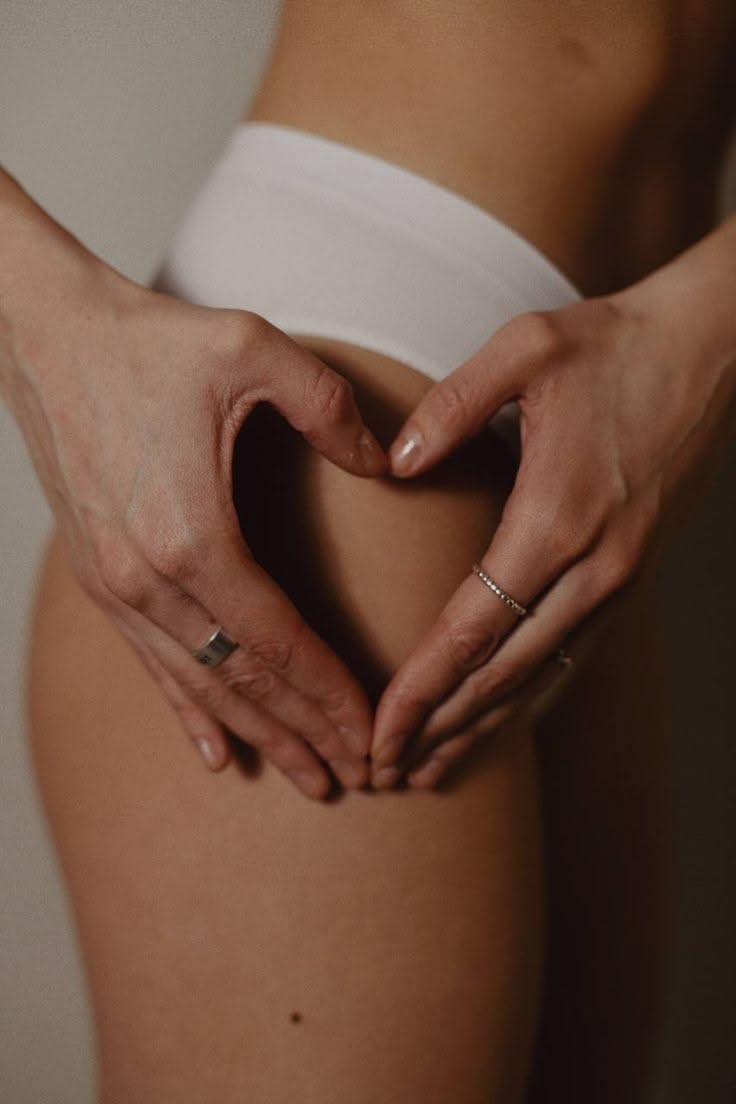
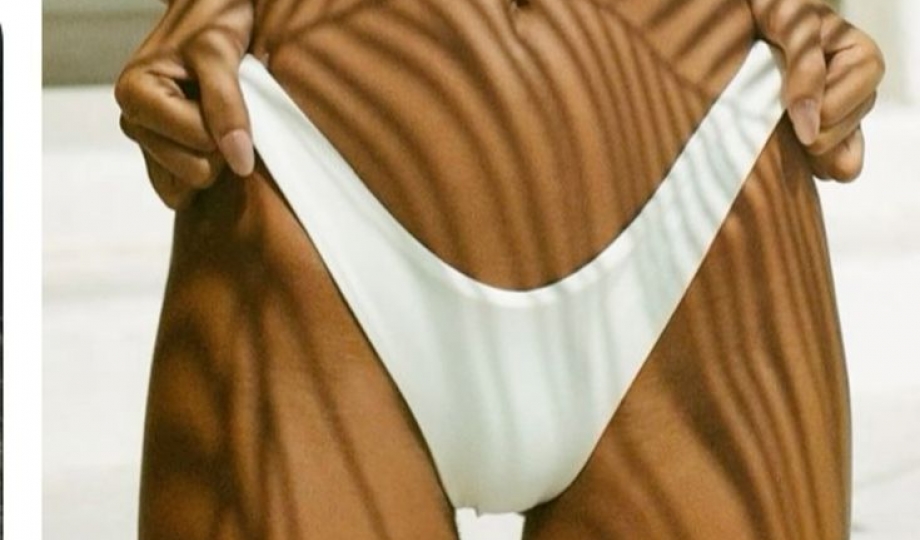
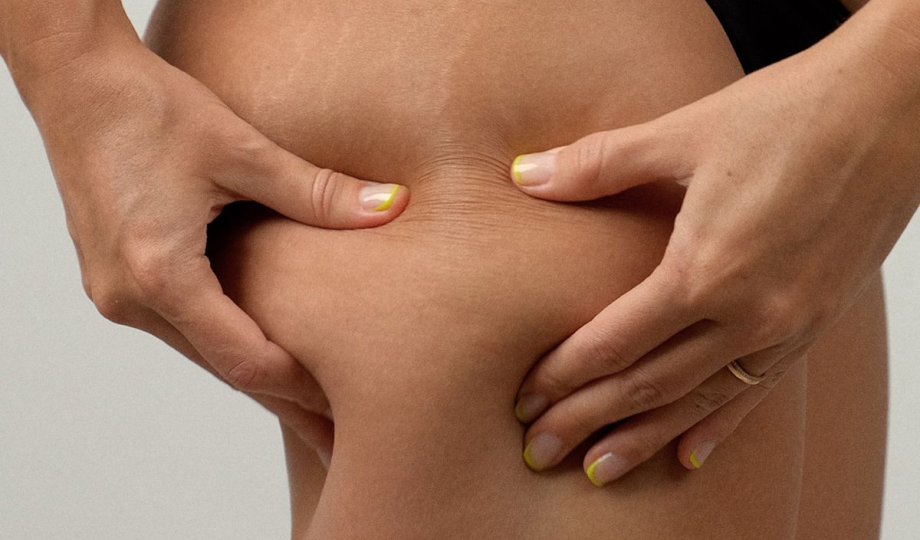
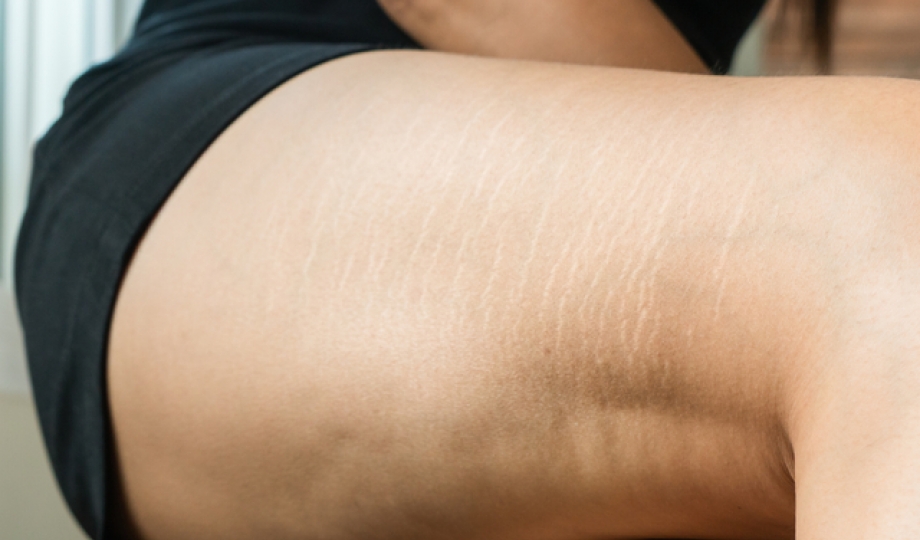
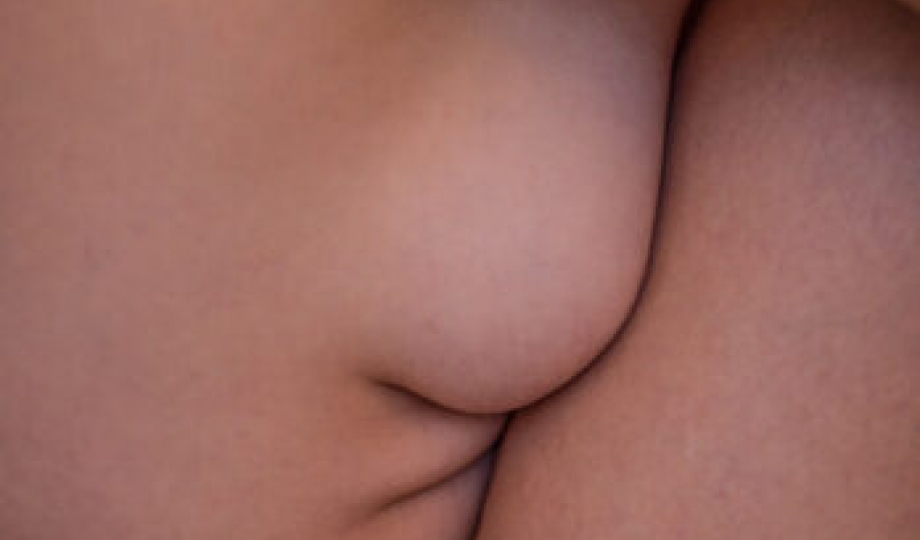
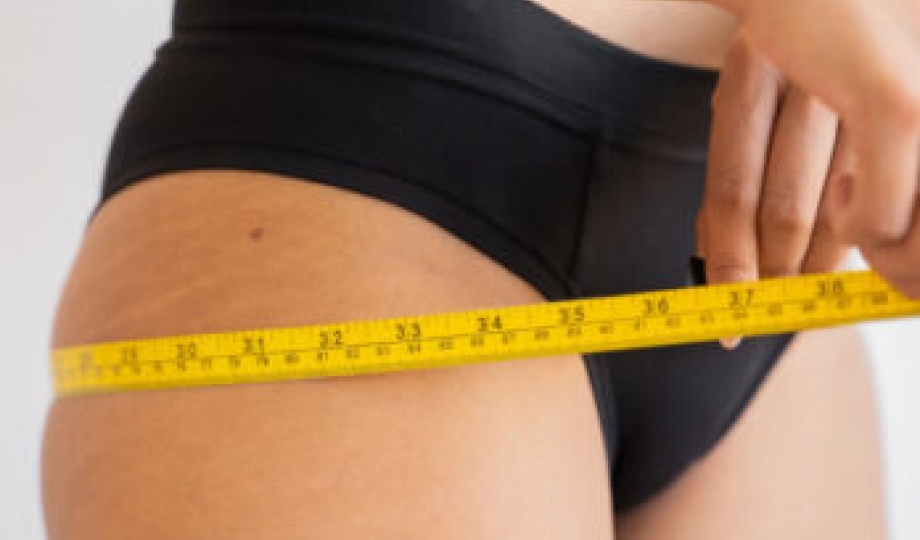
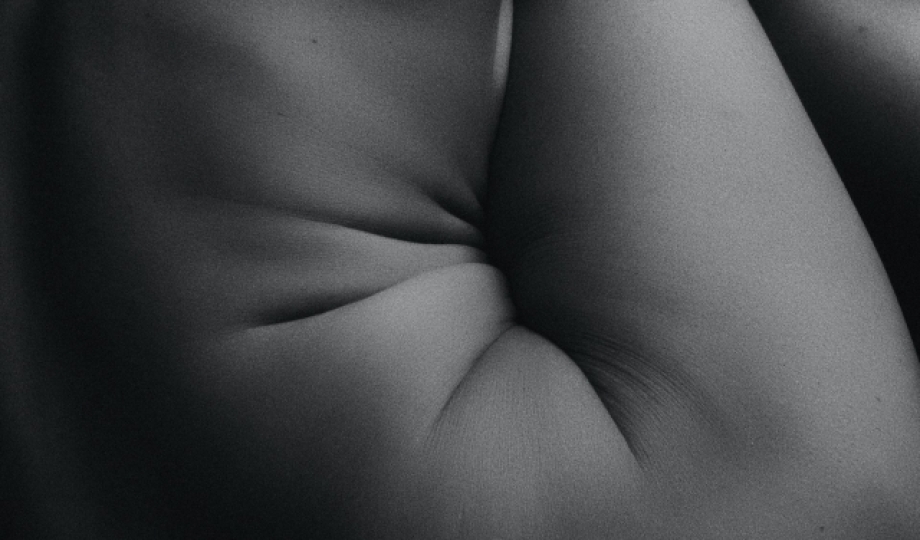
You've reached your goal. Several kilos lighter, a transformed figure, real work on yourself that you can be proud of. And yet, looking in the mirror, there's that skin hanging slightly over your stomach, the inside of your arms, the inside of your thighs… The skin that just didn't follow… The skin that seems to have missed the memo!
This is one of the great silent frustrations of successful weight loss. We rarely talk about it, because complaining about having lost weight seems almost indecent. Yet many women (and men) experience this disconnect between the rediscovered figure and the skin texture that hasn't quite kept up.
The good news? It's neither inevitable nor the consequence of a poorly managed diet. It's biology. And biology can be worked on.
To understand why skin sags, you need to understand what it is: a living, elastic, adaptive organ… but not infinitely so.
When the body gains weight, the skin gradually stretches to accommodate the increase in volume. It does this thanks to two essential structural proteins: collagen, which provides firmness and resistance, and elastin, which allows the skin to return to its shape after stretching, like an elastic band.
The problem is that this stretching, especially when it lasts for several years or involves significant volume, ends up damaging these fibres irreversibly. Collagen fibres weaken, elastin loses its suppleness. And when the weight disappears, the fatty volume that was "filling" the skin disappears with it — but the stretched skin doesn't automatically retract.
In other words: your skin has learned to occupy a certain space. It doesn't always know how to "unlearn."
Here's something rarely stated clearly: skin sagging after weight loss is not necessarily linked to the speed of your diet. A 2021 study found no solid evidence establishing that losing weight slowly protects against skin sagging any more than losing it faster. What science identifies as determining factors is far more complex — and far more beyond your control.
From the age of 25, natural collagen production begins to decline by around 1% per year, according to data from the French Association of Aesthetic Medicine (AFME). By age 50, this deficit can reach 25 to 30%. This decline accelerates further with chronic sun exposure: in photo-aged skin, the formation of type I collagen can be reduced by up to 56% compared to protected skin.
In concrete terms: a 45-year-old woman who loses 20kg does not have structurally the same skin as a 25-year-old woman who loses the same amount.
The longer the skin has been stretched — whether due to weight maintained over several years, multiple successive pregnancies, or long-standing obesity — the greater the damage to the elastic fibres. Elastin, unlike collagen, is barely synthesised after puberty. What you have, you have. And if those fibres have been degraded over time, they don't reconstitute themselves spontaneously.
Some skin is naturally more elastic than others. It's not fair, but it's real. Two women with identical journeys can show very different results after the same weight loss, simply because their baseline skin quality is not the same.
Smoking, unprotected sun exposure, protein deficiencies, chronic stress: all of these elements degrade collagen and elastin fibres at an accelerated rate. They don't cause sagging on their own, but they amplify it considerably.
Sagging is not uniform. Some areas of the body are structurally more vulnerable than others, because they have undergone more intense or prolonged stretching.
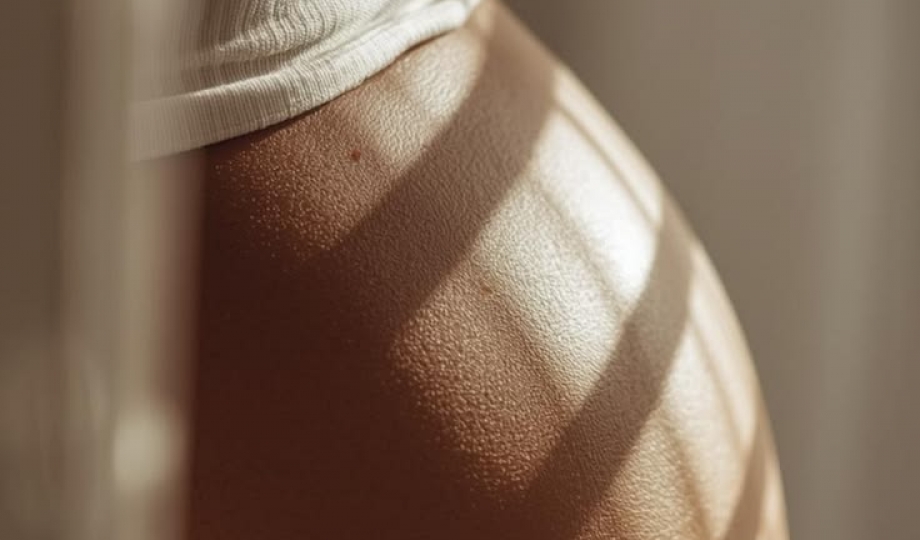
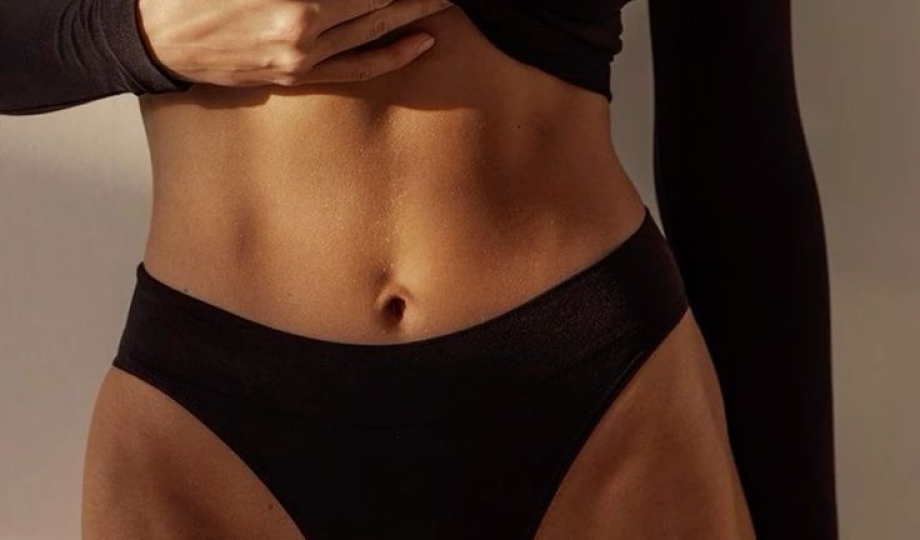
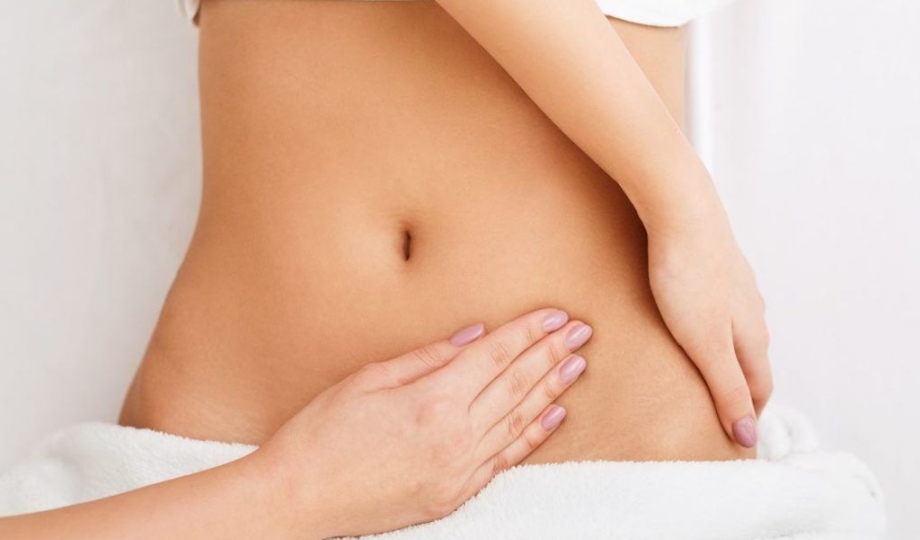
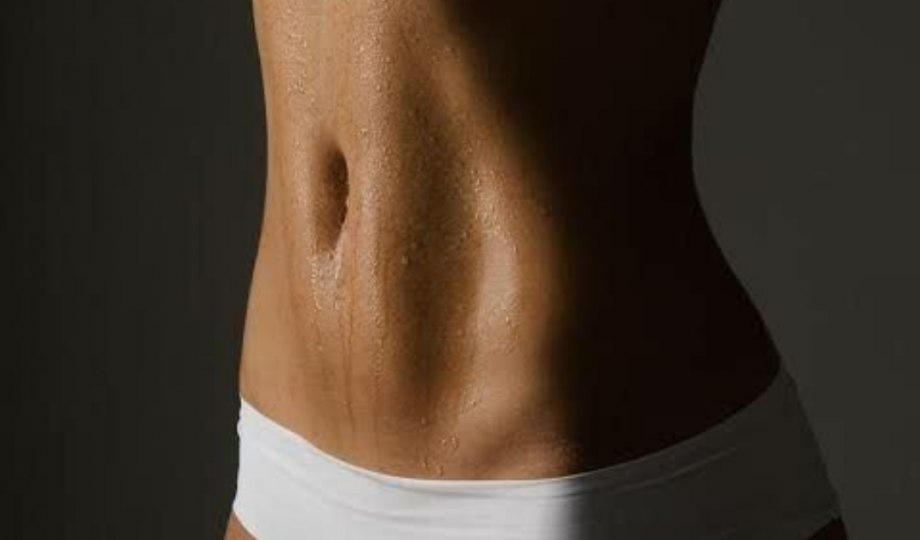
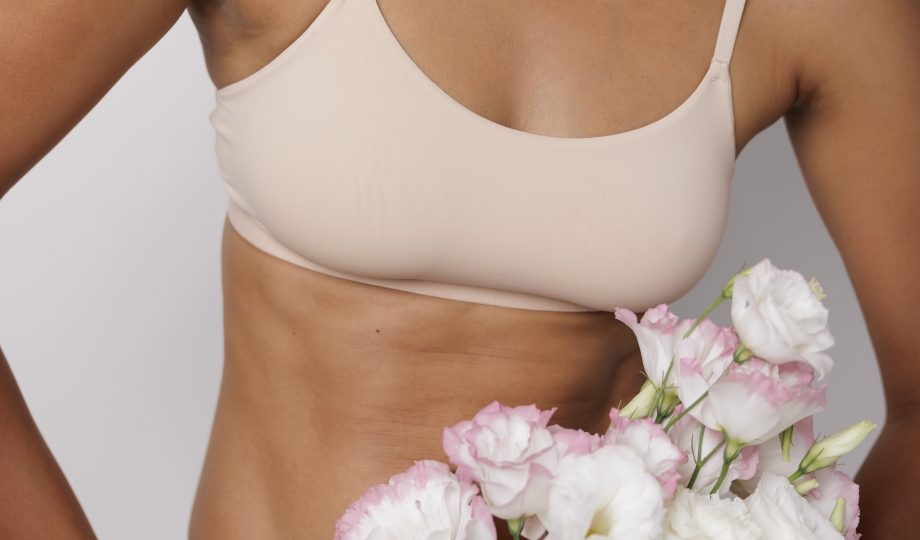
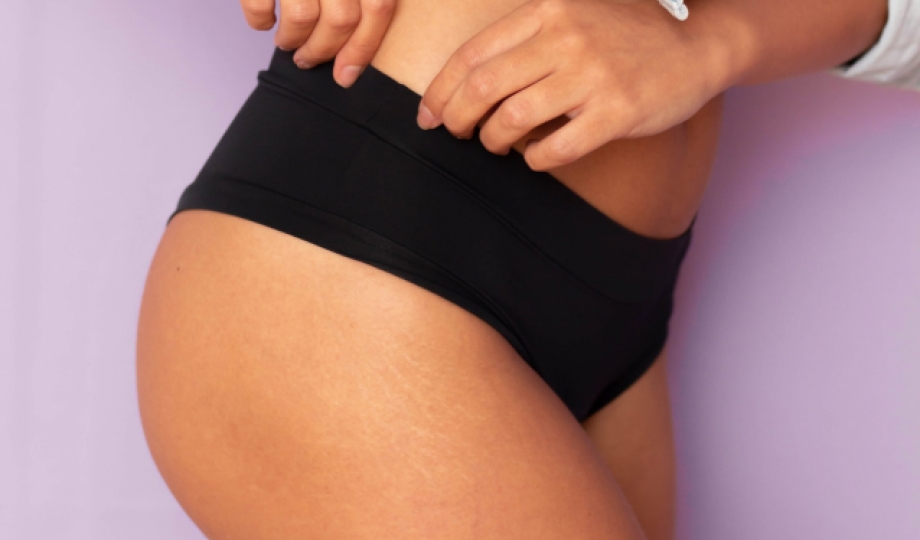
The abdomen is the most frequently affected area. This is where fatty deposits settle first (notably under the effect of cortisol), and therefore where the skin is most heavily stretched. After pregnancy or significant weight loss, it is often the first area to "remain" once the rest of the figure has found its shape again.
The inside of the arms is an area with a strong genetic component. The skin there is naturally thin and poorly supported by the underlying musculature. Sagging there is often early and visible.
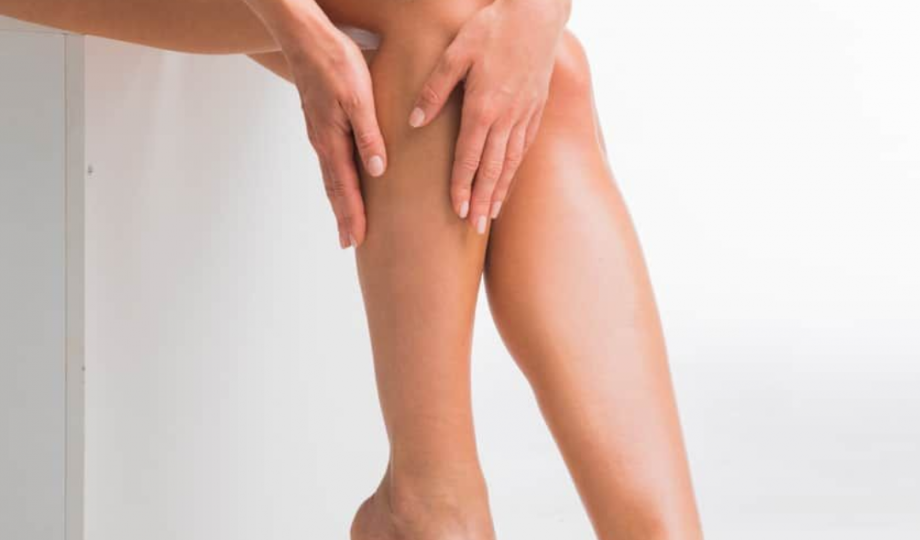
The inside of the thighs follows similar logic: little natural muscle tone in this area, thin skin, and exposure to friction.
The breasts, after significant weight loss or breastfeeding, also undergo a loss of volume and tone that the skin doesn't always compensate for on its own.
Cosmetic actives (retinol, vitamin C, peptides…) work on the surface and as prevention. They support and slow skin ageing, they hydrate, they improve texture and radiance. But once the fibres are already damaged — once sagging has set in — they cannot rebuild what years of stretching have undone.
It's not a question of brand or formulation. It's a question of physics: the molecules in creams don't penetrate deeply enough into the dermis to reach the place where collagen is made and broken down.
This is where the approach changes. Because there are now non-invasive technologies capable of going where creams cannot — directly into the deeper layers of the skin, where neocollagenesis (the production of new collagen) can be restarted.
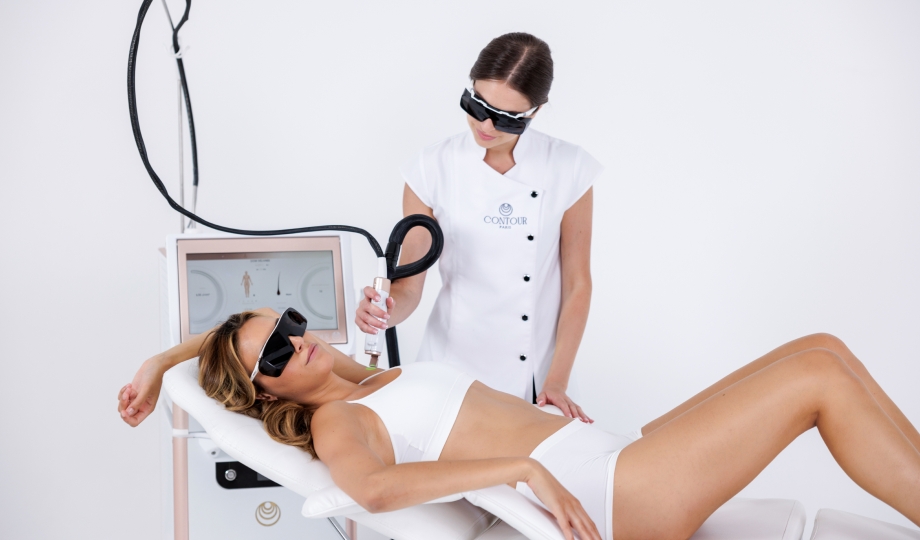
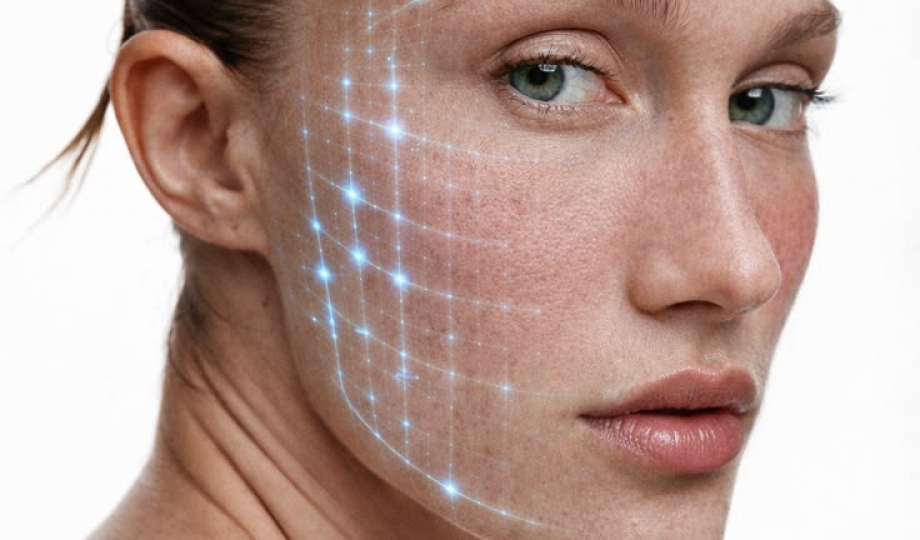
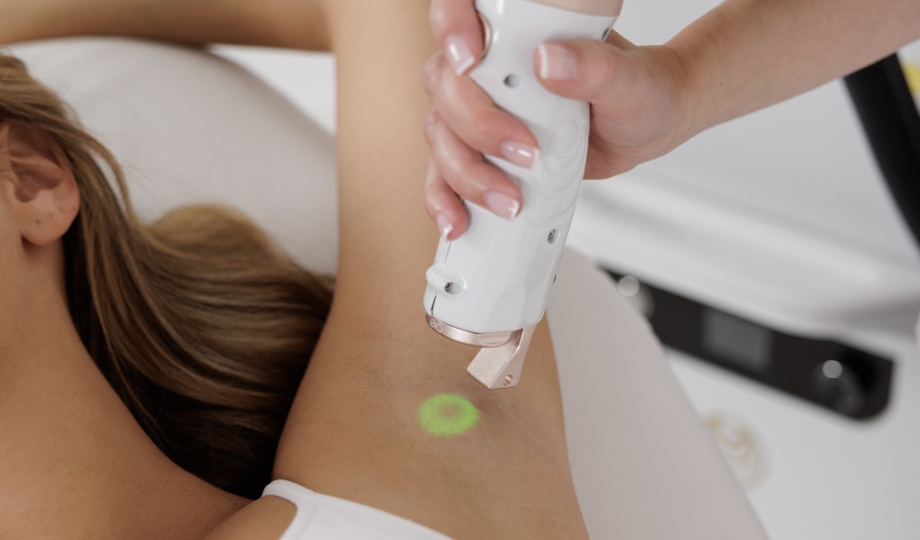
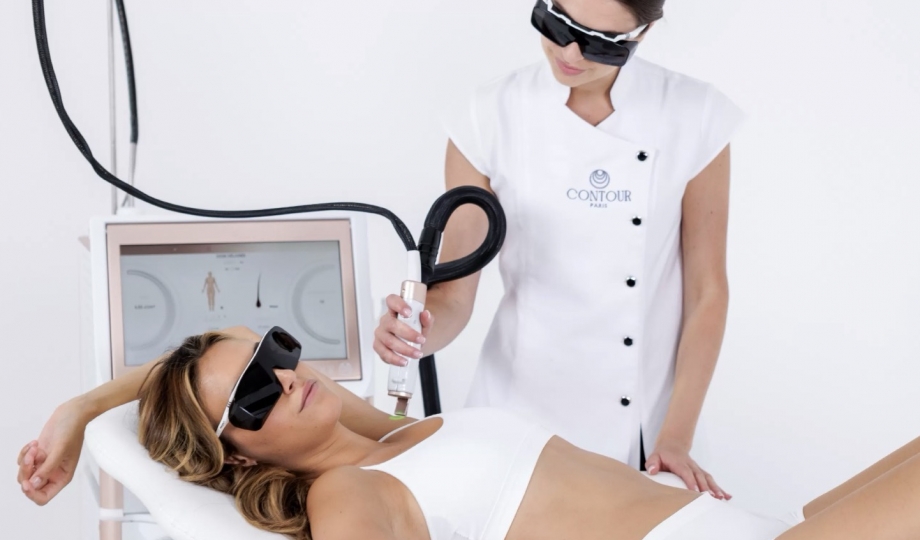
Radiofrequency is today one of the best-documented technologies for treating skin sagging. Its principle is both simple and remarkably effective: high-frequency electromagnetic waves heat the deeper layers of the skin (dermis and hypodermis) to a controlled temperature of 40 to 45°C. This thermal elevation triggers two distinct biological effects.
The immediate effect: heat causes the existing collagen fibres to contract, with a tightening effect visible from the very first session.
The progressive effect: thermal stimulation activates fibroblasts, the cells responsible for collagen synthesis. This neocollagenesis continues for 3 to 6 months after the sessions, meaning results continue to improve well after the protocol has ended.
Available clinical and histological studies describe an average improvement of 30 to 40% in skin laxity after a complete protocol. That's significant — and above all, it's lasting!
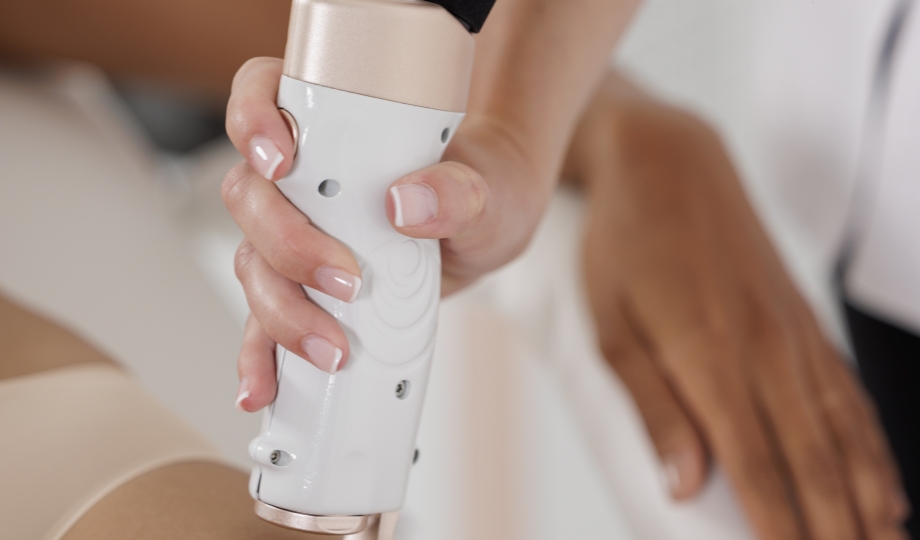
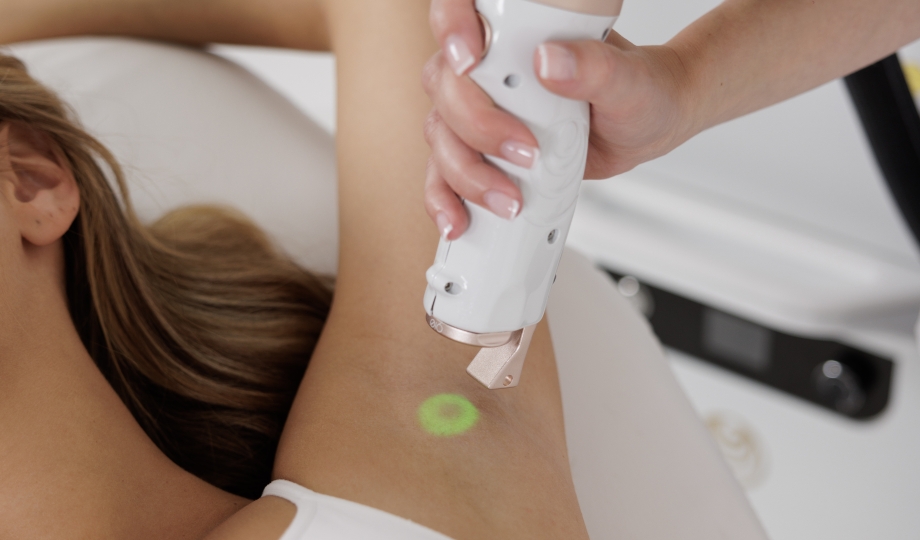
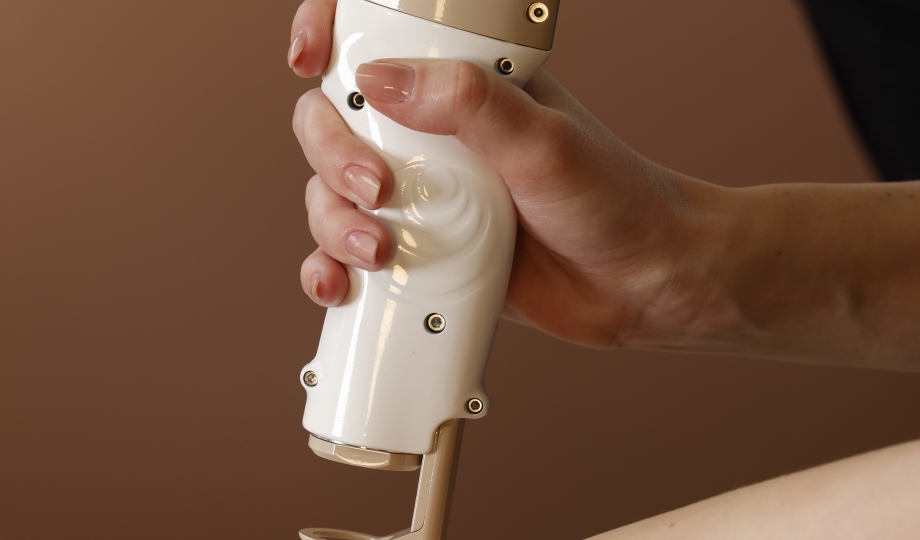
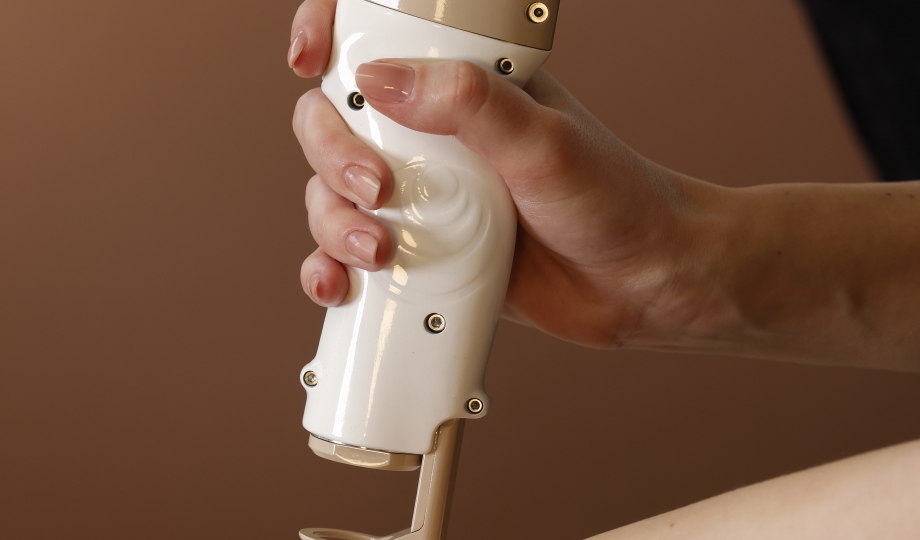
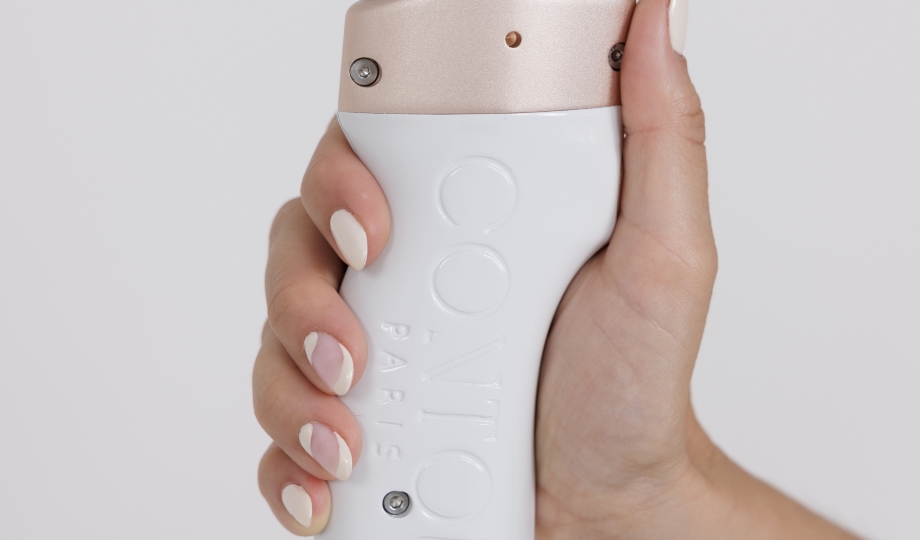
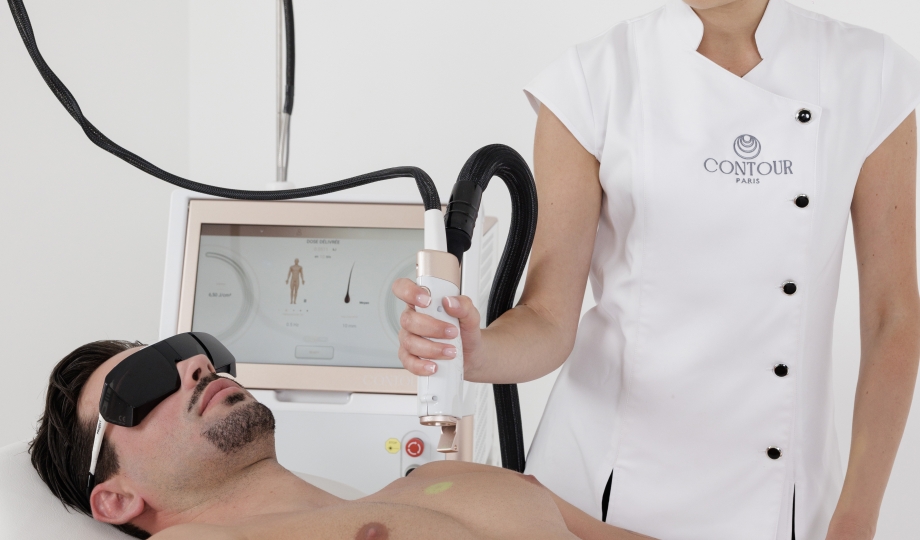
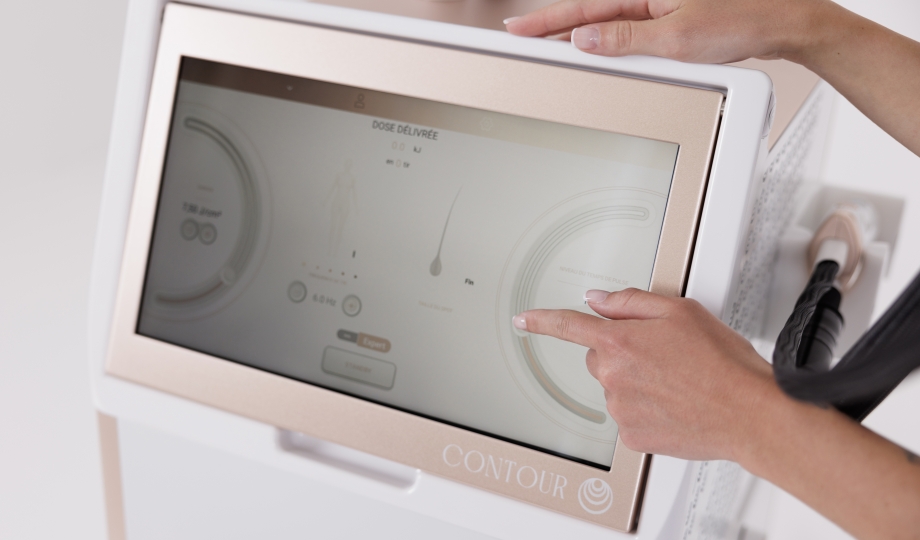
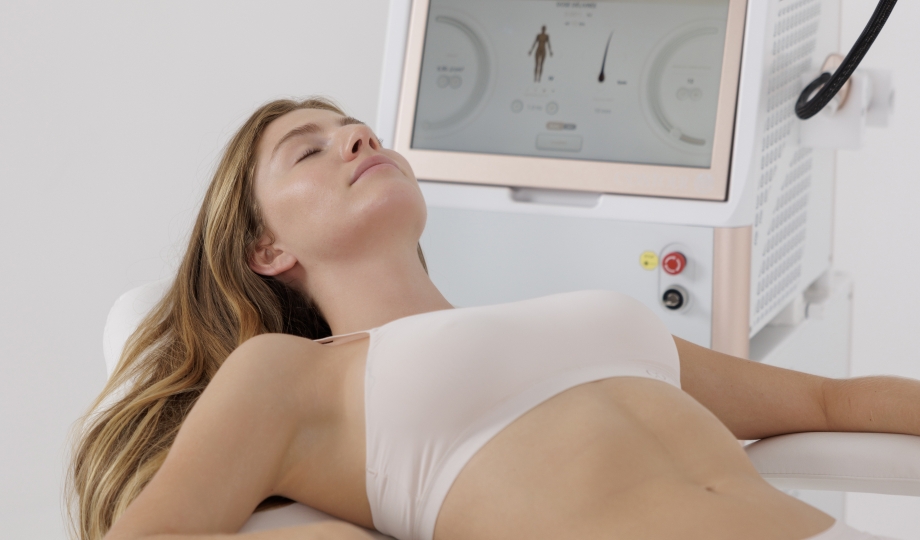
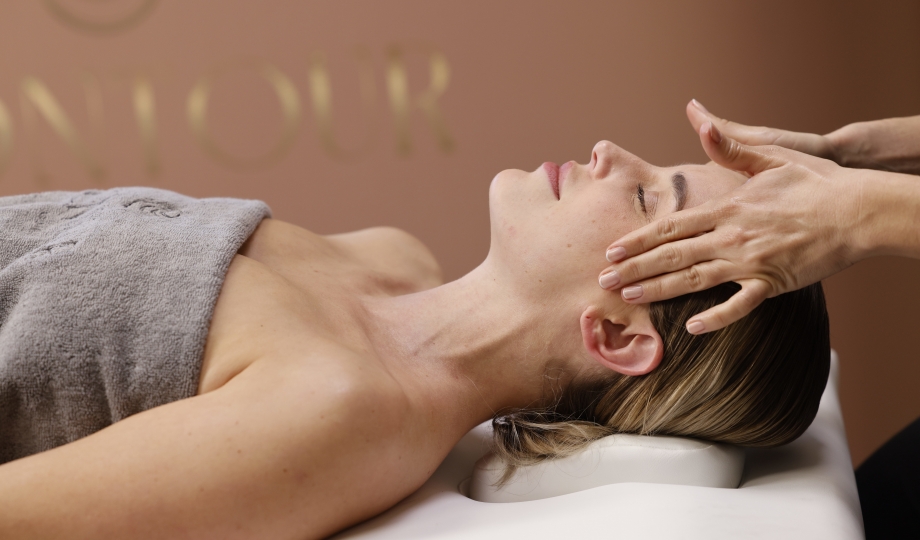
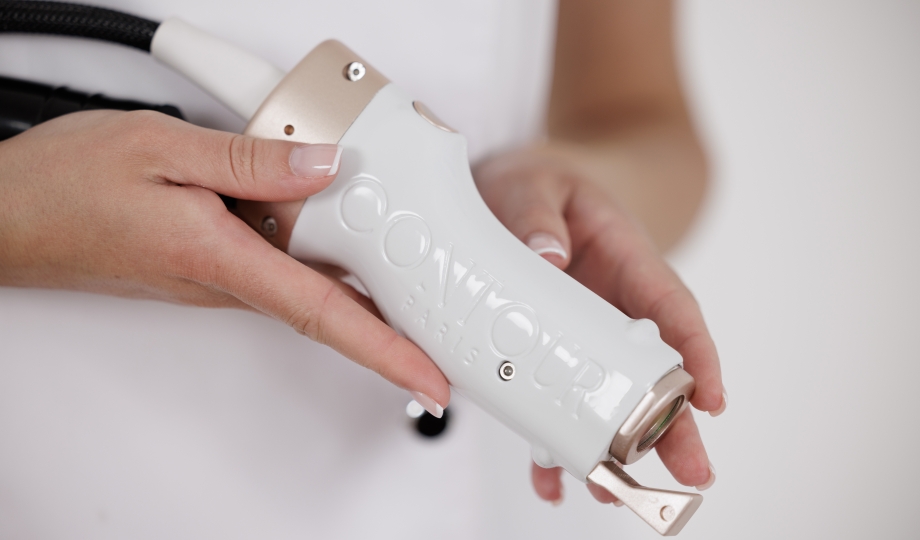
Collagen Boost by Contour Paris draws on precisely this mechanism, with professional multi-frequency radiofrequency technology designed for demanding aesthetic institutes and centres. It acts on firmness, tone, and overall skin quality — without surgery, without needles, without social downtime.
In some cases, sagging is accompanied by residual fatty deposits — areas where the skin is both loose and still slightly burdened with adipose tissue. This is common on the abdomen or inside of the thighs after weight loss.
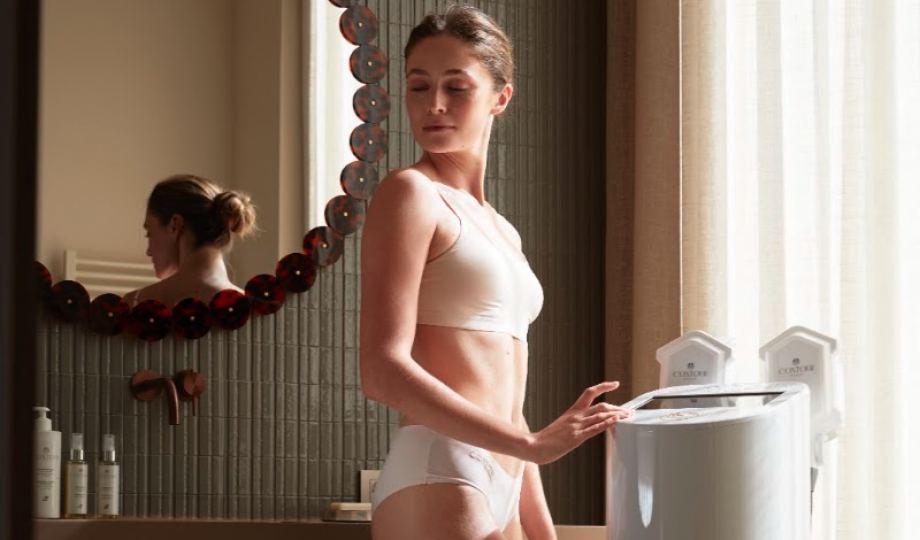
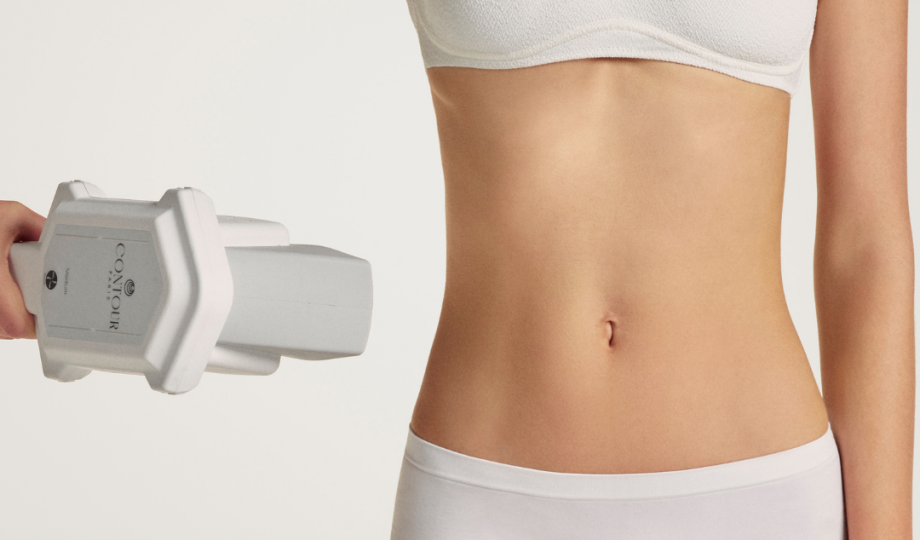
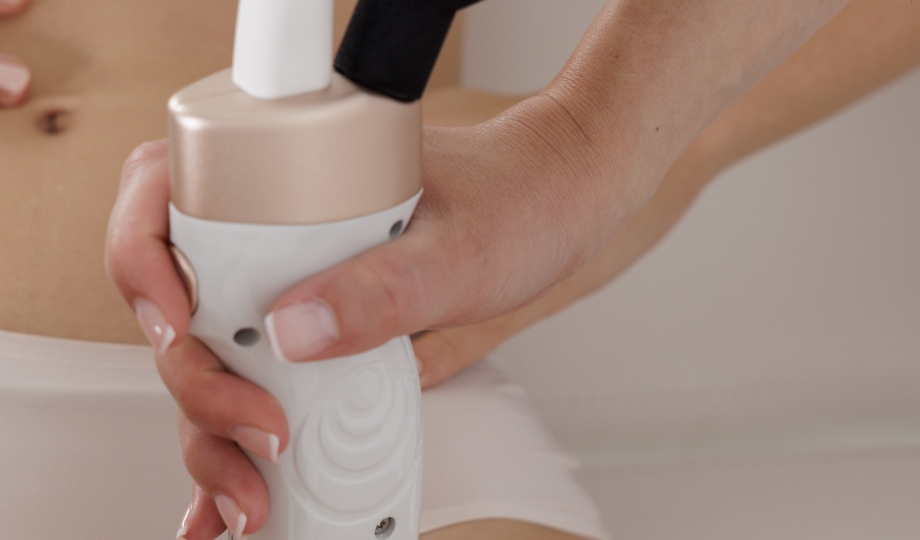
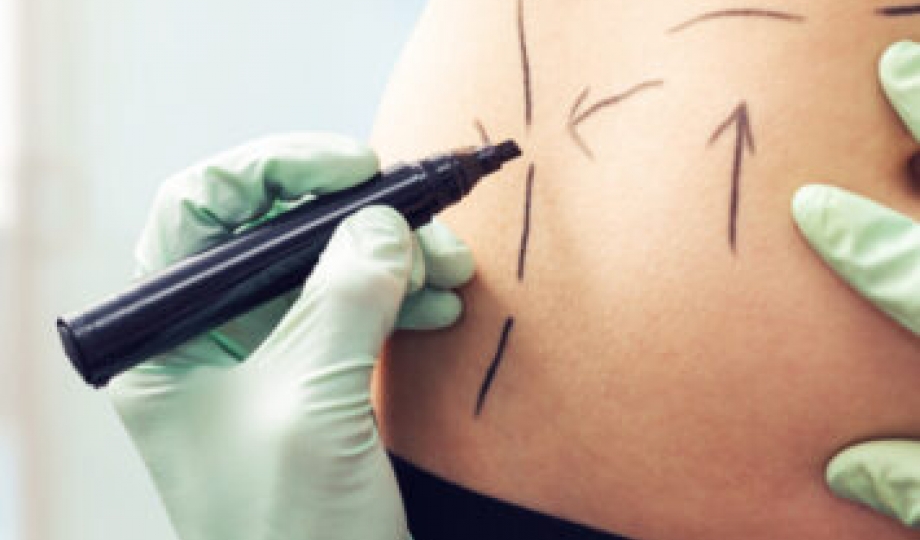
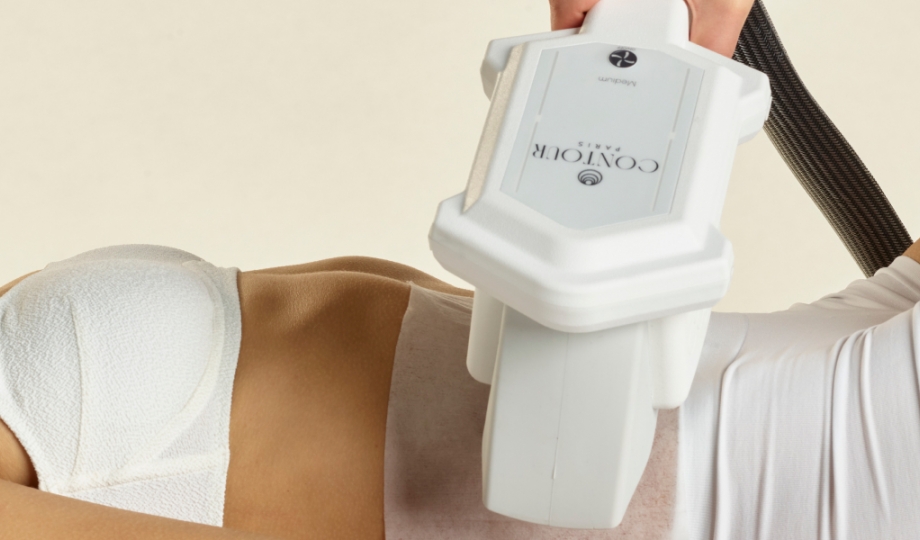
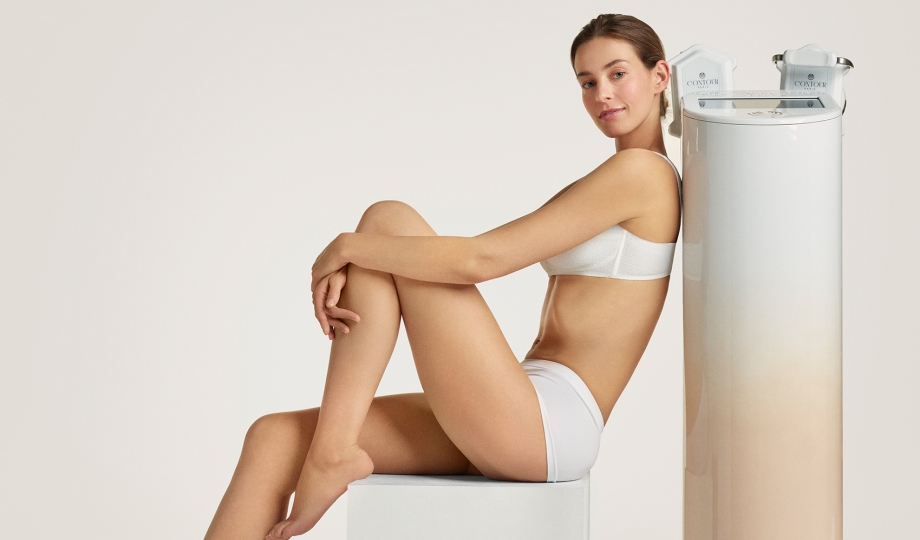
Contour 360° by Contour Paris addresses this dual problem by combining several complementary technologies: next-generation cryolipolysis combined with a focused diode laser and mechanical roll-massage. The device, with its patented technology, acts simultaneously on the reduction of residual localised fat and on skin firming — tackling both root cause and appearance at once!
This is the approach that delivers the most spectacular results on figures at the end of a slimming journey: when most of the work is done, but the last resistances — stubborn fat and loose skin — no longer respond to conventional efforts.
What distinguishes the most significant results is never an isolated technology, but a combined and progressive approach, tailored to each person's profile. Radiofrequency to restart collagen synthesis, remodelling to refine contours, maintenance protocols to sustain results over time.
It's this journey-based logic — not a one-off session — that transforms a single treatment into a truly visible and lasting result!
If you're a practitioner, you probably know this client: they arrive at the centre after a beautiful weight loss journey, proud of what they've achieved, but frustrated by skin that just hasn't "kept up." Above all, they need to be heard and guided with the right tools.
The key to a serious assessment is first to qualify the type of sagging. Not all cases respond to the same approaches:
Mild to moderate, recent sagging on a skin that still has some tone → radiofrequency alone, very good results.
Moderate to severe sagging combined with residual fat → combined protocol, Contour 360° + radiofrequency.
Training professionals to read these profiles is just as important as choosing the technology itself.
Loose skin after weight loss is not a punishment. It's not a sign that you did something wrong. It's simply skin carrying the trace of a journey that was often long, often difficult, always courageous.
What biology has gradually undone, the right technologies can help rebuild. Not overnight, not in one miraculous session, but with an adapted, regular, professional approach.
This is exactly what Contour Paris has been developing since the beginning: French technologies designed for real results, on real women (and men).
Does skin tighten on its own after weight loss? Sometimes, partially. In younger people, with moderate weight loss and naturally elastic skin, some spontaneous retraction is possible in the months following weight stabilisation. But for significant losses, after the age of 35–40, or after multiple pregnancies, waiting alone is generally not enough. Damaged fibres don't rebuild themselves.
Can loose skin be treated without surgery? Yes, in the vast majority of mild to moderate sagging cases. Radiofrequency and body remodelling technologies make it possible to achieve significant results without surgery, without anaesthesia, and without recovery time.
How many sessions are needed to see results on firmness? A tightening effect is often perceptible from the very first radiofrequency session. For visible and lasting results, a protocol of 6 to 10 sessions spaced at regular intervals is generally recommended. Neocollagenesis continues to progress for 3 to 6 months after the sessions, meaning results improve over time.
When after weight loss should treatment begin? Ideally, once weight has been stable for at least 3 months. Treating skin that is still in a phase of weight fluctuation yields less stable results. Weight stabilisation is the signal that the body is "ready" to work on skin quality.
Is radiofrequency painful? No. Professional radiofrequency is experienced as a gradual and perfectly comfortable warmth. Some people describe it as a warm massage. There is no pain, no lasting redness, and no recovery time required after the session.
Does loose skin affect men too? Yes, with the same biological mechanisms. Men are generally less exposed to it due to a naturally higher collagen density in male skin, but significant weight loss or ageing produces the same structural effects.
Share




















Vos informations ont bien été mises à jour.
Cette fenêtre se fermera automatiquement dans quelques secondes...
Cette fenêtre va se fermer automatiquement dans 3 secondes...
Veuillez saisir l'adresse email rattaché à votre compte client pour recevoir un lien de réinitialisation de votre mot de passe.
Vous pouvez maintenant commander et suivre vos commandes. Cette fenêtre va se fermer automatiquement dans 5 secondes...