
Share


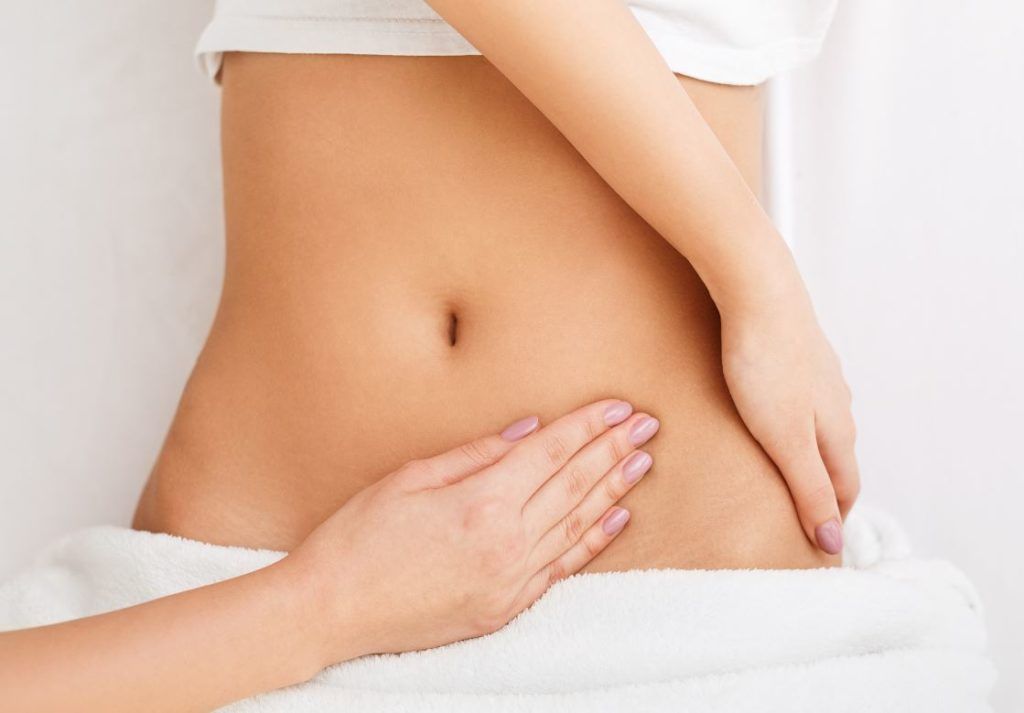
1. Why the stomach is the body’s primary fat storage area
You’ve probably heard it before: “eat less, move more.” You did it. You’ve been watching what you eat for months, staying active regularly, and yet that stomach remains — unshaken, as if it had decided to settle in for good.
Rest assured: it’s not in your head. And above all, it’s not a matter of willpower.
What science teaches us today is that abdominal fat is not just passive tissue patiently waiting for you to do more cardio. Visceral adipocytes, responsible for excess abdominal fat mass, continuously release inflammatory substances that maintain chronic low-grade inflammation — a central mechanism involved in the development of many metabolic disorders, highlighted for years by scientific research.
In other words: your stomach behaves like a real gland in its own right. This explains why it is both so difficult to lose and so reactive to imbalances within the body. Understanding this mechanism is already the first step toward acting intelligently.
2. Not all abdominal fat is the same
Here’s something many people ignore, even though it changes everything: not all stomachs should be treated the same way. Behind the catch-all word “belly” actually hide several distinct types of storage, each driven by different mechanisms.
Water retention
A bloated, soft stomach that fluctuates depending on the day — sometimes even the hour. It is often linked to sluggish lymphatic circulation, an overly salty diet, or cyclical hormonal variations. This type of swelling can improve relatively quickly with the right draining and circulatory approaches.
Chronic inflammation
A tight, hard stomach, often accompanied by persistent digestive discomfort. It is fueled by certain foods (refined sugars, processed fats), stress, or an imbalanced gut microbiome.
Hormonal storage
Many women know this one intimately without always being able to name it. It particularly affects women after 35, during perimenopause, or during periods of intense stress. Declining estrogen levels alter fat distribution, gradually shifting storage toward the stomach rather than the hips and thighs. Yes, it’s unfair. And no, it’s not inevitable.
Deep, long-standing fat storage
The most stubborn of all: visceral fat tissue established over several years, resistant to traditional approaches and requiring a consistent, comprehensive strategy to evolve.
This diversity is precisely why some methods work brilliantly for one person and not at all for another. You do not have the same type of stomach. You do not have the same needs.
3. Cortisol: the stress hormone that promotes belly fat
If there is only one mechanism to remember from this article, it may be this one.
Cortisol is the hormone produced by your adrenal glands in response to stress. In small amounts, it is absolutely essential: it regulates energy, blood sugar, and immune response. But here is where things become more complicated: when stress becomes chronic — and in modern life, it often does — cortisol remains constantly elevated. Its effects on body composition then become very real.
The abdominal region has a particularly high density of cortisol receptors. In practical terms, during chronic stress your body constantly receives a biological signal encouraging fat storage specifically in this area. Not elsewhere. In the stomach.
Cortisol also interacts with insulin, the hormone regulating blood sugar. This interaction further amplifies abdominal fat storage when stress persists over time.
What happens then is something many women experience without identifying it: increased volume concentrated only around the stomach, even without overall weight gain, even with a balanced diet. If your hormonal profile and stress levels are not considered in your slimming approach, results will remain structurally limited — regardless of your efforts elsewhere.
4. Habits that silently worsen fat storage
Most women struggling with belly fat are already doing many things right. They watch what they eat. They stay active. They try. What they often don’t realize is that some very ordinary habits silently sabotage their efforts.
Lack of sleep
This is probably the most underestimated factor of all. Sleeping fewer than 7 hours per night increases cortisol and directly promotes abdominal fat storage — a connection now well documented in scientific literature, notably in the ANODE study by Inserm. In other words: you can eat perfectly and exercise every day, but if you sleep poorly, your stomach will remember it.
A diet too high in fast sugars
It maintains repeated insulin spikes that encourage lipogenesis — the storage of fat. It also fuels the low-grade inflammation mentioned earlier. Excess sugar is one of the best allies of abdominal fat.
Unmanaged chronic stress
A body constantly in survival mode prioritizes conserving energy reserves rather than using them. It slows fat-burning mechanisms, delays recovery, and maintains the cortisol levels responsible for abdominal weight gain. Managing stress is not a luxury — it is a slimming strategy in itself.
Overly intense exercise on an exhausted body
This one often surprises people. Paradoxically, extremely intense training on a body already overloaded with cortisol can maintain — or even increase — cortisol levels rather than reduce them. This is not an invitation to stop moving. It is an invitation to choose physical activity adapted to your actual energy levels.
5. Why traditional solutions are not always enough
Restrictive diets, intense cardio, slimming creams, or home devices bought impulsively on a Sunday evening: most of us have tried at least one of these. Often with temporary results. Often disappointing. And sometimes even counterproductive.
It’s not that these approaches are worthless. It’s that they ignore individual physiology.
Someone whose fat storage is primarily linked to excess cortisol does not have the same needs as someone dealing mainly with water retention or poor circulation. Applying the same solution to both is like hoping a fever medication will also heal a fracture.
This is where professional guidance truly changes the game. A serious body assessment goes far beyond taking measurements or stepping on a scale. It seeks to understand the full picture: lifestyle habits, stress levels, sleep quality, hormonal history, digestion. This global understanding is what allows professionals to build a truly personalized strategy and achieve long-lasting results.
6. What aesthetic technologies can offer
Aesthetic technologies can act directly and precisely on resistant areas — the ones that resist everything, including your best efforts.
Let’s begin with the treatment generating the most excitement, and for good reason.
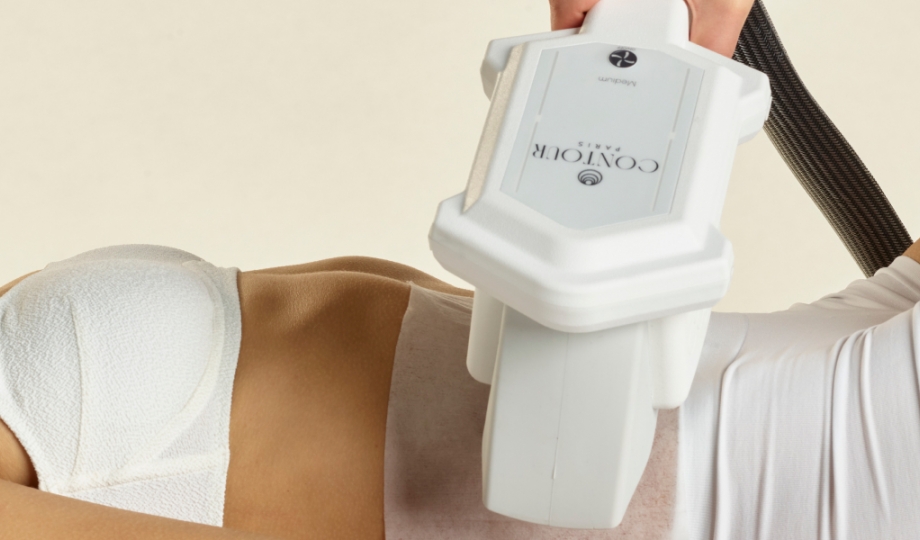
Cryolipolysis: when cold does what exercise cannot
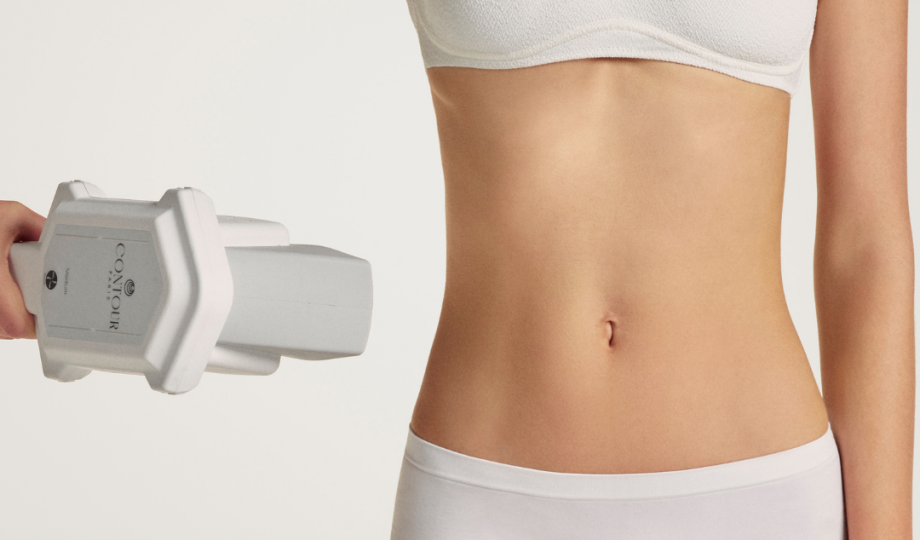
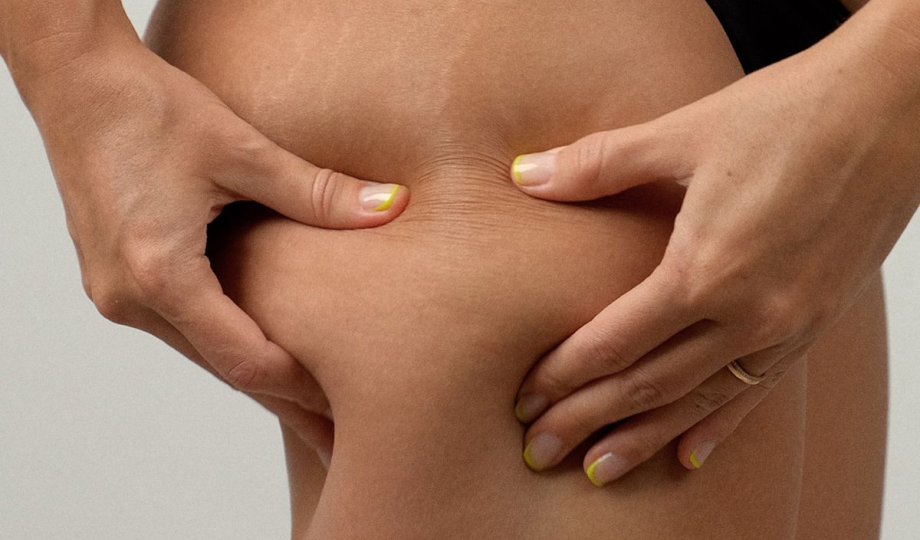
The principle is both elegant and remarkably effective: exposing fat cells to controlled cooling to trigger their natural apoptosis — in other words, their gradual self-destruction — without damaging surrounding tissues. These cells are then naturally eliminated by the lymphatic system over several weeks. The result? An average reduction of 20 to 25% of fat tissue in the treated area, documented by multiple clinical studies.
What truly sets this technology apart is that it specifically targets localized subcutaneous fat — precisely the kind of resistant abdominal fat that defies every diet. No surgery. No needles. No downtime. You walk out of a session and resume your life normally.
It is a precision tool, particularly powerful on established fat deposits when used by a trained professional and integrated into a tailored overall protocol.
Pressotherapy: the treatment your lymphatic system has been waiting for
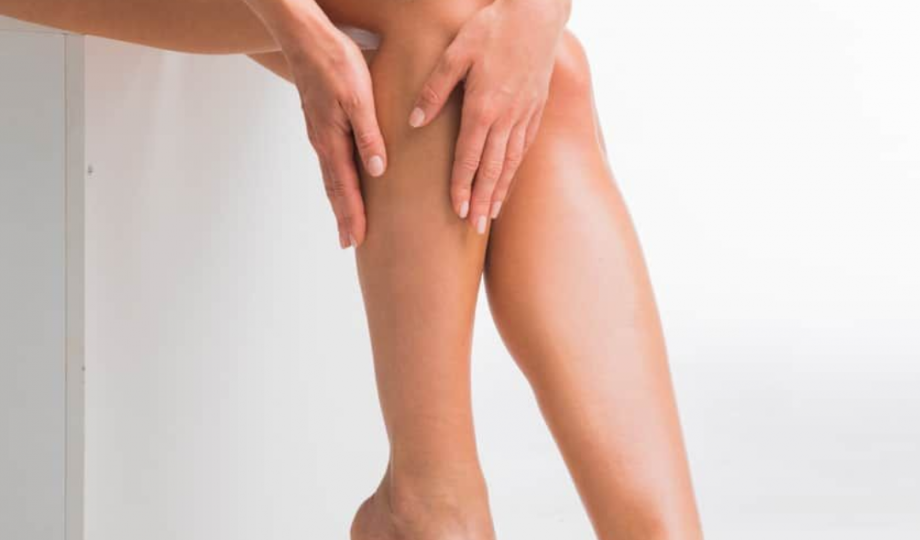
If your stomach is more bloated, fluctuates from day to day, or feels uncomfortable after meals, pressotherapy is probably your best ally. It deeply stimulates lymphatic and venous circulation, drains stagnant fluids, and reduces inflammation. It is one of the rare treatments that leaves you feeling immediately lighter, with cumulative effects that strengthen session after session for lasting results.
Radiofrequency: when technology works deep beneath the surface
Radiofrequency works through thermal stimulation of deep tissues, triggering natural collagen production and significantly improving skin firmness. It is ideal in combination with other approaches to simultaneously address both skin quality and underlying fat storage. Its effects continue improving for several weeks after treatment.
Combined protocols: the real game changer
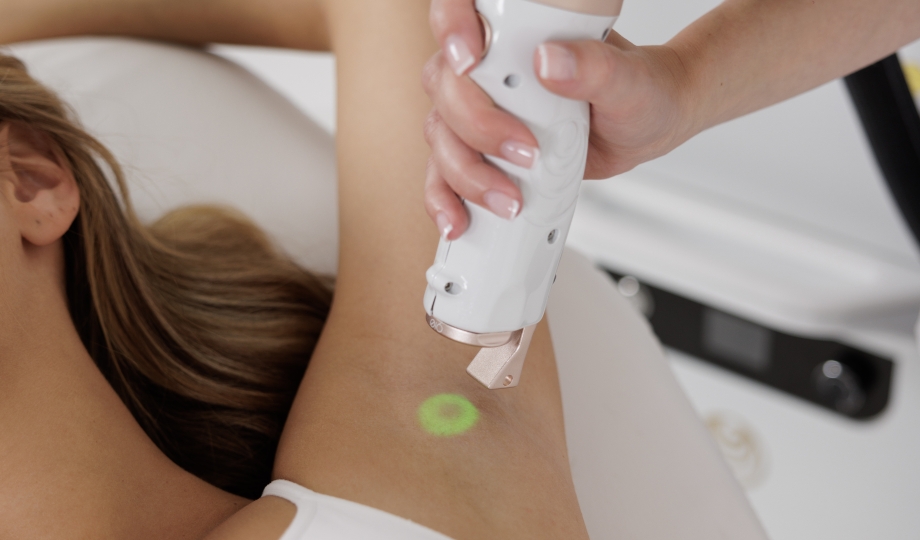
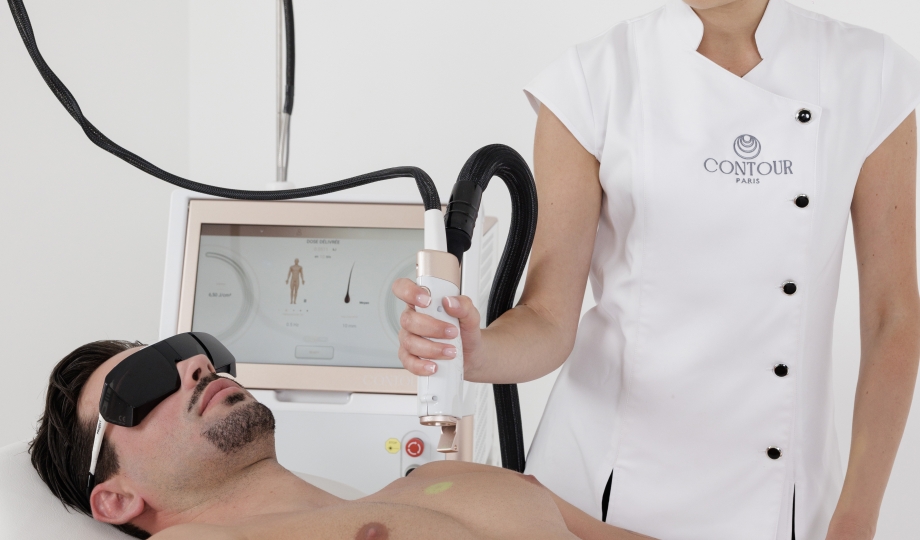
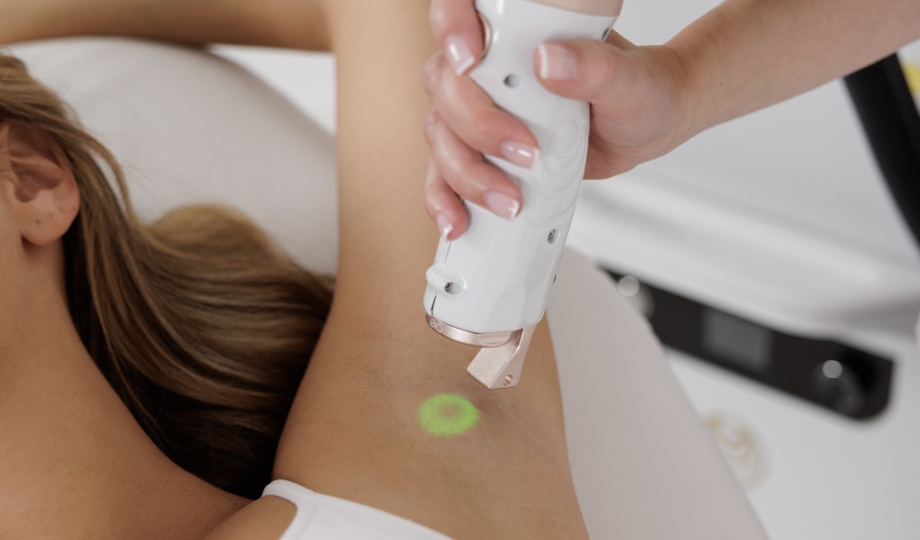
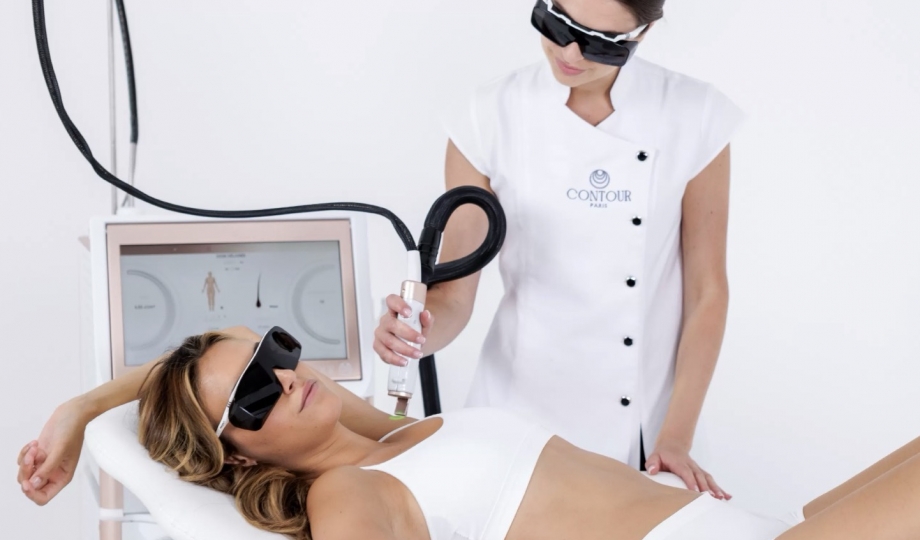
What distinguishes the most spectacular results is not a single technology, but the intelligent combination of several approaches. Cryolipolysis to eliminate resistant fat, Focused Diode Laser to stimulate drainage and circulation, radiofrequency to firm and tone: these technologies enhance each other. This global protocol logic — designed around your profile, your storage type, and your goals — is what transforms a series of treatments into a real transformation.
In conclusion: your stomach is speaking to you. It’s time to listen differently.
Abdominal fat storage is not inevitable. Nor is it the consequence of a lack of discipline. It is often the reflection of a deeper imbalance — hormonal, inflammatory, circulatory, or nervous — that the body expresses in its own way.
Understanding why you store fat is the first step. The most important one. The step that transforms an exhausting battle against your own body into an intelligent, adapted, and sustainable strategy.
FAQ
Why am I gaining belly fat even though I exercise?
Because exercise alone cannot correct everything if other mechanisms are involved. Chronically elevated cortisol, lack of sleep, or hormonal imbalance can maintain abdominal fat storage regardless of your physical activity. In some cases, excessively intense training on an already stressed body may even keep cortisol levels elevated rather than lowering them. The goal is not necessarily to do more — it is to do what is adapted to your profile.
Is a bloated stomach the same as belly fat?
No, and this distinction is important to avoid treating the wrong issue. A bloated stomach is often linked to water retention, sluggish lymphatic circulation, or digestive inflammation: it fluctuates throughout the day. Abdominal fat, on the other hand, is stable tissue built progressively over time. Both can coexist, but they do not respond to the same approaches.
How can I tell if my stomach is linked to stress?
Several signs may indicate it: increased abdominal volume despite a balanced diet, intense cravings for sugar or fatty foods, chronic fatigue, sleep disturbances, or a persistent feeling of being “bloated” even in the morning. Combined together, these signs point toward a cortisol-related component. A healthcare professional can confirm this with blood tests if necessary.
Can aesthetic technologies really target belly fat?
Yes — provided you choose high-quality aesthetic technologies that deliver genuine results. Prioritize reliable, safe, and preferably French-made technologies.
How many sessions are needed to see results on the stomach?
It depends entirely on the type of storage and the individual profile. One or two cryolipolysis sessions are often enough to reduce a localized belly bulge by half. For water retention and circulation issues, improvements may be felt from the very first sessions. For firmness and body contouring, a program of several regularly spaced sessions delivers the best results. In all cases, consistency in the protocol makes the real difference — not isolated treatments.
Share






























































Vos informations ont bien été mises à jour.
Cette fenêtre se fermera automatiquement dans quelques secondes...
Cette fenêtre va se fermer automatiquement dans 3 secondes...
Veuillez saisir l'adresse email rattaché à votre compte client pour recevoir un lien de réinitialisation de votre mot de passe.
Vous pouvez maintenant commander et suivre vos commandes. Cette fenêtre va se fermer automatiquement dans 5 secondes...