
Share


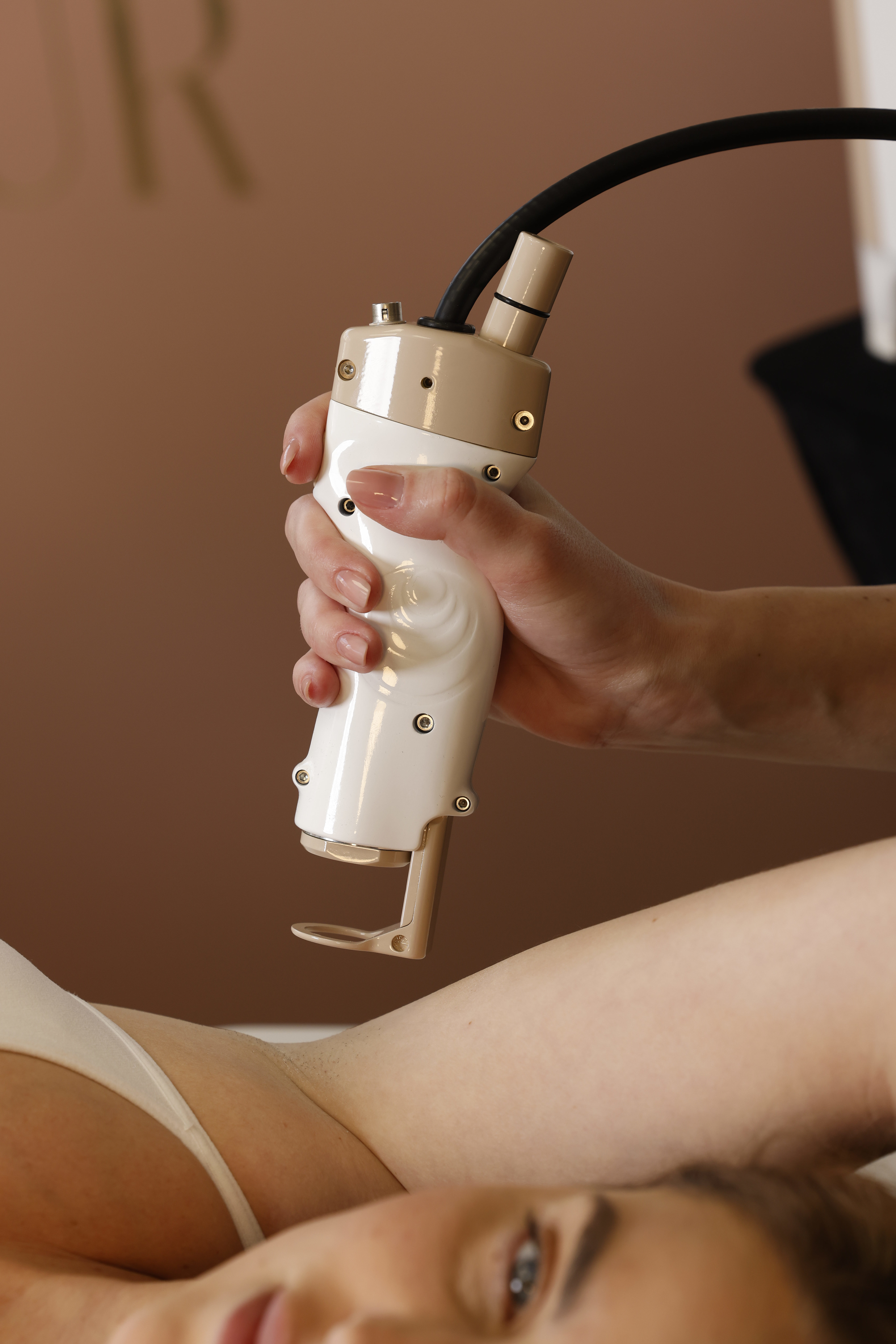
When choosing a professional laser hair removal device, practitioners generally compare wavelength, power, pulse repetition rate and cooling system performance. Yet one essential factor is often overlooked: the weight and ergonomics of the laser handpiece.
For an aesthetic practitioner performing consecutive hair removal treatments on legs, backs or bikini areas, handling comfort plays an important role. Repetitive movements, prolonged positions and precise gestures place daily strain on the wrists, arms and shoulders.
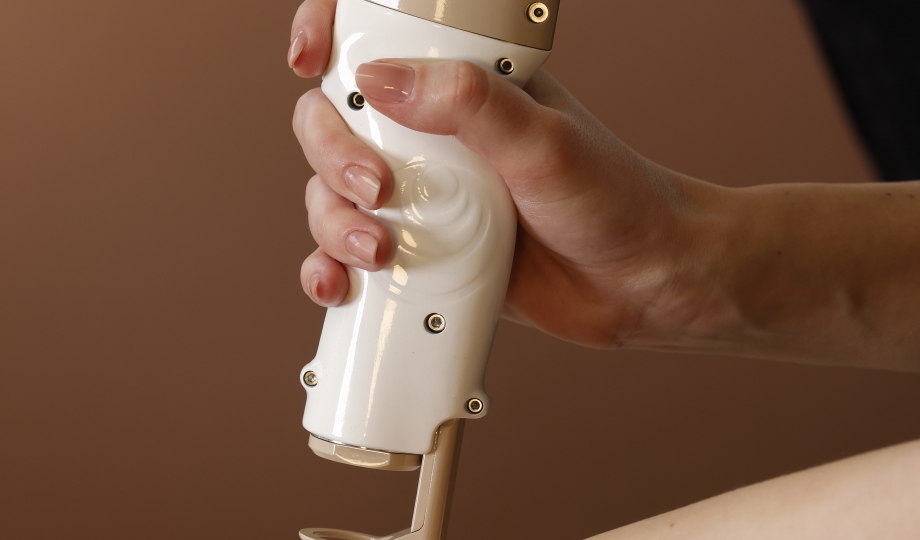
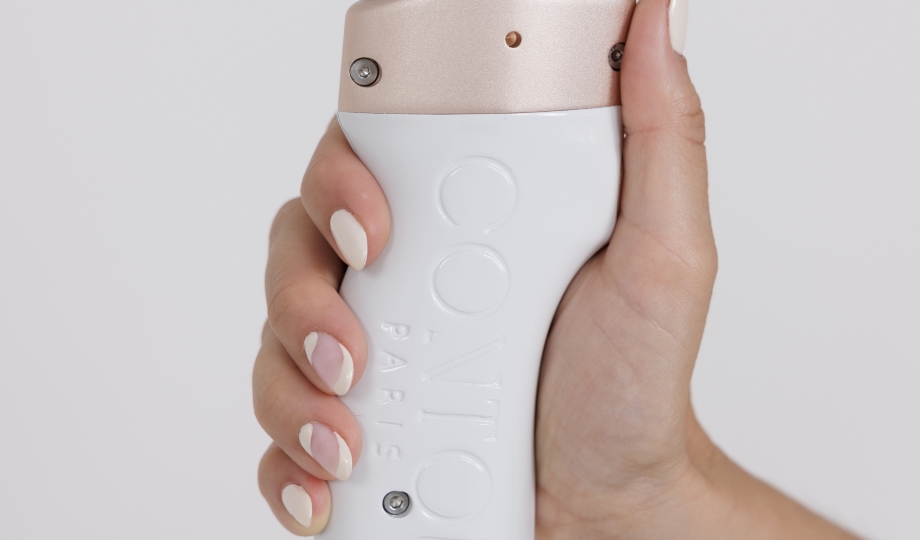
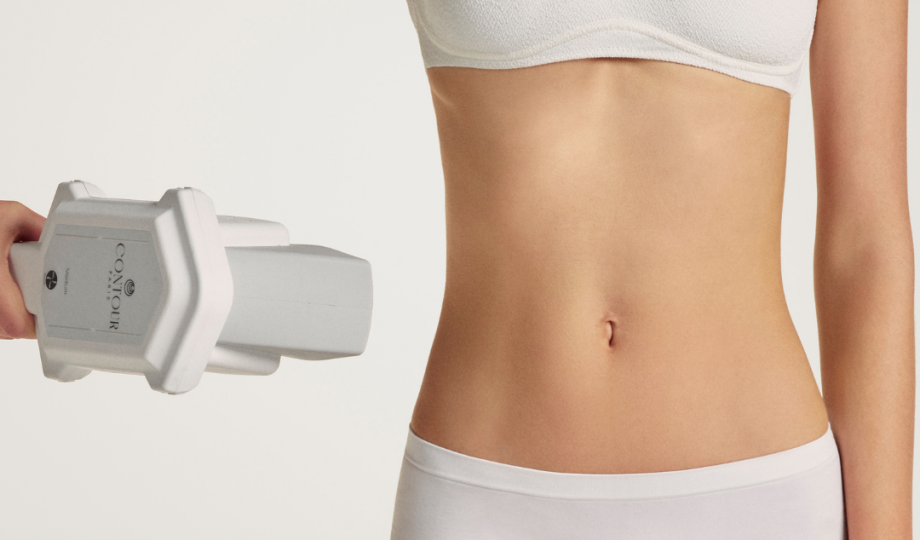
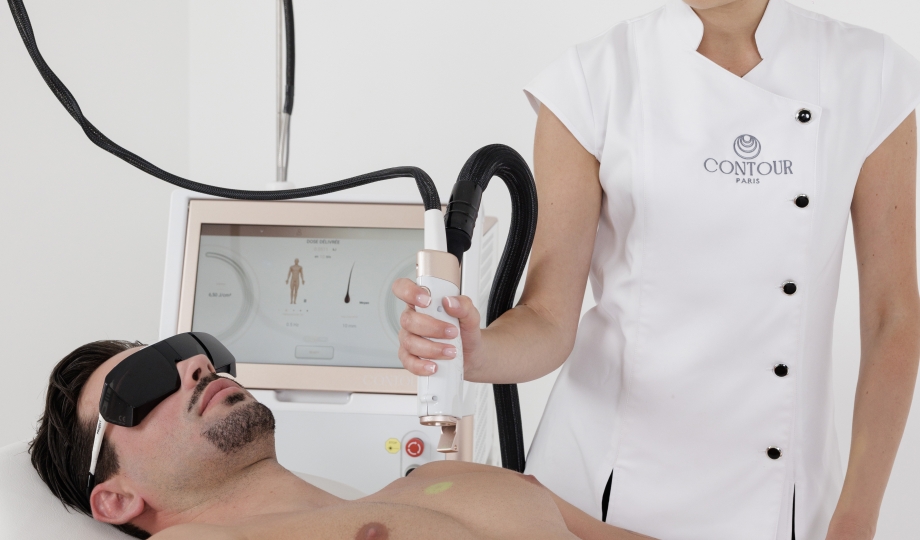
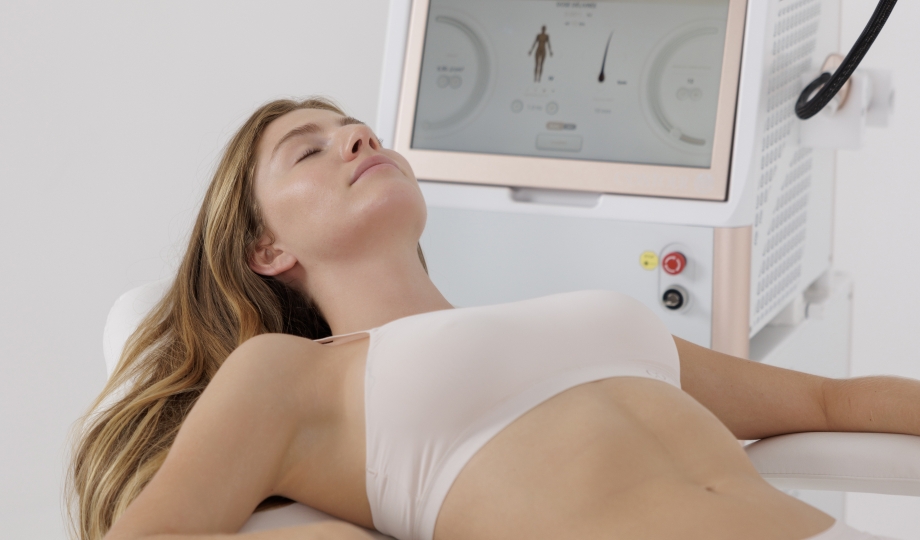
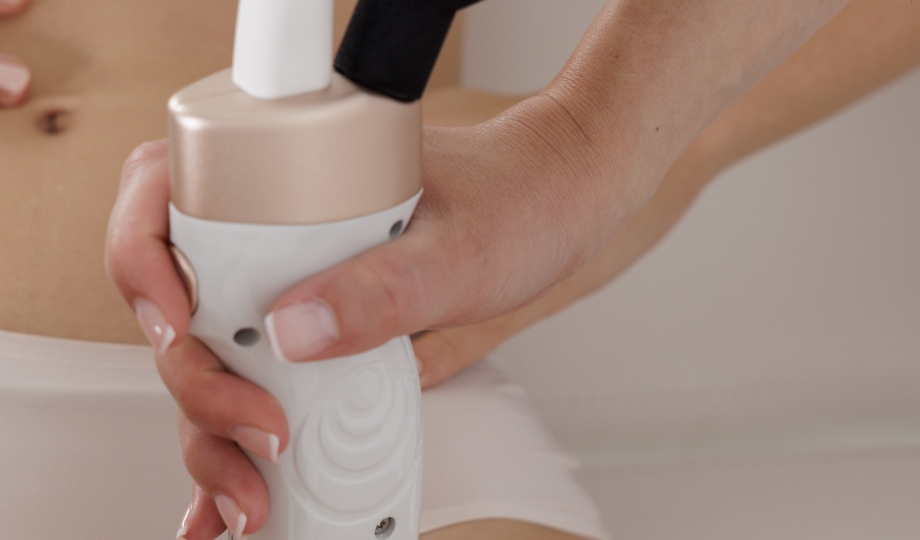
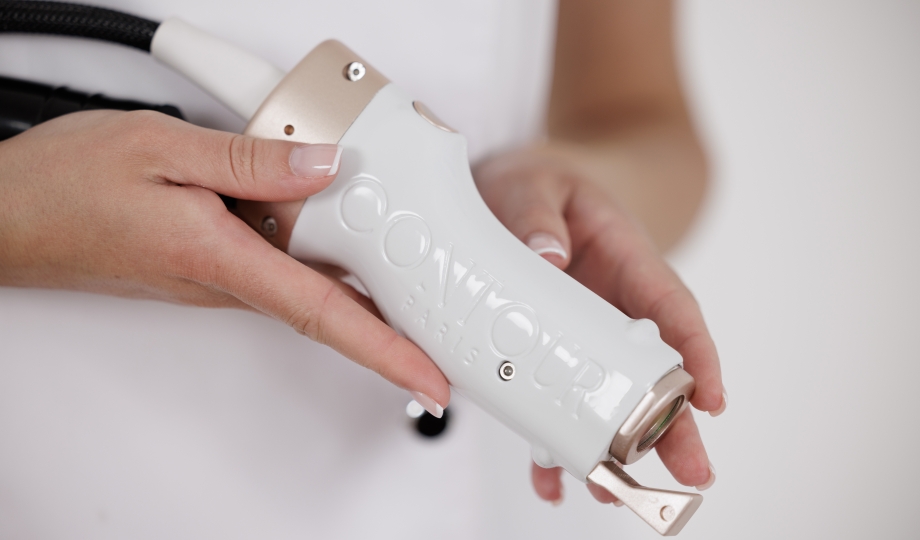
With a handpiece weighing just 220 grams, the Clinical Skin Laser® by Contour Paris has been designed to make everyday treatments easier without compromising treatment performance.
How is such a lightweight design possible? What benefits does it offer aesthetic professionals and their clients? And why should ergonomics be an essential consideration when investing in a laser hair removal device?
Beauty and aesthetic professions involve numerous repetitive movements and sometimes demanding postures: raised arms, extended wrists, bending forward and prolonged standing.
These physical demands can contribute to the development of musculoskeletal disorders (MSDs), including tendinitis, shoulder and neck pain, and carpal tunnel syndrome.
According to the French National Research and Safety Institute (INRS), professionals working in hairdressing, beauty treatments and nail care are particularly exposed to occupational risks associated with physical strain.
In a 2021 publication, the INRS and the French National Health Insurance occupational risk prevention department reported that approximately 300,000 working days were lost each year across these sectors due to various occupational risks, including MSDs.
Prevention involves appropriate workstation design, good working postures and the selection of suitable equipment.
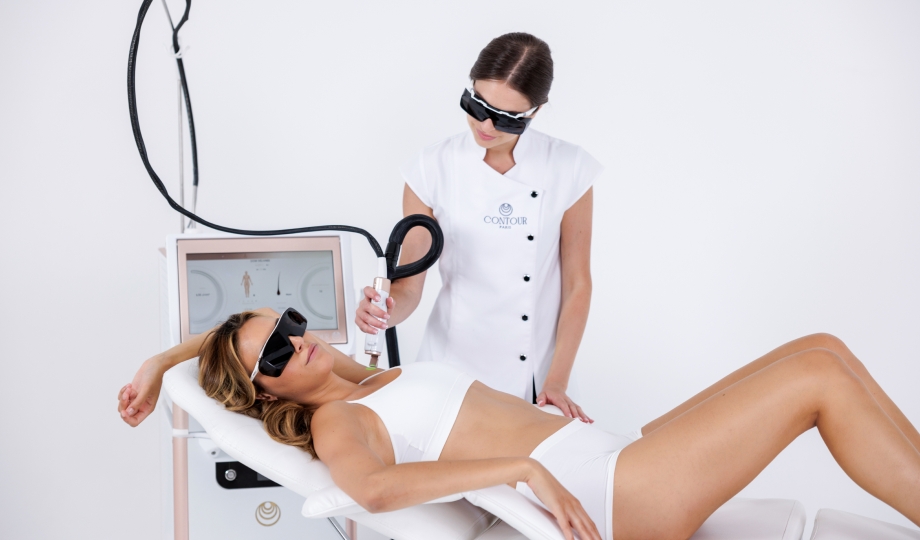
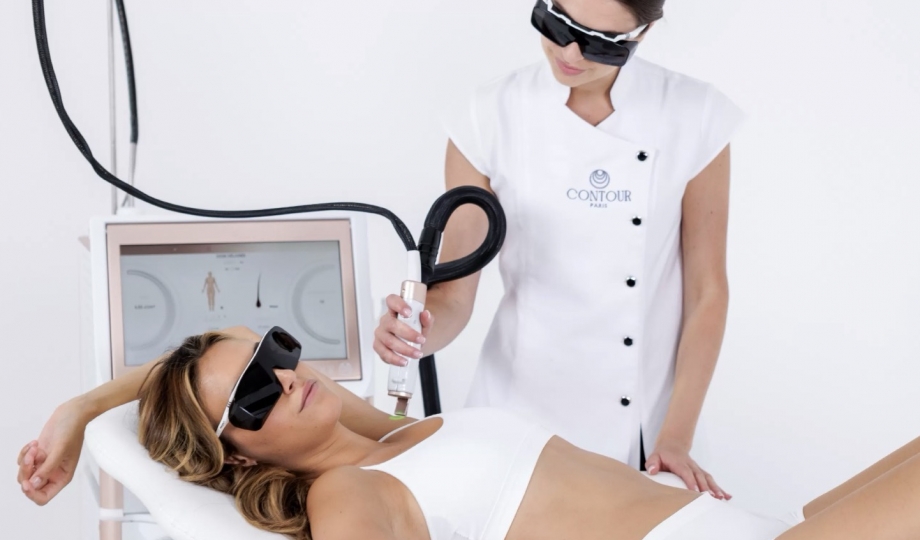
During a laser hair removal session, the handpiece is continuously handled to systematically cover the treatment area.
When treating larger areas such as full legs or the back, practitioners may need to repeat the same movements for several dozen minutes.
The weight of the device therefore contributes to the physical strain placed on the wrist, forearm and shoulder.
Imagine holding your smartphone at arm's length for one minute, then replacing it with a one-litre bottle of water. The difference quickly becomes noticeable.
Over the course of a working day, a lightweight, ergonomic laser handpiece can help reduce muscle fatigue, particularly when combined with appropriate posture and effective work organisation.
Weight is not the only ergonomic factor: the shape of the handle, the balance of the device, cable flexibility and the movements required during treatment also matter.
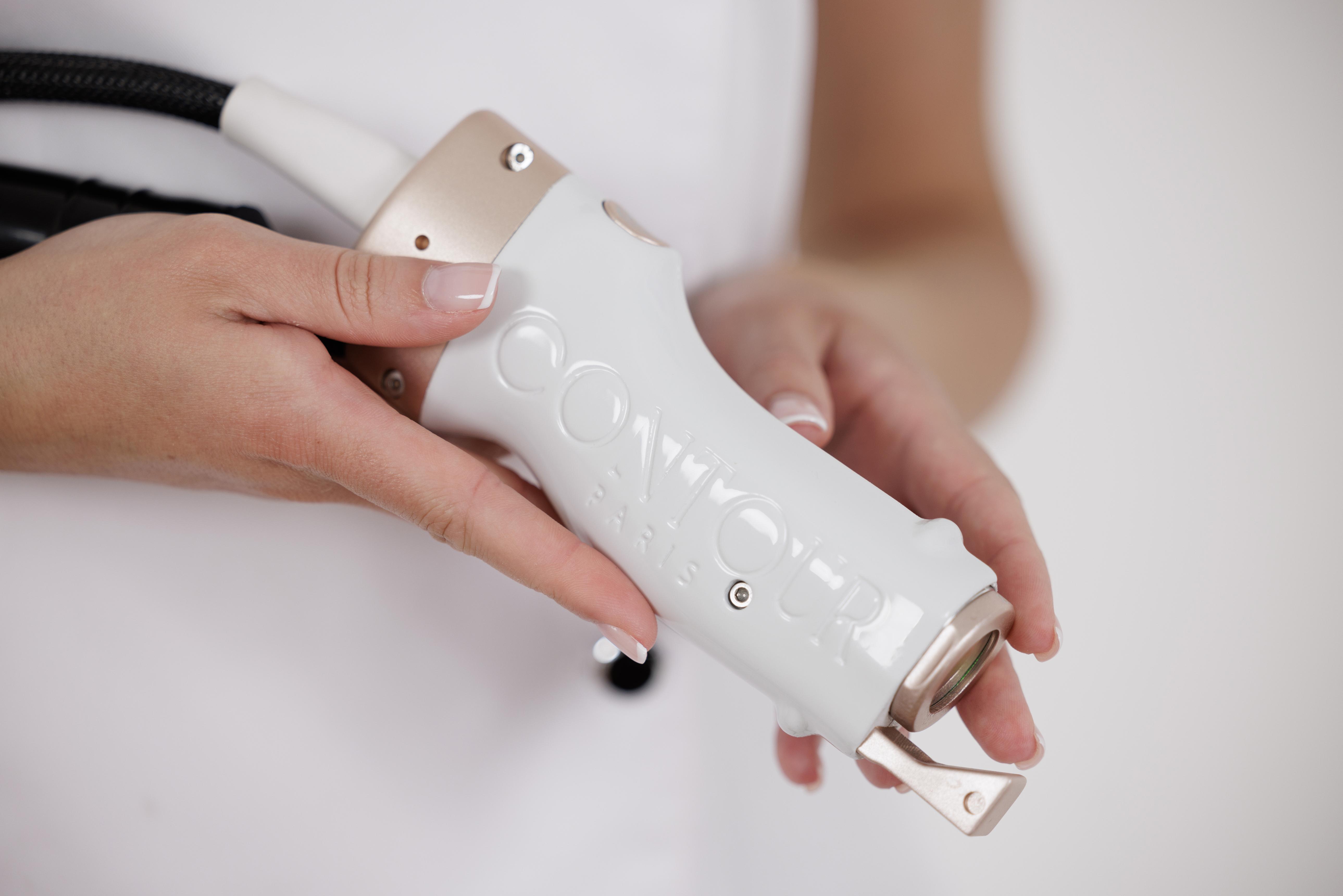
The lightweight design of the Clinical Skin Laser handpiece is based on two technological choices: a fibre-delivered diode laser architecture and an external cooling system.
These two features help minimise the number of components housed within the tool held by the practitioner.
In some diode laser hair removal devices, the laser diodes, part of the electronics and the cooling system are integrated directly into the handpiece.
These components increase its weight.
The Clinical Skin Laser uses a different design: one or two high-power laser diodes are housed inside the device's main console.
The laser beam is then transmitted to the handpiece through an optical fibre.
The handpiece is therefore designed to guide and deliver the laser beam precisely, while the heaviest components remain inside the console.
This fibre-delivered architecture largely explains its weight of just 220 grams.
For laser hair removal professionals, it offers several advantages: a lighter tool to handle, intuitive operation and greater ease when performing precise movements.
Skin cooling plays an essential role during laser hair removal treatments. It helps protect the epidermis and improves client comfort.
Some professional laser devices use a cooled contact window or a cooling system integrated into the handpiece.
The Clinical Skin Laser features an external pulsed cold air cooling system capable of reaching -30 °C.
Because the cooling unit is not attached to the handpiece, the handpiece remains lightweight.
Another advantage is that this technology does not require contact gel.
Practitioners therefore benefit from easier handling and a treatment protocol that reduces product application and post-treatment skin cleaning.
In professional laser hair removal, precision is essential to ensure proper coverage of the treatment area while following safety procedures.
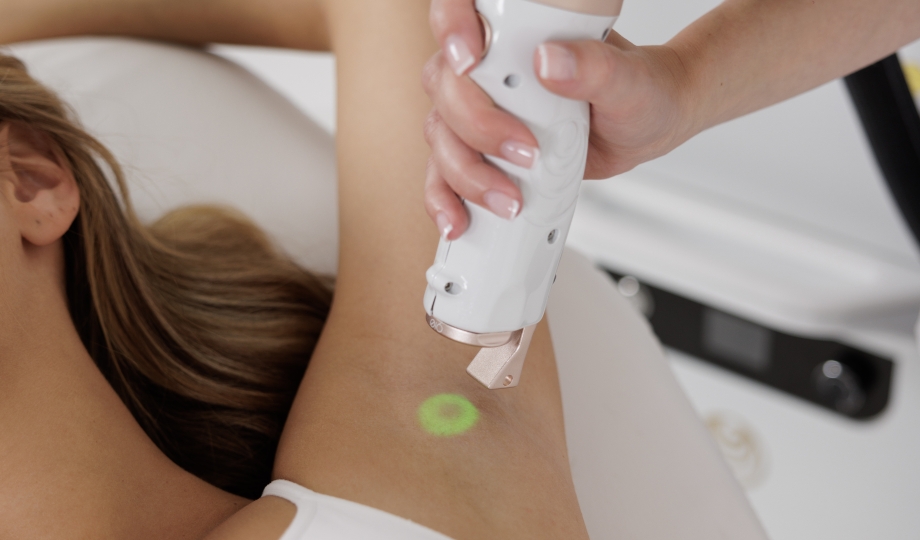
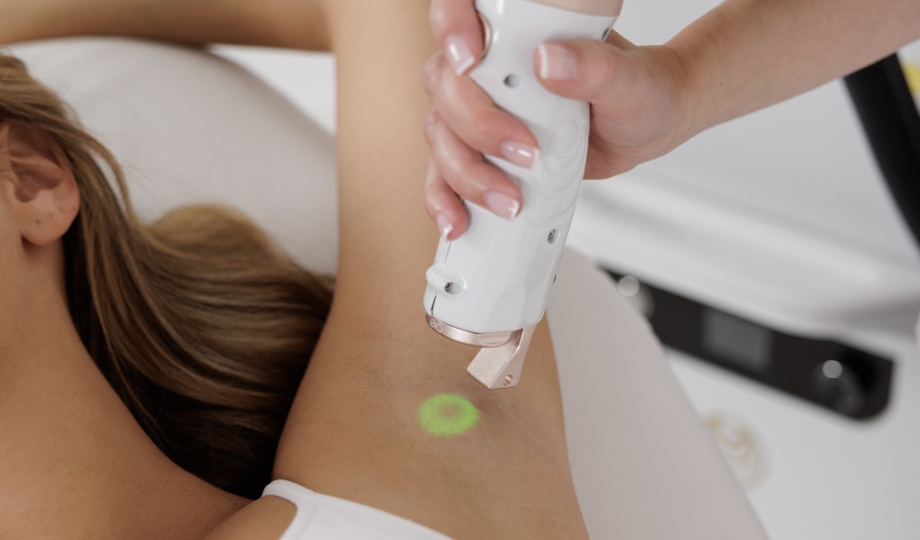
Certain anatomical areas, such as the bikini line or underarms, require changes in angle and particularly careful handling.
A lightweight handpiece can make these movements easier, especially when the practitioner needs to adjust the angle of the device.
Weighing just 220 grams and featuring an ergonomic design, the Clinical Skin Laser handpiece is designed to provide a comfortable grip and excellent manoeuvrability.
This ease of use is a valuable everyday advantage for both experienced practitioners and professionals discovering laser hair removal.
The Clinical Skin Laser offers a pulse repetition rate of up to 10 Hz, equivalent to 10 pulses per second.
Combined with a lightweight handpiece, this feature can support smooth and efficient movement throughout the treatment.
However, pulse repetition rate alone does not determine treatment duration. Session length also depends on the treatment area, skin phototype, selected settings and the protocol used.
For beauty salons and aesthetic centres, an ergonomic, high-performance device helps support an efficient treatment schedule without compromising safety or treatment quality.
Ergonomics primarily benefit the practitioner, but they also contribute to the overall client experience.
An easy-to-handle handpiece helps practitioners perform precise and controlled movements.
At the same time, the Clinical Skin Laser's pulsed cold air cooling system, reaching -30 °C, helps reduce sensations of heat and discomfort during laser pulses.
This is particularly beneficial when treating sensitive areas, including the bikini line and underarms.
Finally, the absence of contact gel simplifies the end of the session: clients do not need to remove gel residue before getting dressed.
To explore this topic further, read our article on the 15 common misconceptions about laser hair removal.
Beyond technical specifications, the experience of professionals trained in real-world conditions provides valuable insight.
Nina Cambier, a trainer at the Académie de Formation en Esthétique et Esthétique Médicale (AFEEM), has trained several hundred aesthetic practitioners in the use of the Clinical Skin Laser.
Her experience particularly highlights the handpiece's manoeuvrability, the importance of correct working posture and the comfort provided by gel-free cooling.
"Having trained hundreds of practitioners on the Clinical Skin Laser, I now have extensive experience with the device. Some trainees already perform laser treatments in their centres and feel comfortable almost immediately. But even those who are discovering laser technology for the first time learn to handle the handpiece within just a few hours. It is highly ergonomic, intuitive and fits perfectly in the palm of the hand.
During training, we focus extensively on posture, whether sitting or standing, depending on the treatment area and each practitioner's preferences. Combined with the lightweight handpiece, this allows practitioners to work for hours without fatigue or pain at the end of the day.
The lightweight design makes a huge difference to precision, particularly in the bikini area, where the handpiece needs to be angled for accurate treatment. The Clinical Skin Laser makes this perfectly possible.
I have worked with other devices before, including those requiring contact gel. No longer having to use gel is a real time-saver and comfort advantage: clients leave feeling clean, with soft skin and no sticky gel residue. For us as aesthetic practitioners, it also makes everyday treatments much more pleasant. Thanks to the cold air cooling system, treatments are very comfortable for clients."
— Nina Cambier, AFEEM Trainer
This testimonial highlights an important point: the ergonomics of a laser device should not be assessed solely through its technical specifications, but also through its actual use in the treatment room.
When purchasing a professional laser hair removal device, wavelength, performance, equipment compliance and treatment capabilities are essential criteria.
However, handling comfort also deserves particular attention.
Before choosing your device, several questions can help you assess the ergonomics of its handpiece.
Ideally, test the device during a demonstration, reproducing the movements you would normally perform in your treatment room.
To help you make an informed decision, read our guide to choosing a professional laser hair removal device.
Choosing ergonomic equipment is part of a broader approach to preventing occupational risks.
Employers must assess the risks to which their employees are exposed and implement appropriate preventive measures.
In beauty professions, the INRS particularly recommends improving equipment, workstation layout and task organisation.
Choosing a lightweight handpiece can therefore be a valuable measure, alongside training in correct working techniques and an organisation that allows practitioners to vary their postures.
Even with a lightweight, ergonomic laser device, appropriate training remains essential.
Mastering treatment techniques, understanding how the equipment works and following the correct protocols help ensure treatments are performed under suitable conditions.
In France, Decree No. 2024-470 of 24 May 2024 and the Order of 19 February 2025 regulate the practice of laser and intense pulsed light hair removal for non-therapeutic purposes.
The mandatory foundational training programme includes theoretical and practical instruction, particularly concerning equipment use and necessary safety precautions.
The Order of 11 August 2026 extended the transitional deadline until 1 September 2027 for the professionals concerned to complete this training.
Beyond regulatory requirements, training also provides an opportunity to learn how to adjust working posture according to different treatment areas and handle the laser handpiece effectively.
The AFEEM offers laser hair removal training for the professionals concerned.
When investing in a laser hair removal device, it is natural to evaluate its technical performance, treatment capabilities and profitability.
However, one essential factor should not be overlooked: the everyday working comfort of the person using the device.
With its 220-gram handpiece, fibre-delivered diode laser architecture and external pulsed cold air cooling system reaching -30 °C, the Clinical Skin Laser combines lightweight design, manoeuvrability and handling comfort.
These features make it an option worth considering for beauty salons and aesthetic centres looking to introduce professional laser hair removal technology while paying particular attention to workstation ergonomics.
However, hands-on experience remains the best way to determine whether a device meets your needs, professional practice and salon organisation.
Would you like to discover the Clinical Skin Laser and try its 220-gram handpiece for yourself?
Explore the features of the Clinical Skin Laser by Contour Paris and get in touch to arrange a hands-on demonstration.
Discover the comfort and precision of our 220 g laser handpiece. Book a personalised demonstration with the Contour Paris team.
REQUEST A DEMONSTRATIONThe Clinical Skin Laser handpiece by Contour Paris weighs 220 grams, approximately the weight of a smartphone. Its design aims to provide professionals with lightweight, ergonomic handling during laser hair removal treatments.
A lightweight handpiece can make repetitive movements, changes in angle and treatments on delicate areas easier. It helps limit the physical strain associated with the tool's weight, alongside correct posture and appropriate work organisation.
A fibre-delivered diode laser is a device in which the laser beam is generated by diodes located inside the main console and then transmitted to the handpiece through an optical fibre. This design reduces the number of components housed inside the handpiece and therefore helps make it lighter.
The Clinical Skin Laser uses an external pulsed cold air cooling system capable of reaching -30 °C. This cooling technology contributes to skin comfort during treatment and does not require contact gel.
No. Handpiece weight alone does not determine laser effectiveness. Performance depends on factors including the characteristics of the laser source, wavelength, delivered energy, selected settings and the adaptation of the treatment protocol to skin phototype and hair characteristics.
The weight of a tool is one of the factors influencing the physical strain associated with its use. A lighter handpiece can reduce certain muscular demands, but MSD prevention also depends on working posture, repetitive movements, exposure duration and work organisation.
According to Nina Cambier, an AFEEM trainer, aesthetic practitioners already familiar with laser technology can become comfortable with the device very quickly. Beginners generally learn to handle the handpiece within a few hours of practical training. However, fully mastering the equipment also requires validating the necessary skills and completing the required training.
Share
















Vos informations ont bien été mises à jour.
Cette fenêtre se fermera automatiquement dans quelques secondes...
Cette fenêtre va se fermer automatiquement dans 3 secondes...
Veuillez saisir l'adresse email rattaché à votre compte client pour recevoir un lien de réinitialisation de votre mot de passe.
Vous pouvez maintenant commander et suivre vos commandes. Cette fenêtre va se fermer automatiquement dans 5 secondes...