
Share


Permanent laser hair removal: 15 myths to forget in 2026
Cancer, burns, pain, thicker regrowth, infertility, inability to treat dark skin… When it comes to permanent laser hair removal, there is no shortage of misconceptions.
Some come from older technologies. Others have been passed down by word of mouth. And some are simply false.
At the same time, certain promises surrounding laser hair removal also deserve to be put into perspective. No, one session is not enough. No, every type of hair cannot be treated. And no, “permanent” does not mean that no hair will ever appear again.
So rather than choosing between social media testimonials, online forums and sales claims, let's separate fact from fiction.
Here are 15 common myths about laser hair removal, compared with what we actually know in 2026.
Verdict: false.
The word laser can sound intimidating. The word radiation can sound even more alarming. But not all forms of radiation have the same properties.
Ionising radiation, such as X-rays, has enough energy to alter biological matter and DNA. Hair-removal lasers, however, belong to the category of non-ionising radiation.
The light energy is absorbed by the melanin in the hair and converted into heat in order to reach the structures involved in hair growth. The beam therefore acts locally in the skin and hair follicle. It does not penetrate deep into the body or internal tissues.
That does not mean laser treatment should be taken lightly.
Safety depends first and foremost on a thorough assessment before treatment. The professional should consider:
When contraindications are respected, the settings are correctly adapted and the device is used by a trained professional, laser hair removal can be performed safely.
Normal side effects may nevertheless occur, including redness, swelling around the follicles and a sensation of warmth.
Verdict: false.
This is probably one of the most persistent fears.
Laser energy used for hair removal acts within the superficial layers of the skin where the hair follicles are located. It does not travel through the tissues to the ovaries or other reproductive organs.
Laser treatment of the bikini area is therefore not associated with infertility.
Verdict: not when it is used correctly. But zero risk does not exist.
To understand laser treatment, it helps to understand the principle of selective photothermolysis.
In laser hair removal, the main target is melanin in the hair. Light is absorbed by this pigment and converted into heat. This heat reaches the structures within the follicle responsible for regrowth while limiting damage to surrounding tissue.
Because the skin also contains melanin. The more pigmented or tanned the skin is, the more laser energy it may absorb.
This is why the choice of settings is so important.
Before treatment, the professional should assess:
Wavelength, fluence, pulse duration and cooling all matter.
Redness, mild warmth or swelling around the follicles may occur after a session and usually disappears quickly.
Significant burns, however, are not considered a normal expected reaction.
This is precisely why laser treatment requires genuine technical expertise and rigorous training.
Verdict: false.
If you have heard laser compared with dozens of elastic bands snapping against the skin, the reality is that the experience depends greatly on the device, the area being treated and the cooling system.
Three factors particularly influence comfort.
The treatment area. Legs are generally better tolerated than more sensitive areas such as the underarms or bikini area.
Cooling. By cooling the skin during the laser pulse, modern systems can significantly improve comfort.
Progress through the protocol. As hair density decreases over the sessions, there are fewer targets absorbing energy.
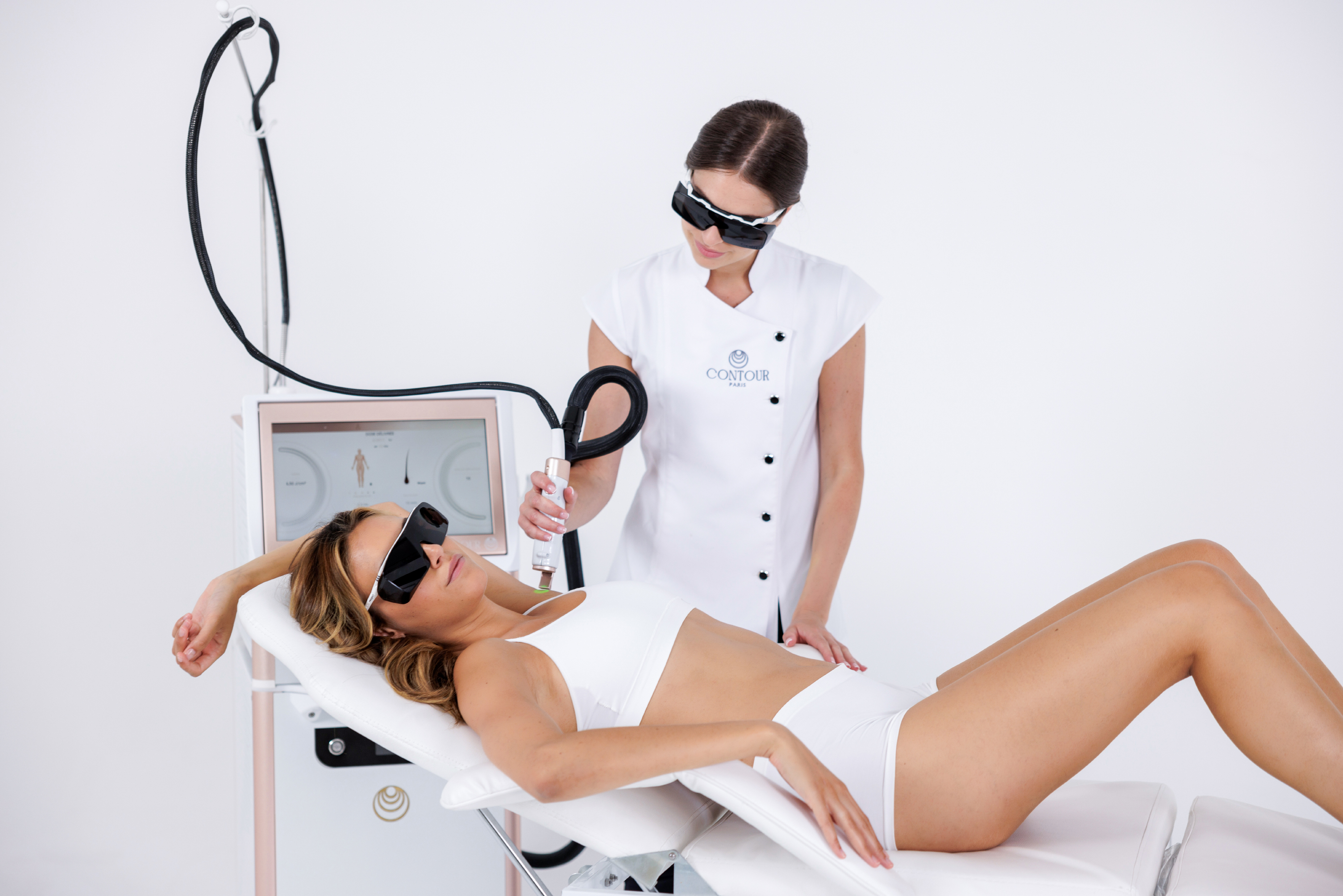
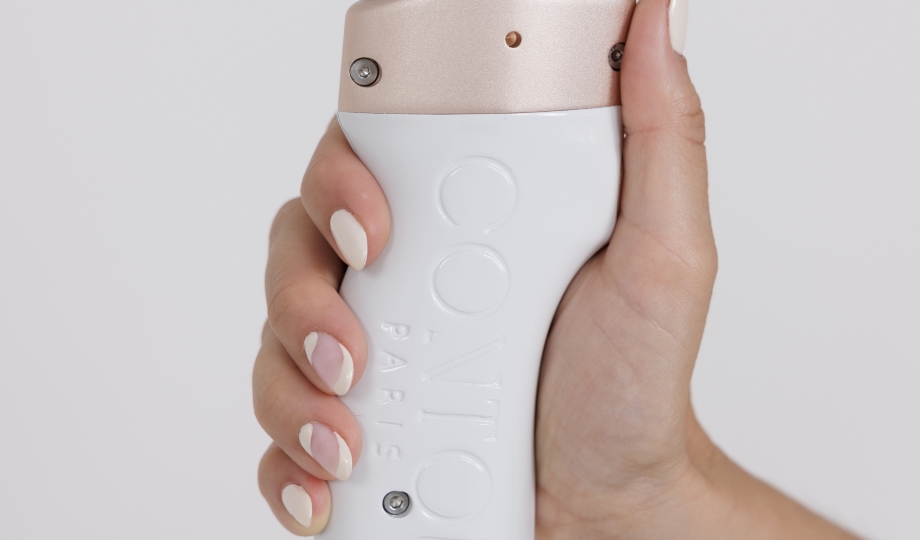
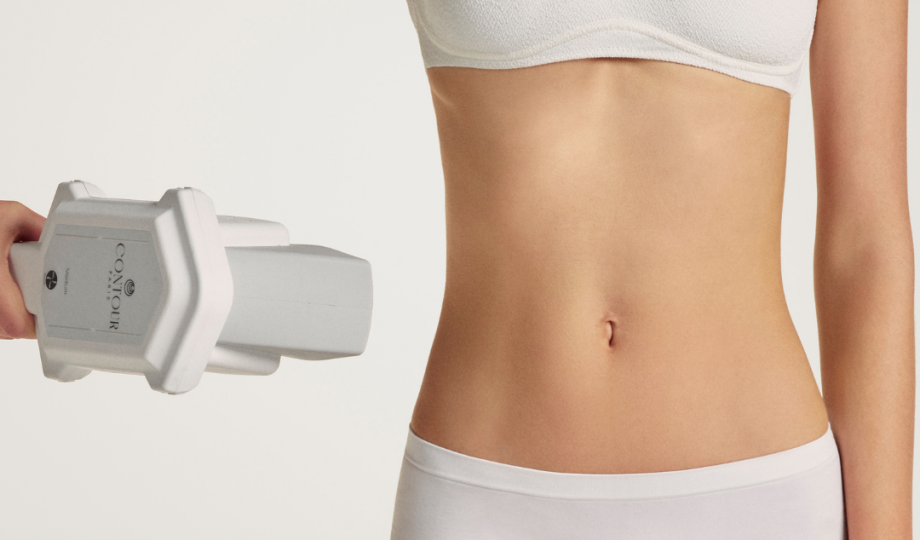
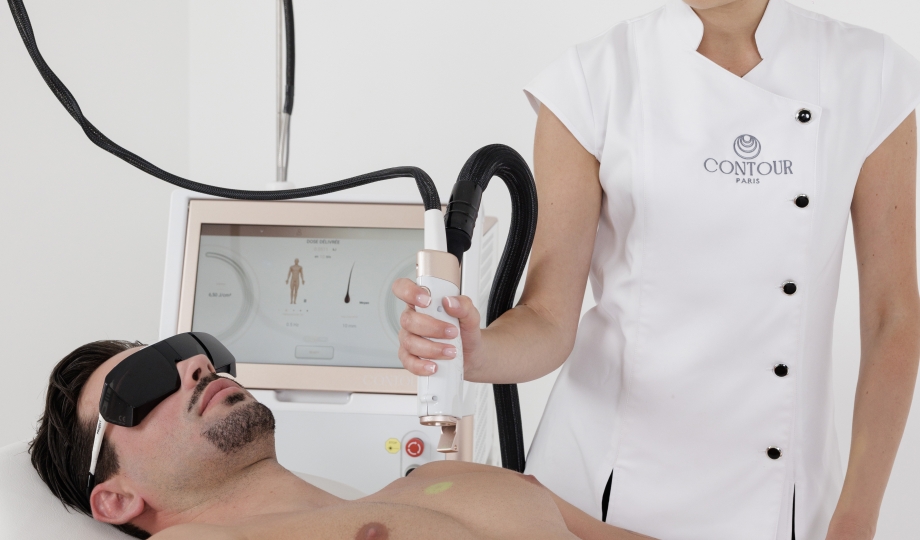
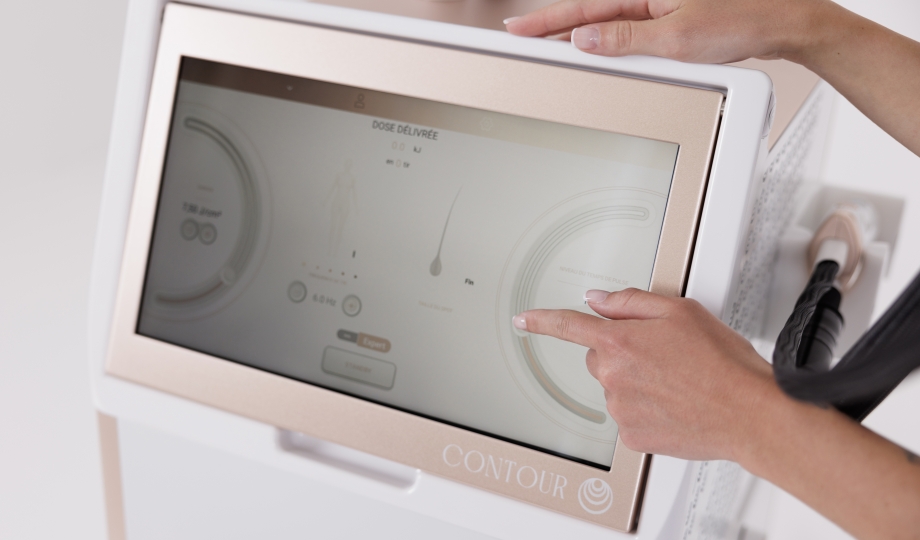
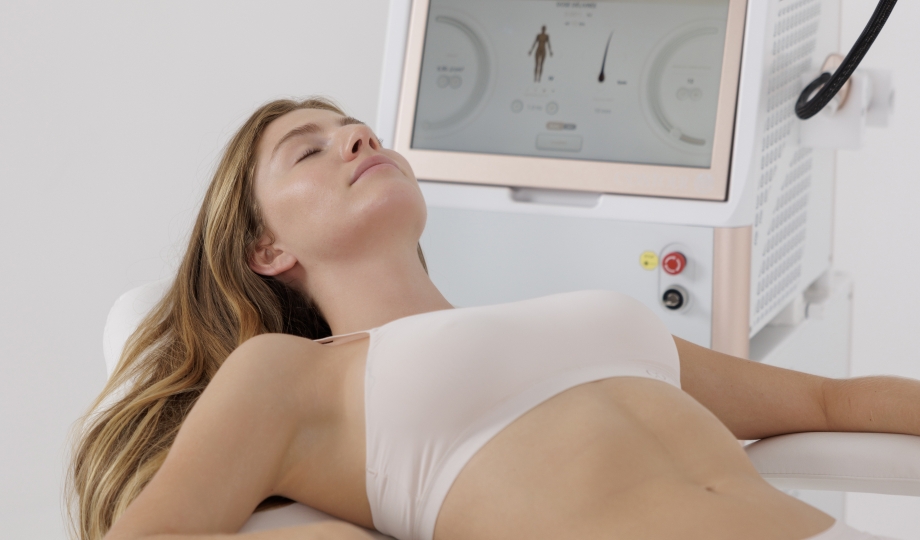
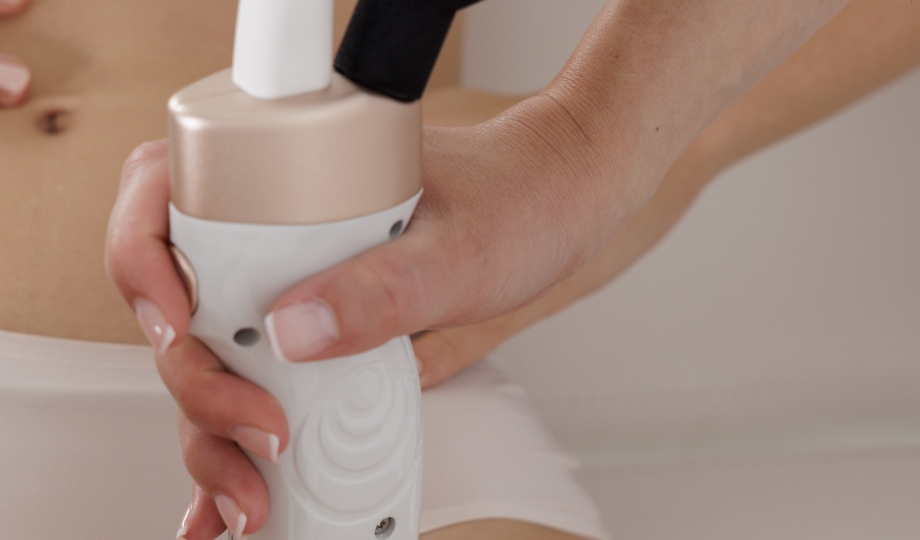
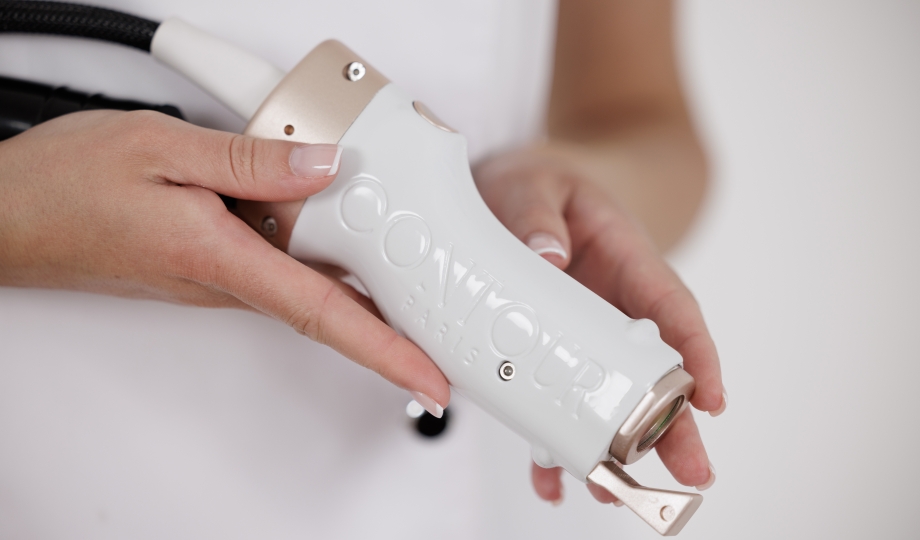
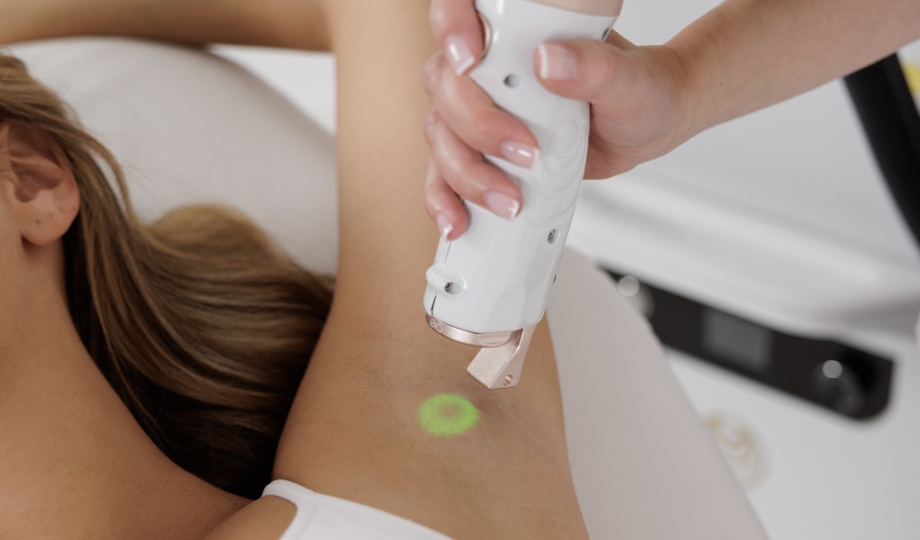
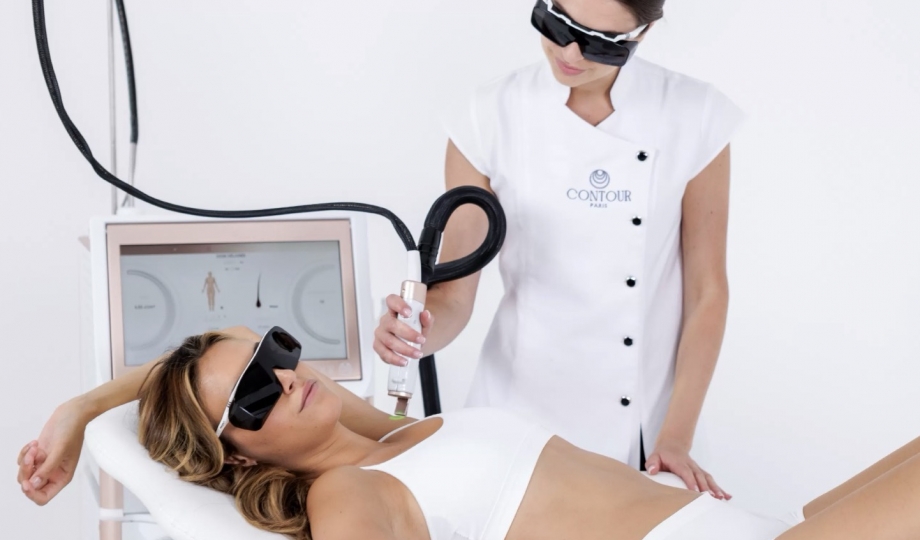
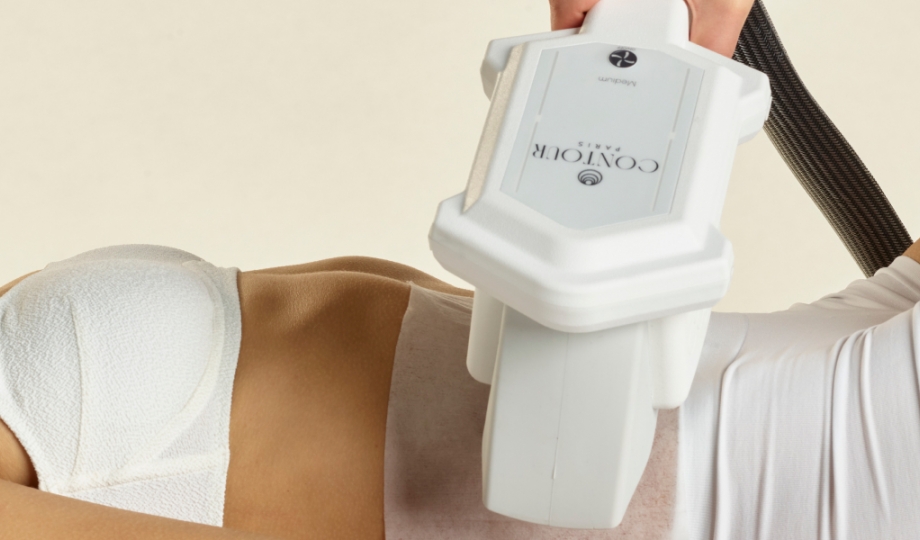
Modern permanent hair removal devices can make the session painless and highly comfortable. The Contour Paris Clinical Skin Laser®, for example, combines laser treatment with continuous cold-air cooling to make sessions very comfortable, including on sensitive areas such as the bikini line and underarms.
Verdict: false.
This idea partly comes from the earliest generations of laser technology.
Darker skin must be treated using technology and parameters suited to the individual's phototype.
Certain wavelengths, particularly diode and Nd:YAG lasers, now allow a wide range of skin tones to be treated when the appropriate safety conditions are met.
The right question is therefore not:
“Is my skin too dark for laser?”
but:
“Are the device and protocol being used suitable for my phototype?”
Verdict: absolutely not.
Back, chest, shoulders, legs, neck, beard line…
More and more men are choosing laser hair removal for aesthetic or practical reasons or to help reduce issues with ingrown hairs.
Male hair, which is often thicker and more pigmented, can also be a very good target for laser treatment.
However, male hair growth is strongly influenced by hormones.
On certain areas, regrowth may therefore occur over time and maintenance sessions may be required.
Verdict: false. This is one of the genuine limitations of laser treatment.
Without sufficient pigment, there is no effective target.
This is also why an assessment before treatment is essential.
Verdict: false.
The desired effect is precisely the opposite.
As the protocol progresses, the hairs that remain generally become fewer, finer and more widely spaced.
Verdict: false. It is completely normal.
Not all of your hairs grow at the same time.
Each follicle follows its own cycle, including an active growth phase known as the anagen phase, followed by transition and resting phases.
Laser is particularly effective when treatment occurs at the appropriate stage of the hair cycle.
Each session therefore targets only part of the hair.
A few weeks later, other follicles enter a favourable stage and become visible.
What appears to be “regrowth” may therefore simply be another group of hairs entering their growth cycle.
This is why several sessions are necessary.
Verdict: unfortunately not.
Several sessions are required because not all hairs are susceptible to treatment at the same time.
The exact number depends on:
In everyday language and Google searches, the expression “permanent laser hair removal” is widely used.
Biologically, however, it is more accurate to talk about a significant and long-lasting reduction in hair growth.
Some hairs may persist or reappear over time, particularly because of hormonal changes.
Occasional maintenance sessions may therefore be useful.
Verdict: no. And put the wax away.
The laser needs the follicle and the section of the hair below the skin to remain present.
Waxing, electric epilators and tweezers remove the hair from the root.
Between sessions, shaving should therefore be preferred to methods that pull the hair out.
On the other hand, arriving with several millimetres of hair above the surface provides no benefit.
Your professional will tell you when to shave according to the protocol, but many devices require the area to be shaved around 48 hours before treatment.
Verdict: true and false.
Recently sun-exposed skin contains more pigment. It may therefore absorb a greater proportion of the laser energy, increasing the risk of adverse effects such as burns or pigmentation changes.
As a precaution, it is recommended not to expose the area to the sun for four weeks before and after treatment.
The real question is therefore: has the area being treated been exposed?
Underarms that remain protected from the sun may, for example, be easier to treat during summer than tanned legs in April.
In practice:
Autumn and winter remain particularly convenient.
Body areas are naturally less exposed to the sun, making it easier to complete several sessions before warmer weather returns.
Verdict: no.
Laser uses a defined wavelength selected, among other factors, to target melanin in the hair.
IPL emits a broader spectrum of wavelengths.
It can be used for hair reduction, but its operation and characteristics differ from those of a true laser.
Most are intense pulsed light devices designed for consumer use.
For safety reasons, their energy levels and adjustment options are very different and they are considerably less powerful than professional equipment.
They may help slow or reduce regrowth, but a home device and a professional laser are not in the same category.
Verdict: this has not been true since 2024.
French regulations have changed considerably.
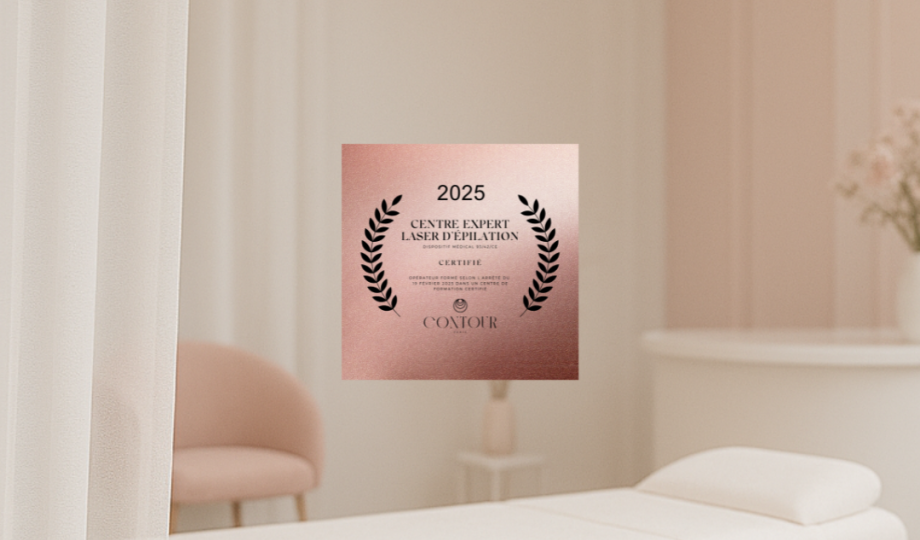
The Decree of 24 May 2024 opened non-therapeutic IPL and laser hair removal to certain non-medical professionals, including nurses and qualifying beauty professionals.
The Order of 19 February 2025 subsequently established the mandatory training framework.
This foundation training includes:
Verdict: false.
Yes, laser hair removal represents a budget.
The price varies according to:
But comparing the price of a laser session with the price of a packet of razors does not tell the whole story.
The real calculation should be made over time.
Add up several years of:
Laser represents an investment concentrated over a given period in order to achieve long-lasting hair reduction.
And for people prone to ingrown hairs or shaving irritation, the benefit may extend beyond appearance alone.
After 15 myths, the conclusion is actually quite simple.
Laser hair removal can deliver exceptional and safe results when performed using high-quality equipment by a trained and competent practitioner.
Laser hair removal can achieve significant and long-lasting hair reduction, but it cannot guarantee the complete disappearance of every hair for the rest of your life. Some regrowth may occur over time and maintenance sessions may be required.
Several sessions are necessary because all hairs are not at the same stage of their growth cycle at the same time. The exact number varies according to the area, phototype, hair characteristics, hormonal factors and the device being used. Around eight sessions are required on average to achieve smooth, soft skin.
The sensation varies according to the treatment area and device. It is often described as tingling, a brief feeling of heat or a light snapping sensation. Cooling systems built into modern technology can significantly improve comfort.
As a precaution, laser hair removal sessions are generally postponed during pregnancy, particularly because of hormonal changes.
Yes. Shaving keeps the part of the hair located within the follicle while avoiding excessive hair length above the skin. Waxing, tweezing and electric epilation should be avoided because they remove the hair from the root.
Yes, provided that the technology and settings are suitable for the phototype. A thorough assessment beforehand is particularly important.
Sun exposure of the treated area should be avoided for four weeks after a session. Tanned or recently exposed skin may have a higher risk of pigmentation changes or burns.
Some treatments can alter the skin's sensitivity to light or require special precautions. It is therefore essential to report all current medications and treatments before a session.
Never stop prescribed medical treatment on your own in order to undergo laser hair removal.
Heat, friction and perspiration may increase irritation in freshly treated skin. Depending on the area and your skin's reaction, you may be advised to temporarily avoid intense exercise, saunas or steam rooms.
Yes, provided that the requirements of French regulations are met. Since the Decree of 24 May 2024, certain non-medical professionals have been permitted to perform non-therapeutic laser hair removal. Specific foundation training is provided for under the Order of 19 February 2025, with a transitional period currently running until 1 September 2027 for the professionals concerned.
Laser uses a defined wavelength, whereas intense pulsed light emits a broader spectrum. The technologies, settings and performance characteristics are therefore not identical.
This article is based in particular on recommendations and publications from the French Society of Dermatological Lasers (SFLD), part of the French Society of Dermatology, regulatory texts published on Légifrance, information from the DGCCRF and scientific reference publications on selective photothermolysis.
Last updated: October 2026.
Share



























































Vos informations ont bien été mises à jour.
Cette fenêtre se fermera automatiquement dans quelques secondes...
Cette fenêtre va se fermer automatiquement dans 3 secondes...
Veuillez saisir l'adresse email rattaché à votre compte client pour recevoir un lien de réinitialisation de votre mot de passe.
Vous pouvez maintenant commander et suivre vos commandes. Cette fenêtre va se fermer automatiquement dans 5 secondes...