
Share



Your skin, a reflection of your wellbeing: what your lifestyle reveals (and what you can do about it)
“Being thin-skinned”, “not feeling comfortable in your own skin”… What if these expressions were not entirely accidental? Long before laboratories existed, our language had already understood something essential: the skin openly tells the story of what is happening inside. One night of too little sleep, a week under pressure, meals eaten on autopilot — your face takes it all, and it is not shy about showing it.
The good news is that in 2026, this intuition has become a genuine way of understanding the skin. The skin is increasingly seen as a reflection of our overall wellbeing, a “biomarker” that we are finally learning to decode rather than hide beneath three layers of foundation. In this guide, we take a closer look at the six factors that really make a difference: stress, sleep, diet, hydration, the microbiome and lifestyle. Science on one side, practical actions on the other. No miracle promises. Just concrete advice.
Let's begin by clearing up one common misconception: no, the skin is not simply an outer covering. It is actually the body's largest organ, continuously connected to your nervous system and immune defences. The most fascinating part? The skin and brain originate from the same embryonic layer. That is why an emotion can make you blush, itch or trigger an eczema flare-up within seconds. This continuous connection between the mind and the epidermis has a name: the neurocutaneous axis.
In other words, internal imbalances — fatigue, tension, inflammation — sooner or later begin to show on your face. And the reverse can be true too: when your skin struggles, your mood can suffer. A vicious circle… and one that is worth learning to recognise in order to break it.
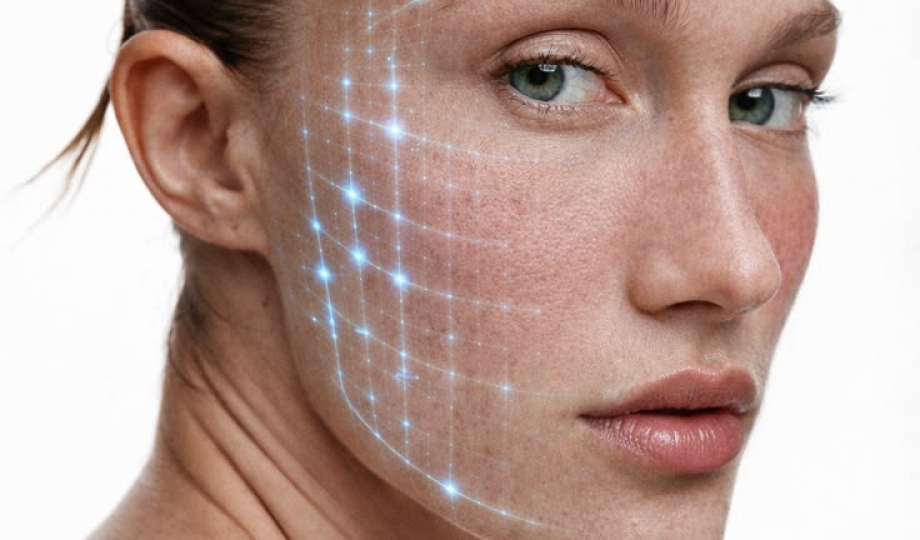
The starting point? Observe before correcting. A structured skin analysis helps distinguish what relates to skincare from what relates to lifestyle. And for anyone who wants to explore the mechanisms of the skin in more depth, INSERM provides fascinating reference resources.
If there were only one factor to remember, it would be this one. The main culprit has a name you already know: cortisol, the stress hormone.
The mechanism is straightforward. Cortisol sends the sebaceous glands into overdrive: sebum production rises, pores become clogged, inflammation develops and acne appears. No, it is not “all in your head”; it is a genuine biological reaction. Hence those breakouts that seem to arrive precisely on the day of an important interview or appointment. Murphy's law, skin edition.
Stress also affects your skin barrier, the protective shield that keeps water in and external aggressors out. As a result, chronic stress often goes hand in hand with eczema, psoriasis and acne — and sensitive or atopic skin tends to suffer first. The result: tightness, reactivity and a complexion that loses its glow.
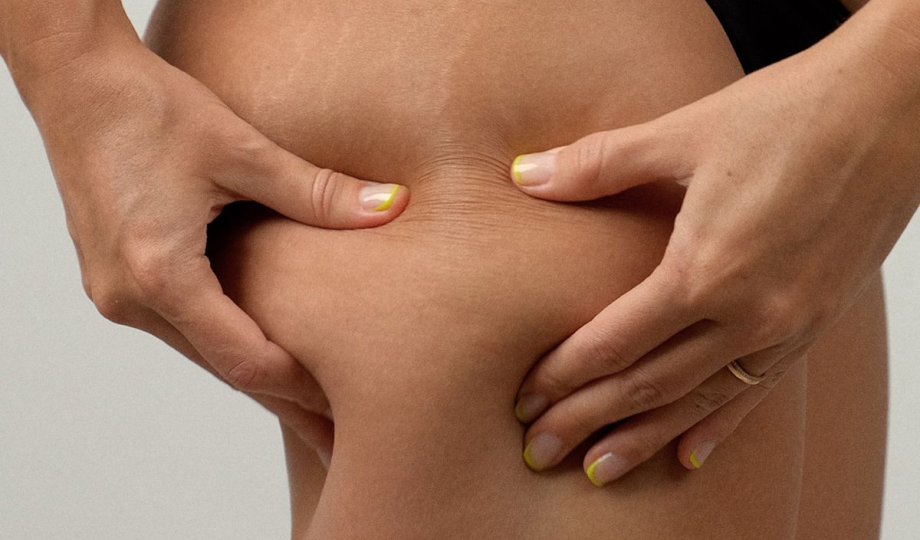
Over time, the consequences increase. Chronic stress accelerates cellular ageing, while cortisol directly affects collagen, the structure that keeps the skin supple and plump. Less collagen means the entire support structure gradually loses volume.
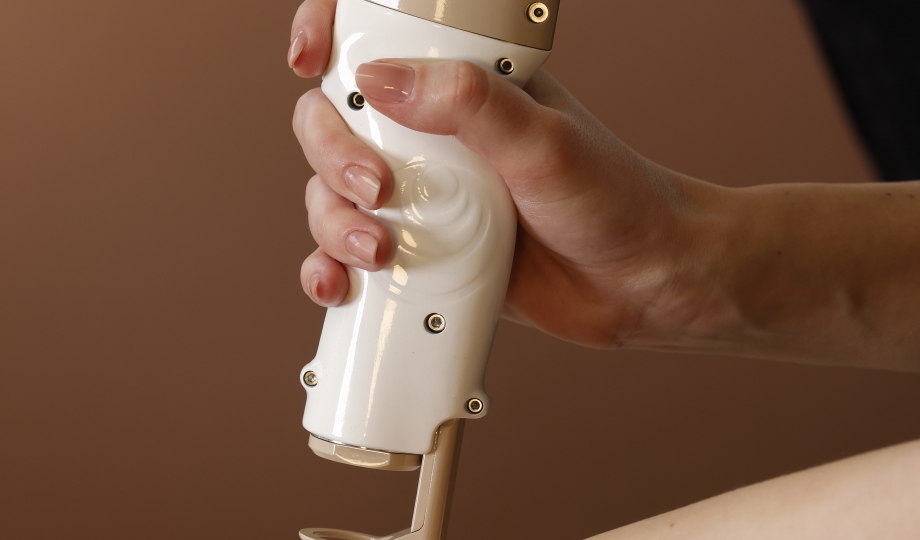
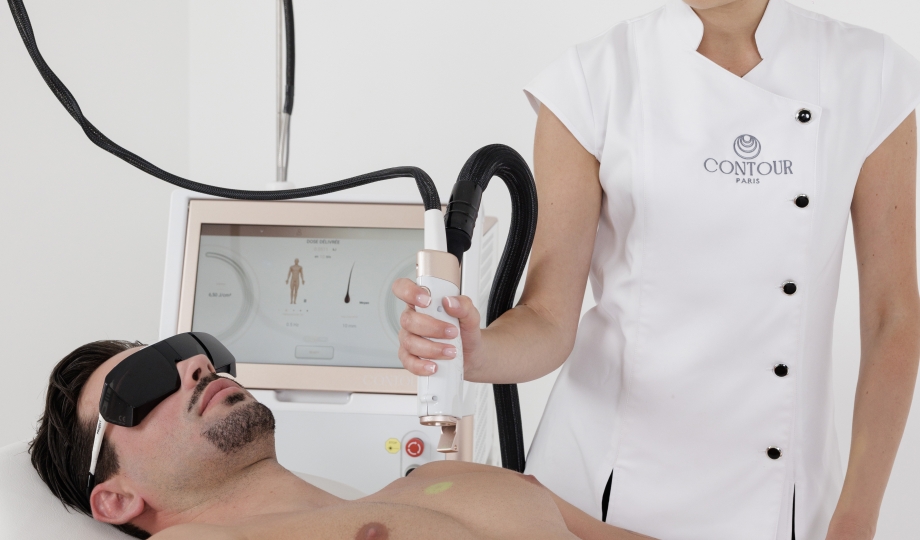
What can you do? Proven anti-stress habits — breathing exercises, physical activity and sleep (we are getting there) — address the issue at its source. From a treatment perspective, technologies designed to stimulate collagen production can provide complementary support. Want to go further? We have dedicated a complete guide to cortisol, skin and slimming.
There is a reason we talk about “restorative sleep”. While you sleep, your body repairs muscles, bones… and skin, under the influence of growth hormone, which is mainly secreted during deep sleep. In other words, much of the body's regeneration work happens while your eyes are closed.
Disrupt this repair time and the consequences can appear the very next morning: a grey complexion, tired features, dark circles and puffiness. Slower microcirculation and less effective drainage during the night are partly responsible for that familiar “puffy” appearance after too little sleep.
There is no magic number, but there is a clear consensus: 7 to 9 hours for most adults. And remember, regularity matters just as much as duration — the quality of deep sleep plays a central role. If sleep problems persist over time, the Institut National du Sommeil et de la Vigilance provides reliable and independent resources.
From a skincare perspective, extending this regenerative momentum is precisely the role of collagen-stimulation devices: discover Collagen Boost.
“You are what you eat”: the cliché contains some truth, provided it is approached with nuance. Your skin is nourished from within, and some dietary choices may show more quickly than you realise.
It is one of the better-established links. A diet that is excessively high in fat and sugar can dull the complexion over time and contribute to inflammation. One of the mechanisms involved is glycation: excess sugar can stiffen collagen and elastin fibres — the very fibres responsible for skin elasticity and bounce.
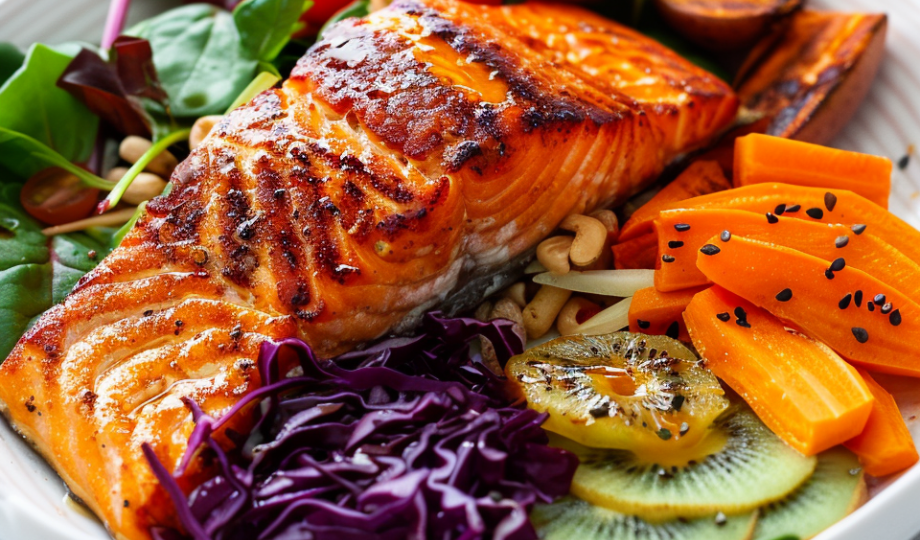
Fortunately, diet can also work in your favour. Antioxidants (berries, citrus fruits, colourful vegetables and green tea), beta-carotene (carrots and sweet potatoes) and omega-3 fatty acids from oily fish help support the skin. Combine them with a balanced lifestyle that also keeps stress under control. Looking for inspiration to build the perfect plate? We have dedicated an entire article to the subject.
The answer requires some nuance: supplements complement a diet; they never replace it. Their effectiveness depends on the ingredient, the dosage and your skin type!
This is one of the biggest misunderstandings surrounding skin. “Drink water and your skin will look beautiful”: we hear it everywhere. The reality is a little more complicated.
Official health guidelines place requirements at around 1 to 1.5 litres per day, including fluids from drinks and food. There is no need to overdo it: beyond two litres without a particular need, there is no additional benefit for the skin, and excessive intake can instead disrupt electrolyte balance. The “more is always better” myth? Best left behind.
Because radiance does not depend only on the water you drink, but on your skin's ability to retain it. Internal hydration is necessary… but rarely sufficient on its own: hormones, age, environment and lifestyle also play their part. When the skin barrier is weakened, water escapes from the surface, light reflects less effectively and the complexion can appear dull, even if you drink two litres a day. The real answer? Support the skin barrier as well as your hydration. To discover the right ingredients for your skin, see Cosmetic active ingredients: which one should you recommend for each skin type?.
Stay with us — this is one of the fastest-growing topics in the field. Over recent years, research has increasingly explored a direct dialogue between the gut and the skin: the gut-skin axis.
The principle? A balanced intestinal microbiome helps regulate immunity and control inflammation. When it becomes imbalanced — a state known as dysbiosis — and the intestinal barrier becomes excessively permeable, it may instead contribute to inflammation that can also affect the skin, including eczema, psoriasis, rosacea and acne. One important factor? Certain fatty acids produced by beneficial bacteria, such as butyrate, which is known for its anti-inflammatory properties.
This is not merely a laboratory theory: research from Inserm has shown in mice that disruption of the intestinal microbiome was accompanied by a much stronger allergic skin response, helping researchers explore the relationship between gut flora and skin health.
In practice, focus on fibre, fermented foods and dietary variety: a favourable environment for both the microbiome and the skin. Want to explore the topic further? The Conversation has published a fascinating article exploring how the gut communicates with the skin, why an imbalanced microbiome may be linked to eczema or acne, and what role butyrate may play.
It is often forgotten that much of visible ageing is not simply written into your genes. Nearly 80% of the causes of skin ageing are linked to lifestyle factors such as sun exposure, pollution, smoking and fatigue. And that is actually good news: it means there is plenty you can influence.
Smoking affects microcirculation and dulls the complexion; alcohol dehydrates and dilates blood vessels; pollution causes oxidative stress that affects collagen. At the other end of the spectrum, physical activity stimulates circulation, oxygenates tissues and helps remove cellular waste — a free skincare treatment, and an extremely effective one. And when skin laxity is already present, targeted and highly effective solutions do exist.
There is no need to change everything overnight. Skin rewards consistency, not short-lived bursts of effort. Here is a realistic roadmap:
Allow for approximately one skin-renewal cycle: 4 to 6 weeks for the first visible effects on radiance, and a little longer for firmness. When it comes to skin, patience is one of your best beauty allies!
Yes. The skin, brain and immune system are closely connected through the neurocutaneous axis: fatigue, stress and inflammation can often become visible through changes in complexion, texture or skin reactions.
Yes. Cortisol can stimulate the sebaceous glands and inflammation, which may contribute to acne and worsen conditions such as eczema or psoriasis in people who are predisposed.
Yes. Skin regeneration is closely linked to deep sleep, during which growth hormone is secreted and contributes to skin repair.
Most adults need between 7 and 9 hours, with regularity and the quality of deep sleep being particularly important.
Hydration is necessary but rarely sufficient on its own. Drinking beyond your body's requirements does not provide additional benefits for the skin.
Around 1 to 1.5 litres per day, including water from drinks and food. There is no need to exceed this without a particular reason.
Because radiance depends largely on the skin barrier's ability to retain water. If the barrier is weakened, the surface becomes dehydrated and light reflects less effectively.
Antioxidant-rich foods such as berries, citrus fruits and colourful vegetables, beta-carotene from carrots and sweet potatoes, and omega-3 fatty acids from oily fish, as part of a varied diet that is low in fast sugars.
Yes. An imbalance in the microbiome, known as dysbiosis, may contribute to inflammation associated with eczema, acne or psoriasis through the gut-skin axis.
The first improvements in radiance generally appear within 4 to 6 weeks, approximately the length of one skin-renewal cycle.
This article is for informational purposes only and is not a substitute for advice from a healthcare professional.
Share






























































Vos informations ont bien été mises à jour.
Cette fenêtre se fermera automatiquement dans quelques secondes...
Cette fenêtre va se fermer automatiquement dans 3 secondes...
Veuillez saisir l'adresse email rattaché à votre compte client pour recevoir un lien de réinitialisation de votre mot de passe.
Vous pouvez maintenant commander et suivre vos commandes. Cette fenêtre va se fermer automatiquement dans 5 secondes...