
Share


She booked a facial. Then halfway through the treatment she says something you have heard a hundred times: “I don't understand. I eat the same, I exercise the same, and yet my body is changing without asking me.” Her stomach is becoming rounder, her skin feels tight, the hair along her parting is becoming thinner and her nights are interrupted by hot flushes. She is not simply talking to you about a treatment. She is talking about menopause.
You already see this client every day. In France, 17.2 million women over the age of 45 are affected by menopause and more than 14 million are postmenopausal, according to the French Ministry of Health. Every year, between 400,000 and 500,000 women enter this stage, according to the French National Authority for Health.
One point needs to be clear from the beginning: a beauty salon does not treat menopause. It is neither a disease nor part of your medical scope of practice. However, when it comes to skin, body shape, muscle tone, hair and wellbeing, beauty professionals can play a valuable supportive role provided they understand the changes involved.
To provide useful advice, you first need to understand what is happening. One central factor underlies many of the changes your clients describe: declining oestrogen levels.
Menopause corresponds to the permanent cessation of ovarian function and is confirmed after 12 consecutive months without menstruation. In France, it occurs at an average age of around 51, although there is considerable individual variation.
The body does not wait until the final period before changing. Perimenopause can last several years, with fluctuating hormone levels. This is often when clients first arrive confused by changing skin, body composition or weight distribution.
According to the article's cited Inserm figures, 87% of menopausal women experience at least one symptom in addition to the end of menstruation, while 20 to 25% experience moderate to severe symptoms affecting quality of life.
Two women of the same age may therefore experience menopause in completely different ways. There is no single standard beauty protocol suitable for everyone.
| What the client notices | What is changing | What the article reports from the science | Potential beauty-salon approach |
|---|---|---|---|
| Thinner, tighter skin and more visible wrinkles | Decline in collagen and elastin | Up to 30% of skin collagen lost during the first five years after menopause, followed by around 2.1% per year | Radiofrequency, LED, skincare routine, anti-ageing massage |
| Dry, sensitive or itchy skin | Weaker skin barrier and increased water loss | Oestrogens influence transepidermal water loss and dermal collagen | Nourishing treatments and skincare advice |
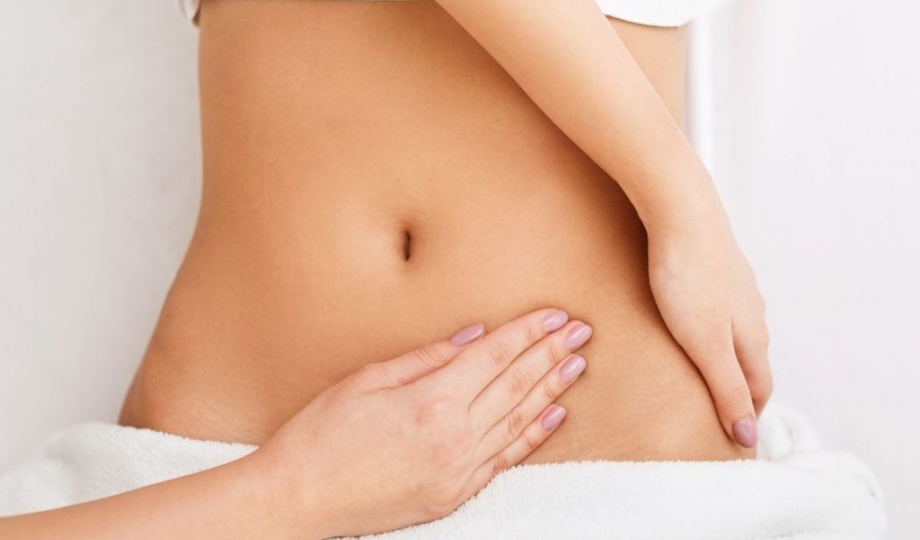
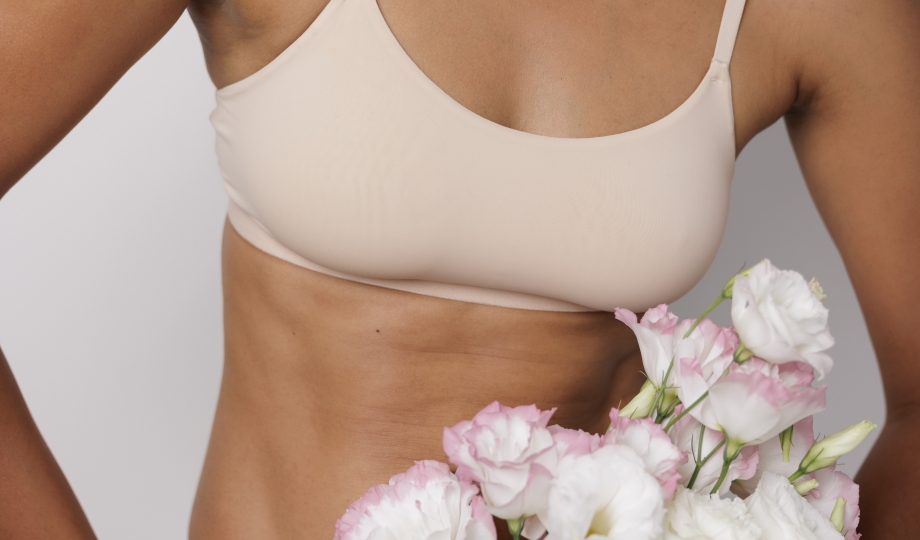
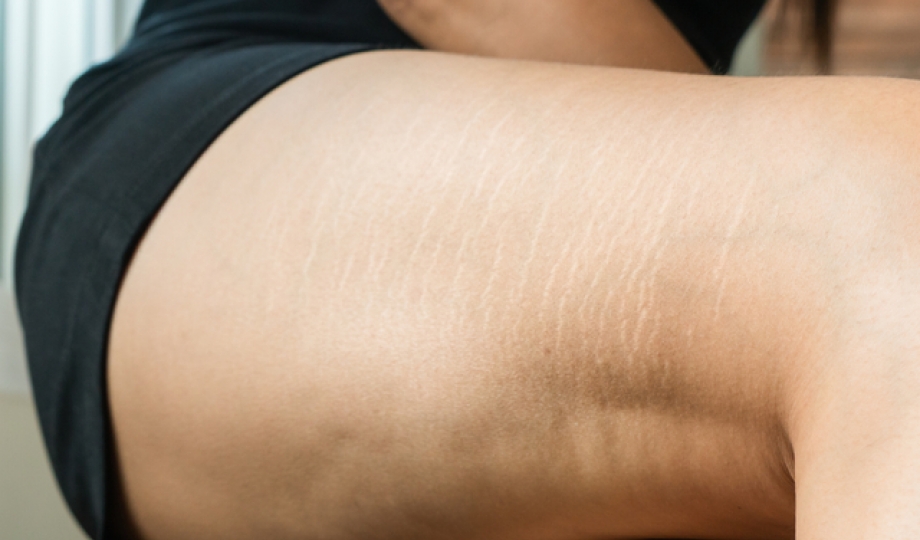
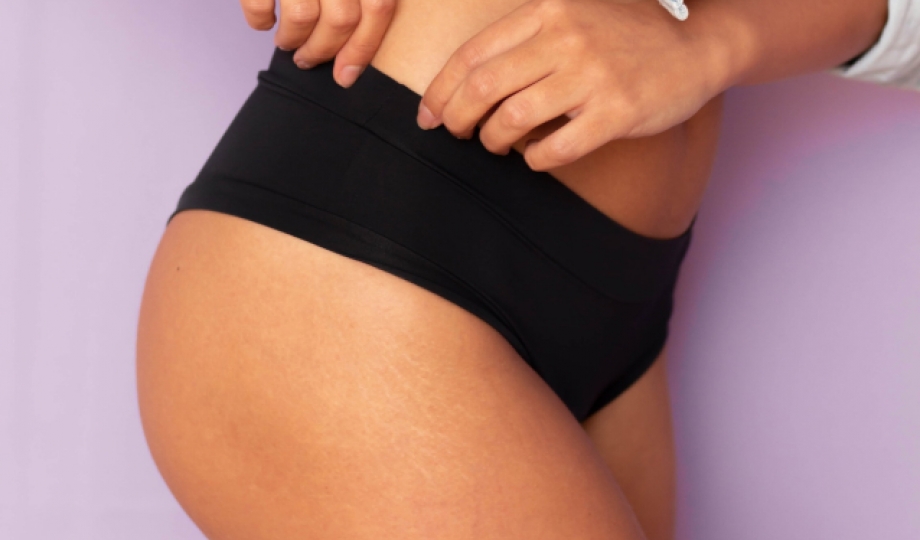
| A rounder abdomen with little change on the scales | Fat redistribution towards the abdomen | Rate of fat-mass gain increases during the transition | Cryolipolysis, mechanical massage, lifestyle advice |
| Reduced tone in arms and thighs | Loss of lean muscle mass | Lean mass begins declining during the transition | Strength work and electromagnetic muscle stimulation |
| Thinner hair and widening parting | Female-pattern hair loss | Reported in more than half of postmenopausal women in one study | LED and referral to a dermatologist where appropriate |
| Fatigue, poor sleep and irritability | Hot flushes and disrupted sleep | Chronic insomnia peaks around the perimenopausal age range | Relaxing treatments and sleep-supportive advice |
Menopause is also associated with medical issues such as osteoporosis and cardiovascular risk. These belong with a doctor, gynaecologist or midwife. Your role is to recognise the limits of your scope and encourage a client to seek medical advice when appropriate.
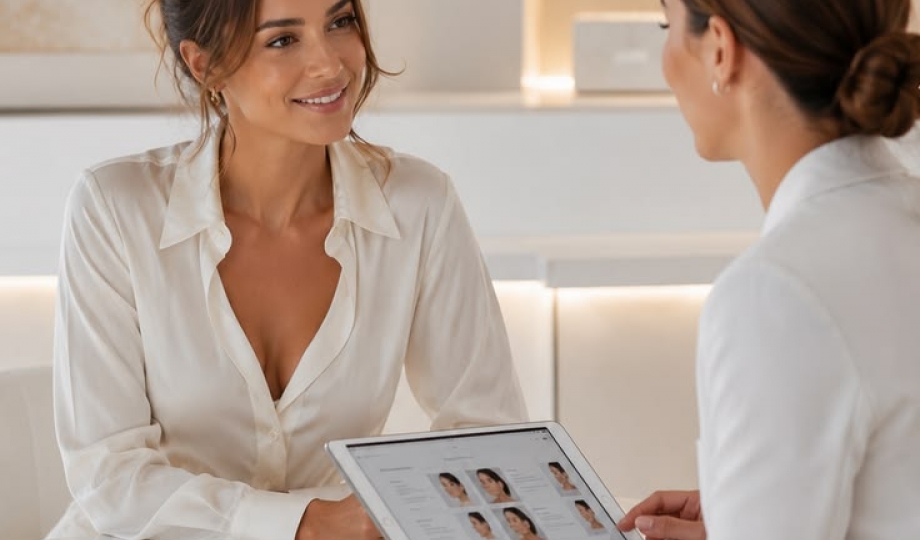
A 52-year-old client asking for a “slimming treatment” may have very different concerns from a 32-year-old. She may already feel that she has tried everything and may be afraid of another disappointment. The consultation is where trust is built.
Why take these measurements? Because body weight alone may not reflect changes in muscle and fat mass. A client may gain muscle, lose fat and see little movement on the scales.
Every technology has its own contraindications and these should be checked against the device documentation. The source article highlights examples including current or recent cancer, pacemakers or electronic implants, metal prostheses in the treatment area, significant circulation disorders, hernias and photosensitising medication before light-based treatment.
When there is any doubt, medical clearance should be sought before treatment.
Referral is appropriate if the client reports:
Your role is not to recommend or discourage medical treatment. You can simply tell clients that medical options exist and encourage them to discuss them with an appropriate healthcare professional.
According to the work cited in the article, up to 30% of skin collagen may be lost during the first five years after menopause, followed by an average decline of around 2.1% per year (Calleja-Agius et al.).
An important nuance: these figures come from studies using relatively small biopsy samples and represent an overall estimate rather than an exact rule for every woman's face.
The skin barrier can also weaken. Research cited in the source notes that oestrogens influence water loss through the skin and dermal collagen, helping to explain increased dryness, tightness and sensitivity.
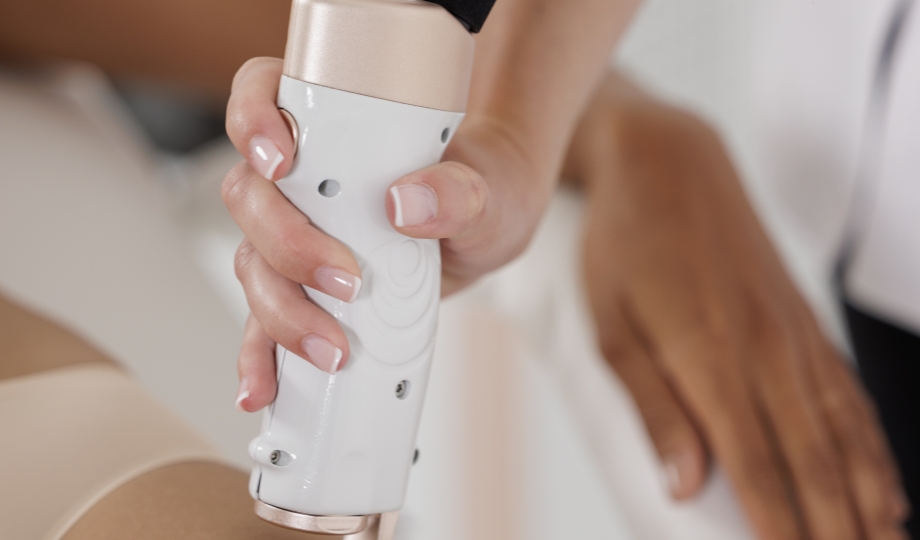
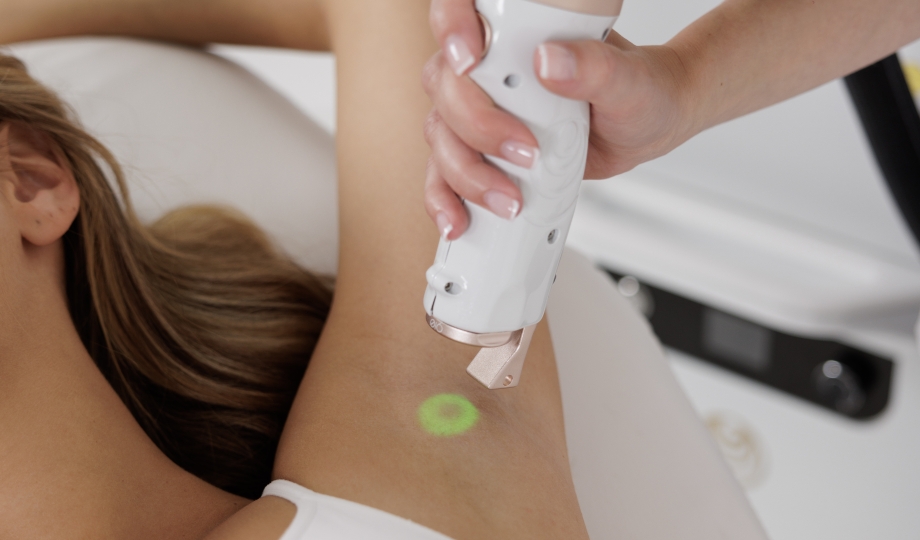
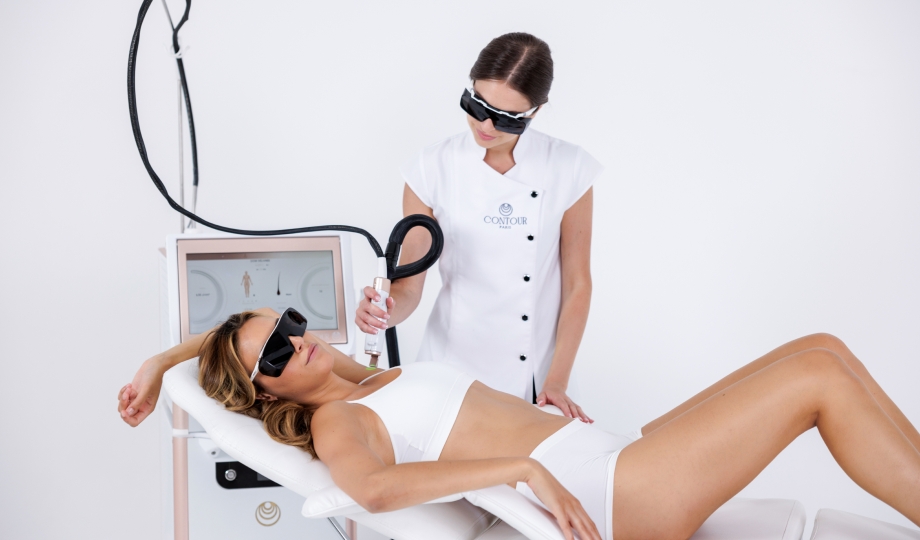
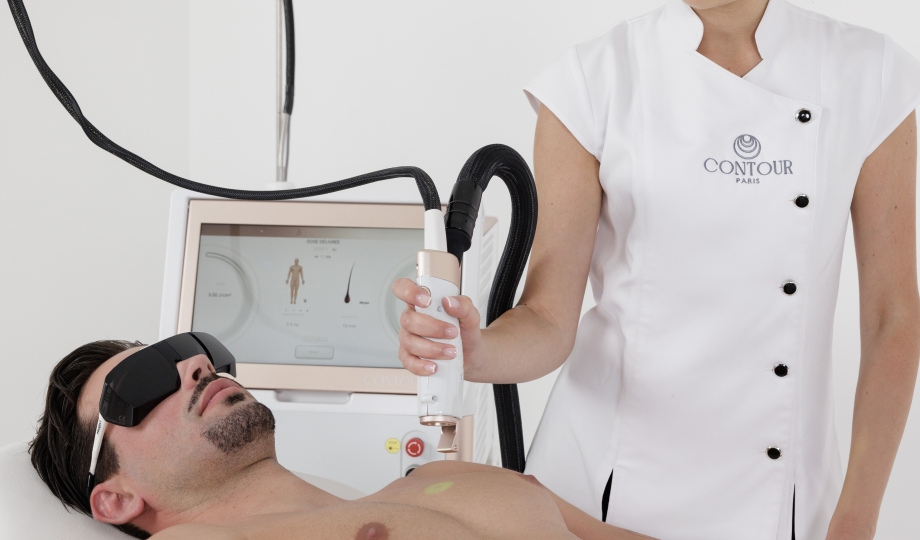
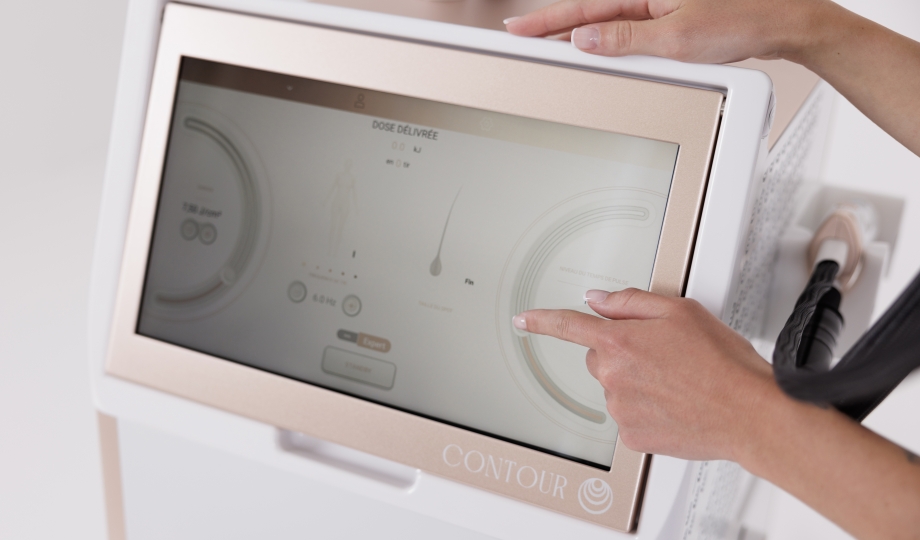
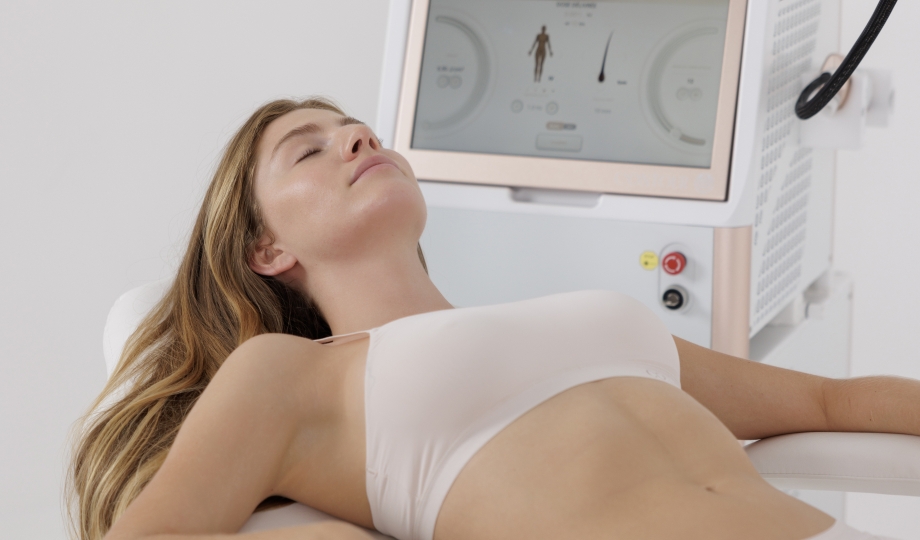
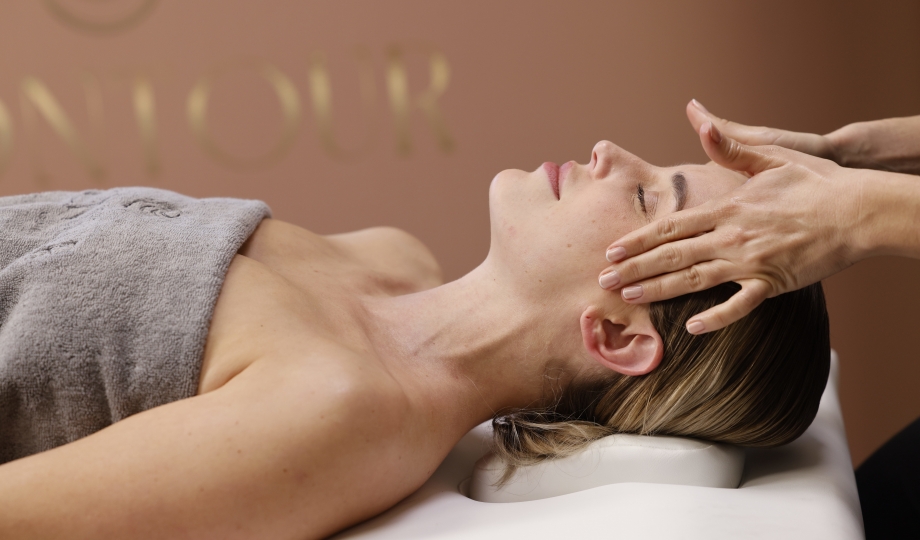
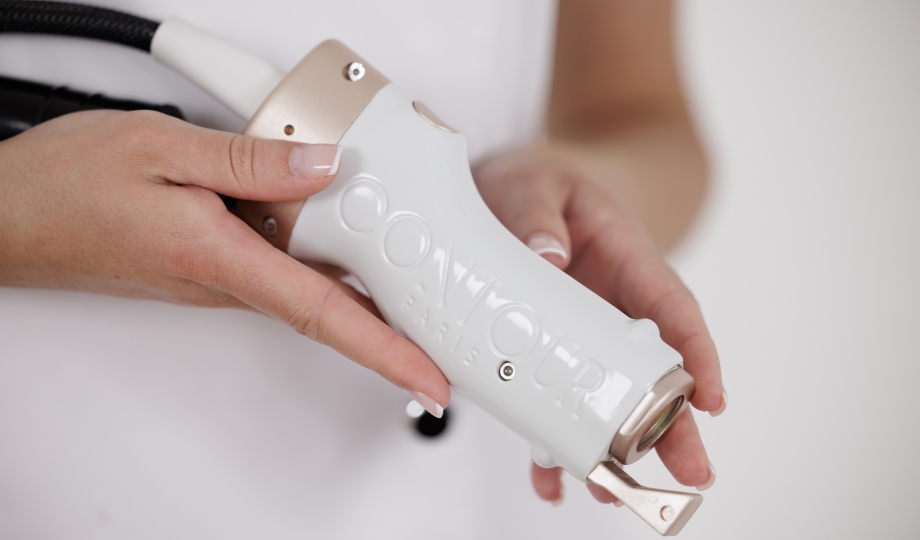
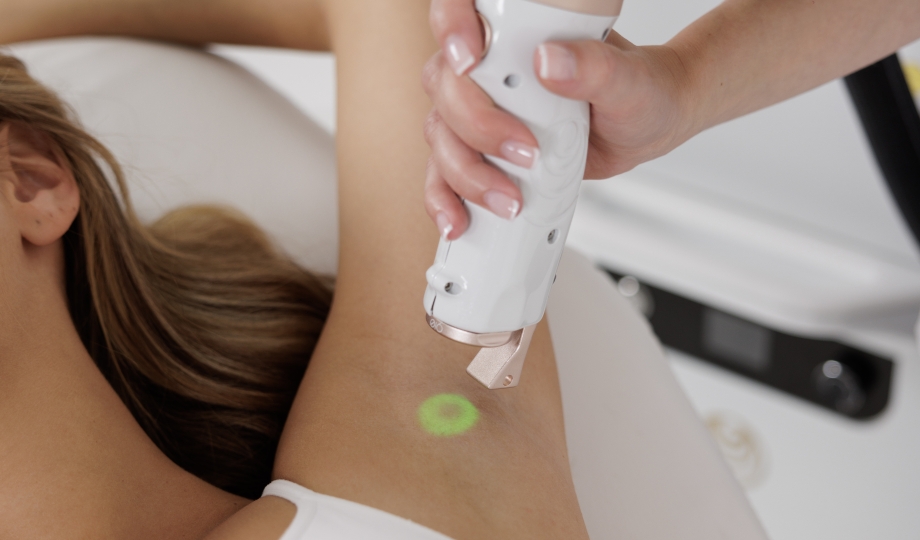
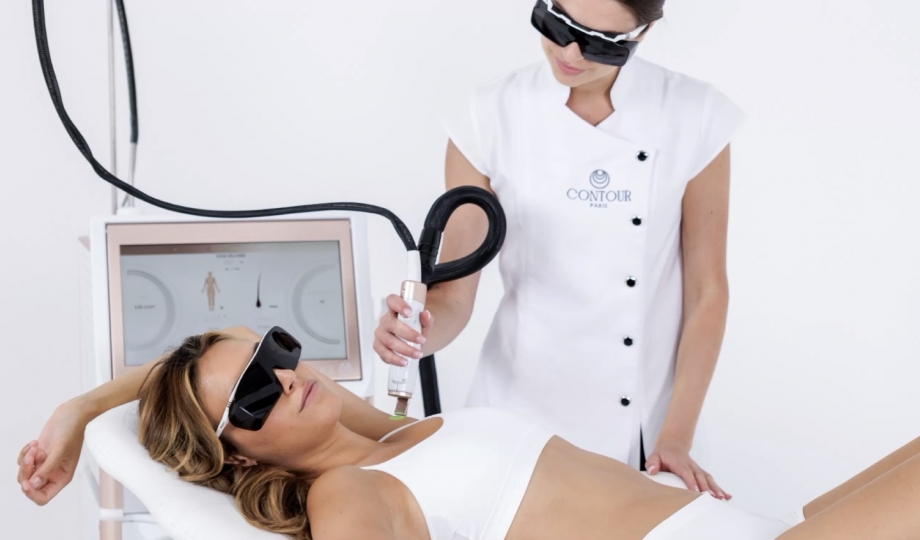
Contour Collagen Boost uses radiofrequency to heat deeper layers of the skin in a controlled way. According to the article, this heat causes contraction of existing collagen fibres and stimulates fibroblasts involved in producing new collagen.
Areas mentioned include the facial oval, neck, décolleté, abdomen and inner arms and thighs.
LED photobiomodulation uses red and near-infrared wavelengths without the heat associated with many other energy-based treatments.
The source positions it as a gentle option for reactive skin, either alongside radiofrequency or as part of a maintenance programme.
The article combines radiofrequency for firmness with LED for radiance and comfort, supported by an appropriate home skincare routine.
The SWAN study cited in the source followed women during the menopausal transition and found that fat-mass gain accelerated while lean mass began to decline, even without a comparable acceleration in total body weight (Greendale et al., JCI Insight, 2019).
This helps explain why a client's body shape may change even when the number on the scales changes relatively little.
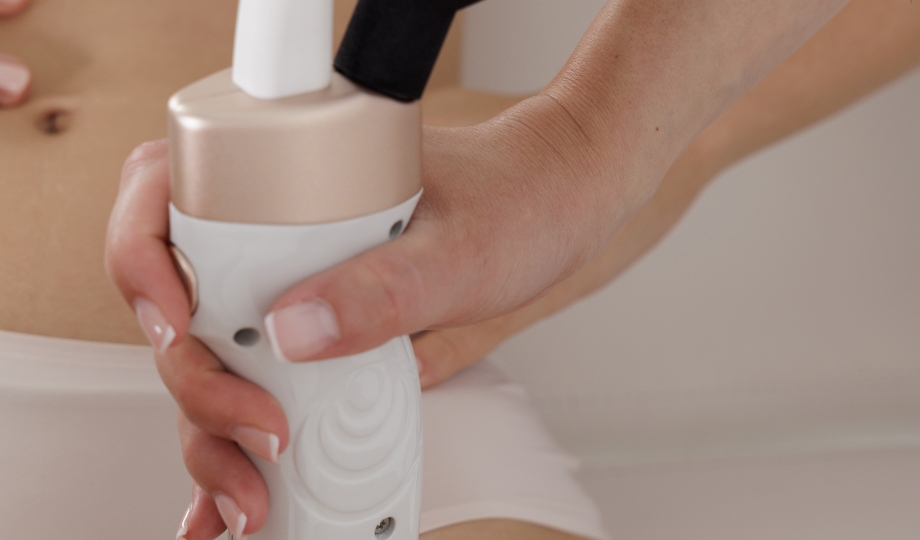
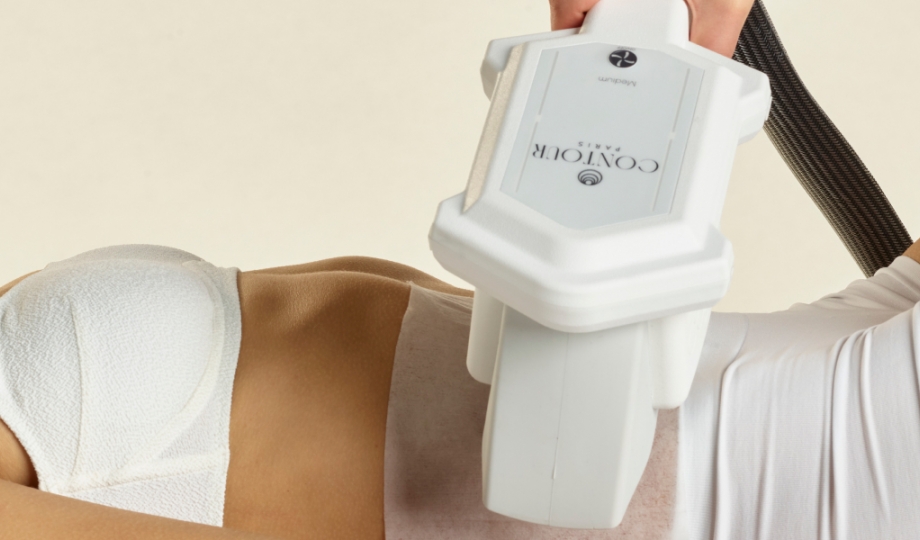
Contour Cryo uses controlled cooling to target localised fat deposits. The source article positions it for areas such as the abdomen, love handles, saddlebags and arms in clients whose weight is stable.
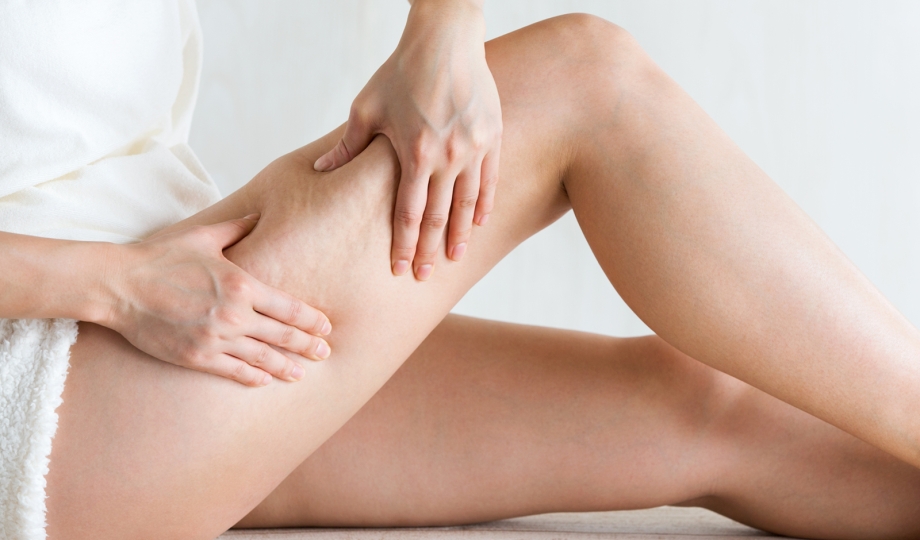
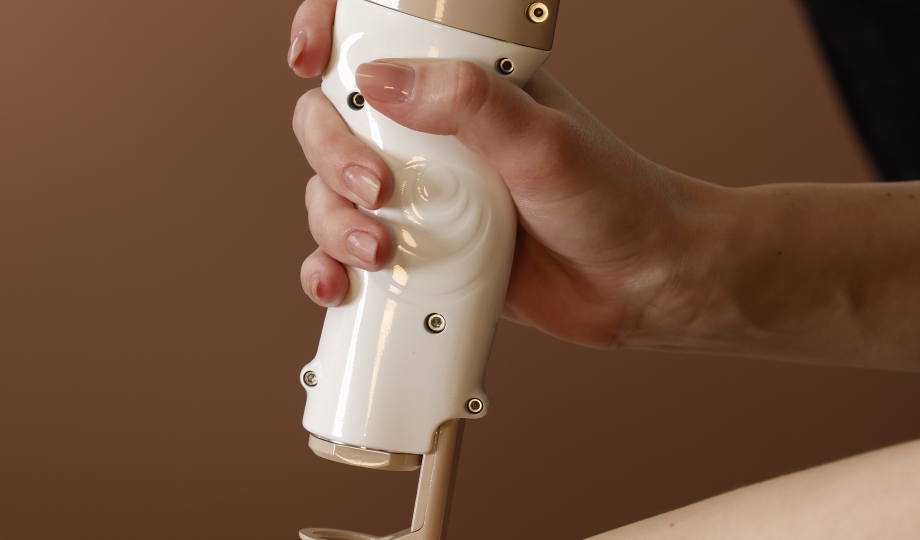
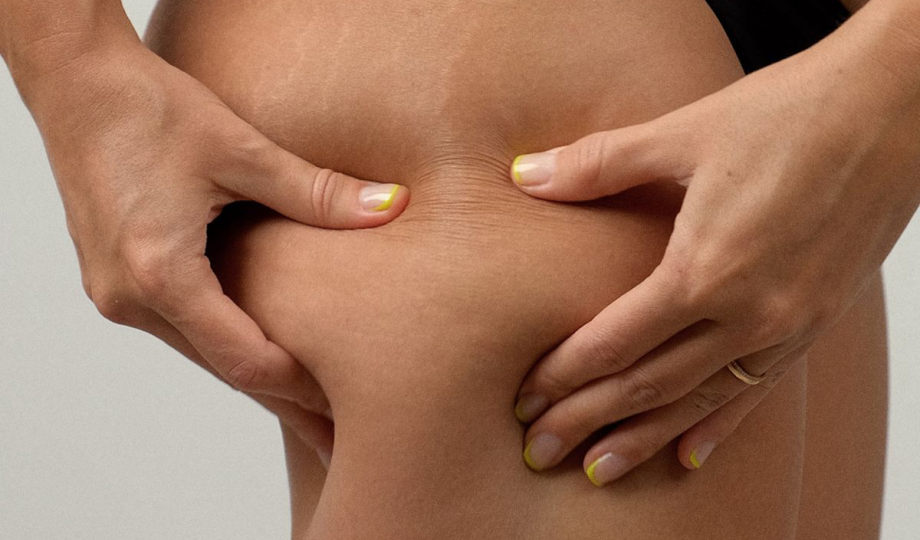
During menopause, the source describes cellulite as potentially becoming more fibrous while overlying skin loses firmness. Mechanical palpate-roll massage is used to mobilise tissues and stimulate microcirculation, while the 940 nm focused diode laser is presented as heating fatty tissue and supporting collagen.
Contour Hélios combines both technologies in the same handpiece, while Contour 360° provides a broader body-contouring approach.
The article cites a meta-analysis showing that exercise can improve muscle mass and strength in menopausal women, with resistance training appearing particularly effective (Tan et al., 2023).
As a complement to regular physical activity appropriate for the client, Contour Training uses high-intensity electromagnetic stimulation. According to the source article, applicators positioned on the abdominal muscles, glutes or thighs trigger up to 25,000 muscular contractions per session, with a typical programme of eight sessions at two per week.
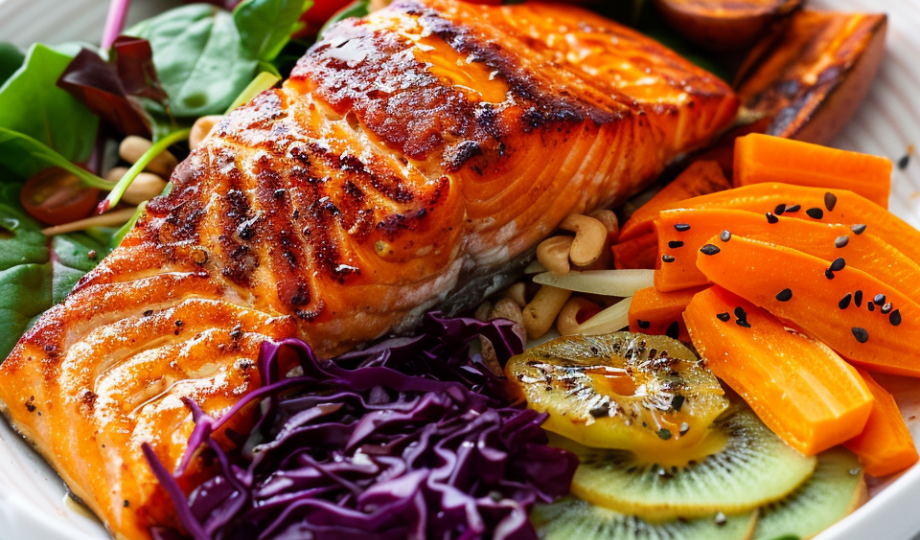
Muscle development requires both training and adequate protein intake. The Anses reference cited in the article gives an intake of 0.83 g/kg/day for adults, with somewhat higher needs in older people.
For personalised nutrition advice, clients should be referred to a dietitian.
Hormonal fluctuations during perimenopause may contribute to sensations of bloating or swelling, but the idea that menopause alone causes persistent “water retention” is less well documented than is often suggested.
The feeling may combine several factors including abdominal fat gain, digestive bloating, less efficient venous circulation, sedentary behaviour and heat.
One-sided swelling, warmth, pain, sudden swelling or pronounced ankle oedema should not be managed as a beauty concern. The client should be referred for medical assessment.
A 2022 study cited in the source found female-pattern hair loss in 52.2% of the postmenopausal women examined, most often in a mild form (Menopause, 2022).
Sudden hair loss, patchy loss or hair loss potentially associated with nutritional deficiencies or thyroid disorders should be assessed by a doctor or dermatologist.
Photobiomodulation exposes the scalp to low-level red light. A meta-analysis of seven double-blind randomised trials cited in the article found a significant increase in hair density compared with placebo devices in both men and women (Journal of Clinical and Aesthetic Dermatology, 2021).
The article also recommends looking beyond the total number of LEDs or headline wattage and checking the irradiance delivered at treatment distance.
According to Santé publique France figures cited in the article, chronic insomnia affecting daytime functioning is particularly common among women in the 45–54 age range.
Basic advice includes regular sleep schedules, a cool bedroom, reducing screen exposure before bed and limiting alcohol in the evening. The French National Institute of Sleep and Vigilance provides reliable information.
The 2023 Menopause Society position statement cited by the source reviewed non-hormonal interventions (The Menopause Society, 2023).
The source distinguishes between practices that may support relaxation, stress management or sleep and treatments that have evidence for directly reducing hot flushes. Medical treatment decisions remain the responsibility of healthcare professionals.
For more information, see the Nutrition section of the Contour Paris blog.
Menopausal skin is not simply “older skin”. It tends to become thinner, drier, more reactive and more prone to water loss. The source therefore prioritises repairing the skin barrier before introducing stronger active ingredients.
Dryness may also affect the legs, arms and décolleté. Short lukewarm showers, gentle cleansers and moisturising creams or balms applied to slightly damp skin can improve everyday comfort.
| Period | Objective | In the salon | At home |
|---|---|---|---|
| Week 0 | Understand and measure | Complete assessment: questionnaire, measurements, photographs and written goal | Home-care sheet and tracking journal |
| Weeks 1–4 | Reactivate muscle and target localised fat | Contour Training twice per week; one Contour Cryo session on the priority area | Daily walking, two strengthening sessions and protein at each meal |
| Weeks 5–8 | Firm and smooth | Contour Collagen Boost once per week and Contour Hélios for cellulite | Complete facial routine, progressive retinoid and body balm |
| Weeks 9–12 | Consolidate and enhance | Alternating Contour Collagen Boost and LED | Maintain habits and consider appropriate nutritional support if desired |
| Week 12 | Measure results | Final assessment with the same measurements and photographs | Maintenance plan for the following months |
| Afterwards | Maintain | Maintenance sessions according to the technology used | Updated home-care plan |
| Prefer | Avoid |
|---|---|
| “Support changes in the skin and body shape” | “Treat menopause” or “treat the symptoms” |
| “Restore firmness, comfort and radiance” | “Look ten years younger” or “erase age” |
| “Take care of yourself during this stage” | “Fight menopause” or “combat ageing” |
| “A personalised programme following an assessment” | Guaranteed results or promised weight-loss figures |
| “Alongside medical follow-up” | “An alternative to hormone therapy” |
Building relationships with a local midwife, gynaecologist or dietitian can help create a more complete pathway for clients while keeping every professional within their own scope of practice.
They are not expecting a miracle. They are looking for someone who understands what they are experiencing, tells them the truth about what can realistically help and supports them over time.
During the menopausal transition, fat mass may increase while muscle mass decreases, meaning body shape can change even when body weight changes relatively little.
It depends on the client's main concern. The article positions radiofrequency and LED for skin firmness and radiance, cryolipolysis for localised fat deposits and electromagnetic stimulation for muscle tone. A personalised assessment helps determine priorities.
The source article positions it for localised fat deposits in clients whose weight is stable, subject to the usual contraindication assessment.
The article presents radiofrequency as particularly relevant for collagen stimulation and skin firmness, with settings adapted to thinner and drier skin.
Menopause may contribute to progressive thinning. Sudden or patchy hair loss should be assessed by a doctor or dermatologist.
The article cites a meta-analysis in which low-level light therapy was associated with increased hair density compared with placebo devices.
The article cites research estimating up to 30% collagen loss during the first five years after menopause, followed by an average decline of around 2% per year.
Some nutrients can be relevant when dietary intake is inadequate, but supplements do not replace a balanced diet. Medical advice may be appropriate before supplementation.
She can acknowledge that medical treatments exist and encourage the client to discuss them with a doctor, gynaecologist or midwife. She should not recommend or discourage hormone therapy herself.
Share














Vos informations ont bien été mises à jour.
Cette fenêtre se fermera automatiquement dans quelques secondes...
Cette fenêtre va se fermer automatiquement dans 3 secondes...
Veuillez saisir l'adresse email rattaché à votre compte client pour recevoir un lien de réinitialisation de votre mot de passe.
Vous pouvez maintenant commander et suivre vos commandes. Cette fenêtre va se fermer automatiquement dans 5 secondes...