
Share



Generation Z has a reputation that precedes it in beauty salons: hyper-connected, volatile clients who are more sensitive to the aesthetics of a post than to the actual quality of a treatment. Open the serious studies on the subject, however, and the picture proves not only more accurate, but also far more promising. Because when properly understood, this target audience can offer real opportunities for growth and customer renewal for beauty salons that know how to adapt.
What these young female clients — and increasingly young male clients — are really looking for is actually quite different from the image commonly associated with them. They are no less demanding than your salon's traditional clientele: they are demanding in different ways.
So who really is Generation Z, how does its relationship with beauty treatments differ in practical terms from that of the so-called “traditional” clientele, and above all, how can you attract and retain this generation without falling back on the same marketing formulas seen everywhere else?
Before discussing expectations, we need a clear definition, because everyone talks about “Generation Z”, but few people know exactly who it refers to. According to the benchmarks established by the Pew Research Center, an international reference in social sciences, Generation Z includes people born approximately between 1997 and 2012. In practical terms, in 2026 this corresponds to an age range extending from the mid-teens to the late twenties — in other words, a significant proportion is already firmly established in working life, with its own purchasing power and well-established consumption habits.
What really distinguishes this generation is not so much its age as the context in which it grew up. It is the first generation never to have known a world without smartphones or social media: information about a treatment, product or technology is available within seconds, without ever needing to consult a beauty therapist to form an initial opinion. It has also grown up with genuine environmental awareness, although its consumption remains somewhat contradictory in this respect, and an almost instinctive mistrust of overly polished commercial messaging.
In short: they never walk through your door empty-handed. They arrive already informed, already having compared options, and already slightly suspicious of traditional sales language. And it is precisely this starting point that changes everything about your practice.
In practical terms, what does this change in the treatment room or at reception? Here are five measured differences, supported by figures, between this new clientele and the one that has built your salon's reputation over the past twenty years.
For traditional clients, the pattern remained the same for a long time: they entered a salon following a recommendation, discovered the treatments on site and trusted the professional's advice. Generation Z reverses this order. According to an Ipsos study on its relationship with beauty and fragrance, 60% of 18-25-year-olds say they have already purchased a product after discovering it on TikTok. The social network has become the first shop window, before the physical storefront itself.
This is not simply a change in advertising channel: it is a change in attitude. This client does not wait for someone to introduce her to a treatment; she often arrives with a precise idea of what she wants to try, sometimes even with the exact name of the technology or ingredient in mind. Your role as an expert is therefore no longer primarily to introduce something new, but to validate, nuance or correct information she already has.
The second difference is even deeper: the level of expectation regarding the truthfulness of what is being sold. The GreenFlex-Ademe responsible-consumption barometer, a reference on these issues in France, shows that 73% of French consumers now question the actual composition of the products they buy, while 66% actively seek formulations “free from” certain controversial ingredients.
For your salon, this means something very concrete: vague statements such as “it plumps, it brightens” are no longer enough. This client wants to know what the technology being proposed actually does, on what basis and with what measurable results. Vagueness no longer inspires trust; it creates suspicion.
The third difference is probably the most misunderstood by the profession: for this generation, being pampered in a beauty salon is increasingly less about vanity and more about mental wellbeing. The Ipsos beauty and fragrance study indicates that 83% of the young people surveyed see cosmetics primarily as a way to feel better rather than as a means of conforming to an aesthetic standard.
This generation has also largely broken away from the demand for perfection: it is more willing to accept its insecurities, embrace a form of vulnerability and distrust any language that points to a “flaw” that must be corrected. A treatment experienced as a moment of calm and attentive care has far more value to them than one sold as a miracle solution to a problem that has only just been pointed out.
The fourth difference is the growing presence of men in a clientele that has historically been overwhelmingly female. Still according to Ipsos, 55% of young men say they wear fragrance more often than they did five years ago, and eight out of ten now regularly use facial skincare products. Researchers summarise the nuance well: “beauty is becoming less gendered, but it is not disappearing” — men of this generation are not necessarily seeking the same aesthetic codes as women, but they are coming into beauty spaces, whereas they were largely absent from salons ten years ago.
For a salon accustomed to communication and customer experiences designed almost exclusively for women, this is a blind spot that urgently needs to be addressed — not by creating a separate “men's” offer, but by subtly revising the language and presentation of the entire service range.
The fifth difference, and probably the most reassuring for your revenue, is that contrary to popular belief, this generation does not avoid beauty spending because of limited means. An OpinionWay study conducted for the FAIRE association and reported by Influencia reveals that approximately one in three 18-24-year-olds spends around €200 per month on discretionary purchases, with beauty among the categories they are least likely to sacrifice, even during periods of inflation.
The difference is that this money is carefully allocated rather than spent automatically or out of habit, as may be the case with a client who has been loyal for twenty years. Every purchase is weighed up, compared and justified by a specific perceived value. It is not a restricted budget: it is a budget that must be earned at every appointment.
Rest assured: none of this means your salon needs a permanent makeover or that you must maintain a TikTok presence you neither have the time nor the desire to manage. Here are five actions to put in place immediately to
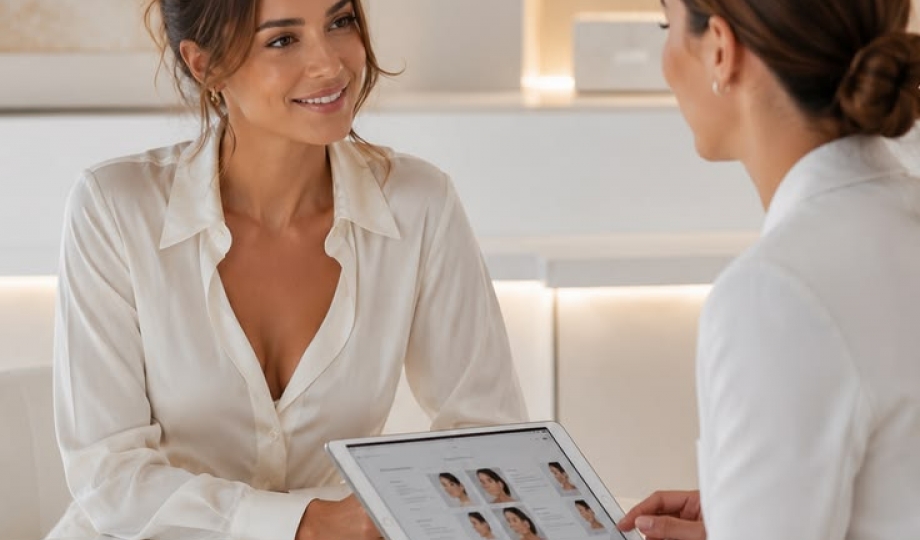
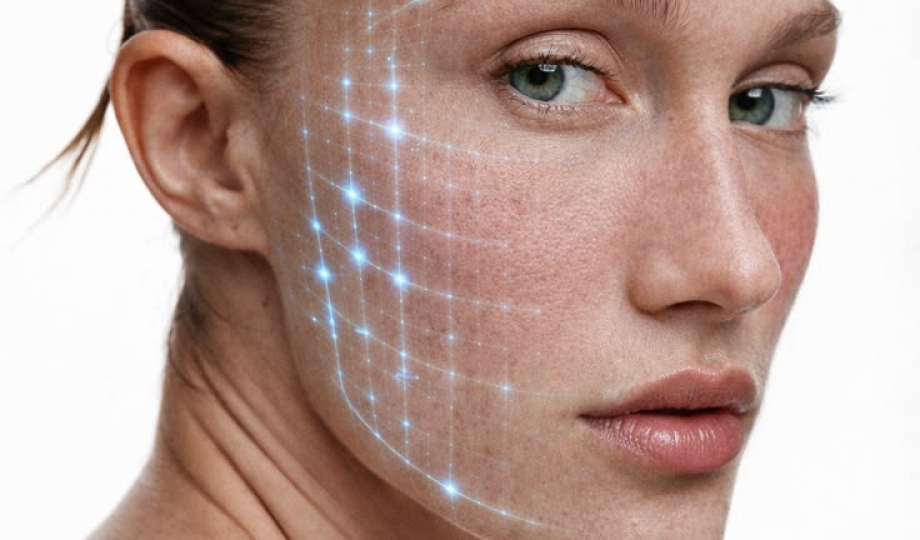
Because this clientele demands evidence rather than promises, give them the means to verify it themselves. In practical terms: create a transparency sheet for each treatment or technology, displayed in the treatment room or handed over at the end of the appointment, explaining the mechanism of action and the parameters used. This is exactly the approach behind a well-conducted professional skin analysis, which objectively documents what the eye alone cannot prove.
Traditional consultation and sales language often relies, without us even noticing, on identifying a “problem” to be treated: wrinkles, loss of firmness, blemishes. Faced with a generation that has largely broken away from the demand for perfection, this language can produce the opposite effect from the one intended. Reworking the conversation so that it starts from the client's goals rather than her “flaws” fundamentally changes how the appointment is experienced.
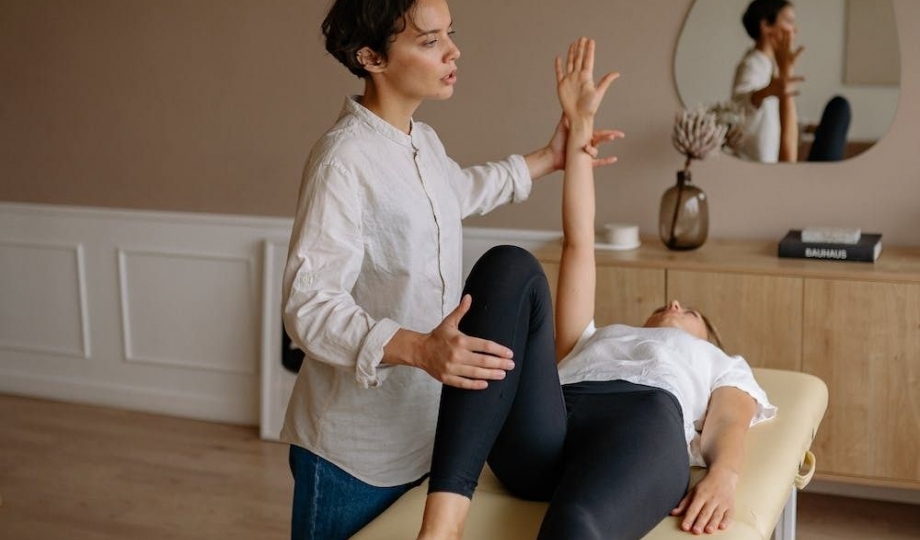
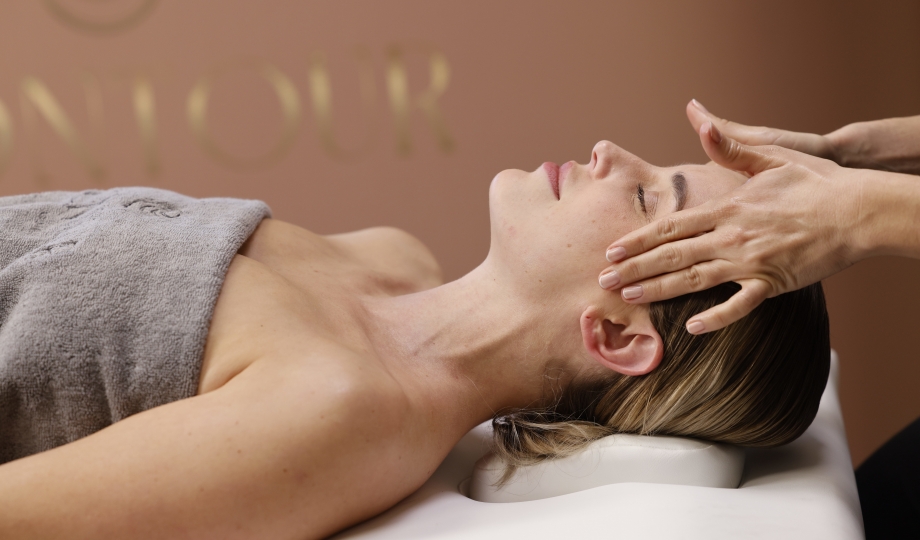
Because treatment is increasingly experienced as a form of emotional regulation, explicitly transform part of your service into a ritual of disconnection: phone left at reception, a deliberate period of silence at the beginning of the session, and a sensory atmosphere designed to create a clear break from the constant digital rhythm. This is also something that can be built into a true signature treatment, where the experience matters as much as the technical result. What this generation cannot find alone at home is not a cosmetic active — they can buy that online in two clicks — but this human presence and protected time.
As the male clientele is genuinely growing, review your communication and customer experience so that they no longer automatically assume a female client. This means using visuals that are not exclusively female, neutral treatment language and subtly highlighting existing male clients, without creating a separate “men's” treatment menu, generally more expensive, that artificially recreates a boundary this generation is actively trying to remove.
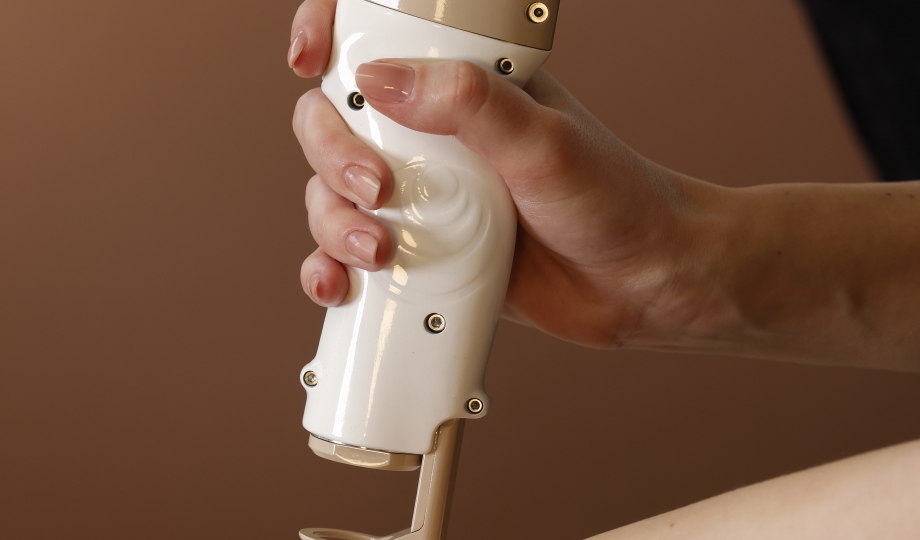
The final strategy, and perhaps the most important, is that this generation can buy almost any cosmetic active online, often more cheaply and sometimes as a “dupe” of a product discovered on social media. What it cannot buy online, however, is a professional diagnosis, access to a technology supervised by a trained professional, and personalised advice based on genuine knowledge of active ingredients and their indications according to skin type. The price of a salon treatment is no longer justified by the product applied during it, but by everything that product could never achieve on its own. Saying this explicitly and confidently in your commercial messaging is not arrogance: it is exactly the argument this generation, raised to compare prices in real time, expects in order to understand why it is paying more than it would online.
According to the Pew Research Center's benchmarks, Generation Z includes people born approximately between 1997 and 2012. In 2026, this therefore corresponds to female and male clients ranging from their mid-teens to their late twenties.
No. According to the OpinionWay study for the FAIRE association, approximately one in three 18-24-year-olds spends around €200 per month on discretionary purchases, with beauty among the least sacrificed spending categories. The difference is not the amount but the much more careful evaluation of each expense.
It is not an absolute requirement, but it is an increasingly influential source of information: 60% of 18-25-year-olds have already purchased a product after discovering it on the platform, according to Ipsos. Even if you are not active there, it is essential to anticipate that some of your clients will arrive already informed through this channel.
By integrating their presence into the salon's overall communication rather than systematically creating a separate and often more expensive “men's” menu, which artificially recreates a boundary this generation is actively seeking to move beyond.
Ultimately, Generation Z is not asking for anything extravagant: it wants to be treated as an informed adult, capable of checking what it is told and making an informed choice. It is not a more superficial clientele than the previous generation; it has simply shifted the basis of trust. It no longer grants trust by default, but gives it to those who know how to demonstrate it. For a beauty salon that builds its reputation on expertise rather than showmanship, that is actually good news: this is precisely the area where you have the most to offer.
Share











































Vos informations ont bien été mises à jour.
Cette fenêtre se fermera automatiquement dans quelques secondes...
Cette fenêtre va se fermer automatiquement dans 3 secondes...
Veuillez saisir l'adresse email rattaché à votre compte client pour recevoir un lien de réinitialisation de votre mot de passe.
Vous pouvez maintenant commander et suivre vos commandes. Cette fenêtre va se fermer automatiquement dans 5 secondes...