
Share


You exercise, you eat fairly well and your size 36 jeans fit perfectly. And yet, one evening under the unforgiving light of a changing room, you see it: that dimpled orange-peel texture on the back of your thighs. First reaction? “But I'm slim, this shouldn't be possible.” Second reaction: guilt. Too much sugar, not enough water, not enough squats.
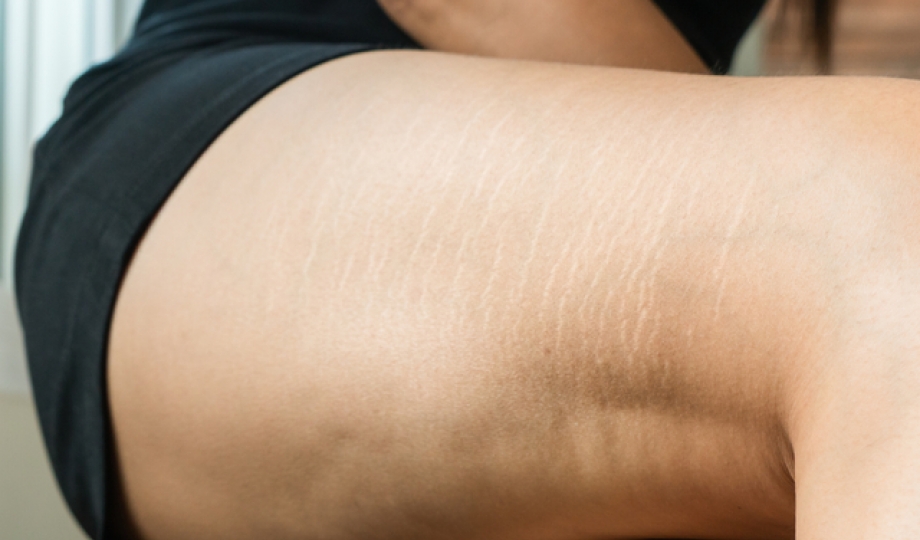
There is no reason to blame yourself. Cellulite affects 80 to 90% of women after puberty, regardless of body weight (Luebberding et al., American Journal of Clinical Dermatology, 2015). It is neither a disease nor evidence of neglect, and it is not simply a question of excess weight. Above all, it is linked to the architecture of the skin. And because cellulite is often misunderstood, the ways we try to tackle it are often poorly targeted.
In this guide, we separate fact from fiction: what cellulite really is, why it also appears in slim women, the myths that waste your time and money, and what can genuinely help without miracle promises.
Cellulite is often imagined as excess fat “pushing out”. The reality is more subtle, and much more reassuring.
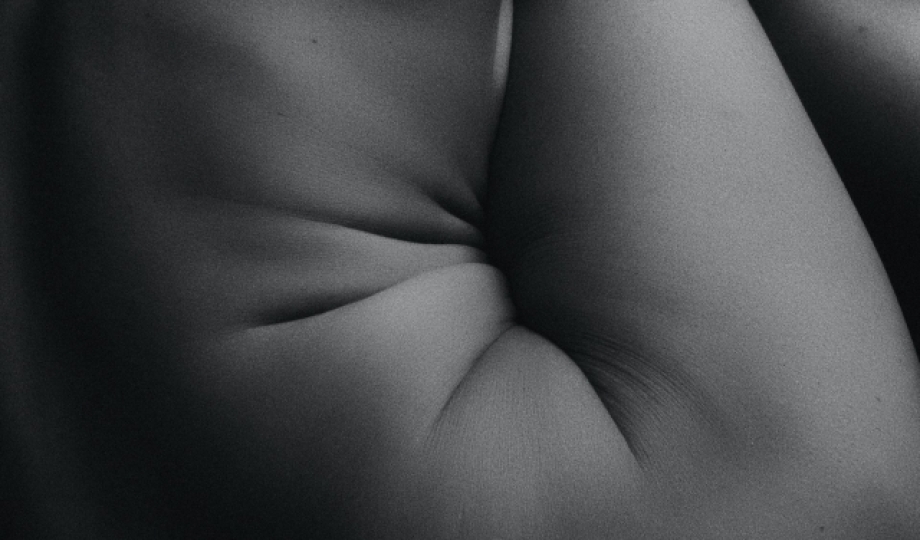
Beneath the skin lies a layer of fat cells organised into compartments. These compartments are separated by fibrous bands called septa, which connect the skin to deeper tissue. Think of a button-tufted mattress: the buttons pull the fabric down while the padding pushes up between them. That is essentially what creates the familiar orange-peel appearance.
Despite the “-itis” sound in its name, cellulite is not simply an inflammatory condition. The medical term commonly used is gynoid lipodystrophy.
A French MRI study examined the orientation of these fibrous septa in three dimensions. Women with cellulite showed more septa running perpendicular to the skin and deeper indentations of fatty tissue into the dermis than women without cellulite and men (Querleux et al., 2002).
In simple terms, female tissue architecture is more likely to pull directly downwards and create visible dimpling. Men tend to have more oblique fibrous bands and a thicker dermis, which helps create a smoother surface. Male cellulite remains relatively rare and is mainly described in situations involving low androgen levels (Friedmann et al., 2017).
Weight is only one factor among many, and not necessarily the most important.
Look at your mother's or grandmother's thighs and you may already have a clue. Cellulite has a hereditary component. Skin thickness, the orientation of fibrous septa and the way fat is distributed all have genetic influences.
Cellulite typically appears after puberty, and that is no coincidence. Oestrogens influence fat storage around the hips, buttocks and thighs. Hormonal periods including pregnancy, breastfeeding and certain hormonal contraceptives may influence its appearance. Cellulite can also vary throughout the menstrual cycle or become more noticeable during perimenopause.
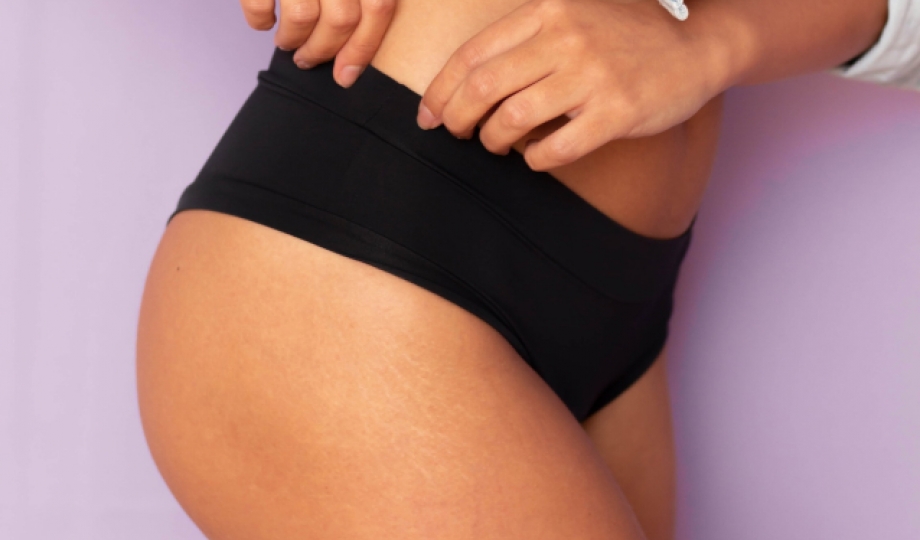
A woman can be slim on the scales while storing much of her body fat around the thighs and buttocks — exactly where cellulite tends to develop. This is the typical female “gynoid” pattern.
This can be particularly important in slim women. Poor muscle tone provides less structural support beneath the tissues, while thinner or less firm skin makes underlying irregularities more visible.
Smoking affects collagen and microcirculation and has been identified as an aggravating factor. Long periods of sitting can compress tissue and reduce circulation in the legs. Stress and poor sleep do not directly create cellulite, but they do little to support circulation, skin quality or physical activity.
A study following women undergoing medically supervised weight loss found that cellulite improved in many participants but worsened in others — particularly women with lower starting BMIs and greater skin laxity (Smalls et al., 2006).
If you are already slim, another restrictive diet may reduce muscle and contribute to looser skin, which is precisely the opposite of what you are trying to achieve.
There is no evidence showing that cellulite consists of accumulated “toxins”. Detox diets, green juices and draining teas may make you feel good, but they do not alter the underlying fibrous architecture responsible for dimpling.
Exercise strengthens the muscles beneath the skin, supports circulation and improves overall body shape. But it does not change the orientation of your fibrous septa. Many very fit athletes still have cellulite.
Caffeine- and retinol-based creams are among the most studied topical options. They may improve skin texture and firmness, particularly when regular massage accompanies application.
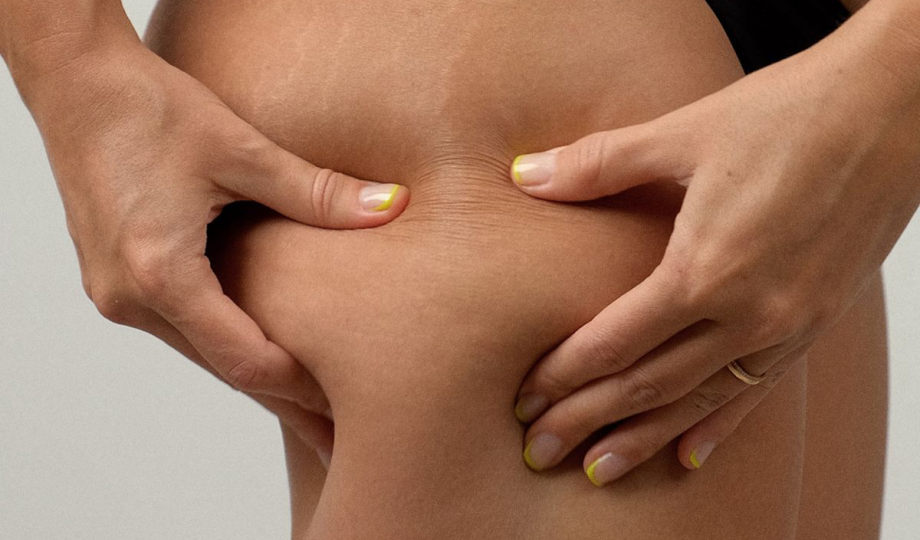
Before choosing a solution, it helps to understand what you are looking at. Dermatologists may assess cellulite while standing at rest and then gently pinching the skin — the so-called “mattress test”. Cellulite may be invisible at rest and appear only when the skin is pinched, or it may remain visible continuously.
| Profile | What you notice | To the touch | Common in slim women? |
|---|---|---|---|
| Adipose cellulite | Dimples on thighs, buttocks and hips | Soft, painless | Yes, particularly with gynoid fat distribution |
| Oedematous cellulite | Legs feel swollen or heavy at the end of the day | Soft, may retain finger pressure | Yes, especially with sedentary lifestyles or prolonged standing |
| Fibrous cellulite | Long-standing dimpling and sometimes firmer skin | Firm, sometimes sensitive when pinched | Less common and generally long-standing |
This classification is not an absolute medical definition, but it can help guide treatment choices.
One important warning sign: legs that become symmetrically and disproportionately larger than the rest of the body, are painful to touch and bruise easily may suggest lipedema rather than ordinary cellulite. In that situation, medical advice is appropriate.
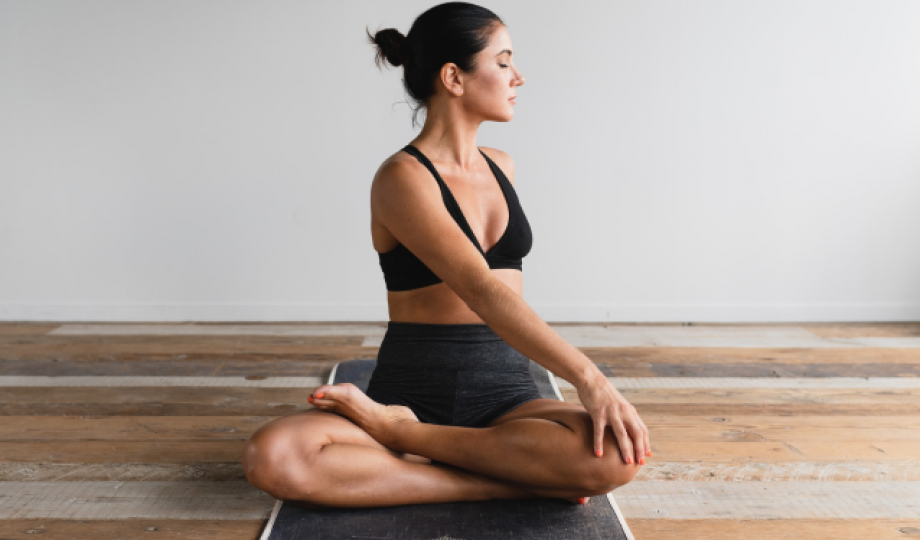
For slim women, this is often one of the most underestimated tools. Stronger glutes and thighs support the skin from underneath and can visually smooth the surface. Squats, lunges, glute bridges and stair climbing two or three times a week can change body shape over time.
Brisk walking, cycling and swimming all engage the calf muscles and support venous return. If you sit for long periods, get up every hour.
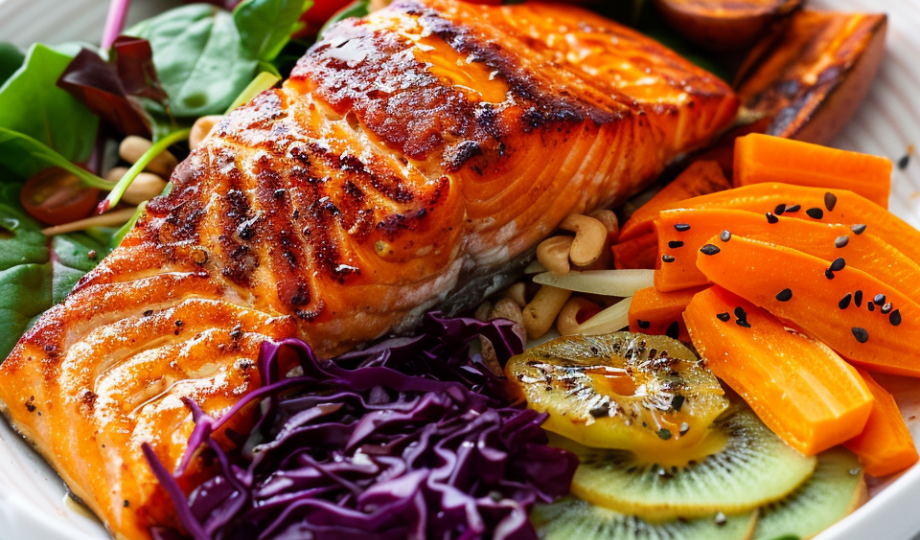
You do not need another diet. Include protein at each meal to support muscle, colourful fruit and vegetables for antioxidants and limit excessive fast sugars that contribute to collagen glycation. For more information, see our nutrition articles.
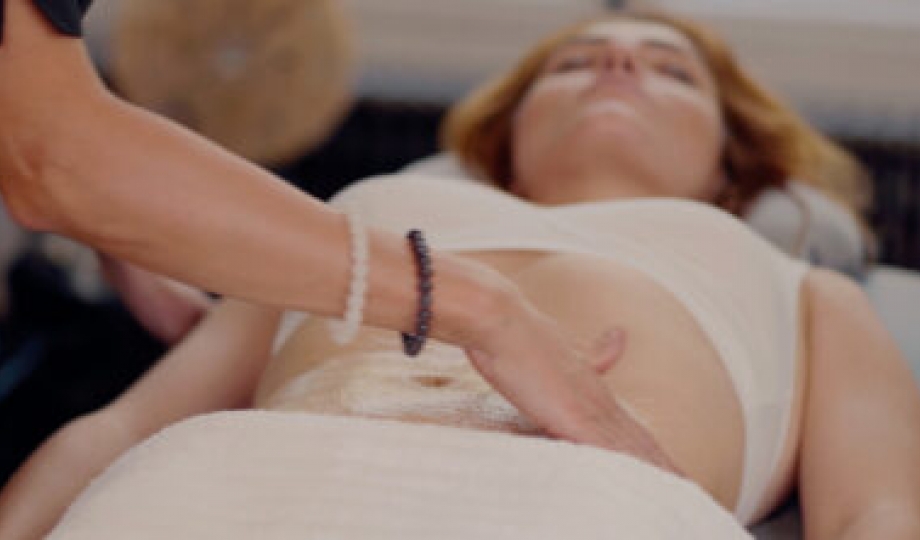
Palpate-roll massage lifts and rolls the skin in order to mobilise tissue and stimulate microcirculation. When mechanised, the movement can become regular and reproducible.
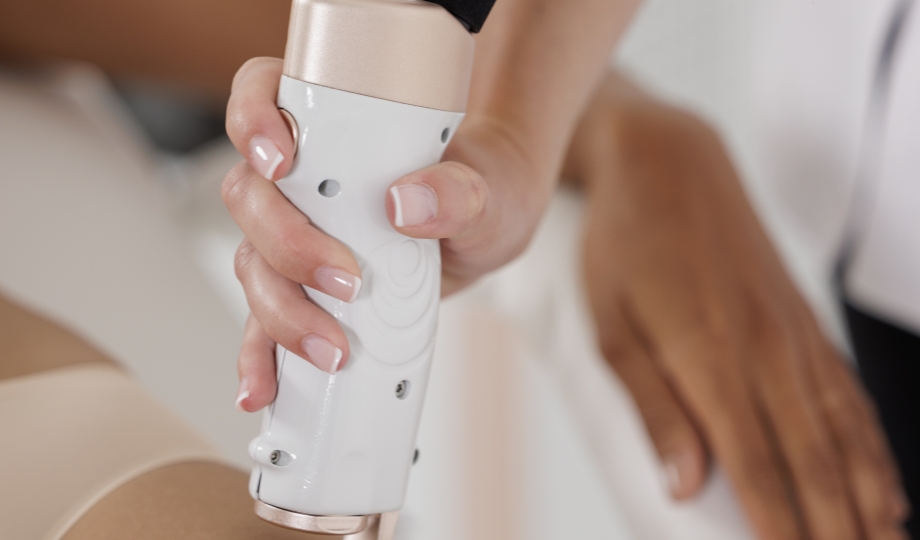
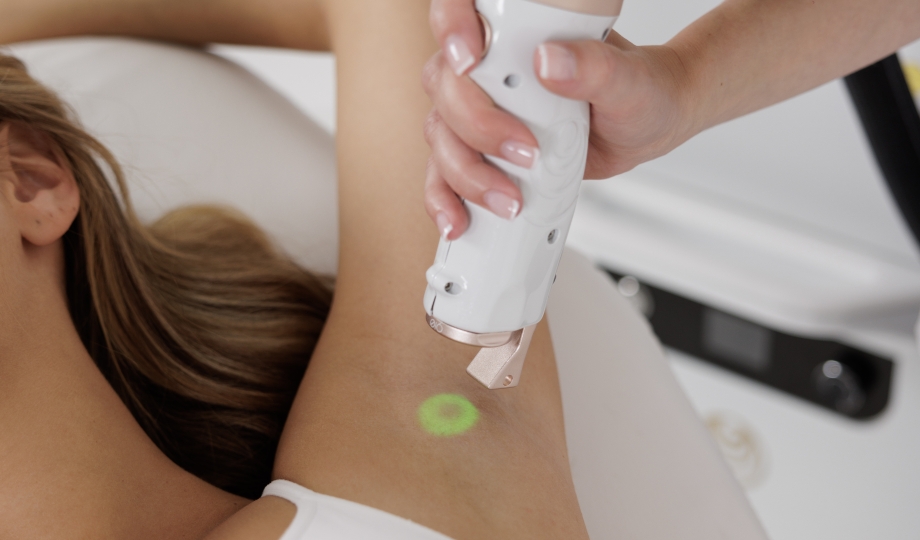
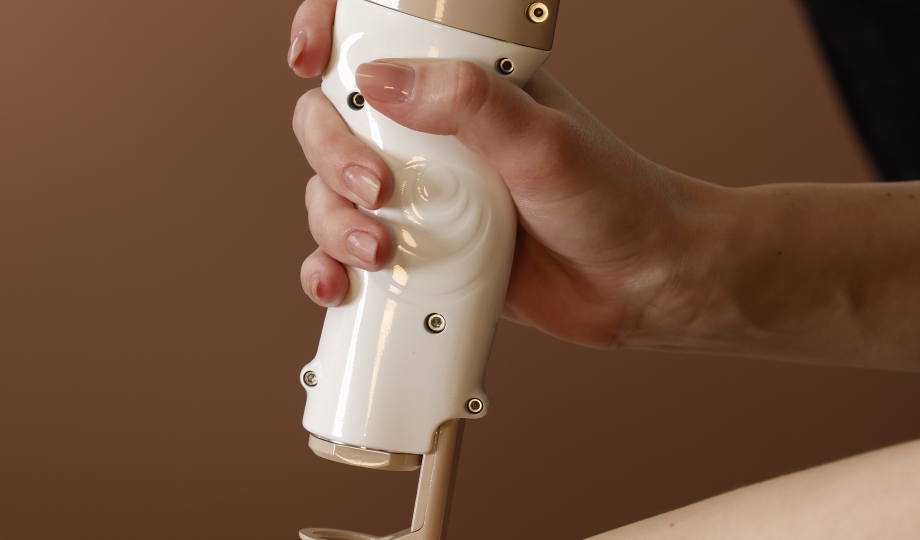
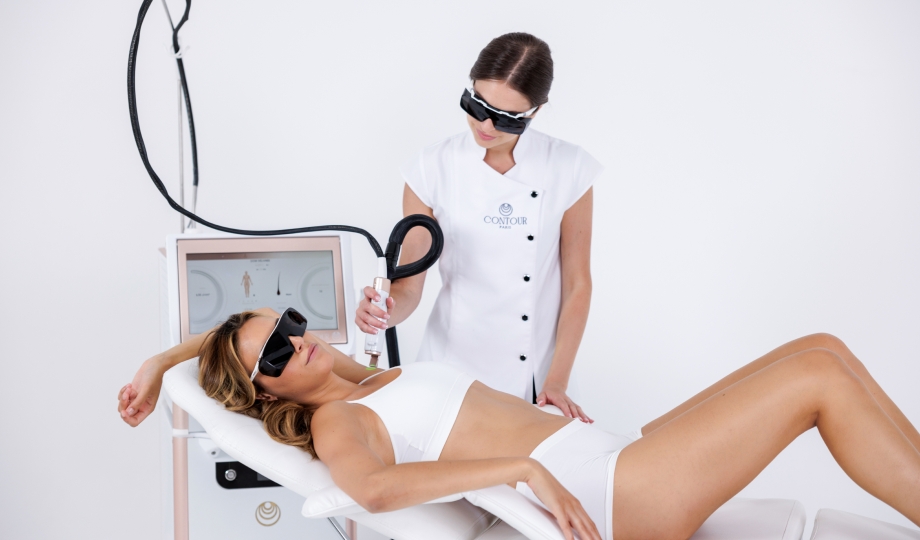
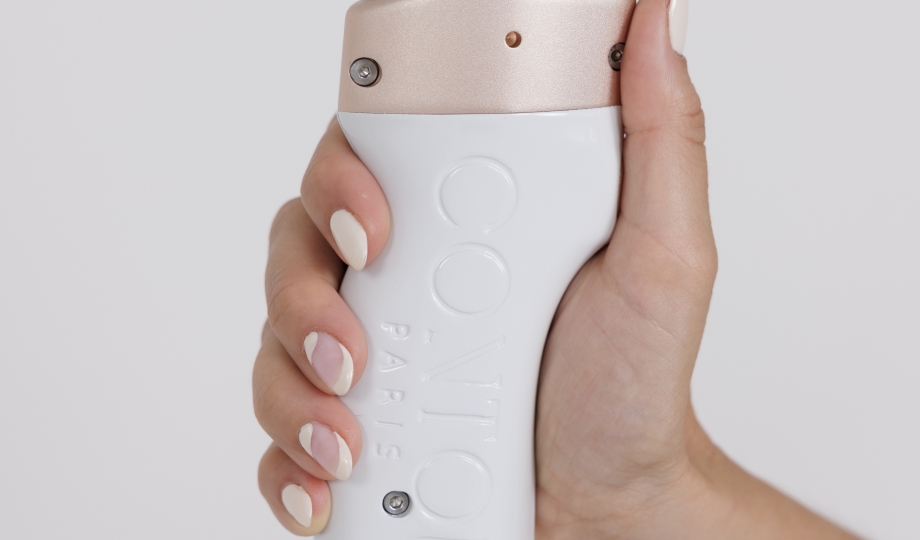
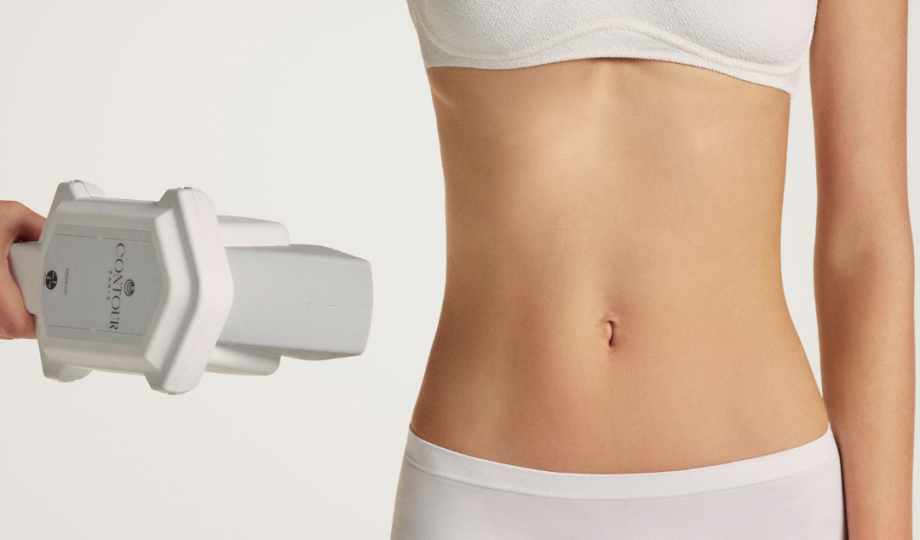
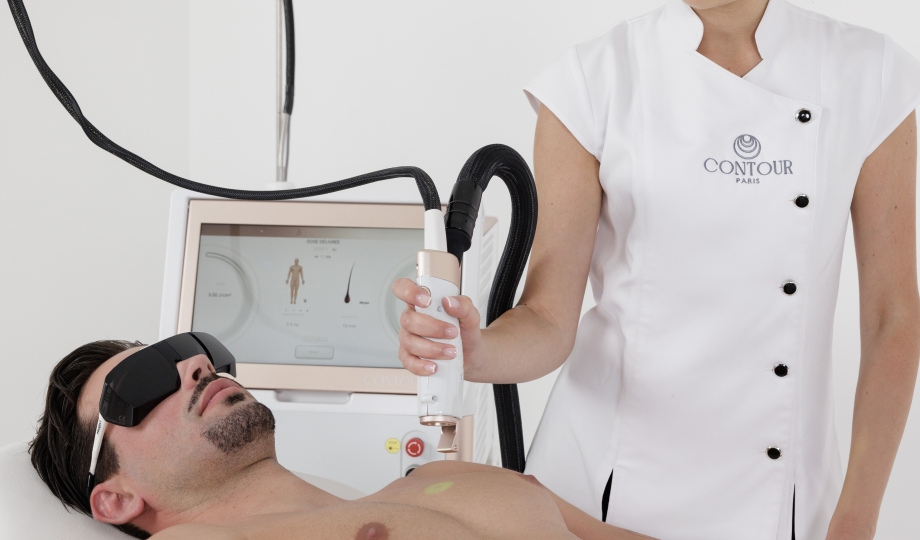
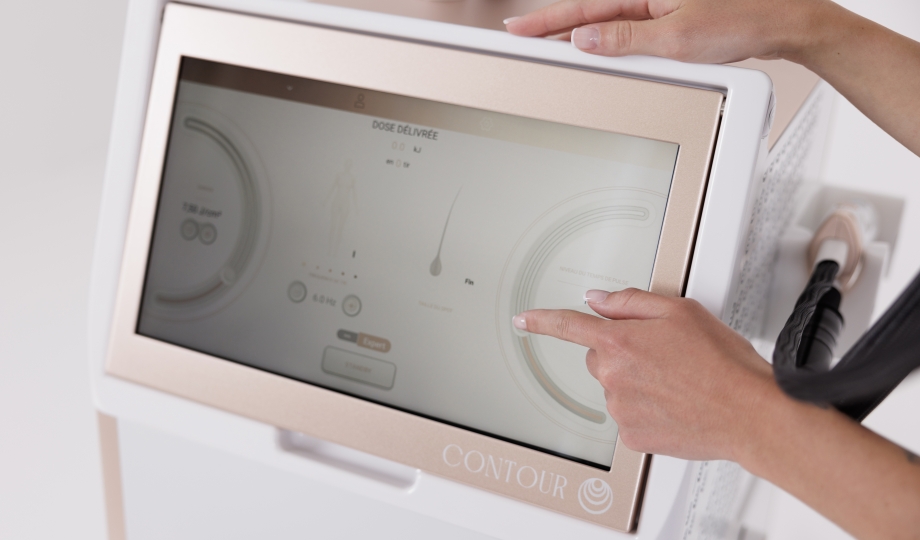
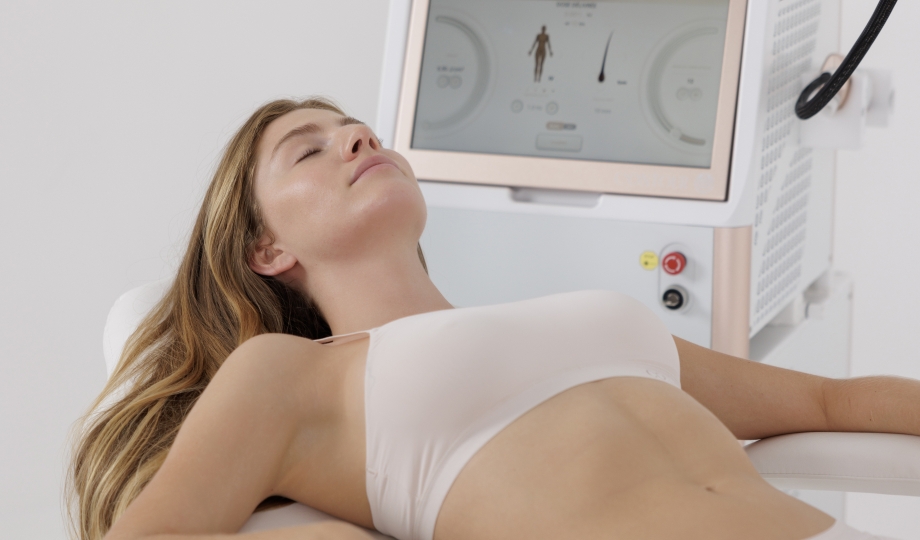
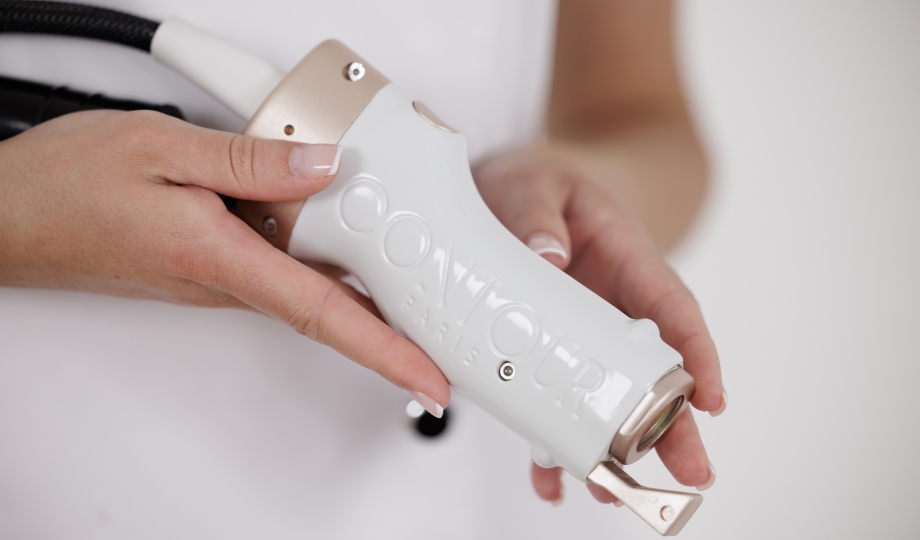
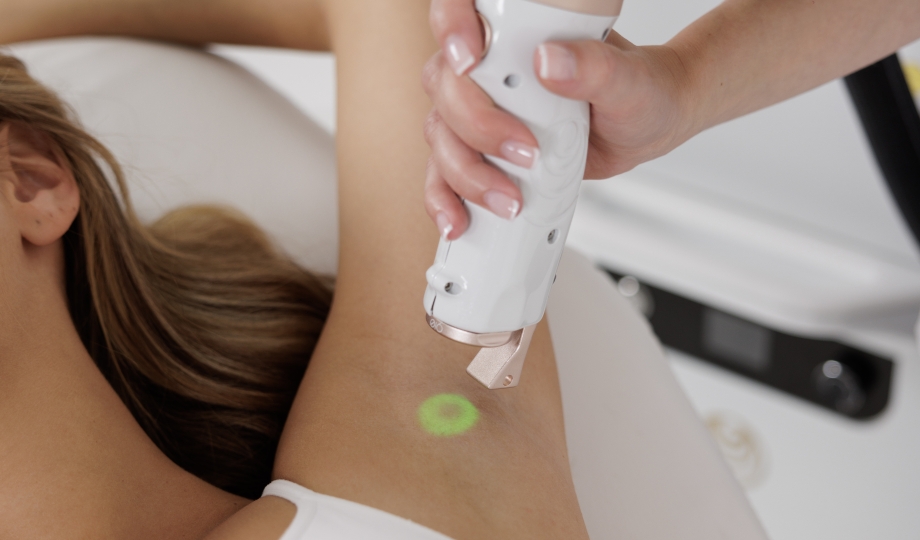
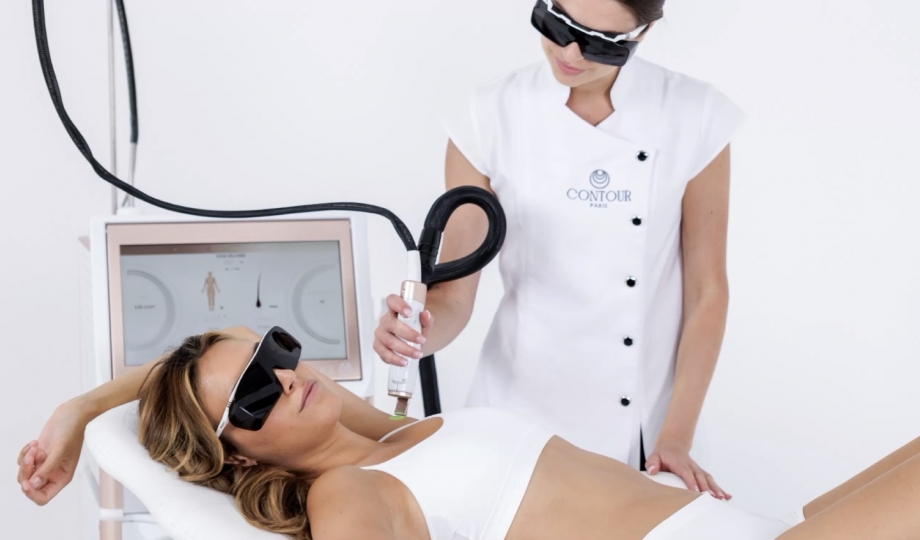
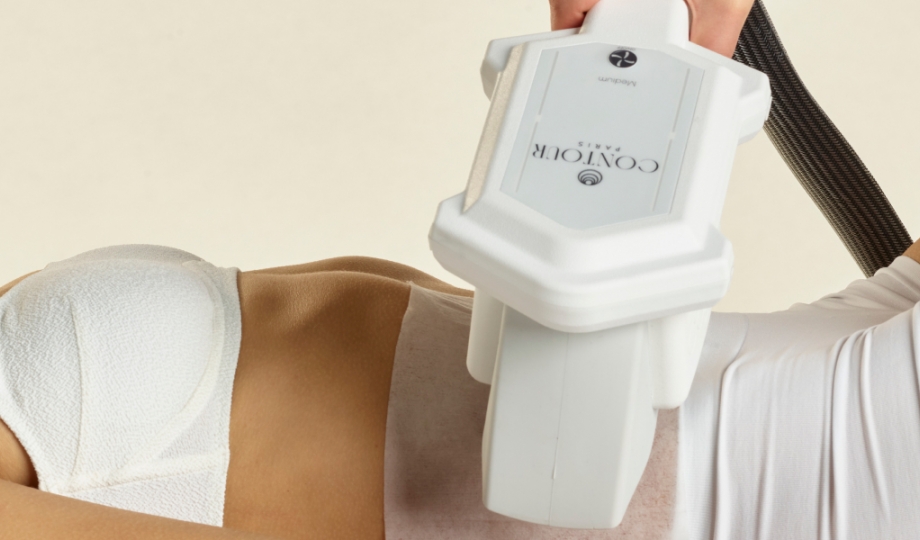
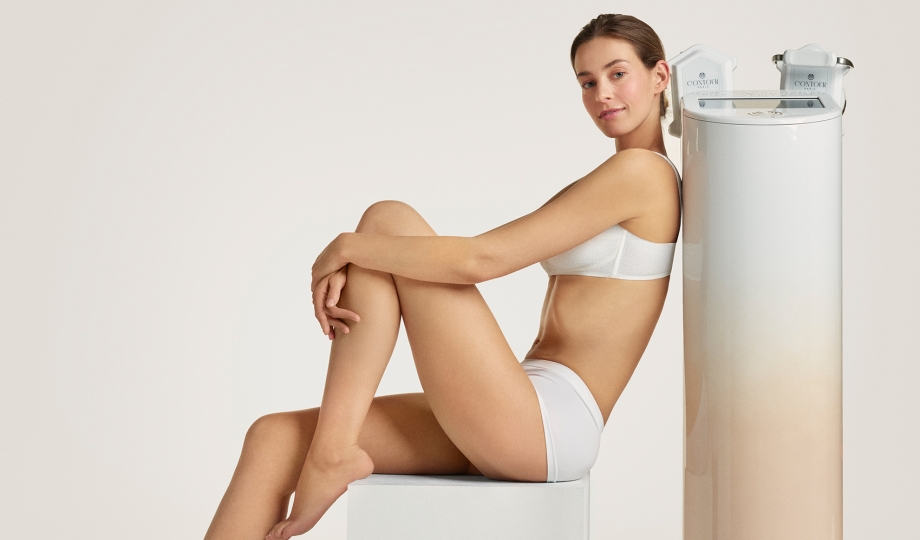
Contour Hélios combines a focused 940 nm diode laser with mechanical palpate-roll massage. According to the article's protocol, the laser heats targeted fatty tissue and supports collagen production, while the mechanical action works on tissue mobility and the appearance of dimpling.
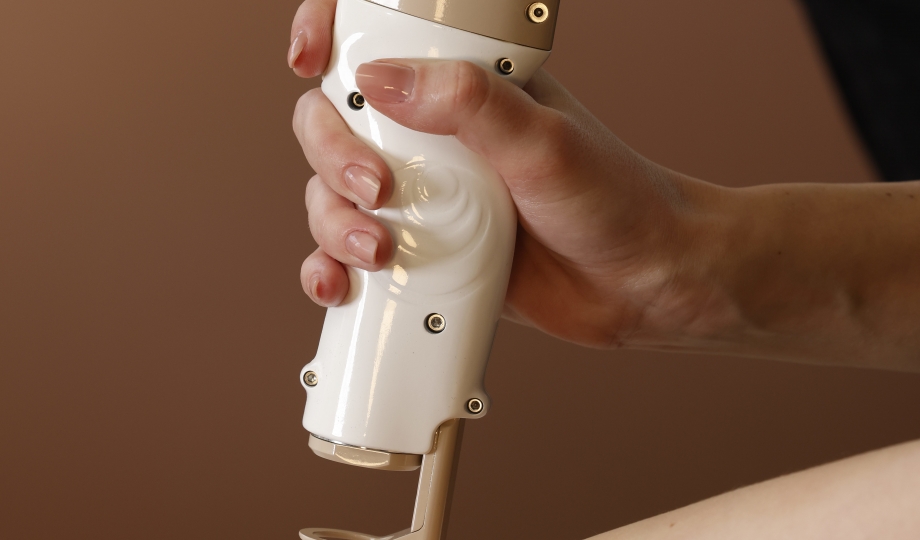
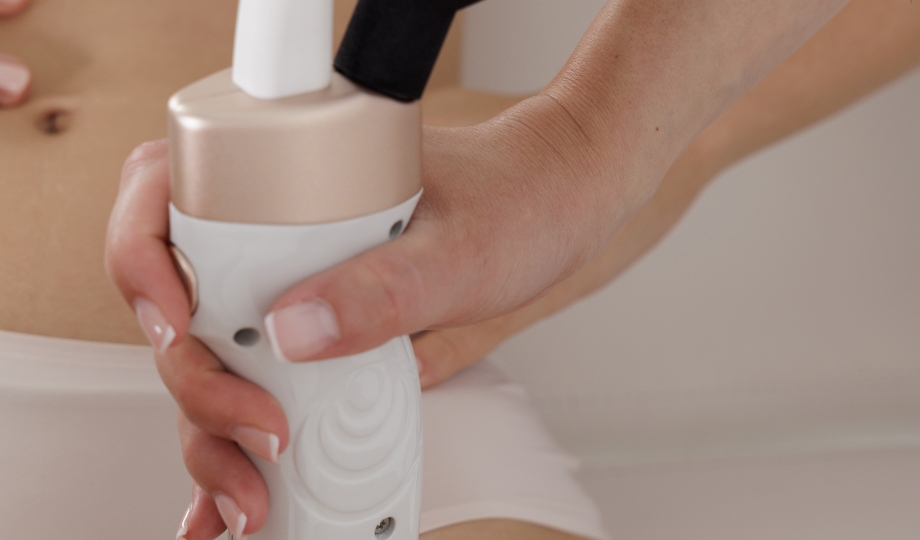
The patented handpiece combines diode laser technology and mechanical palpate-roll massage. For a slim woman with localised cellulite on the thighs or buttocks, the article recommends a programme of approximately five to eight sessions.
To find a nearby Contour Paris practitioner, consult the Contour Paris practitioner directory.
Being slim does not prevent localised saddlebags or a small fold beneath the buttocks. Contour 360° combines diode laser and mechanical palpate-roll massage with augmented cryolipolysis to target localised fat deposits, working on volume, texture and firmness.
If there is one thing to remember, it is this: cellulite says very little about your weight or willpower. It depends on the architecture of your skin, hormones, genetics, muscle tone and skin firmness.
The approach described in this article combines muscle strengthening, regular movement, a diet that supports collagen and targeted treatments addressing skin texture and firmness. A personalised assessment with a trained professional remains the best place to start.
Share























Vos informations ont bien été mises à jour.
Cette fenêtre se fermera automatiquement dans quelques secondes...
Cette fenêtre va se fermer automatiquement dans 3 secondes...
Veuillez saisir l'adresse email rattaché à votre compte client pour recevoir un lien de réinitialisation de votre mot de passe.
Vous pouvez maintenant commander et suivre vos commandes. Cette fenêtre va se fermer automatiquement dans 5 secondes...