
Share


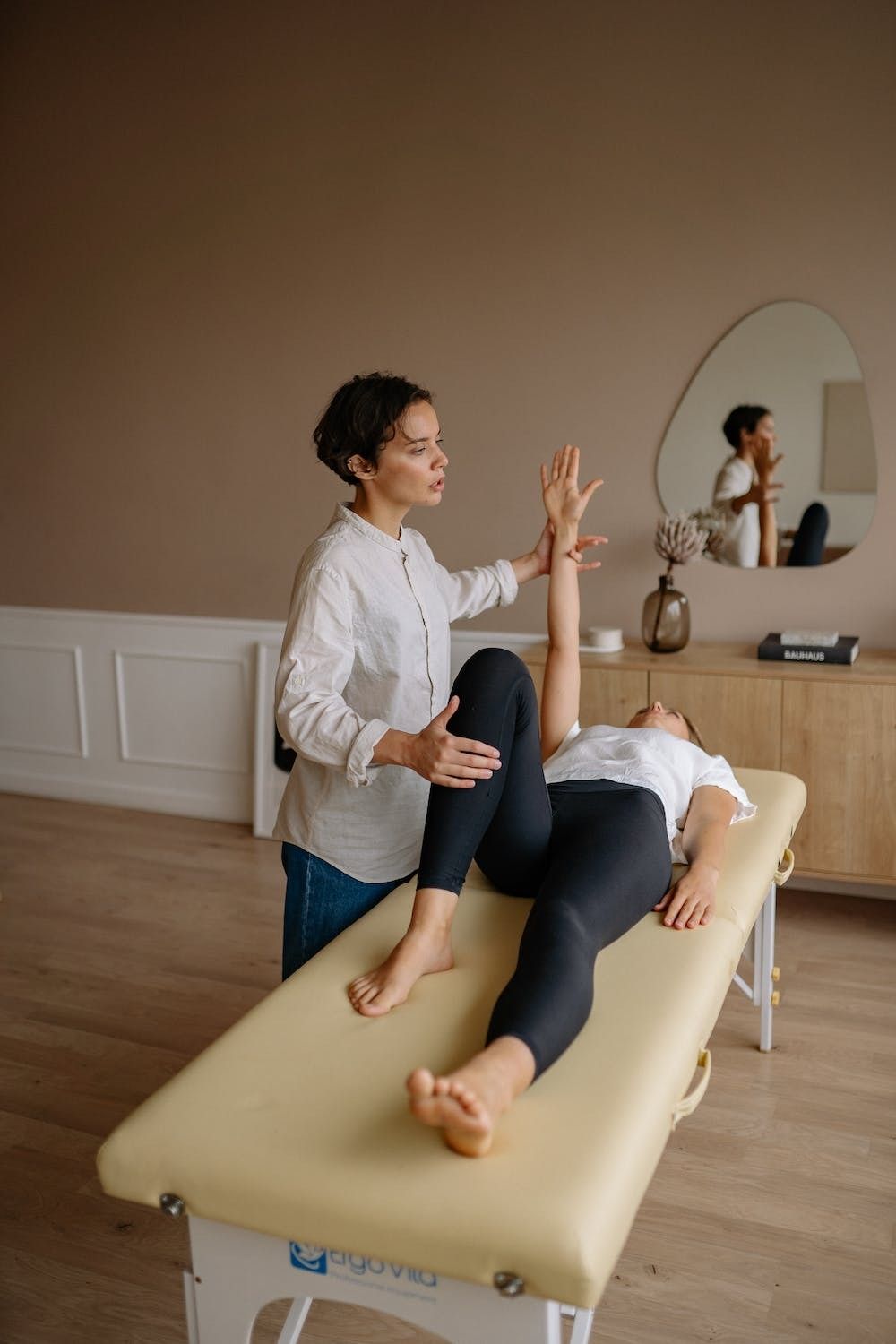
From care to body contouring: why physiotherapists are ideally placed to provide aesthetic treatments
You have spent years studying and mastering palpatory anatomy, the physiology of connective tissue and the biomechanics of drainage. Then, one day, a patient unexpectedly asks whether you “also provide cellulite or aesthetic body-contouring treatments”. You hesitate. You wonder whether accepting would mean devaluing your qualification or abandoning your professional ethics.
The first answer is simple: absolutely not. This article explains why this transition can make complete sense and identifies the genuine drivers of success.
The initial misunderstanding comes from a persistent confusion between aesthetic care and superficiality. Yet the skills used by physiotherapists every day lie at the heart of many premium, non-invasive body treatments.
Manual lymphatic drainage and connective-tissue massage, for example, are not improvised cosmetic protocols: they are core physiotherapy skills. The professional framework set out in Articles R. 4321-1 and following of the French Public Health Code recognises manual and instrument-assisted acts, massage and various physiotherapy techniques. An opinion issued by the French National Council of the Order in December 2025 also states that physiotherapists may perform both therapeutic and non-therapeutic massage, while remaining subject to their professional ethical obligations.
This logic applies to your entire professional background:
According to DREES data published in July 2026, 111,400 physiotherapists were practising in France on 1 January 2026, following average annual growth of 3.1%. In areas with a high density of practices, particularly coastal regions and certain large cities, competition for convention-funded activity is increasing while reimbursement rates struggle to keep pace with operating costs. Diversifying can therefore be a realistic economic decision in response to narrowing margins — provided that the project is built within a secure legal, tax, insurance and ethical framework.
A newly opened beauty business often starts from zero, with advertising expenditure, conversion challenges and a high customer-acquisition cost. A practising physiotherapist already benefits from a local presence, a professional reputation and trust built over several years. This advantage must never, however, be used to exploit a healthcare patient base for the development of a commercial activity.
⚠️ Ethical warning: the boundary between professional information and commercial promotion must be strictly respected. The French National Council of the Order regulates the combination of physiotherapy with another activity and states that communication relating to a separate activity must itself remain separate from physiotherapy practice. Using the title of physiotherapist in connection with the commercial activity requires prior approval from the relevant departmental council of the Order. Before using brochures, signs, a website or an advertising campaign, submit the proposed communication arrangements to the departmental council and avoid any individual marketing to existing patients.
Not all technologies require the same investment or level of support. The following overview is designed to guide equipment choices according to your development objectives. The price ranges are indicative and must be confirmed through quotations covering training, maintenance, consumables and insurance.
| Technology | Level of physiotherapy synergy | Estimated entry cost | Type of service & objective |
|---|---|---|---|
| Mechanical massage and rolling | ★★★★★ Maximum | €15,000–€45,000 | Tissue mobilisation, support for the visible appearance of cellulite and smoother-looking skin |
| Mechanical drainage & pressotherapy | ★★★★★ Excellent | €5,000–€15,000 | Circulatory support, heavy-leg sensations and fluid retention, depending on the indication and operating framework |
| HIFEM / targeted muscular contraction | ★★★★★ Excellent | €20,000–€50,000 | Body contouring, muscular toning and targeted abdominal engagement |
| Radiofrequency / shockwave technology | ★★★★ Very good | €15,000–€40,000 | Improved skin appearance, firming and support for the appearance of orange-peel skin |
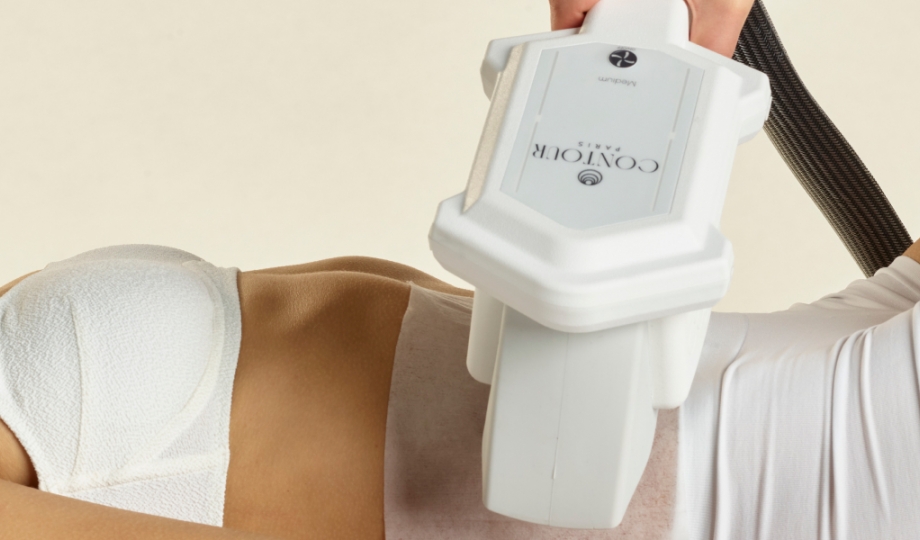
| Cryolipolysis | ★★★ Good | €25,000–€50,000 | Targeted aesthetic management of localised fat deposits, subject to a strict safety protocol |
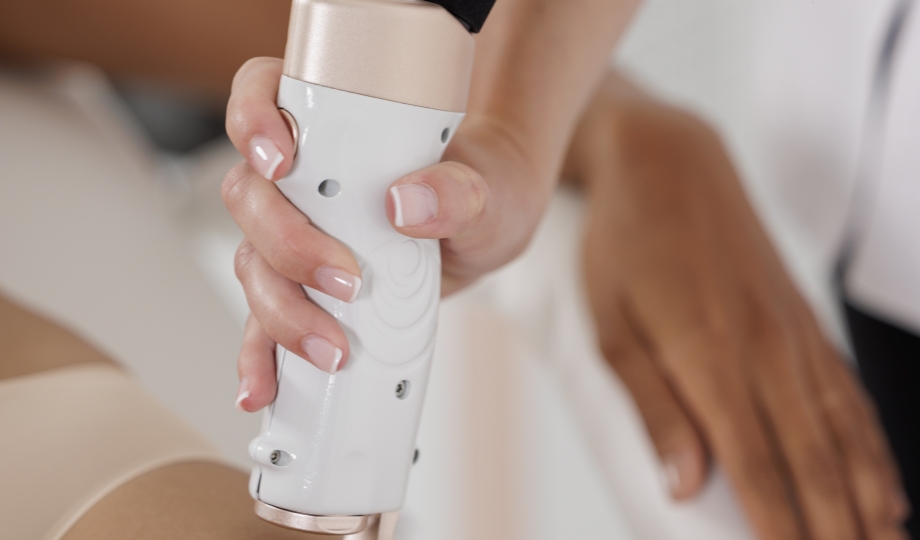
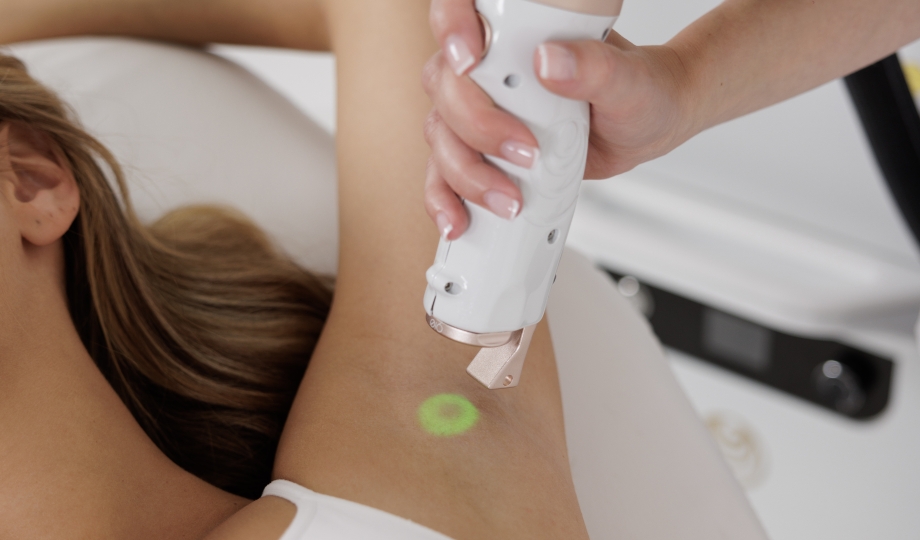
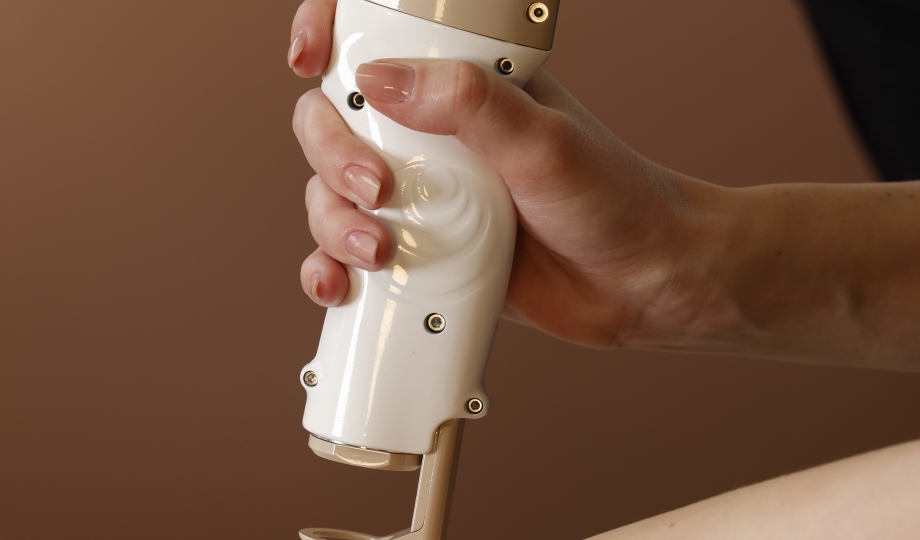
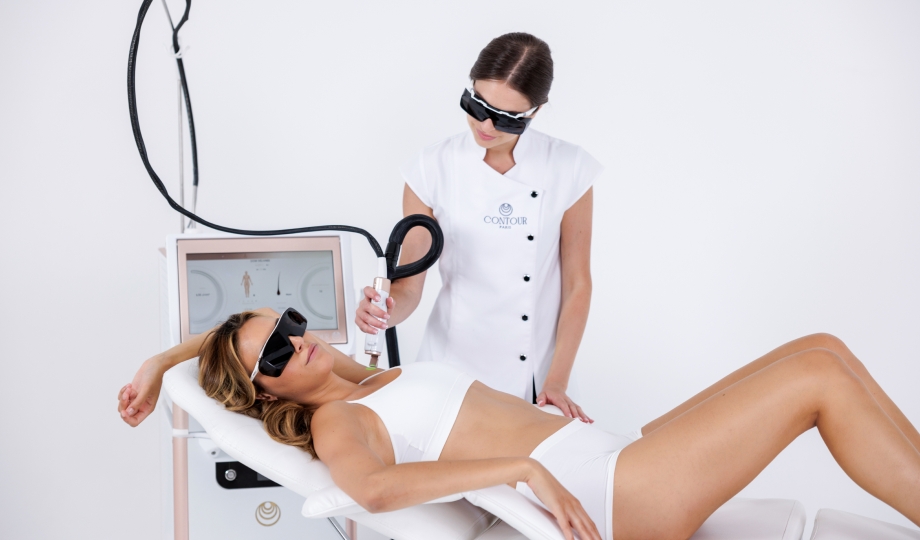
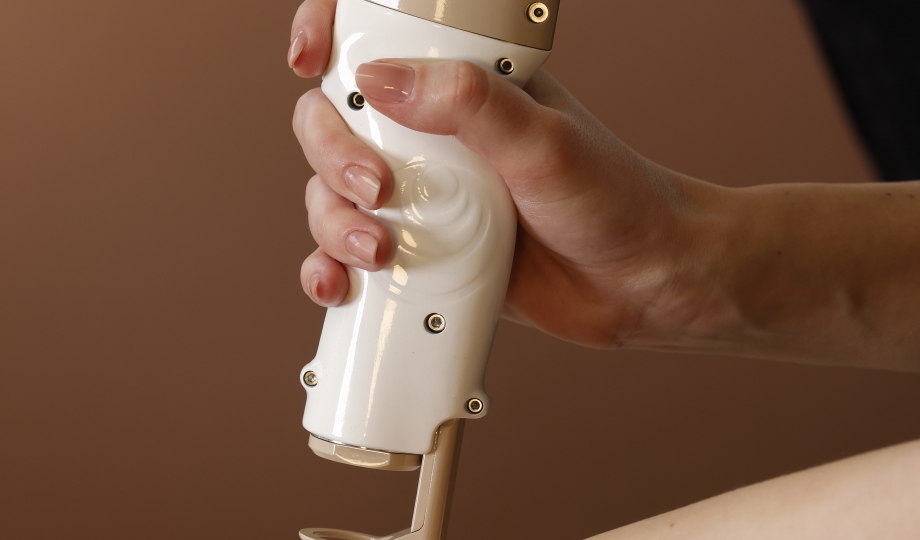
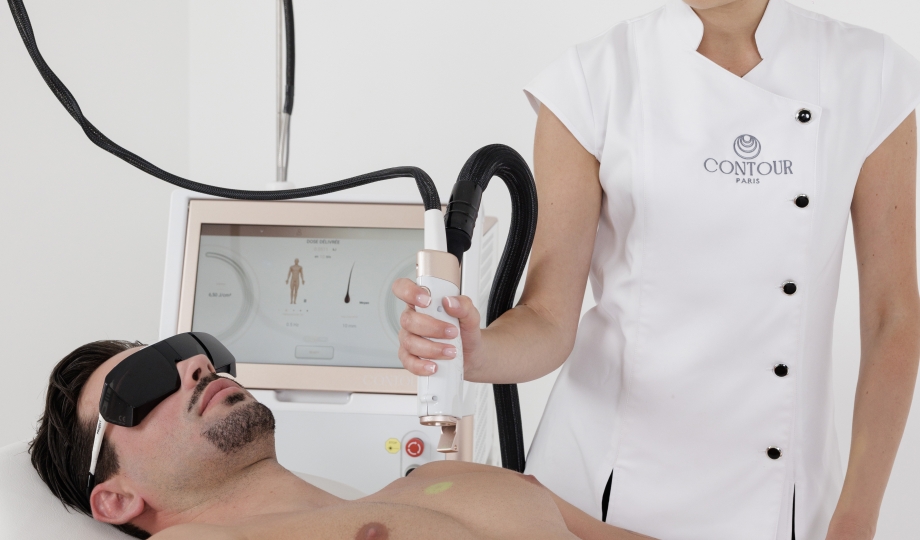
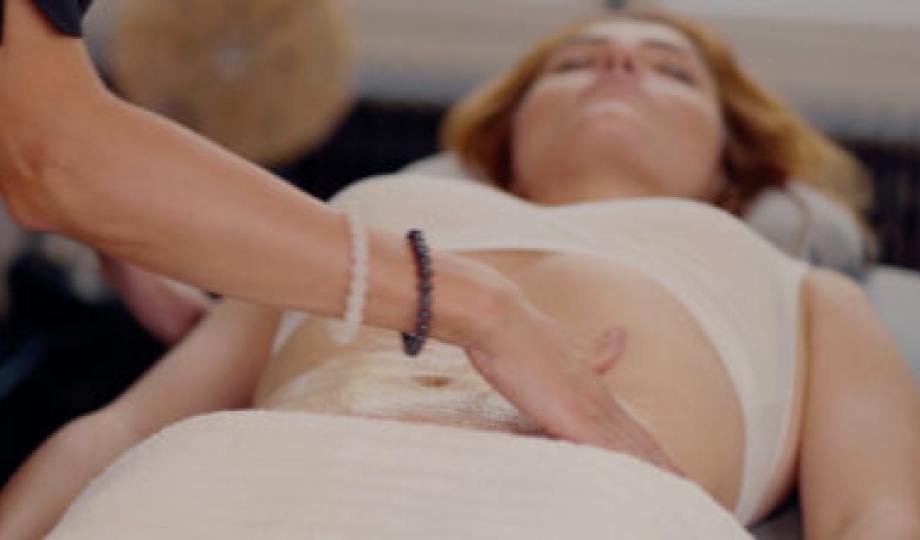
It is difficult to discuss aesthetic services in a physiotherapy practice without mentioning mechanical massage and rolling. It is one of the most natural entry points for diversifying a technical platform:
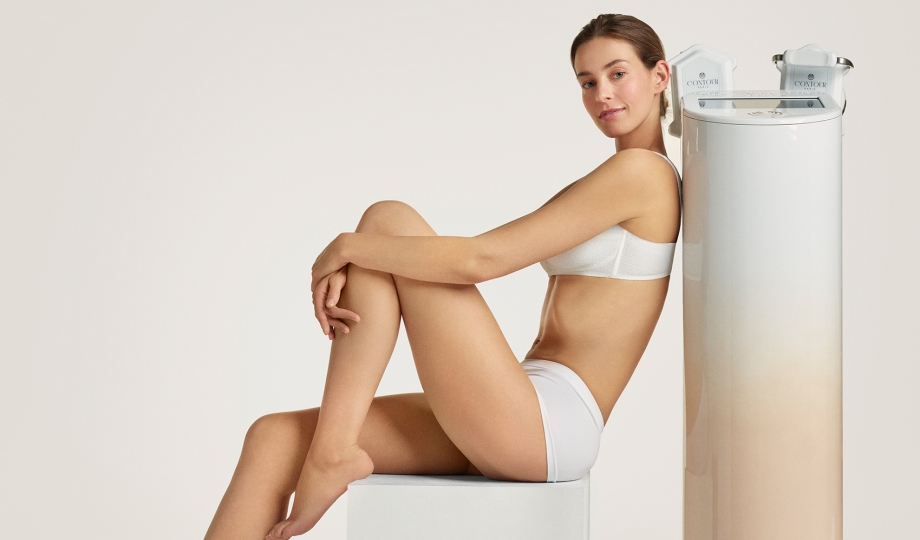
To build a complete treatment offering, mechanical massage and rolling may be combined with radiofrequency to work on skin appearance and firmness, HIFEM for targeted muscular engagement or cryolipolysis for certain localised fat deposits. These combinations make it possible to offer personalised programmes using several technologies, following an assessment of indications, contraindications and realistic expectations.
The legal, tax and social classification of the activity depends on the exact services provided and the structure selected. Mixed activities may be possible, but the main and secondary activities and their respective regimes must be clearly identified. Entreprendre.Service-Public.fr explains the French rules governing the combination of activities of different types. In practice, separate analytical accounting — or, depending on the project, a dedicated structure — makes it easier to distinguish revenue, expenditure, contracts and VAT obligations. Have the arrangement approved by an accountant familiar with regulated healthcare professions.
Under the ethical rules governing the combination of physiotherapy with another activity, a physiotherapist may operate a complementary activity provided that it is compatible with professional independence, morality and dignity and does not allow the practitioner to profit from prescriptions. A sensible precaution is to submit a written project to the relevant departmental council of the Order before launch, explaining the techniques, communication, intended use of the professional title, structure and premises.
Your professional civil-liability policy for physiotherapy does not necessarily cover aesthetic or commercial services outside the declared scope. The physiotherapist's insurance obligation requires the risks associated with the activities actually performed to be covered.
The prudent principle is that, when both activities coexist in one location, their organisation should be clearly separated — communication, diaries, quotations, invoicing, accounting, contracts, insurance and signage. First verify that the professional or commercial lease, co-ownership regulations and rules applying to the premises permit the planned activity. Using the physiotherapist title to promote the complementary activity remains subject to prior approval from the departmental council of the Order.
This projection is illustrative: actual profitability depends on the total financed cost, appointment occupancy, pricing, operating expenses, maintenance, consumables, working time and taxation.
Successful diversification depends on the methodology used at every stage:
A physiotherapist may perform non-therapeutic massage and combine physiotherapy with another activity, subject to professional ethical rules, the regulations applying to each act and the operating requirements of the devices. The framework must be assessed technology by technology: some services fall within physiotherapy, others within wellness, regulated beauty care or, for invasive procedures, medicine. The project and its communication should be submitted to the departmental council of the Order.
Not in every case, but the answer depends on the service. Acts falling within physiotherapy competence and certain unregulated wellness services do not necessarily require a CAP beauty qualification. However, personal beauty treatments and aesthetic comfort massage as defined by the French Crafts Code are subject to a professional-qualification requirement or must be performed under the effective and permanent supervision of a qualified person. Manufacturer training alone does not replace a qualification required by law. Classify every service before launch.
Not automatically. You must declare the relevant services and equipment to your insurer and obtain written confirmation that they are covered. Depending on the policy and the nature of the activity, an extension of cover or a dedicated insurance contract may be necessary.
This may be possible if the lease, co-ownership regulations, insurance and rules applying to the premises permit it. A clear separation must be organised between the two activities, including communication, diaries, contractual documents, invoicing, accounting and insurance. Using the physiotherapist title in the promotion of the complementary activity requires prior approval from the departmental council of the Order.
Share












































Vos informations ont bien été mises à jour.
Cette fenêtre se fermera automatiquement dans quelques secondes...
Cette fenêtre va se fermer automatiquement dans 3 secondes...
Veuillez saisir l'adresse email rattaché à votre compte client pour recevoir un lien de réinitialisation de votre mot de passe.
Vous pouvez maintenant commander et suivre vos commandes. Cette fenêtre va se fermer automatiquement dans 5 secondes...