Share



Admit it: you have probably already asked ChatGPT to write an Instagram caption at the end of a tiring day. Perhaps you have even asked it to help answer a slightly unpleasant Google review when you could not find the right words without getting annoyed. You are certainly not alone.
According to the 2026 France Num barometer, 40% of French SMEs and very small businesses now use at least one artificial-intelligence solution. Content generation is the most common use.
The movement is already well underway in beauty salons, spas and aesthetic practices. The difficulty is that many professionals have adopted these tools without a clear user manual.
The results range from excellent to problematic: generic social posts, client records copied into an AI tool without considering confidentiality, unrealistic before-and-after images — but also salon owners saving several hours every week and reinvesting that time where it matters most: with their clients.
This guide explores practical ways to save time with AI while using it responsibly, maintaining your brand voice and avoiding legal or ethical mistakes.
The golden rule is simple: AI writes the first version; you write the version that gets published. Edit it, shorten it, add your own expressions, a genuine story from the treatment room or a question your clients frequently ask.
The second prompt is likely to produce something close to usable. The first will probably require a complete rewrite.
A useful approach is to create a permanent salon identity sheet containing your location, target clients, tone of voice, words to avoid and signature treatments. Some AI assistants allow this information to be stored in projects or custom instructions.
However, remember that information stored in a workspace may remain there. Salon information can be useful; client files and health data should not be included.
AI can help create a monthly social media plan around seasonal moments, events, technology launches and promotions.
Ask it to vary the content mix:
Then adjust the plan according to your real diary. Keep the things AI cannot invent — genuine testimonials, photographs and real-life stories — firmly in human hands.
A blog article can become an Instagram carousel, three stories, a newsletter and a Facebook post. AI is particularly useful for this type of adaptation, provided you check that the source content has not been distorted.
Generative AI can confidently produce incorrect information: an invented statistic, a study that does not exist or a quotation attributed to the wrong person. Important information should therefore always be verified.
Fake client testimonials should never be generated or published.
Likes may flatter the ego, but they do not necessarily fill the appointment book. Focus on saves, private messages and clicks towards online booking.
AI only understands the data you provide. It does not know that your salon was closed for renovations or that one campaign had a very small sample size.
Work with aggregated or anonymised data rather than names, usernames, telephone numbers or email addresses.
Always start with your real protocols: duration, treatment stages, technology, areas treated, sensations and recommended number of sessions. AI can then help create consistent descriptions.
AI can easily exaggerate with claims such as “guaranteed results”, “guaranteed centimetre loss”, “treats cellulite” or “erases wrinkles”.
A beauty treatment is not medical treatment. Claims should be accurate and supportable. Consult the DGCCRF guidance on misleading commercial practices.
For a launch evening, open day or new treatment, AI can help prepare:
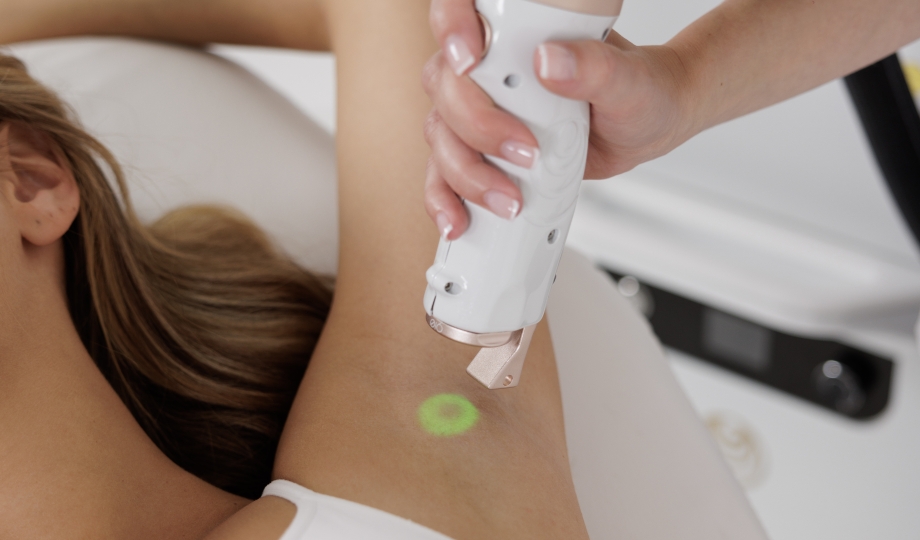
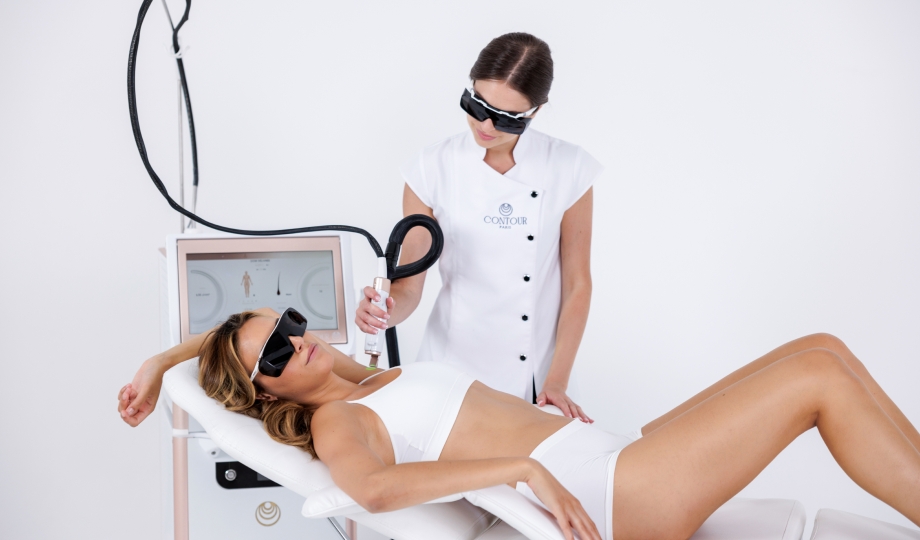
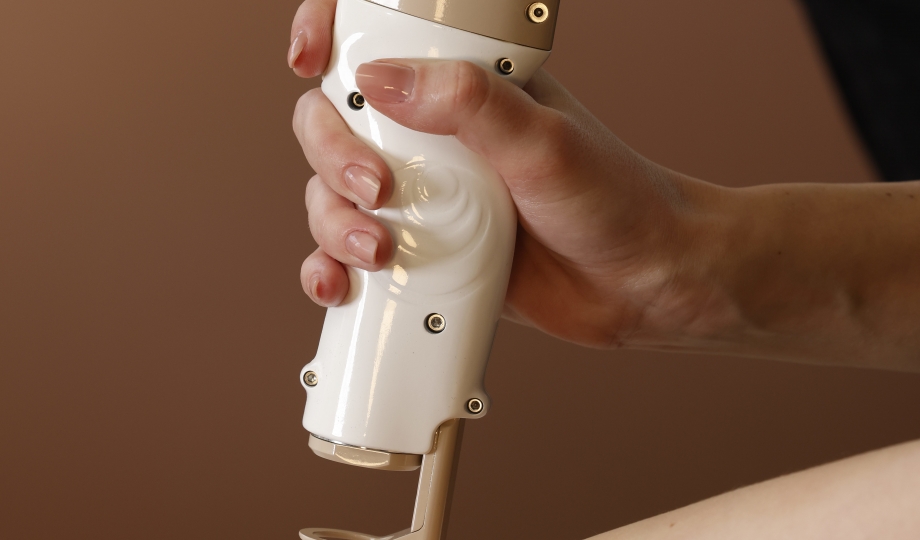
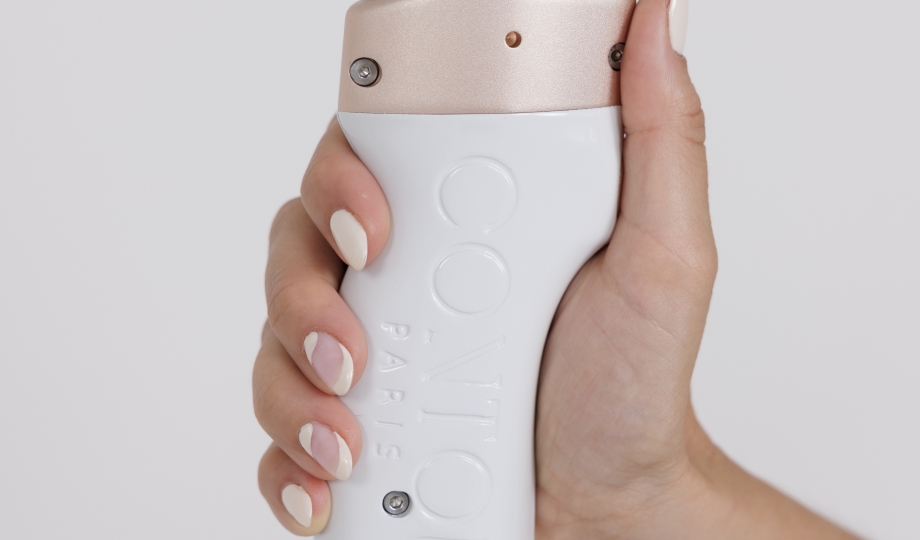
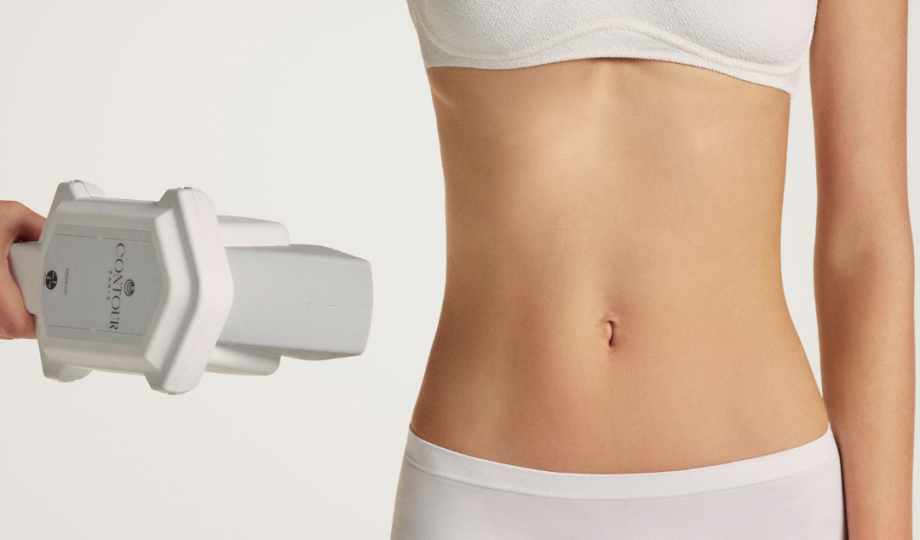
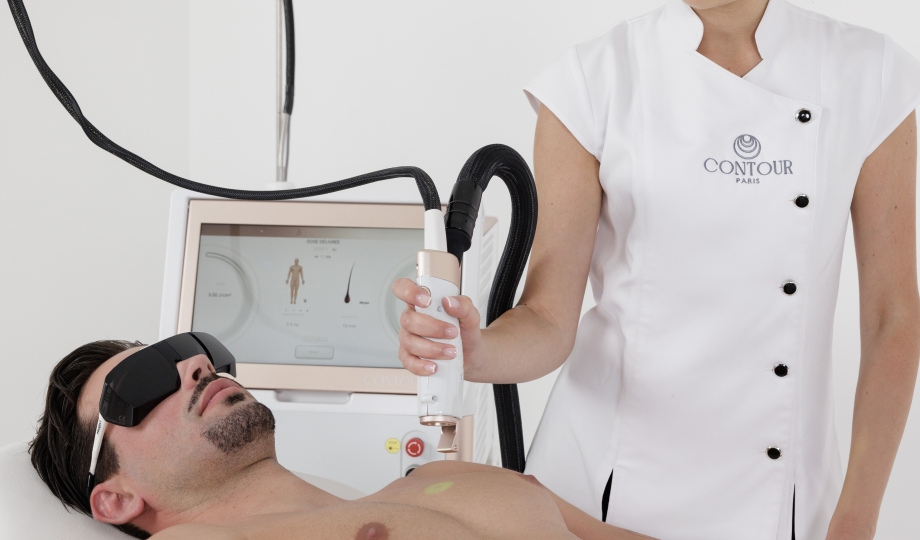
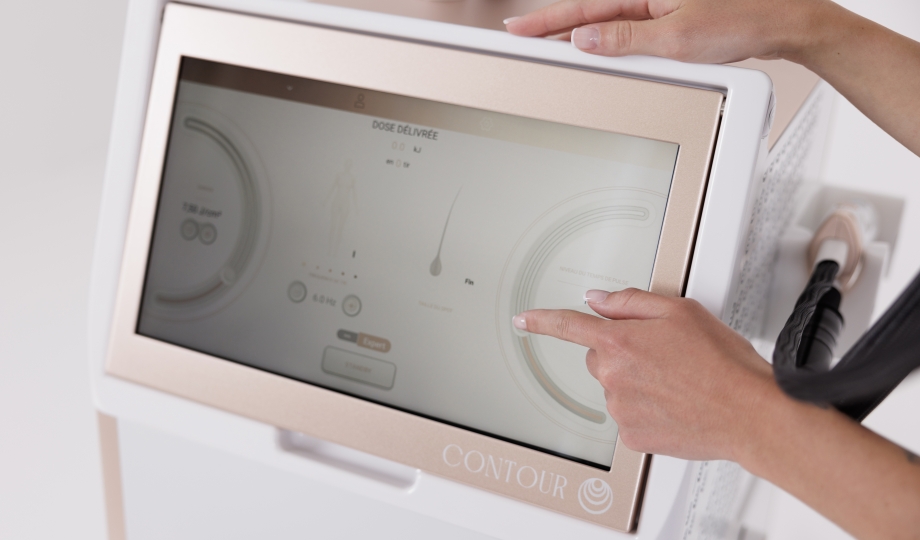
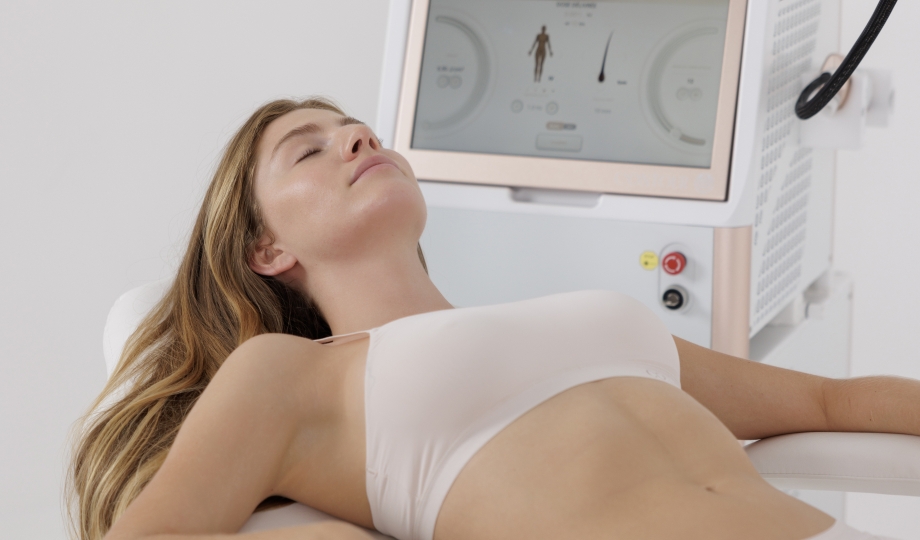
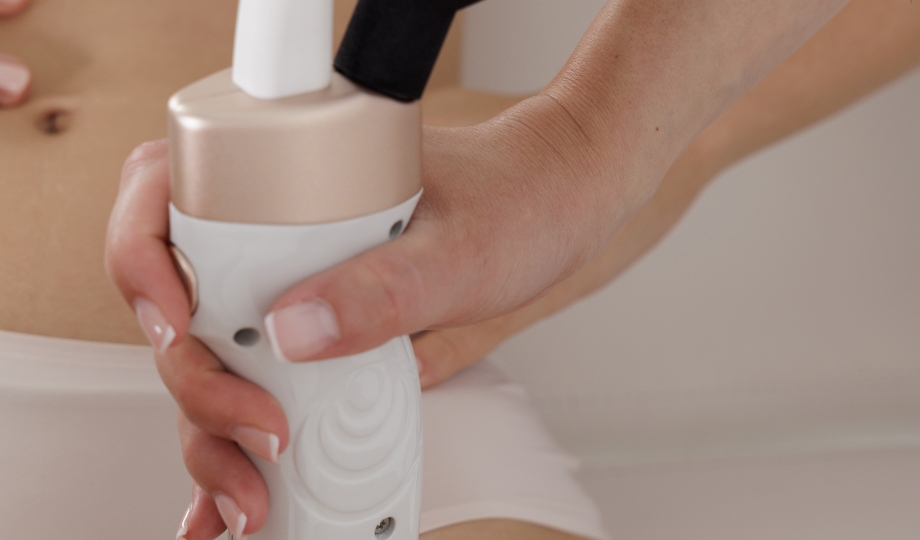
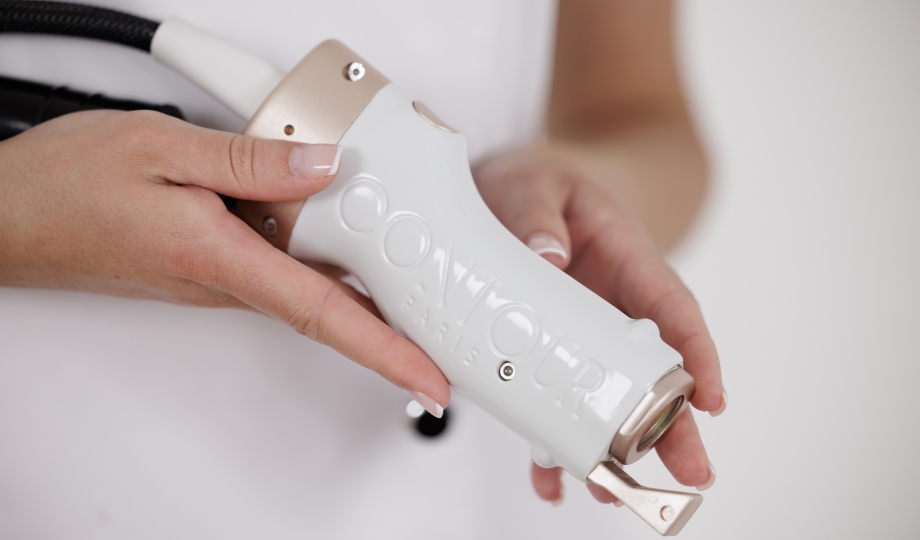
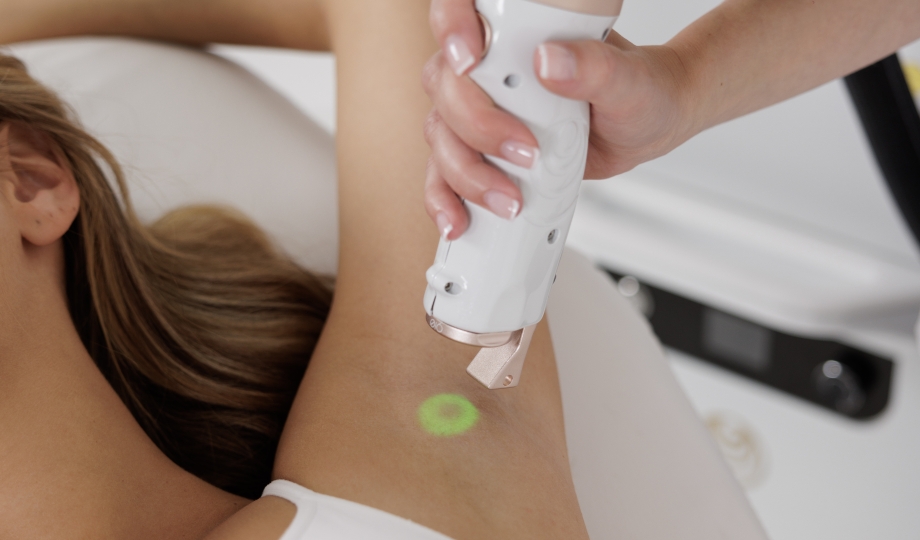
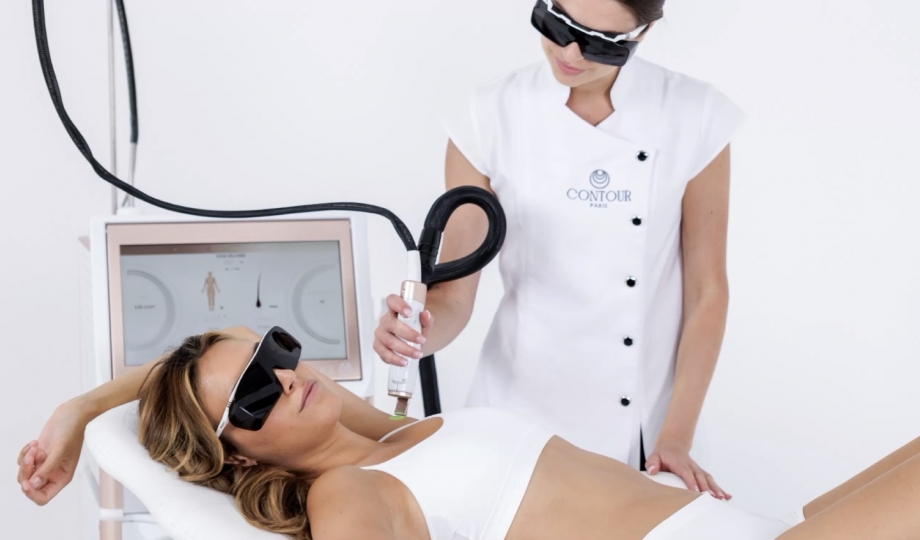
If you are launching Contour Training or a new laser hair removal service, rely on the manufacturer's technical documentation rather than on what the AI assumes about the device.
Some AI assistants can connect directly to email marketing or SMS platforms and prepare campaign drafts.
Copyright protection can be uncertain when there is insufficient human creative input. An AI-generated design may also resemble an existing brand. Before registering a mark in France, searches can be performed through the INPI.
A stronger approach is to use AI to clarify the brief, allow a designer to create the final identity and then protect it appropriately.
AI can prepare templates for positive feedback, disappointed clients or unfair reviews. Each response should then be personalised with genuine details.
Never use AI to create fake positive reviews.
AI can help structure readable aftercare sheets for laser hair removal or body treatments, but the technical information must come from your protocols and device documentation.
AI makes it easier to translate information sheets, treatment menus and confirmation messages. Important translations, particularly contraindications, should still be reviewed by someone who understands the language.
Automated assistants can answer common questions and reduce repetitive work. Where applicable, transparency obligations under the EU Artificial Intelligence Act require users to be informed that they are interacting with AI.
Always provide an easy route to a human member of staff.
AI can create first drafts for job advertisements, hygiene procedures, supplier letters, annual reviews and sales arguments.
Documents that create legal obligations should always be reviewed by a qualified professional.
Which treatments are most profitable? Which appointment slots remain empty? How many clients have not returned in six months? AI can help analyse anonymised exports from booking and till systems.
A simple internal AI policy can cover:
Organisations using AI should take measures to improve their staff's AI literacy. An internal workshop, clear usage policy and practical examples are a useful starting point.
Consultation forms may contain highly sensitive information, including medication, pregnancy, allergies and medical history.
Before-and-after images should represent real clients and real results under comparable photographic conditions. Artificially improving the result risks misleading potential clients.
A client's photograph is personal data. Uploading it to an external image generator may expose that data to another service.
AI can help explain technology or support internal learning, but it does not replace professional expertise, training or medical advice.
Regulatory information, statistics and technical instructions should be checked against reliable sources before publication or use.
Beauty businesses do not simply sell treatments. They sell touch, attention, listening and trust.
The real question is not whether you should use AI, but what you will do with the time it gives back to you.
If that time allows you to train, improve client care or master new technologies, then AI has fulfilled its purpose: remaining a tool in the service of human expertise.
Yes, provided applicable privacy, consumer-protection and AI-use requirements are respected.
Social posts, newsletters, editorial calendars, review responses, treatment menus, aftercare sheets, translation, event preparation and analysis of aggregated social media statistics.
Health information is particularly sensitive personal data. General-purpose tools should not be given identifiable health records without an appropriate legal and technical framework.
Images that exaggerate treatment results can mislead clients. Before-and-after photographs should reflect genuine results.
Where the EU AI Act's transparency requirements apply, users must be informed that they are interacting with an AI system unless this is obvious from the context.
Not necessarily. Protection may depend on the extent of genuine human creative input.
No. AI image-analysis tools may provide discussion support, but they do not replace professional training, observation and client consultation.
Yes. Clear internal guidelines and practical training help staff use AI responsibly and consistently.
Share





















































Vos informations ont bien été mises à jour.
Cette fenêtre se fermera automatiquement dans quelques secondes...
Cette fenêtre va se fermer automatiquement dans 3 secondes...
Veuillez saisir l'adresse email rattaché à votre compte client pour recevoir un lien de réinitialisation de votre mot de passe.
Vous pouvez maintenant commander et suivre vos commandes. Cette fenêtre va se fermer automatiquement dans 5 secondes...