
Share


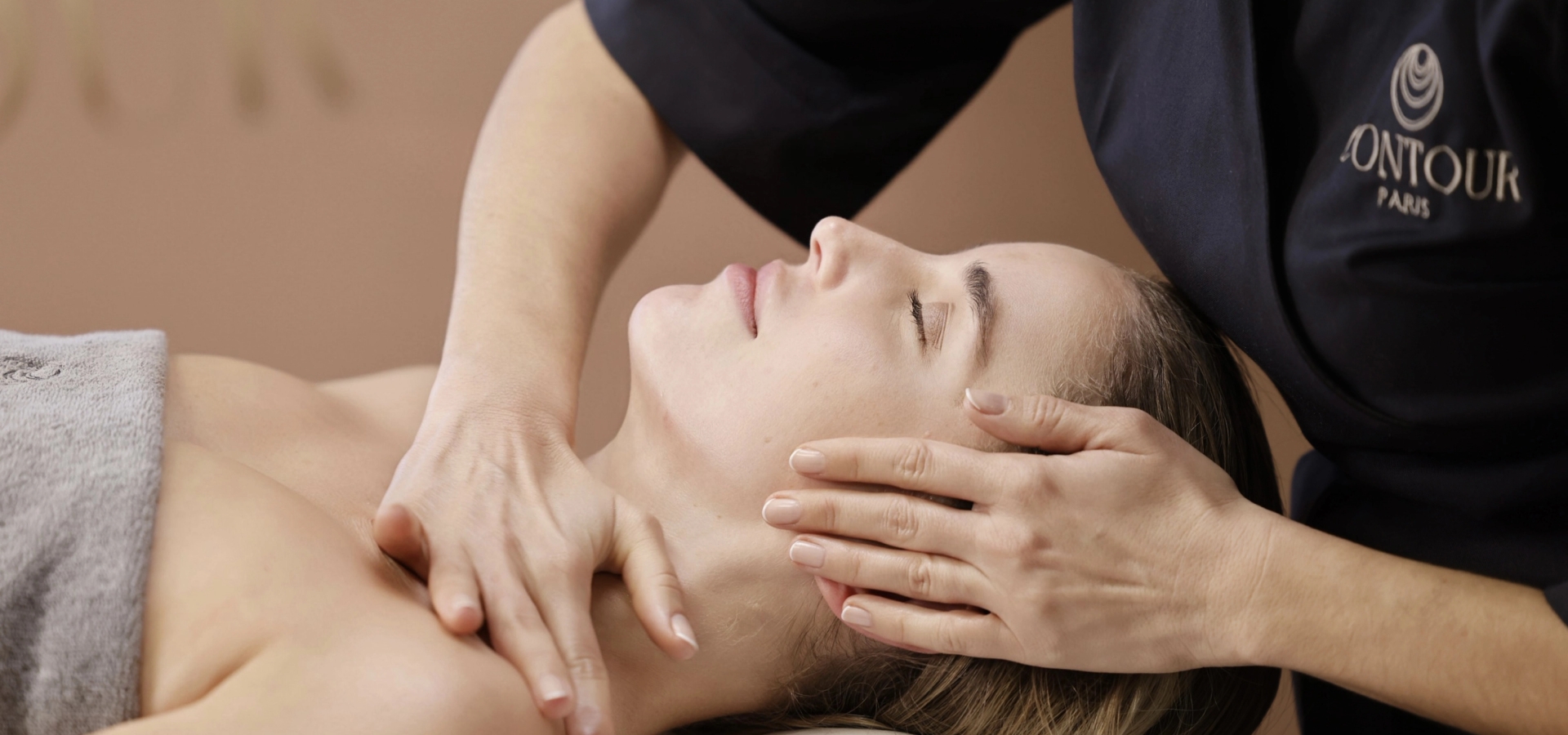
Manual treatment or technology? It is a debate that comes up in treatment rooms everywhere. On one side are the purists: “Nothing will ever replace the hands.” On the other are advocates of technology: “At least with a device, you can see the results.”
Between the two are clients who are unsure, salon owners wondering where to invest and treatment menus struggling to decide which direction to take.
The industry itself has already started to answer the question. According to a 2026 study published by OPCO EP, 63% of businesses in the French beauty sector already offer technology-based treatments. At the same time, 41% of surveyed clients had tried holistic treatments where touch and wellbeing sit at the heart of the experience.
In other words, clients want both: measurable effectiveness and a human experience.
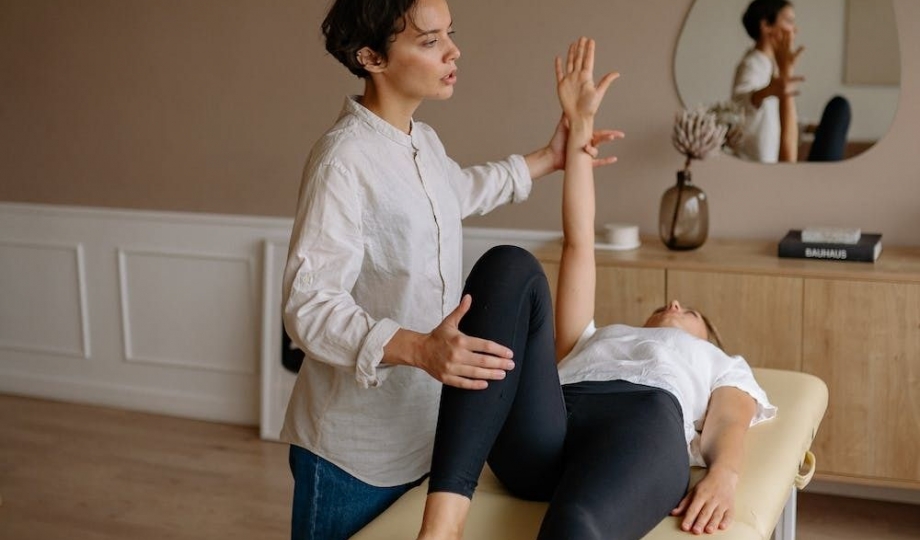
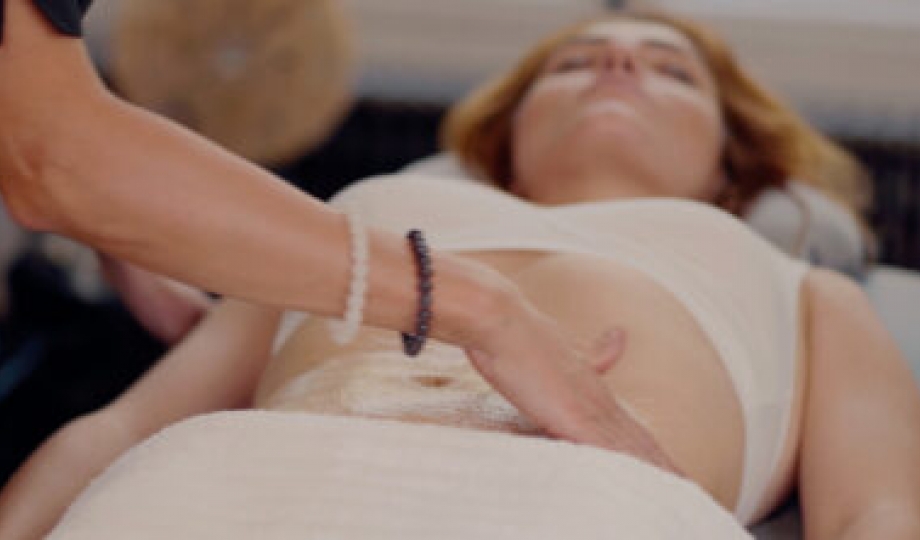
This is the main advantage of manual treatment. Beneath her fingers, an experienced beauty therapist can feel tension, sensitivity and changes in tissue. She adapts the pressure, rhythm and direction of each movement.
Massage goes beyond purely mechanical effects on the skin. A 2005 review published in the International Journal of Neuroscience gathered studies from a wide range of contexts and reported changes in stress-related and wellbeing-related markers following massage.
That feeling of relaxation is not simply decorative. It is often one of the main reasons clients come to beauty salons and return.
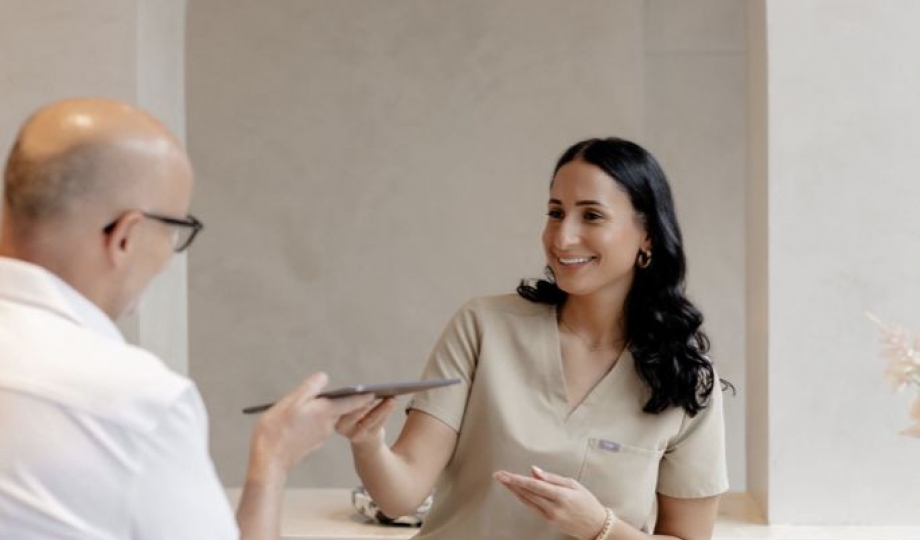
Manual care creates a relationship. The therapist's hands, voice and attention are often a major part of the reason a client books again.
A massage is never exactly the same from one therapist to another or from one day to the next. Experience, technique and physical fatigue all influence the treatment.
Manual techniques can work on circulation, muscle relaxation and immediate radiance, but they do not reproduce the deeper energy delivery offered by certain professional technologies.
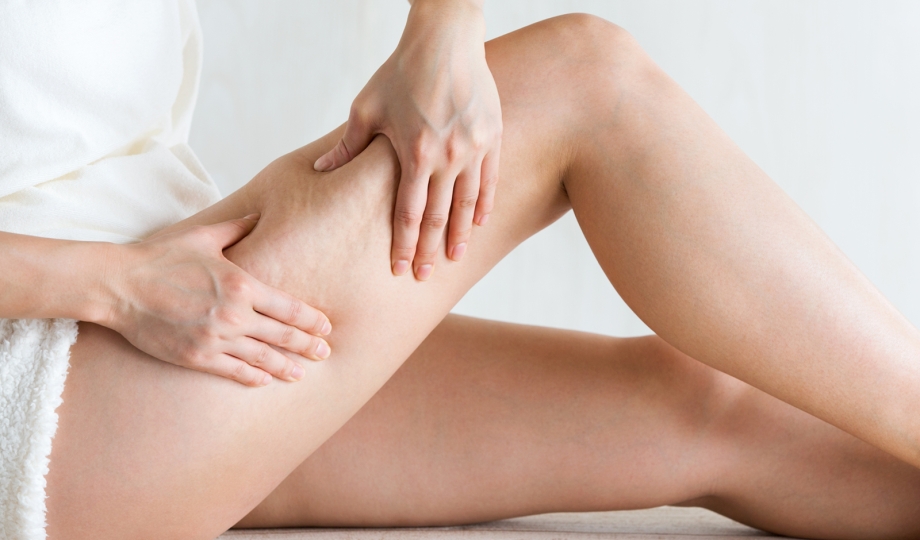
For significant skin laxity, established cellulite or muscle-tone concerns, manual treatment alone may reach its limits.
“My skin looks better” and “I feel better” are real benefits, but they are often subjective. Clients looking for measurable progress during a treatment programme may want additional objective indicators.
Repeated massage puts significant strain on hands, wrists, arms and shoulders. The INRS highlights musculoskeletal risks within beauty professions.
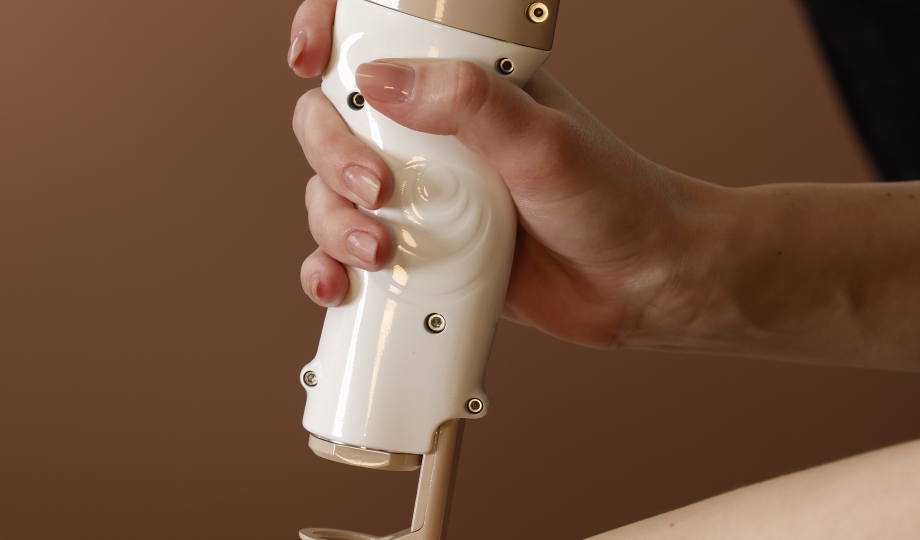
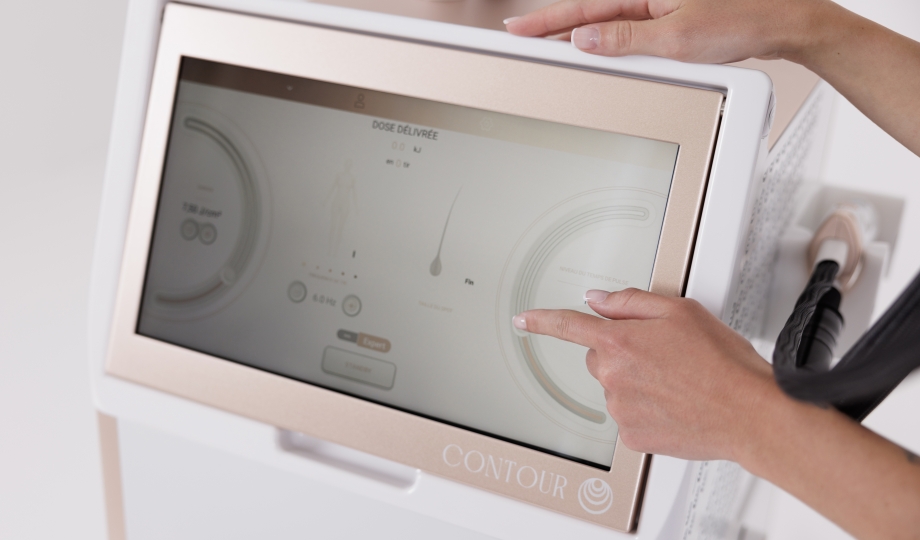
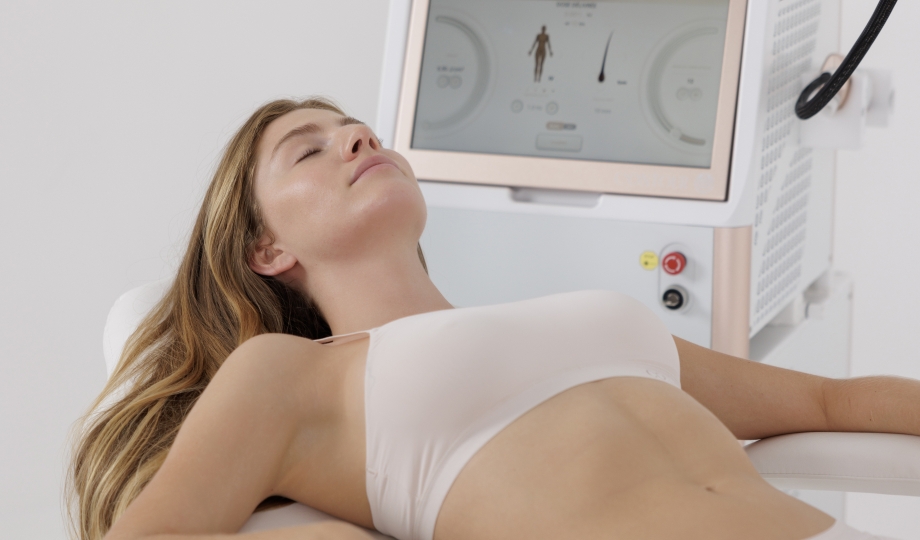
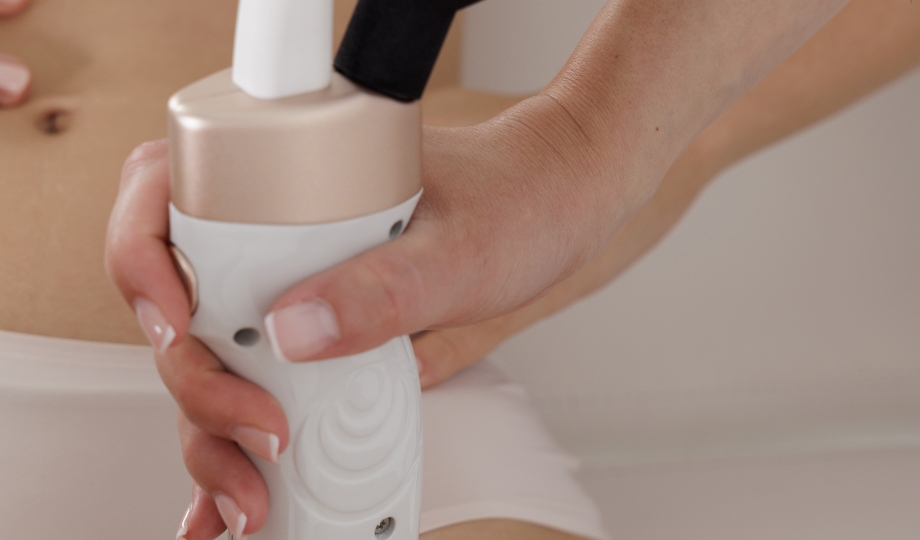
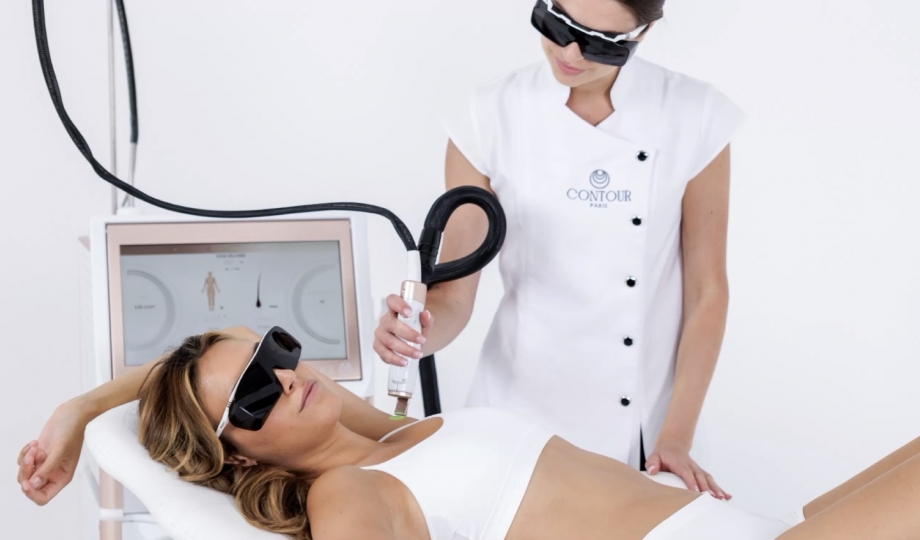
Professional devices have become increasingly common because they can extend what manual techniques can achieve. Good technology does not replace the therapist: it expands her toolkit.
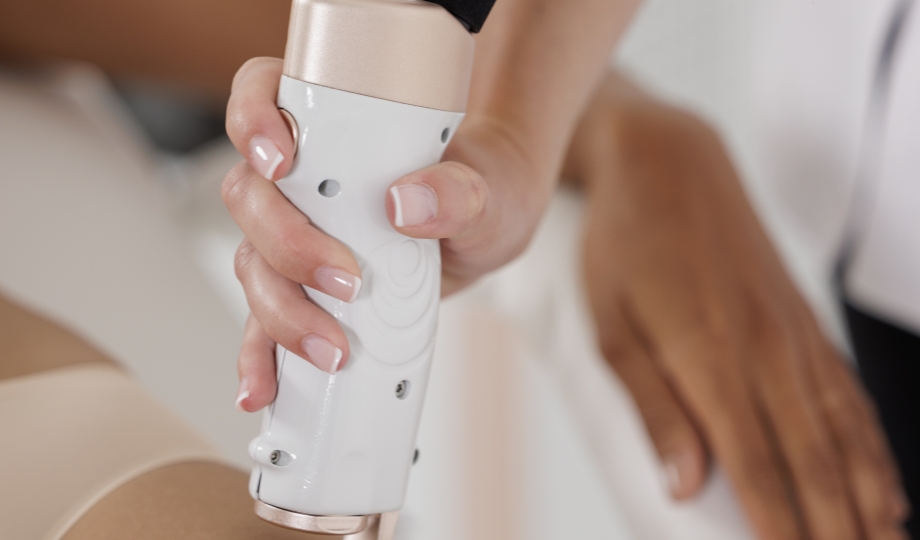
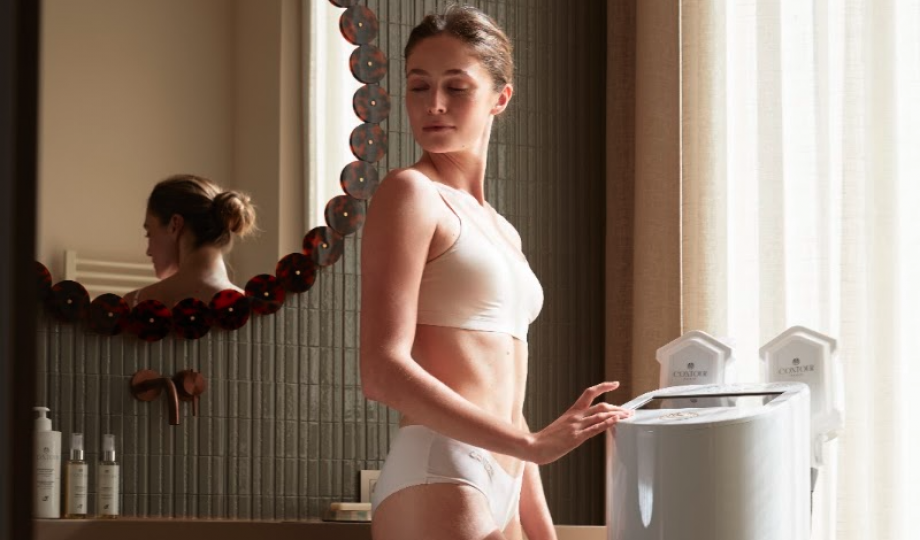
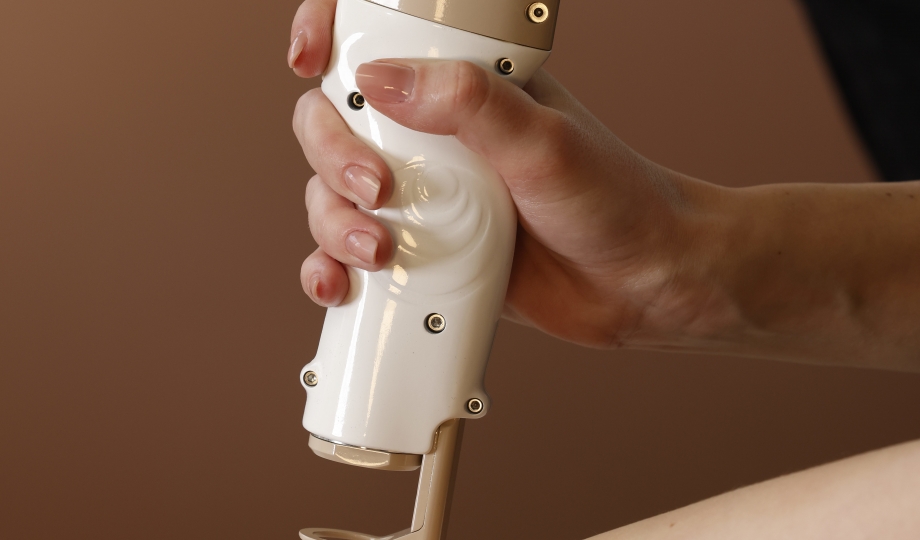
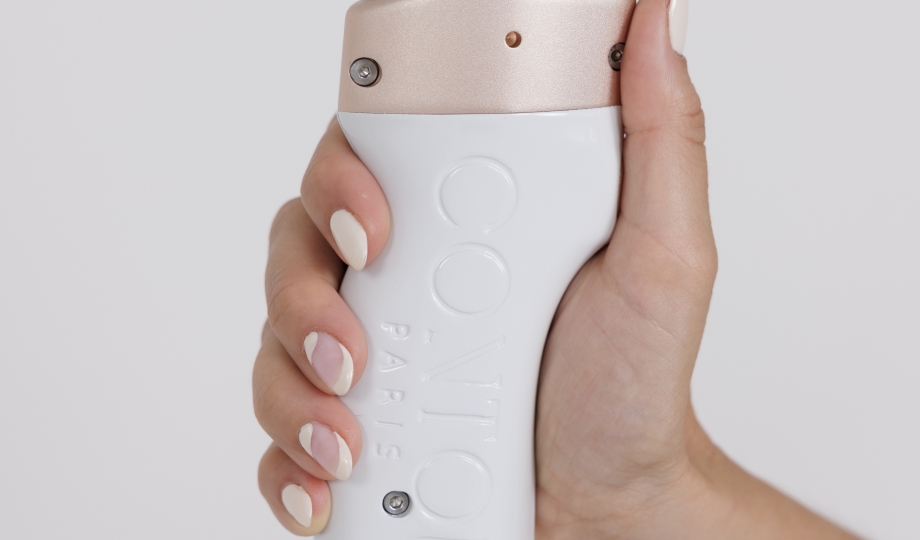
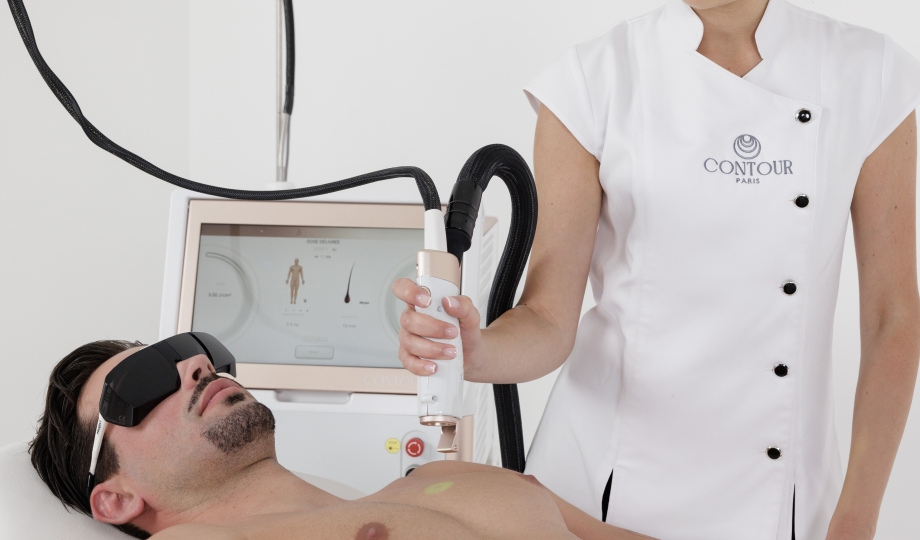
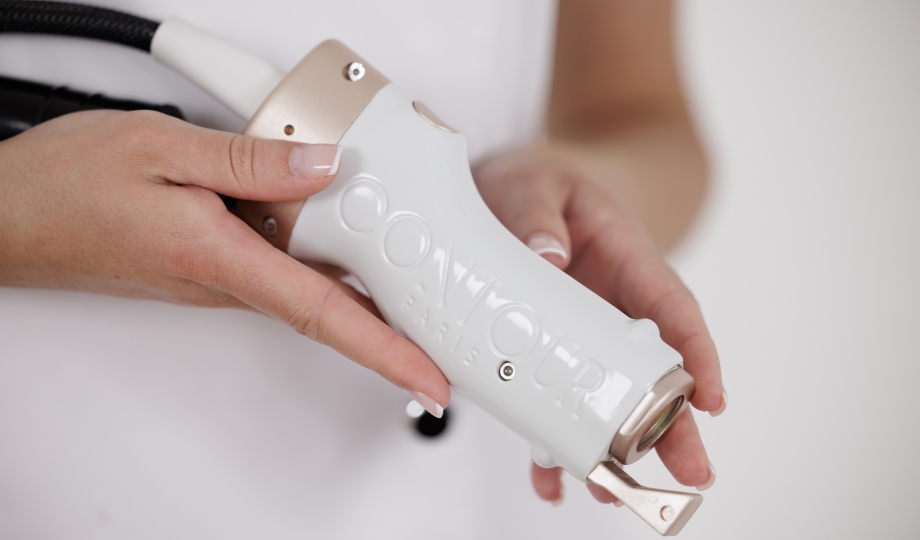
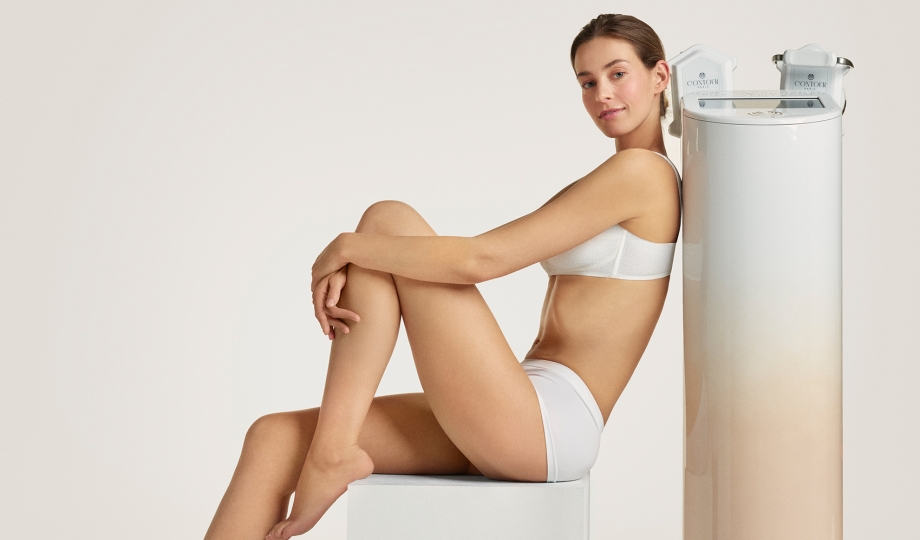
Take Contour Collagen Boost radiofrequency. Radiofrequency delivers controlled energy into deeper skin layers. In response to heat, fibroblasts involved in producing the skin's supporting fibres are stimulated. Researchers refer to processes including neocollagenesis and neoelastogenesis.
A 2015 study published in the Journal of Cosmetic and Laser Therapy examined skin after monopolar radiofrequency and reported new collagen formation through the dermis as well as elastin changes.
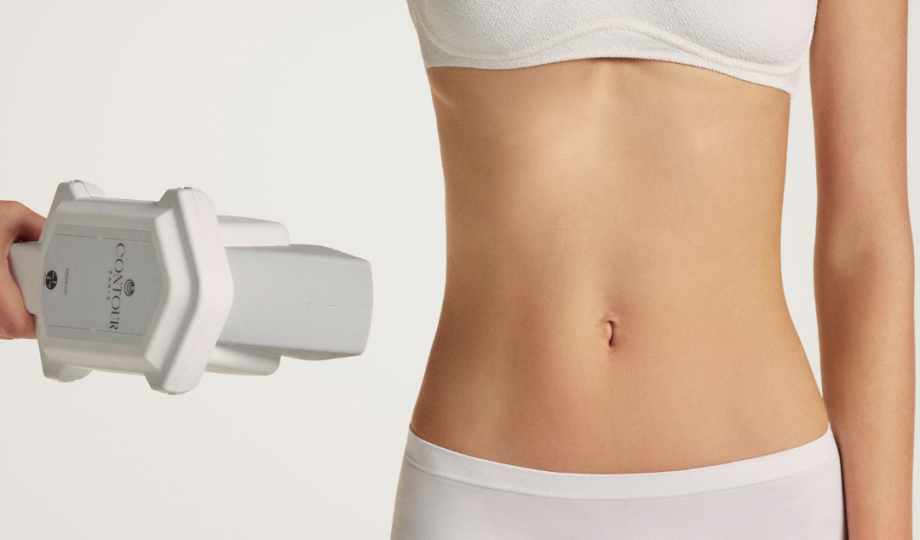
The same principle of technological extension applies to other categories. Contour Training stimulates muscular contractions beyond what massage alone can produce.
A correctly configured device delivers the selected parameters consistently from one session to another. For a salon with several therapists, this can help standardise treatment delivery.
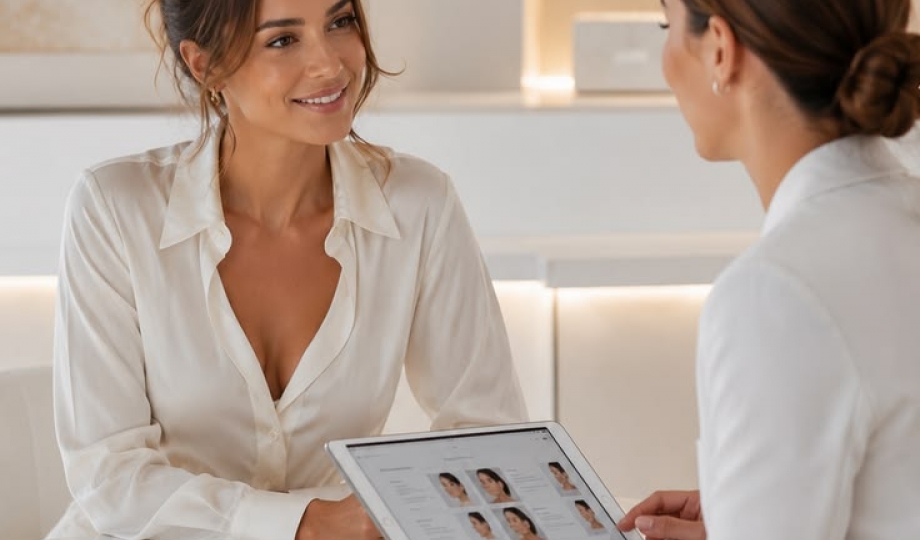
Technology-based protocols are commonly delivered as programmes with recorded settings and outcomes that can be followed through standardised photographs, measurements and client feedback.
The device performs part of the physical work, reducing repetitive demands on hands and wrists.
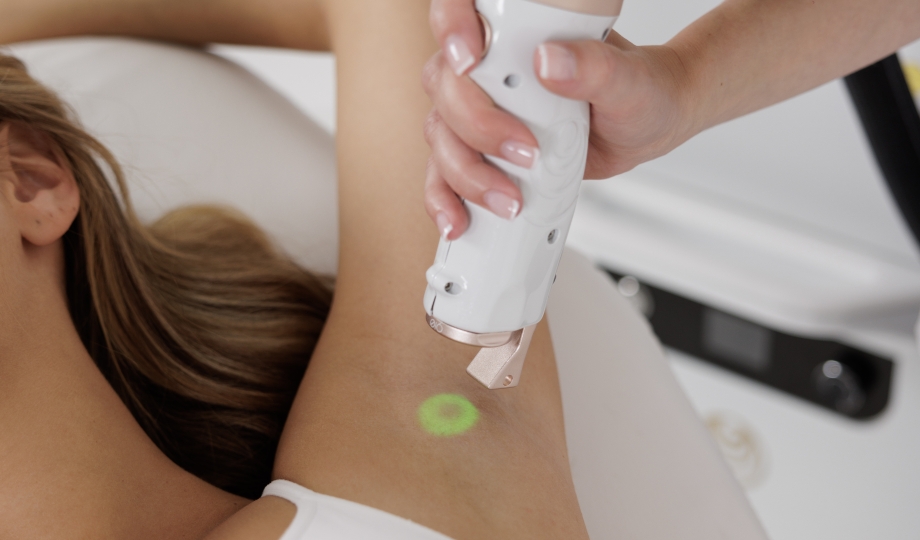
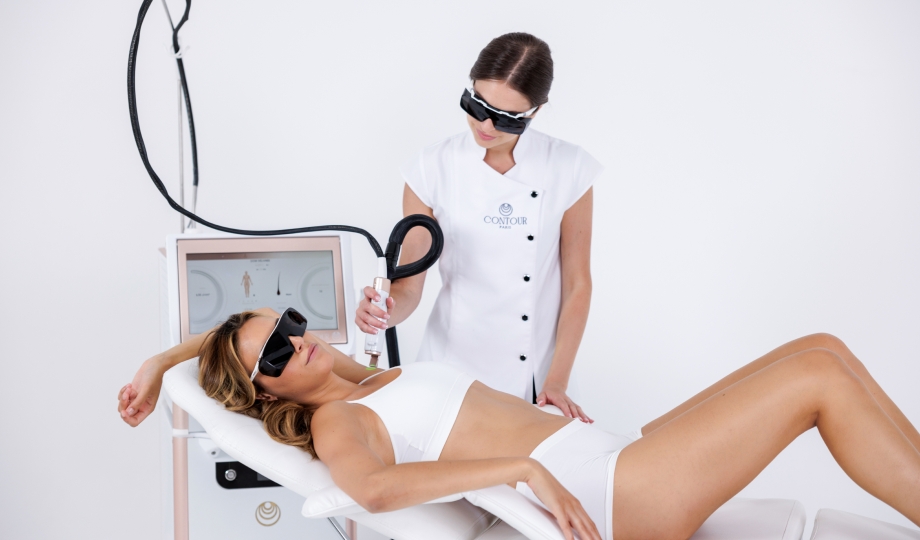
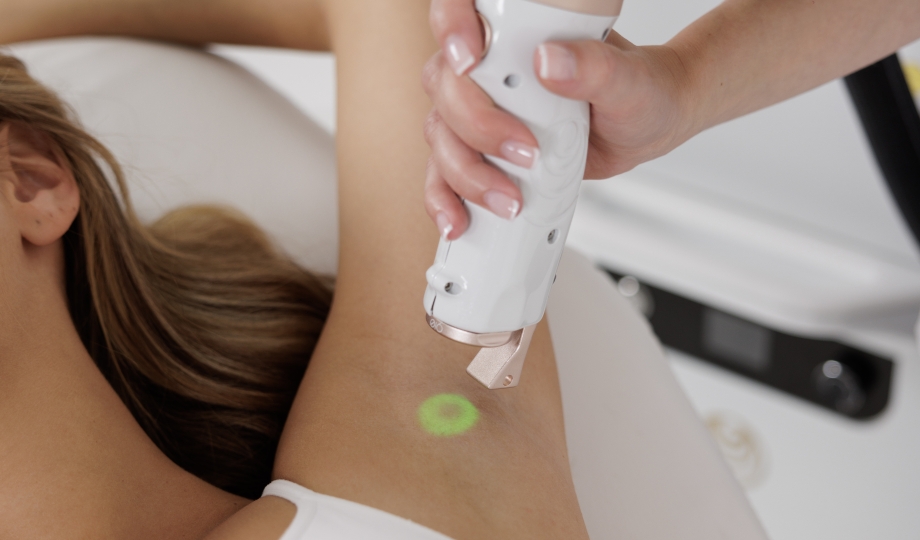
Technology can open new higher-value treatment categories including anti-ageing, body contouring and laser hair removal.
Professional equipment represents a significant cost, alongside training and maintenance. Before investing, the salon should assess demand, pricing and the number of sessions required to make the investment viable.
Technology cannot be improvised. Professionals need to understand how the device works, how parameters should be selected and which contraindications apply.
For laser and intense pulsed light hair removal in France, specific training requirements apply. See the laser hair removal training programme.
Regulation surrounding aesthetic treatments continues to evolve. Professionals should remain informed and choose manufacturers or partners capable of supporting them on compliance questions.
Opposing hands and machines is ultimately not very useful. Both have strengths and limitations, and those strengths can be highly complementary.
The client's assessment should guide the treatment.
Some clients love technology and measurable results. Others come primarily for touch, relaxation and care. The beauty therapist's role is to find the right balance.
A signature treatment is a unique protocol associated with your salon. It tells a story and creates a memorable experience.
Combining a distinctive manual technique with professional technology can create a treatment that is difficult to copy and combines emotion with performance.
Ask yourself five questions:
The Contour Paris Collagen Boost treatment illustrates this combination through two stages.
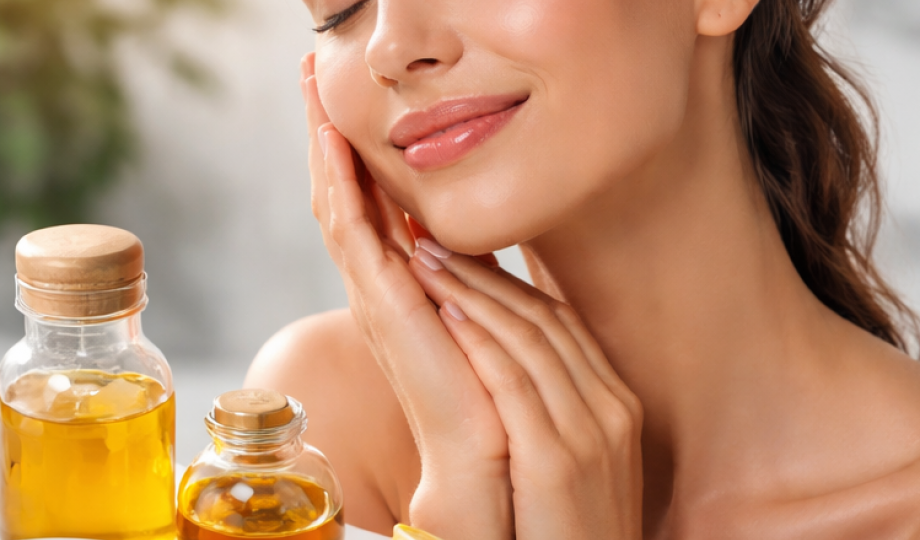
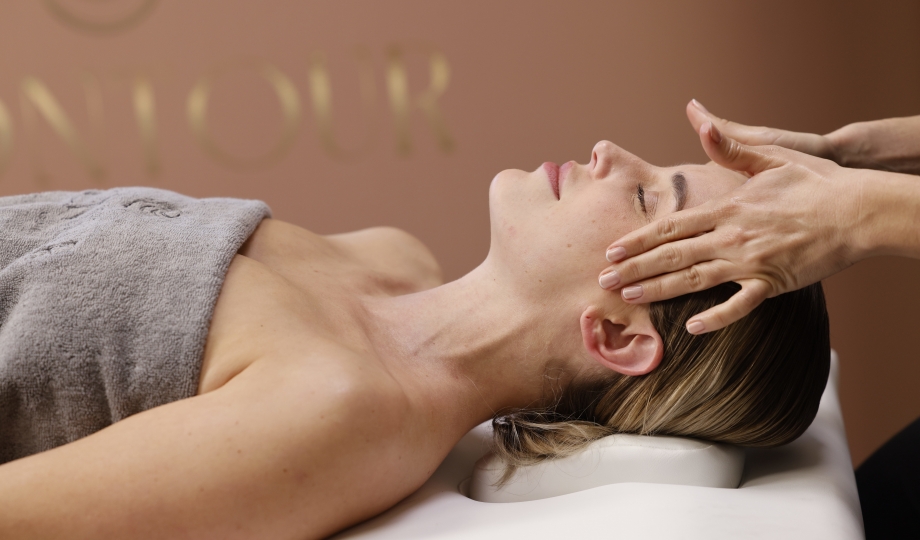
Stage one: a signature anti-ageing facial massage inspired by traditional Japanese facial techniques. Precise rhythmic movements work on facial contours, relaxation and microcirculation.
Stage two: multifrequency radiofrequency using Contour Collagen Boost. Controlled heat works deeper within the skin to support collagen and elastin production.
The objective is to combine the immediate sensory and radiance benefits of manual treatment with the progressive effects of technology, while keeping the overall experience firmly rooted in professional care.
Hands bring emotion, adaptation and human connection. Technology brings depth, precision and measurable treatment parameters.
Rather than choosing one over the other, forward-thinking beauty salons can combine both to serve their clients more completely.
It depends on the objective. Manual treatment is particularly valuable for relaxation, immediate radiance and wellbeing. Technology can extend treatment possibilities when deeper tissue effects, firmness or muscle stimulation are sought. Combining both can address several expectations at once.
Radiofrequency generates controlled heating within deeper skin layers. This thermal response is associated with collagen remodelling and stimulation of fibroblast activity.
No. Devices still require trained professionals to assess the client, select appropriate parameters and deliver the treatment safely. The emotional and relational side of beauty care remains human.
It is a unique protocol developed by a particular salon, often combining distinctive manual techniques with technology to create a differentiated client experience.
It combines a signature anti-ageing facial massage inspired by traditional Japanese techniques with multifrequency Contour Collagen Boost radiofrequency.
Yes. Appropriate training is essential for understanding the equipment, settings and contraindications. For some technologies, including laser and IPL hair removal in France, training is also a regulatory requirement.
Share




















Vos informations ont bien été mises à jour.
Cette fenêtre se fermera automatiquement dans quelques secondes...
Cette fenêtre va se fermer automatiquement dans 3 secondes...
Veuillez saisir l'adresse email rattaché à votre compte client pour recevoir un lien de réinitialisation de votre mot de passe.
Vous pouvez maintenant commander et suivre vos commandes. Cette fenêtre va se fermer automatiquement dans 5 secondes...