
Share


Your treatment menu is performing well. Your clients are loyal. And yet you feel that something needs to change. The salon next door has invested in new equipment, your clients keep asking what you can offer for stubborn abdominal fat, and your growth seems to have reached a plateau. This is often the point at which salon owners start thinking about investing in technology.
According to the 2026 OPCO EP beauty-sector study cited in this article, 63% of beauty businesses already offer technology-based treatments.
The real question is therefore no longer simply whether to invest, but what to invest in. Anti-ageing, hair removal, skin firming, body contouring… there are many options. Could cryolipolysis be one of them?
This guide looks at demand, your potential target clients, how the technology works, the treatment process and, most importantly, how to choose a professional device and a reliable supplier.
According to the OPCO EP survey cited in the source article, 54% of nearly 1,500 surveyed beauty salon and spa clients use body treatments. Almost one quarter had already tried advanced anti-ageing or slimming treatments.
Clients increasingly expect more than a traditional massage. They are looking for targeted, results-oriented services.
The Esteban study from Santé publique France cited in the article reported overweight in 54% of men and 44% of women aged 18 to 74.
This does not mean that all of these people are suitable candidates for cryolipolysis. It does, however, illustrate the scale of interest surrounding body shape and weight.
Cryolipolysis is no longer a confidential new treatment. Clients increasingly know the term, research it online and compare establishments offering it.
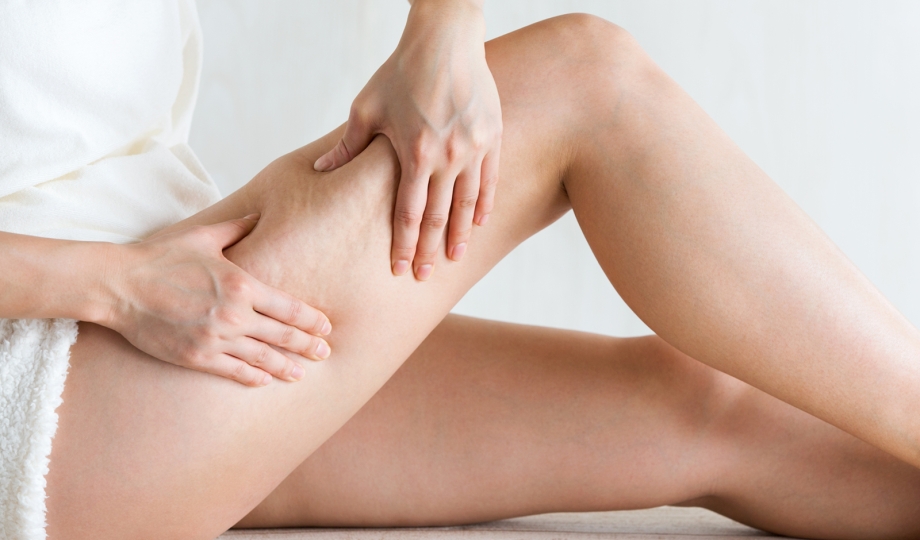
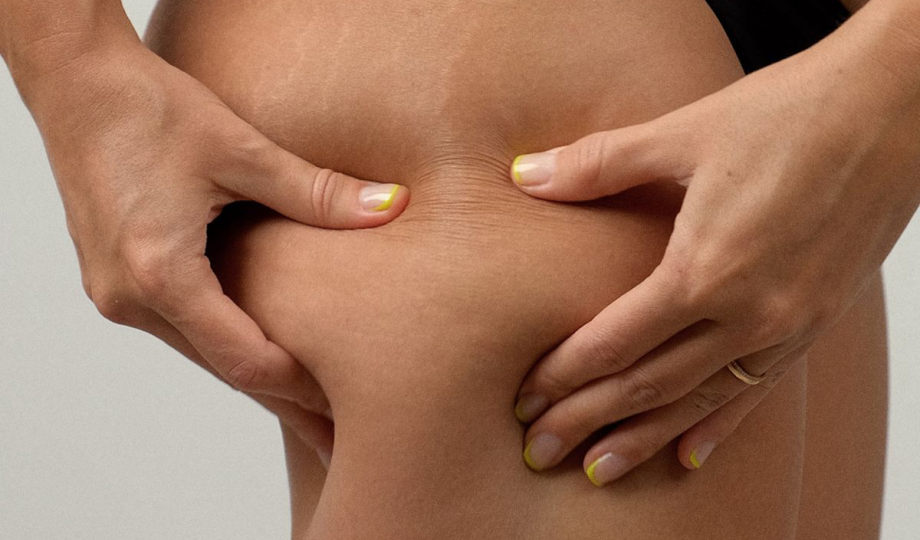
Cryolipolysis is not a weight-loss treatment. It targets localised fat deposits.
The typical candidate is therefore a woman or man whose weight is relatively stable and close to their desired weight but who still has a resistant area despite an appropriate lifestyle.
These clients may already have tried exercise, dietary changes and topical products. They are looking for visible results without surgery or downtime and may be willing to invest in a structured treatment programme.
They are also often well informed and expect clear answers about technology, safety and outcomes.
Cryolipolysis can form part of a wider journey including assessment, treatment, follow-up photographs and lifestyle advice.
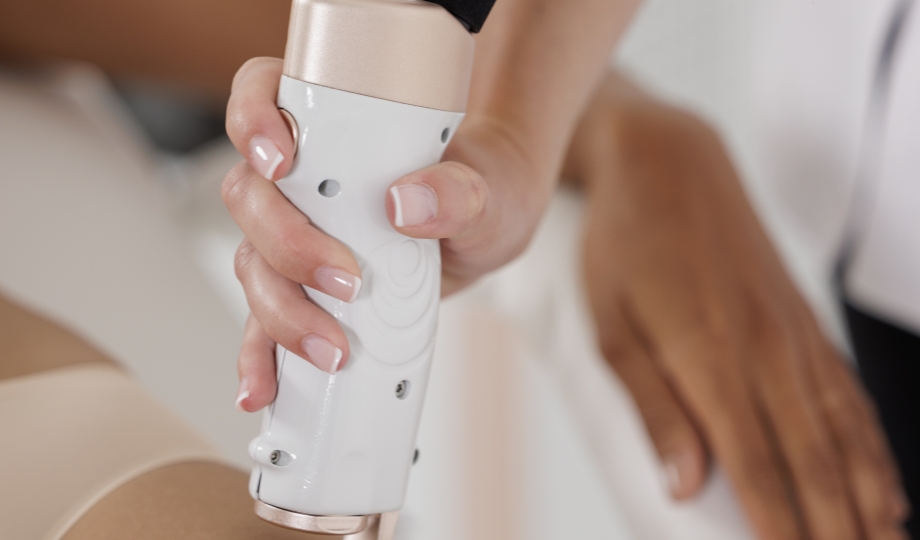
This can also create opportunities for complementary services such as skin firming or Contour Training muscle stimulation.
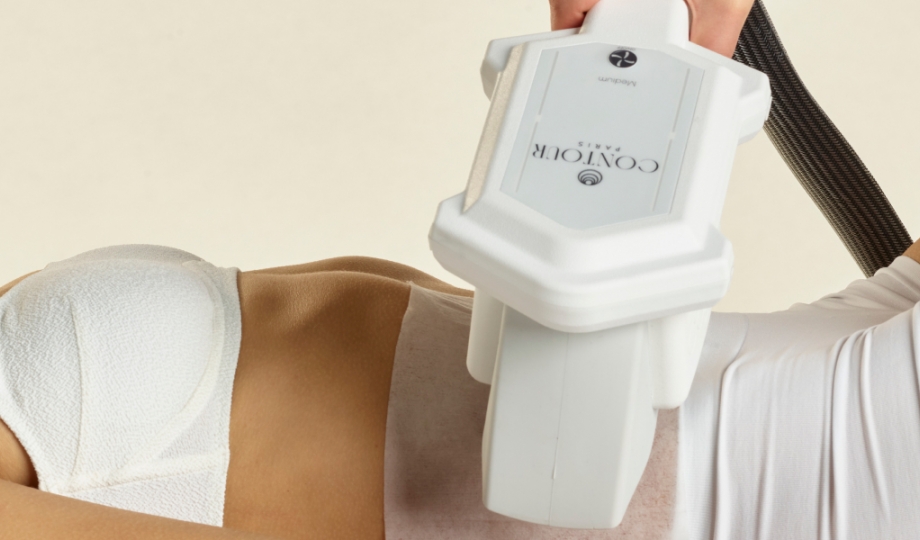
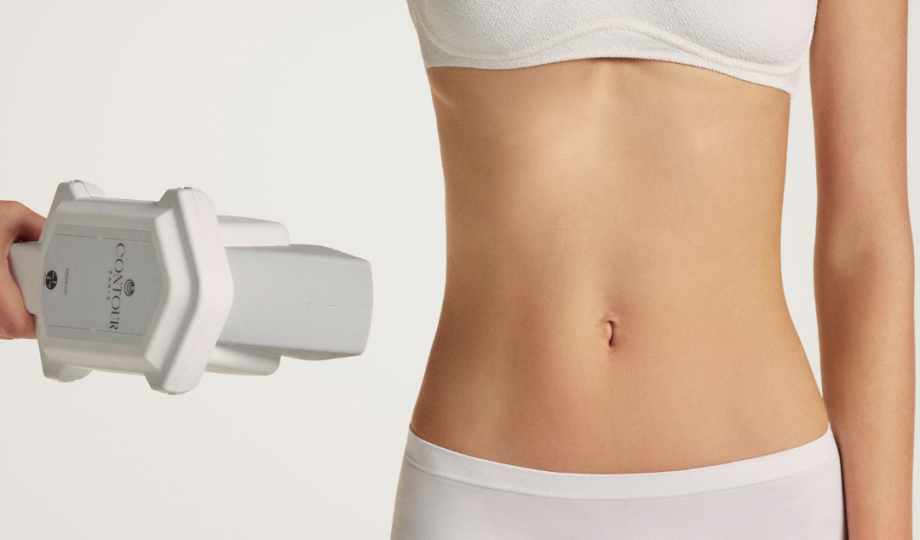
Fat cells are more sensitive to cooling than surrounding skin and tissue. Controlled, prolonged cooling targets these cells, which are then gradually cleared by the body over the following weeks.
The method was described by Harvard researchers Dieter Manstein and Rox Anderson in a 2008 study on selective cryolysis.
A 2015 review of 19 clinical studies reported average local fat-thickness reductions ranging from approximately 10% to 28%, depending on the measurement method.
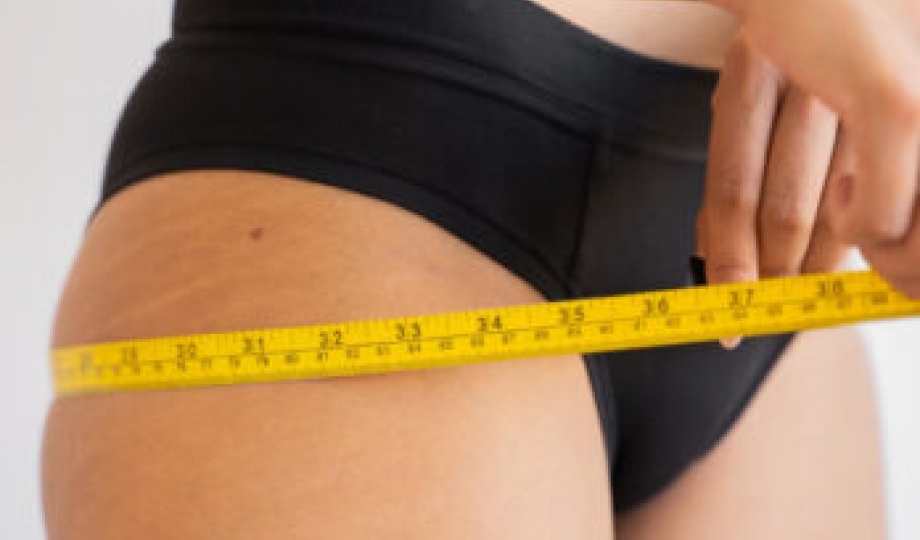
This allows progress to be followed using consistent photographs and measurements.
The communication should remain accurate: cryolipolysis contours a localised area; it does not produce overall weight loss.
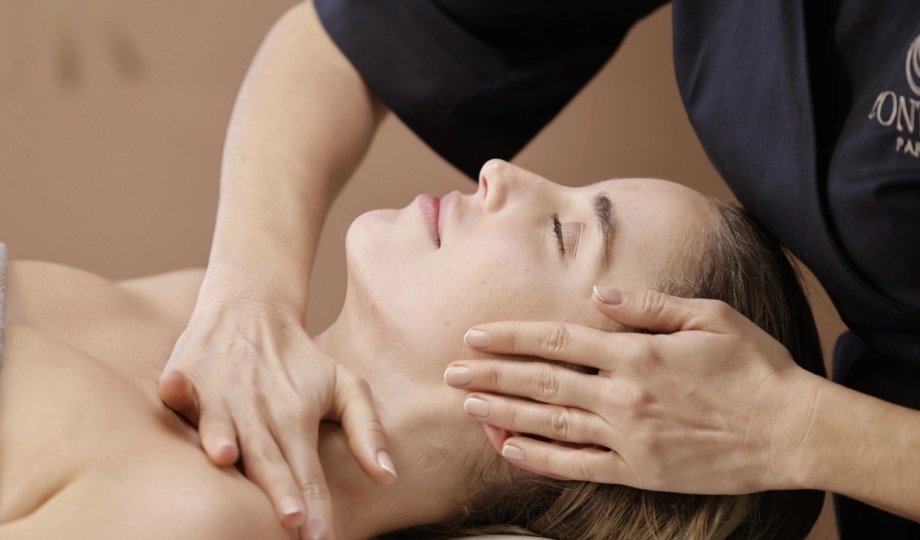
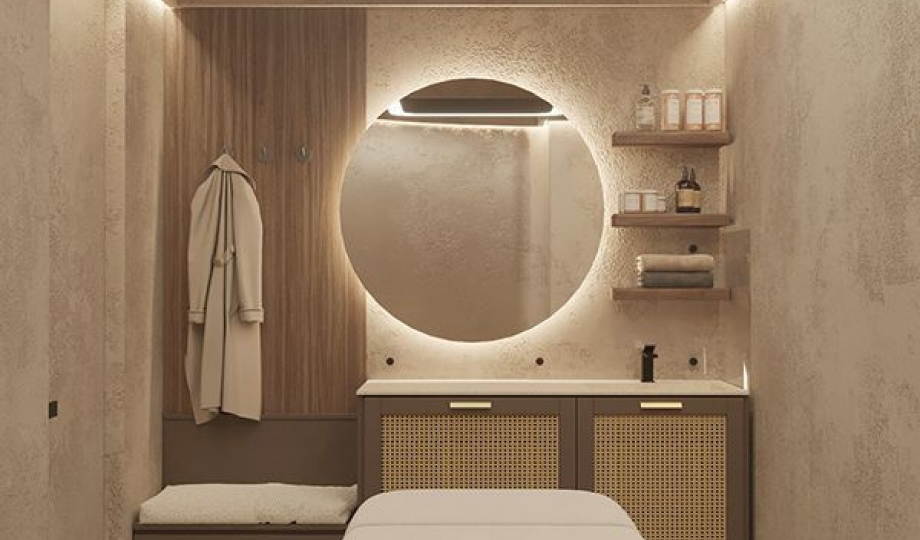
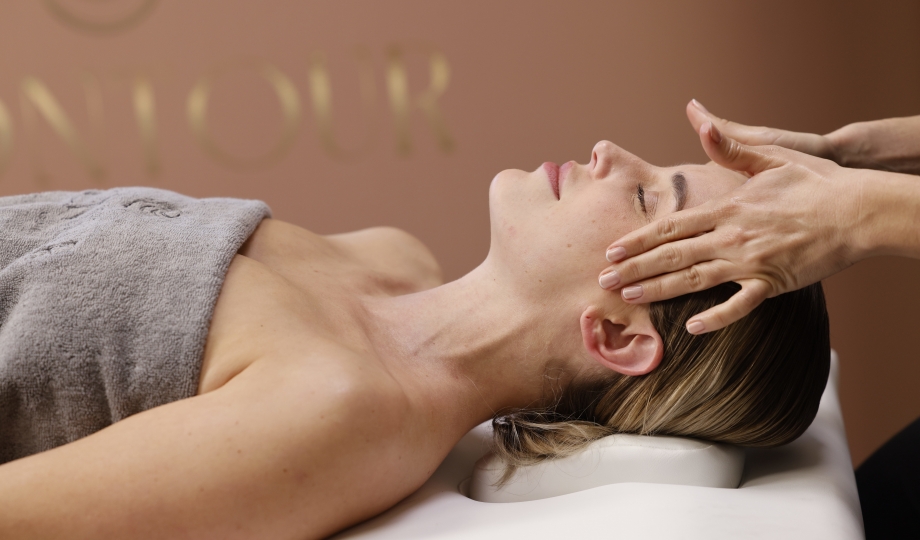
Client experience also matters. Comfort, atmosphere and useful lifestyle advice can help make the programme feel more premium.
Redness, bruising, tenderness, discomfort, numbness and tingling may occur and are generally temporary.
The French National Authority for Health has also described rarer complications including burns, cold injuries, sensory nerve injury, hernias and paradoxical adipose hyperplasia.
The HAS notes that some complications may be associated with misuse, overly frequent repeat treatments or equipment design.
A structured cryolipolysis programme can include an initial consultation, treatment sessions, follow-up appointments and comparative photographs.
For the client, this provides a clear framework. For the business, it can increase average spend and create a longer-term client relationship.
Consider naming offers according to the client's objective rather than the technical procedure itself: abdominal contour, love handles, facial contour or another clearly defined area.
Your client is not necessarily looking for “cryolipolysis”. She is looking for an answer to a particular concern.
Do not simply copy the salon next door. Start with your true costs: treatment-room time, consumables, device depreciation, maintenance and training.
Then consider the client value included in your offer, such as assessment, follow-up, device quality and personalised support.
Your loyal clients are often your first ambassadors. Present the new service in person and through compliant email or SMS communication, and offer an initial assessment.
An open day or launch evening can help explain the equipment, answer questions and introduce assessments while also generating social media content.
Focus on how the technology works, who it is suitable for, how long results take and what it does not do.
Use real before-and-after photographs taken under comparable conditions and with the client's consent.
Gyms, personal trainers and dietitians regularly meet clients who are frustrated by resistant localised areas. Carefully designed partnerships can generate relevant referrals.
Ask one simple question: how many sessions will I need to sell before the device has paid for itself?
Gather four numbers:
Divide the total investment by the margin generated per session. This gives you the approximate number of sessions required to break even.
Your accountant can help build a forecast and compare financing options. French craft businesses may also seek support from the Chambres de métiers et de l'artisanat.
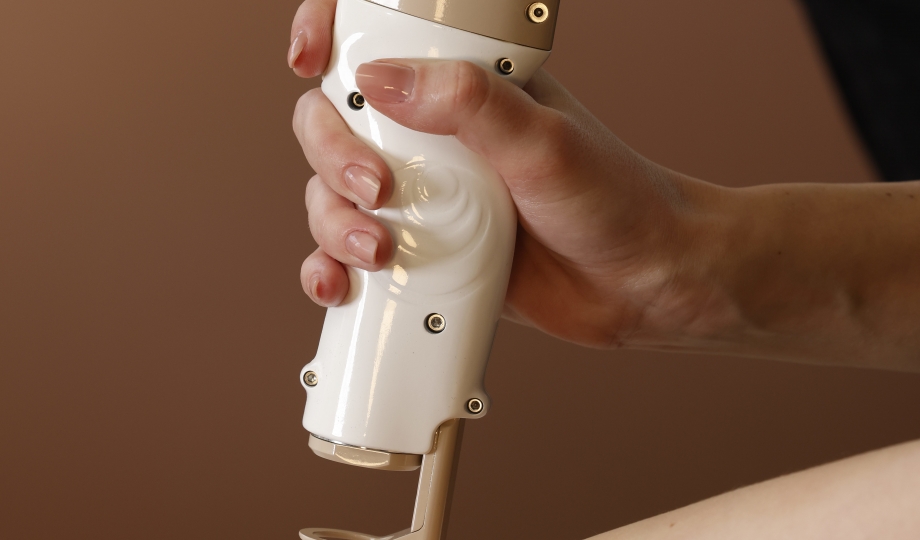
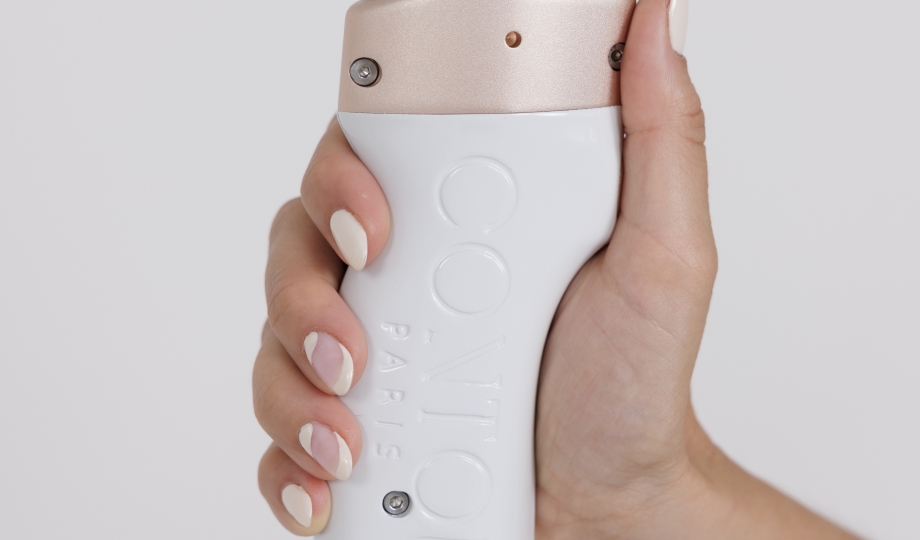
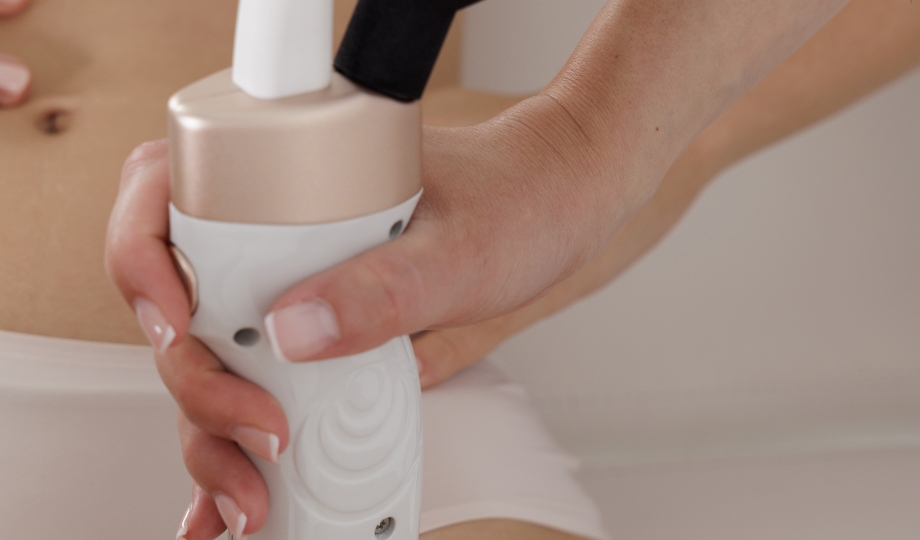
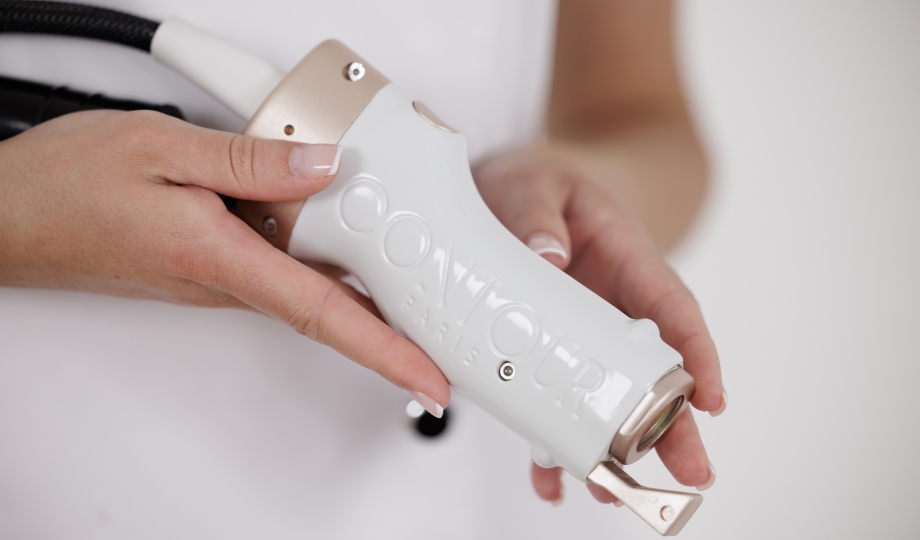
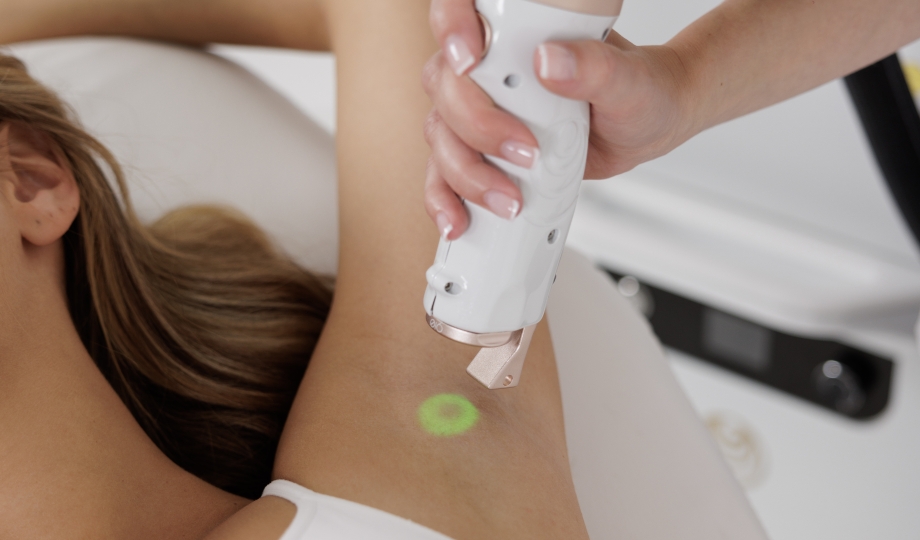
Contour Cryo was designed around these criteria, including controlled cooling, safety limits, thermal monitoring and several applicators for different treatment areas. It is designed and manufactured in France by Contour Paris, which also trains and supports professionals using the technology.
Cryolipolysis addresses a significant body-contouring demand and offers measurable outcomes that can support client loyalty and professional positioning.
Its success depends on three elements: reliable equipment, high-quality training and rigorous protocols.
It addresses demand for contouring stubborn localised fat areas and can form part of a structured client journey with measurable progress.
No result should be guaranteed. The studies cited in the article report average local fat-thickness reductions of approximately 10% to 28%, depending on the measurement method.
Check cooling control, temperature safety limits, thermal monitoring, suitable applicators and documented regulatory compliance. Also assess the supplier's training, after-sales service and long-term support.
Yes. Proper training is important for understanding the equipment, protocols and contraindications.
Common temporary effects include redness, bruising, sensitivity and numbness. Rarer complications have also been described by the French National Authority for Health.
Potential advantages include traceability, proximity to the manufacturer, responsive technical support and access to training from the company responsible for the equipment.
Share


















































Vos informations ont bien été mises à jour.
Cette fenêtre se fermera automatiquement dans quelques secondes...
Cette fenêtre va se fermer automatiquement dans 3 secondes...
Veuillez saisir l'adresse email rattaché à votre compte client pour recevoir un lien de réinitialisation de votre mot de passe.
Vous pouvez maintenant commander et suivre vos commandes. Cette fenêtre va se fermer automatiquement dans 5 secondes...